
When to Plant Beautyberry Seeds: A Guide for Gardeners
The key to successful beautyberry seed planting lies in the timing. Renowned for their eye-catching purple berries that emerge in the fall, beautyberries are favored by gardeners who wish to inject vibrant hues into their outdoor spaces. Yet, choosing an incorrect time for sowing beautyberry seeds can result in suboptimal growth, or in some cases, failure to grow at all. This piece will guide you through the optimal planting season for beautyberry seeds and provide detailed instructions to help your plants flourish.
Understanding Beautyberry
Before you start planting beautyberry seeds, it’s important to understand the plant itself. Beautyberry, also known as Callicarpa, is a deciduous shrub that is native to the southeastern United States. It is prized for its clusters of bright purple berries that appear in the fall, which are a favorite of birds and other wildlife. Beautyberry can grow up to 6 feet tall and wide, and it prefers partial shade and moist, well-drained soil.
Preparation for Planting
Once you’ve familiarized yourself with beautyberry, it’s time to prepare for planting. The first step is to choose a suitable location for your shrub. As mentioned, beautyberry prefers partial shade, so look for an area that gets a few hours of direct sunlight each day. You’ll also want to make sure that the soil is well-drained and rich in organic matter. Finally, you’ll need to decide whether you want to start your plants from seeds or cuttings. While seeds are the most affordable option, cuttings tend to produce stronger, healthier plants.
Understanding Beautyberry
Species Overview
Beautyberry, also known as Callicarpa, is a genus of shrubs that are native to North and South America, Asia, and Australia. The most common species is the American beautyberry, or Callicarpa americana, which is found in the southern United States.
The beautyberry shrub is known for its clusters of vibrant purple berries that grow along the stem in the fall. These berries are a favorite food source for birds and other wildlife.
Ideal Growing Conditions
To grow beautyberry successfully, you need to provide it with the right growing conditions. Beautyberry prefers full sun to part shade and well-draining soil that is slightly acidic with a pH between 5.5 and 6.5.
When planting beautyberry, it’s important to choose a spot that has good drainage and is not prone to flooding. If your garden soil is heavy and clay-like, you may need to amend it with organic matter to improve drainage.
Beautyberry is a low-maintenance plant that doesn’t require a lot of water once it’s established. However, it’s important to keep the soil evenly moist during the first few months after planting to help the roots establish.
In summary, to grow beautyberry successfully, you need to provide it with full sun to part shade, well-draining soil with a pH between 5.5 and 6.5, and keep the soil evenly moist during the first few months after planting. With the right growing conditions, you can enjoy the beauty of this native shrub in your garden for years to come.
Preparation for Planting
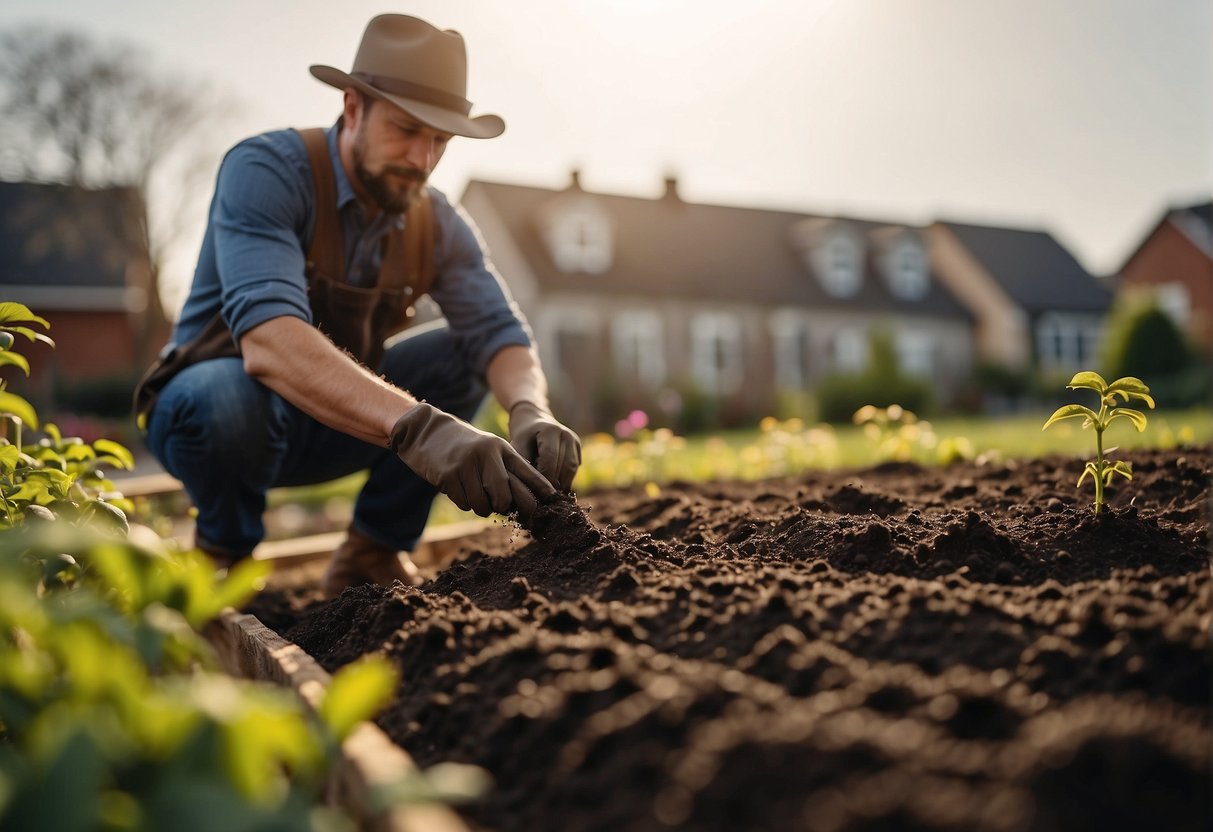
Before planting beautyberry seeds, it is important to prepare the site and soil properly. This will ensure that the seeds have the best chance of germinating and growing into healthy plants. In this section, we will cover the key steps you need to follow to prepare for planting.
Seed Collection and Storage
The first step in preparing for planting beautyberry seeds is to collect and store the seeds properly. You should collect the seeds in the fall, after the berries have ripened and turned purple. You can either pick the berries directly from the plant or collect them from the ground.
Once you have collected the berries, you should remove the seeds from the pulp and rinse them in water. Then, you should spread the seeds out on a paper towel to dry for a few days. Once the seeds are dry, you can store them in a cool, dry place until you are ready to plant them.
Soil and Site Selection
The next step in preparing for planting beautyberry seeds is to select the right site and soil. Beautyberries prefer well-drained soil that is slightly acidic, with a pH between 5.5 and 6.5. They also prefer a site that receives full sun or partial shade.
Before planting, you should prepare the soil by removing any weeds or debris and tilling the soil to a depth of about 6 inches. You can also add organic matter, such as compost or aged manure, to improve the soil’s fertility and texture.
It is important to wait until after the last frost before planting beautyberry seeds. This is usually in the spring, but the exact timing depends on your location. Once the soil has warmed up and the danger of frost has passed, you can plant the seeds about 1/4 inch deep and cover them with soil.
By following these steps, you can ensure that your beautyberry seeds have the best chance of germinating and growing into healthy plants.
Planting Beautyberry Seeds
If you’re looking to grow beautyberry in your garden, planting seeds is a great way to start. Here are some tips to help you get started.
Optimal Timing
The best time to plant beautyberry seeds is in the fall, after the first frost. This allows the seeds to go through a period of cold stratification, which is necessary for germination. If you miss the fall window, you can also plant the seeds in the spring, but they may take longer to germinate.
Sowing Techniques
When planting beautyberry seeds, start by filling seedling trays with a well-draining soil mix. Sow the seeds about ¼ inch deep and space them about 2 inches apart. Water the soil lightly and cover the trays with plastic wrap to help retain moisture.
Once the seeds have germinated and the seedlings have grown a few inches tall, you can transplant them into larger containers or directly into your garden. When transplanting, make sure to space the plants about 3 feet apart to allow for their mature size.
Overall, planting beautyberry seeds is a great way to add this beautiful plant to your garden. With proper timing and sowing techniques, you can enjoy the beauty of this plant for years to come.
Post-Planting Care
After planting your beautyberry seeds, it’s important to take good care of them to ensure healthy growth and development. Here are some tips to help you maintain your beautyberry plants:
Watering and Mulching
Water your beautyberry plants regularly to keep the soil moist but not waterlogged. During the first year after planting, water your plants deeply once a week. In subsequent years, water them deeply once every two weeks. It’s important to avoid overwatering, as this can cause root rot and other problems.
Mulching can help to retain moisture in the soil and keep the roots cool. Spread a layer of organic mulch around the base of your plants, being careful not to cover the stems. This will also help to suppress weeds and improve soil structure.
Fertilization and Pruning
Beautyberry plants don’t require much fertilizer, but you can give them a boost in the spring by applying a slow-release fertilizer. Follow the manufacturer’s instructions for application rates and timing.
Pruning can help to shape your plants and promote new growth. In late winter or early spring, cut back any dead or damaged branches, as well as any branches that are crossing or rubbing against each other. This will improve air circulation and reduce the risk of disease.
During the growing season, you can also prune your plants to control their size and shape. Cut back any long or straggly branches, being careful not to remove too much foliage. This will encourage new growth and help to maintain a compact, bushy shape.
By following these simple care guidelines, you can enjoy healthy, vibrant beautyberry plants in your garden for years to come.
Propagation Methods
If you are a gardener looking to grow beautyberry plants from seeds, you may want to consider propagation methods. Beautyberry plants can be propagated using cuttings technique or layering approach.
Cuttings Technique
Softwood cuttings are the best type of cuttings for beautyberry plants. You can take cuttings from new wood or branches in the late spring or early summer. Cuttings should be about 4-6 inches long and should be taken from the tips of the branches. You can use rooting hormone to help the cuttings root.
Once you have taken the cuttings, you can insert them into soil. The soil should be moist but not wet. You can cover the cuttings with a plastic bag to help keep them moist. After about 4-6 weeks, the cuttings should have rooted and can be transplanted to a larger pot.
Layering Approach
Layering is another propagation method that can be used for beautyberry plants. This method involves bending a stem down to the ground and covering it with soil. The stem will then grow roots from the covered area.
To use this method, choose a healthy stem that is about a year old. Gently bend the stem down to the ground and cover it with soil. Make sure to keep the soil moist. After about 6-8 weeks, the stem should have rooted and can be cut from the parent plant and transplanted to a larger pot.
Both of these propagation methods can be effective for growing beautyberry plants. Choose the method that works best for you and enjoy the beauty of these plants in your garden.
Common Challenges and Solutions
Pests and Diseases
When planting beautyberry seeds, pests and diseases can be a common challenge. Insects such as aphids and spider mites can cause damage to the leaves and stems of the plant, while diseases like black mold can affect the overall health of the beautyberry.
To prevent pest and disease problems, it is recommended that you plant your beautyberry seeds in well-draining soil and avoid overwatering. Additionally, you can use natural insecticides and fungicides to control any infestations.
Environmental Stress
Beautyberry plants are generally drought-tolerant and winter hardy, but they can still experience environmental stress. Extreme temperatures, especially in the summer months, can cause the leaves to wilt and drop.
To mitigate environmental stress, it is important to plant beautyberry seeds in an area that provides adequate shade and protection from the elements. Additionally, you can mulch around the base of the plant to help retain moisture in the soil.
Overall, by taking proper care of your beautyberry plants and addressing any problems as they arise, you can enjoy a beautiful and healthy garden full of these stunning plants.
Beautyberry in Landscape Design
Beautyberry is a popular choice in landscape design due to its aesthetic contributions, wildlife benefits, and low maintenance requirements. This native shrub produces purple berries in clusters that add a pop of color to any garden or woodland area.
Aesthetic Contributions
The beautyberry plant is known for its striking foliage and clusters of vibrant purple berries. The leaves of the beautyberry plant are a bright green color that transforms into a yellow hue in the fall. The purple berries are produced in clusters and provide a unique contrast to the green foliage. The berries persist well into the winter, providing a colorful display during the colder months.
Wildlife and Ecosystem Benefits
Beautyberry is an important plant for wildlife and ecosystem benefits. The berries produced by the beautyberry plant are a valuable food source for birds and other animals. The plant also attracts a variety of insects, including butterflies and bees, which are important pollinators.
In addition to its wildlife benefits, the beautyberry plant is also important for its role in the ecosystem. The plant is native to North America and is well adapted to the local climate and soil conditions. Beautyberry is also a low-maintenance plant that requires little water and fertilizer, making it an eco-friendly choice for your garden.
Overall, beautyberry is a versatile plant that adds both aesthetic and ecological value to your landscape design. Whether you are looking to attract birds and other wildlife or simply add a pop of color to your garden, beautyberry is a great choice.
Seasonal Considerations
When it comes to planting beautyberry seeds, seasonal considerations play a crucial role in determining the success of your gardening efforts. Here are some important things to keep in mind:
Winter Care
During the winter months, beautyberry plants require some extra care to ensure their survival. If you live in an area with frost or freezing temperatures, it’s important to protect your plants from the cold. One way to do this is by applying a layer of mulch around the base of the plant to insulate the roots. You can also cover the plant with a frost cloth or burlap to protect it from harsh winter winds.
Summer Maintenance
In the summer, beautyberry plants need plenty of water, sun, and humidity to thrive. Make sure to water your plants regularly, especially during hot and dry weather. Beautyberry plants also require plenty of sunlight, so make sure they are planted in a location that receives at least six hours of direct sunlight each day. Finally, beautyberry plants prefer humid conditions, so consider using a humidifier or misting the leaves with water to keep the air moist.
Overall, by paying attention to seasonal considerations and providing the right care and maintenance, you can successfully grow beautiful beautyberry plants in your garden.
Frequently Asked Questions
What is the optimal season for sowing beautyberry seeds?
The optimal season for sowing beautyberry seeds is in the spring, after the last frost has passed. Beautyberry seeds require warm soil temperatures to germinate, so it is best to wait until the soil has warmed up to at least 60°F (15°C).
How should beautyberry seeds be prepared for planting?
Before planting, soak the beautyberry seeds in water for 24 hours to help soften the hard seed coat. After soaking, scarify the seeds by gently rubbing them with sandpaper or a file to create small scratches on the surface of the seed coat. This will help the seeds absorb water and germinate more easily.
What are the ideal growing conditions for beautyberry plants?
Beautyberry plants prefer well-draining soil that is rich in organic matter. They also require full to partial sun exposure and regular watering. Beautyberry plants are hardy in USDA zones 6-10 and can tolerate temperatures as low as -10°F (-23°C).
How long does it take for beautyberry to fully mature from seed?
It takes about 2-3 years for beautyberry plants to fully mature from seed. During the first year, the plant will establish its root system and grow slowly. In the second year, the plant will begin to produce more foliage and stems. By the third year, the plant should be fully mature and producing berries.
What are common issues when growing beautyberry and how can they be addressed?
Common issues when growing beautyberry include fungal diseases, insect pests, and deer browsing. To prevent fungal diseases, avoid overhead watering and provide good air circulation around the plant. Insect pests can be controlled with insecticidal soap or neem oil. To prevent deer browsing, consider using a deer repellent or planting in a fenced area.
What are the steps for successful propagation of beautyberry?
The steps for successful propagation of beautyberry include taking stem cuttings in the summer, dipping the cuttings in rooting hormone, and planting them in a well-draining soil mix. Keep the soil moist and provide bright, indirect light. The cuttings should root within 4-6 weeks and can be transplanted into larger pots or directly into the garden.

