
How Tall Do Beautyberry Bushes Grow?
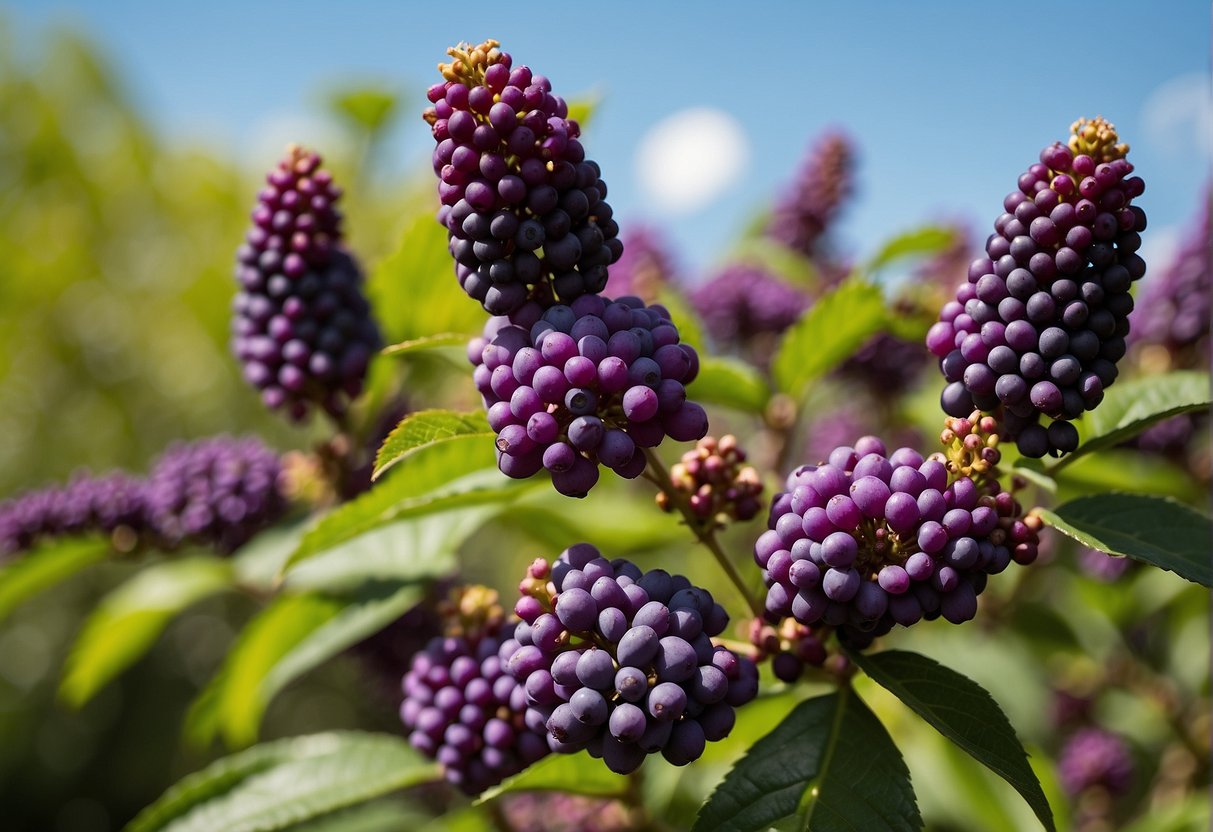
Should you be in search of a bush that can enhance the aesthetics of your landscape, the beautyberry could be a commendable choice. Renowned for its vivid purple berries that form in clusters, this shrub is capable of reaching impressive heights under optimal conditions. This piece will delve into the potential stature of beautyberry bushes and provide insights on the essentials of cultivating and maintaining them.
Understanding Beautyberry
Beautyberry, also known as Callicarpa, is a genus of shrubs that are native to parts of North and South America, Asia, and Australia. The most commonly grown species is Callicarpa americana, which is native to the southeastern United States. This shrub is known for its bright green leaves and clusters of purple berries that appear in late summer and fall. The berries are a favorite of birds and other wildlife, making it a great choice for wildlife gardens.
Planting and Growth Requirements
Beautyberry bushes are relatively easy to grow and care for, but they do have some specific requirements. They prefer well-drained soil and full sun to partial shade. They can tolerate some drought, but they do best with regular watering. As for height, beautyberry bushes can grow anywhere from 3 to 8 feet tall, depending on the species and growing conditions. In the next sections, we’ll explore more about how to care for beautyberry bushes and some design ideas for using them in your landscape.
Key Takeaways
- Beautyberry is a shrub known for its bright purple berries and is native to parts of North and South America, Asia, and Australia.
- Beautyberry bushes can grow to be 3 to 8 feet tall and prefer well-drained soil and full sun to partial shade.
- Beautyberry is easy to care for and can be used in wildlife gardens or as a decorative element in your landscape design.
Understanding Beautyberry
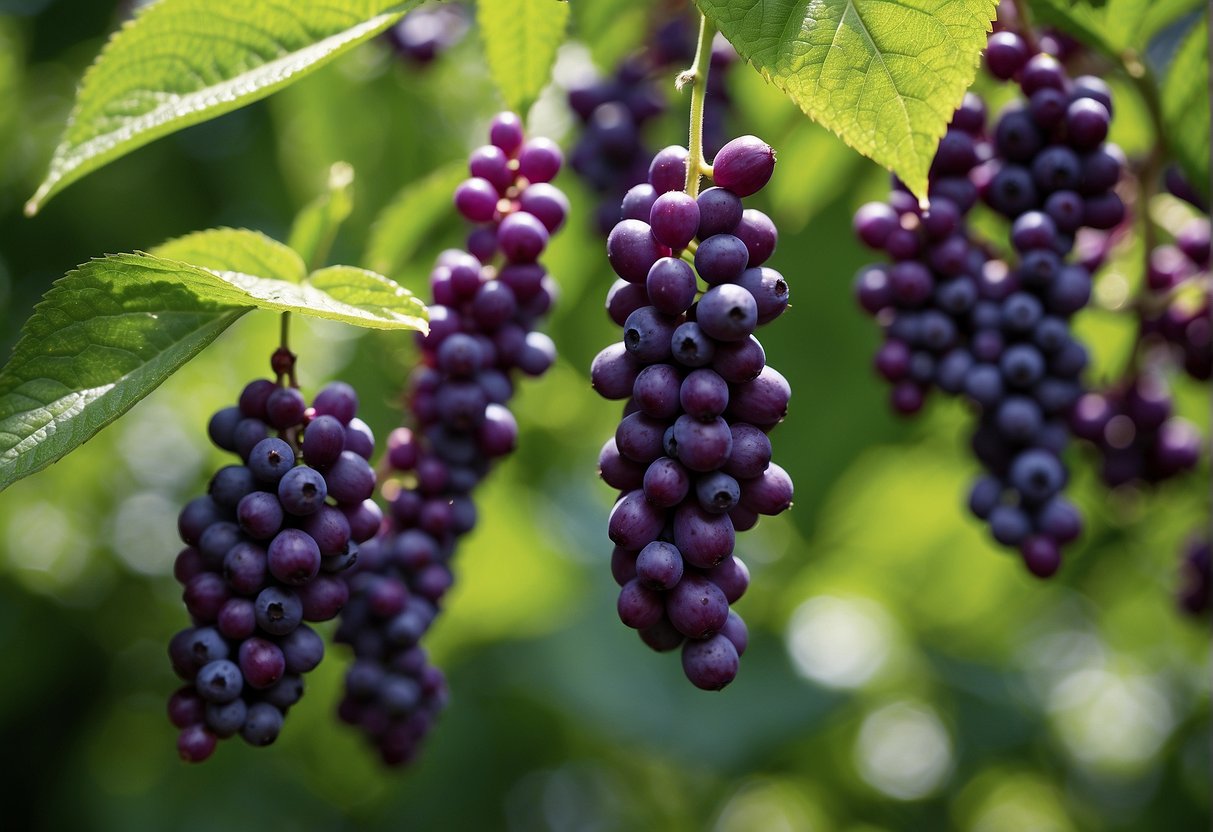
If you are interested in adding a unique and colorful shrub to your garden, you may want to consider the beautyberry. This deciduous shrub is native to North America and Asia, and it is known for its stunning foliage and vibrant fruit. Here is what you need to know about this beauty:
Botanical Profile
The beautyberry, also known as Callicarpa, is a genus of shrubs that belong to the mint family, Lamiaceae. There are several different species of beautyberry, but the most common types include Callicarpa americana, Callicarpa dichotoma, Callicarpa japonica, and Callicarpa bodinieri.
The beautyberry is a deciduous shrub, which means it will lose its leaves in the fall. It typically grows to be between 3 and 6 feet tall, although some cultivars can grow up to 10 feet tall. The foliage of the beautyberry is green and can be either smooth or hairy.
Varieties and Cultivars
There are several different varieties and cultivars of beautyberry, each with its own unique characteristics. Some popular varieties include:
- Japanese Beautyberry (Callicarpa japonica): This variety is native to Japan and has purple fruit that grows in clusters along the stems.
- American Beautyberry (Callicarpa americana): This variety is native to the southeastern United States and has bright purple fruit that grows in clusters along the stems.
- Purple Beautyberry (Callicarpa dichotoma): This variety is native to China and Korea and has bright purple fruit that grows in clusters along the stems.
- Asian Beautyberry (Callicarpa bodinieri): This variety is native to China and has purple fruit that grows in clusters along the stems.
There are also several different cultivars of beautyberry, including:
- ‘Issai’ (Callicarpa japonica ‘Issai’): This cultivar is a dwarf variety that only grows to be about 2 feet tall.
- ‘Profusion’ (Callicarpa bodinieri ‘Profusion’): This cultivar has pink flowers that bloom in the summer and purple fruit that grows in clusters along the stems.
- ‘Early Amethyst’ (Callicarpa dichotoma ‘Early Amethyst’): This cultivar has bright purple fruit that grows in clusters along the stems and blooms earlier in the season than other varieties.
No matter which variety or cultivar you choose, the beautyberry is sure to add a unique and colorful touch to your garden.
Planting and Growth Requirements
Soil and Site Conditions
When planting beautyberry bushes, it is important to choose a suitable site with the right soil conditions. Beautyberry bushes prefer moist, well-drained soil that is rich in organic matter. Adding compost or other organic matter to the soil will help improve drainage and provide essential nutrients to the plant. Beautyberry bushes also prefer a slightly acidic soil pH between 5.5 and 6.5.
Sunlight and Temperature
Beautyberry bushes thrive in full sun or partial shade. They can tolerate a range of temperatures but prefer warm, humid climates. Beautyberry bushes are hardy in zones 5-8 and are native to the southeastern United States.
Hardiness and Climate Zones
When selecting a beautyberry bush for your garden, it is important to consider your climate zone. Beautyberry bushes are hardy in zones 5-8, which includes much of the southeastern United States. In these areas, beautyberry bushes can be grown as perennials and will return year after year. If you live in a colder climate, you may need to treat your beautyberry bush as an annual or provide winter protection.
Overall, planting and growing beautyberry bushes is relatively easy as long as you provide the right soil and site conditions, sunlight and temperature, and consider your hardiness and climate zone. With proper care, beautyberry bushes can provide a stunning display of purple berries and attract a variety of wildlife to your garden.
Care and Maintenance
Beautyberry bushes are known for their hardiness and low-maintenance requirements. However, a little care and attention can go a long way in keeping your shrubs healthy and thriving.
Watering and Fertilization
Beautyberry bushes prefer well-drained soil that is moist but not waterlogged. During the growing season, water your shrubs deeply once a week, especially during hot and dry spells. Mulching around the base of the plant can help retain moisture and suppress weeds.
Fertilizing your beautyberry bushes once a year in the spring with a balanced fertilizer can help promote healthy growth and vibrant foliage. Avoid over-fertilizing, as this can lead to excessive growth and reduced fruit production.
Pruning and Shaping
Pruning your beautyberry bushes is not necessary, but it can help keep the plant looking neat and tidy. Late winter is the best time to prune your shrubs, before new growth begins. Remove any dead or damaged branches, as well as any crossing or rubbing branches.
To shape your beautyberry bushes, prune back any overly long or leggy branches to encourage new growth and a fuller shape. Avoid pruning too heavily, as this can reduce the amount of fruit produced.
Pest and Disease Management
Beautyberry bushes are generally resistant to pests and diseases. However, they can occasionally be affected by common garden pests such as aphids, spider mites, and whiteflies. Regularly inspect your shrubs for signs of infestation, and treat with an insecticidal soap or horticultural oil if necessary.
Diseases such as leaf spot and powdery mildew can also affect beautyberry bushes, especially during periods of high humidity. To prevent these diseases, avoid overhead watering and ensure proper air circulation around your shrubs. If necessary, treat with a fungicide according to the instructions on the label.
By following these simple care and maintenance tips, you can keep your beautyberry bushes looking healthy and beautiful year after year.
Seasonal Interests
Spring and Summer Blooms
Beautyberry bushes are known for their stunning blooms that appear in late spring and continue throughout the summer months. The bloom time typically starts in May and can last until August, depending on the climate and location. The flowers are small and delicate, but they are arranged in showy clusters that can be up to 4 inches long. The flower color is usually a light pink or lavender shade, which can vary depending on the cultivar.
Fall and Winter Features
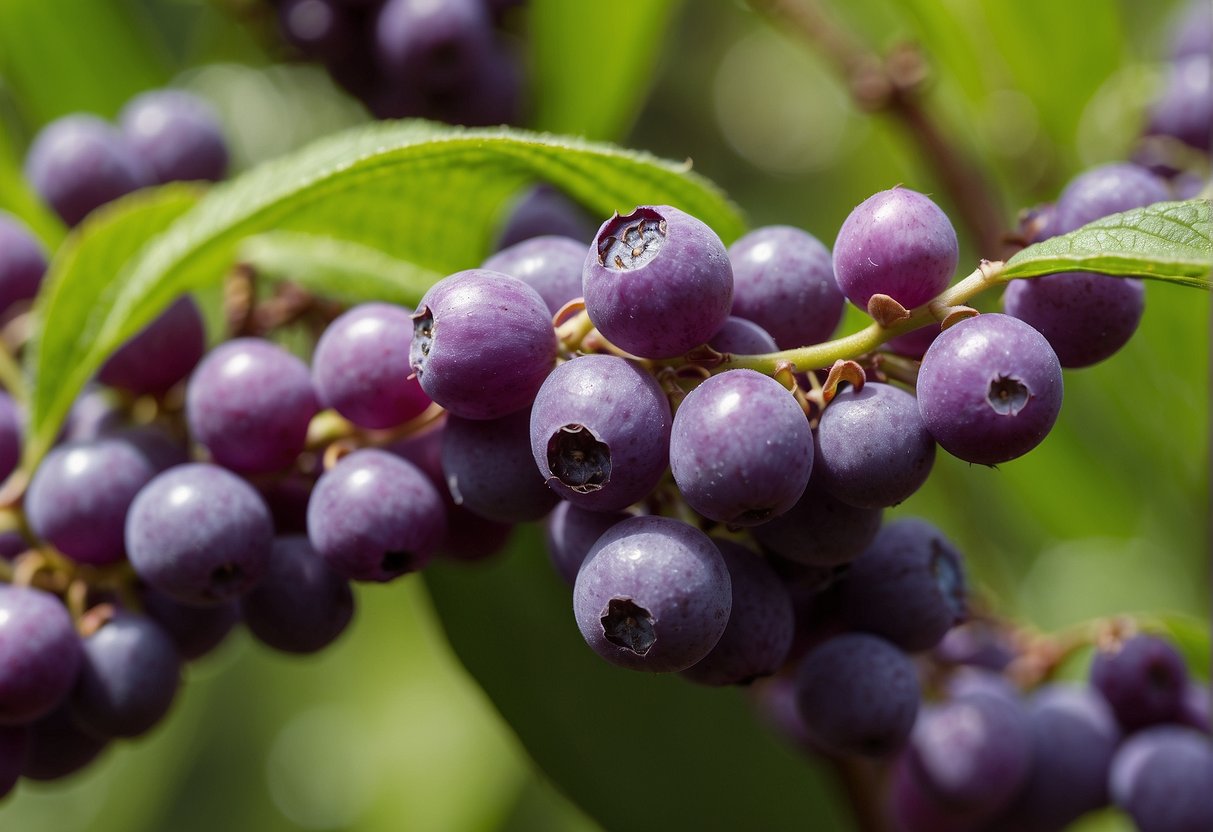
One of the most striking features of beautyberry bushes is their fruit production. In late summer and fall, the bushes begin to produce small, purple berries that are arranged in clusters along the stems. These fruits are drupes, which means they have a single seed surrounded by a fleshy fruit. The berries are highly ornamental and can persist on the bush well into the winter months.
In addition to their fruit production, beautyberry bushes also have attractive foliage in the fall. The leaves turn a bright yellow or golden color before dropping off in the winter. This makes them a great addition to any fall landscape.
Overall, beautyberry bushes are a great choice for anyone looking for a low-maintenance shrub that provides interest throughout the year. Whether you’re looking for beautiful blooms in the spring and summer or showy clusters of purple berries in the fall and winter, beautyberry bushes are sure to impress.
Wildlife and Ecological Benefits
Beautyberry bushes are not only beautiful but also provide numerous benefits to wildlife and the environment. Here are some of the ways that beautyberry bushes can support biodiversity and attract birds and pollinators.
Attracting Birds and Pollinators
Beautyberry bushes produce small, pink to lavender flowers that bloom in the summer. These flowers are a rich source of nectar for bees, butterflies, and other pollinators. The nectar is also a food source for many species of birds, including hummingbirds.
In addition, the berries that beautyberry bushes produce in the fall are a favorite food of many bird species, such as thrushes, catbirds, and mockingbirds. The berries are also a source of food for small mammals, such as squirrels and raccoons.
Supporting Biodiversity
Beautyberry bushes are native to the southeastern United States and are an important part of the region’s ecology. They provide habitat and food for a wide variety of wildlife, including birds, mammals, and insects.
In addition, beautyberry bushes are an important part of the understory layer of forests, providing shade and helping to regulate soil moisture levels. They also help to prevent erosion and provide a home for many species of native plants.
Overall, beautyberry bushes are an excellent choice for anyone looking to add beauty to their landscape while also supporting native wildlife and promoting biodiversity.
Propagation and Reproduction
If you want to grow beautyberry bushes in your garden, you have a few options for propagation and reproduction. The two most common methods are seed propagation and cuttings/division.
Seed Propagation
Beautyberry bushes can be grown from seed, but keep in mind that it can take several years for the plant to reach maturity. If you want to try seed propagation, you can collect the berries in the fall and remove the seeds from the pulp. Soak the seeds in water for a few hours before planting them in a well-draining soil mix. Keep the soil moist and warm, and the seeds should germinate in a few weeks. Once the seedlings are large enough, you can transplant them to their permanent location.
Cuttings and Division
Another way to propagate beautyberry bushes is through cuttings or division. This method is faster than seed propagation and can produce plants that are identical to the parent plant. To take cuttings, select a healthy stem and cut a 4-6 inch section. Remove the leaves from the bottom half of the stem and dip it in rooting hormone before planting it in a well-draining soil mix. Keep the soil moist and warm, and the cutting should root in a few weeks.
Division is another option for propagating beautyberry bushes. This method involves digging up an established plant and dividing it into smaller sections. Each section should have at least one stem and a healthy root system. Replant the sections in a well-draining soil mix and keep them moist until they are established.
Beautyberry bushes can also reseed themselves and produce new growth from the base of the plant. With proper care and maintenance, you can have a beautiful and healthy beautyberry bush in your garden for years to come.
Landscape Uses and Design Ideas
Ornamental Appeal
Beautyberry bushes are aesthetically pleasing and add a unique touch to any landscape. The plant’s clusters of bright purple berries are showy and can be used as a focal point in a garden or border planting. The berries remain on the plant well into the fall, providing a pop of color in an otherwise drab season. The plant’s arching branches also create a graceful shape that can add visual interest to any backyard.
Garden and Border Planting
Beautyberry bushes can be used in a variety of garden and border planting arrangements. They work well in mass plantings, creating a stunning display of purple clusters. They can also be used as a backdrop for smaller plants, adding depth and texture to the overall design. The plant’s height and arching branches make it an excellent choice for creating natural-looking borders.
When designing with beautyberry bushes, it is important to consider the plant’s size and shape. They can grow up to 6 feet tall and wide, so be sure to give them plenty of space to thrive. Beautyberry bushes also prefer partial shade, so keep this in mind when choosing their placement in your landscape.
Overall, beautyberry bushes are a versatile and attractive addition to any garden or landscape. Their showy clusters of purple berries, graceful shape, and natural-looking borders make them a popular choice for many gardeners.
Frequently Asked Questions
What is the typical height range for American beautyberry bushes?
American beautyberry bushes are known for their impressive size. On average, they grow to be between 4 and 8 feet tall, with a spread of 4 to 6 feet. However, some beautyberry bushes can grow up to 10 feet tall under the right conditions.
Can American beautyberry thrive in Zone 5 conditions?
Yes, American beautyberry bushes can thrive in Zone 5 conditions, but they may require some extra care during the winter months. It is important to ensure that the soil is well-drained and that the plant is properly mulched to protect the roots from freezing temperatures.
What is the growth rate of beautyberry bushes?
The growth rate of beautyberry bushes can vary depending on the growing conditions. In general, they tend to grow at a moderate pace of about 6 to 12 inches per year. However, with proper care and maintenance, they can grow faster.
How much space is required when planting beautyberry bushes?
When planting beautyberry bushes, it is important to provide enough space for them to grow and thrive. They should be spaced at least 4 to 6 feet apart to allow for proper air circulation and sunlight exposure. It is also recommended to plant them in an area with well-drained soil.
What is the ideal location for planting a beautyberry bush?
Beautyberry bushes prefer partial shade to full sun and well-drained soil. They can tolerate a wide range of soil types, but they prefer slightly acidic soil. It is also important to ensure that the plant is protected from strong winds.
Is it possible to maintain a smaller size for beautyberry bushes?
Yes, it is possible to maintain a smaller size for beautyberry bushes through regular pruning. Pruning should be done in late winter or early spring before new growth appears. It is important to remove any dead or damaged branches and to shape the plant to your desired size and shape.

