
Where to Find Beautyberry: A Guide to Locating this Colorful Shrub
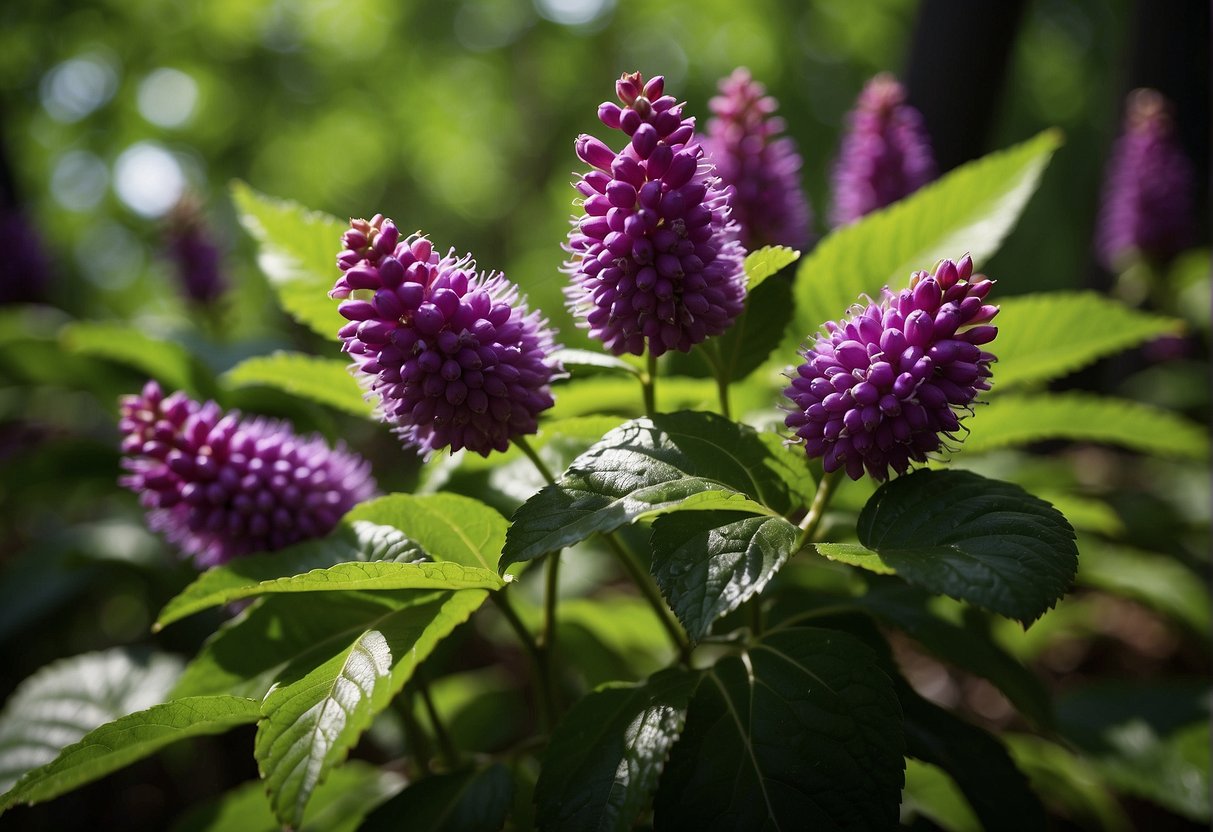
If you’re aiming to inject vivid colors into your garden, beautyberry presents an exceptional option. This leaf-shedding bush yields bright purple berry clusters that bring a burst of color to your outdoor space. But, where do you get beautyberry? In this piece, we’re diving into several methods to acquire this gorgeous shrub and tips on maintaining it after acquisition.
Understanding Beautyberry
Beautyberry, also known as Callicarpa, is a genus of shrubs and small trees that are native to North and South America, Asia, and Australia. The most commonly grown species is Callicarpa americana, which is native to the southeastern United States. These plants are prized for their colorful berries, which are produced in late summer and early fall. The berries are not only beautiful but also an important food source for birds and other wildlife.
Planting Beautyberry
There are several ways to obtain beautyberry for your garden. You can purchase plants from a nursery or garden center, order them online, or propagate them from cuttings. When planting beautyberry, choose a location that receives full sun to partial shade and has well-draining soil. These plants prefer moist soil but can tolerate periods of drought once established. With proper care, your beautyberry shrub can thrive for many years, providing you with beautiful berries season after season.
Key Takeaways
- Beautyberry is a genus of shrubs and small trees that produce colorful berries in late summer and early fall.
- You can obtain beautyberry plants from nurseries, garden centers, online retailers, or by propagating them from cuttings.
- When planting beautyberry, choose a location with well-draining soil and full sun to partial shade.
Understanding Beautyberry
Defining Beautyberry
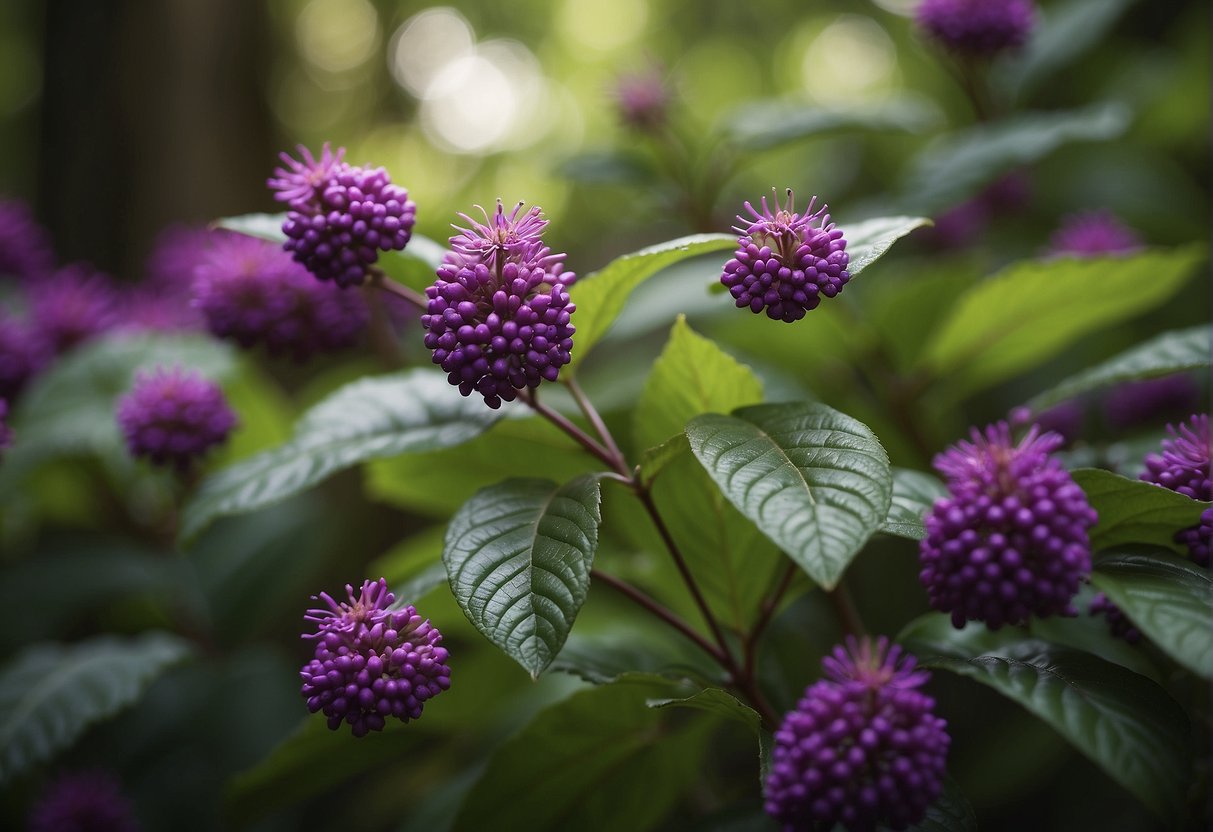
Beautyberry is a deciduous shrub that produces clusters of bright purple berries in the fall. These berries are a favorite of birds and other wildlife, making beautyberry a popular choice for wildlife gardens. The plant is also valued for its ornamental qualities, with its bright green leaves and vibrant purple berries adding color to the landscape.
Species Overview
There are two main species of beautyberry: American beautyberry (Callicarpa americana) and Japanese beautyberry (Callicarpa dichotoma). American beautyberry is native to the southeastern United States, while Japanese beautyberry is native to China, Japan, and Korea. Both species produce clusters of purple berries in the fall, but American beautyberry tends to have larger berries and a more sprawling growth habit.
Native Habitats
American beautyberry is native to the southeastern United States, where it can be found in a variety of habitats, including woodlands, savannas, and along the edges of streams and swamps. It is most commonly found in Florida and Texas, but can also be found as far north as Maryland and as far west as Oklahoma.
Japanese beautyberry is not native to North America, but has been introduced as an ornamental plant. It is commonly grown in gardens and parks throughout the United States, particularly in the southeastern states.
Overall, beautyberry is a beautiful and useful plant that can add color and wildlife value to your landscape. Whether you choose American beautyberry or Japanese beautyberry, you are sure to enjoy the vibrant purple berries and ornamental qualities of this unique shrub.
Botanical Characteristics
Plant Description
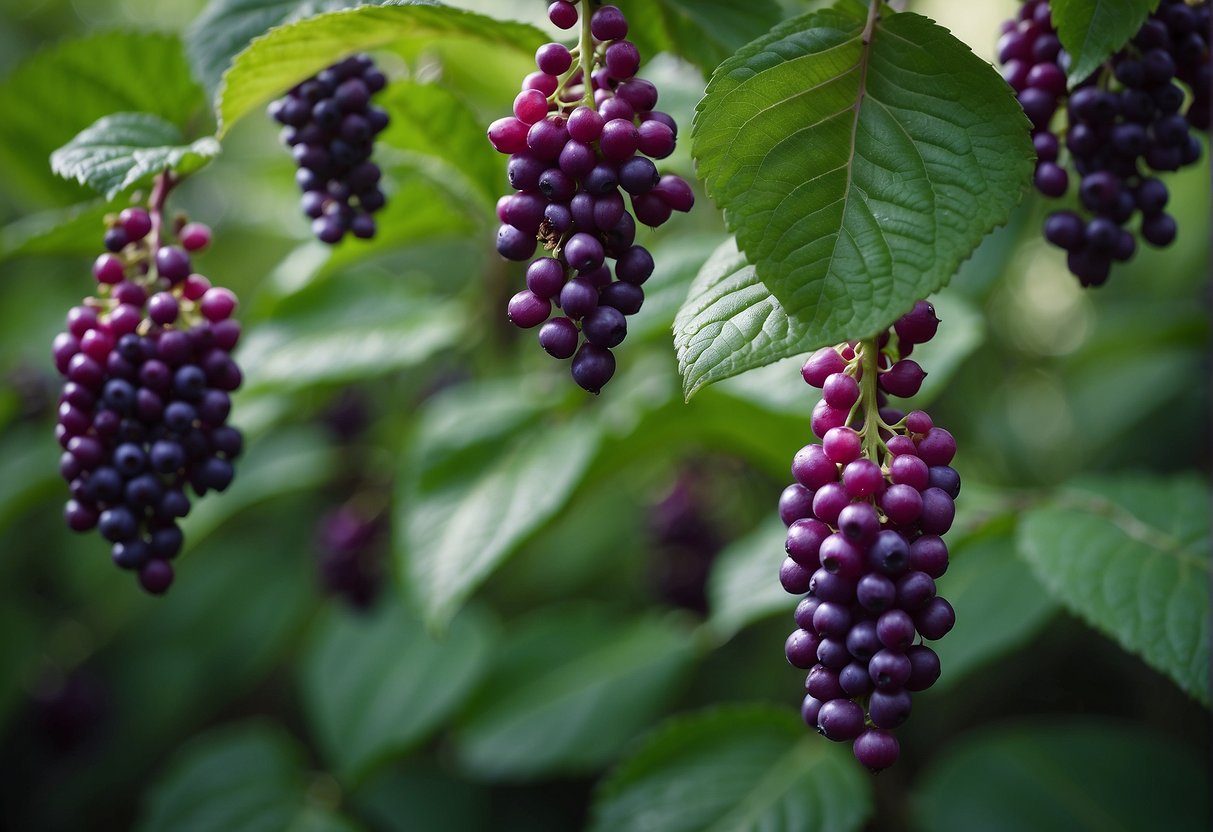
Beautyberry is a deciduous shrub that belongs to the mint family. It is native to the southeastern United States but can be found in other parts of the country as well. The shrub can grow up to 6 feet tall and wide, with arching branches that give it a graceful appearance. Beautyberry is known for its bright purple berries, which are produced in clusters along the branches.
Deciduous Nature
As a deciduous shrub, beautyberry sheds its leaves in the fall and remains dormant during the winter months. In the spring, new leaves emerge from the branches, and the shrub begins to grow again. This cycle continues throughout the year, with the shrub producing flowers in the summer and berries in the fall.
Foliage Details
Beautyberry has green leaves that are light green in color and have a slightly fuzzy texture. The leaves are about 3-5 inches long and have a pointed oval shape. In the summer, the shrub produces small pink, white, or lilac flowers that grow in clusters along the branches. These flowers are followed by bright purple berries in the fall, which are the most distinctive feature of the shrub.
Overall, beautyberry is a woody shrub that is easy to grow and maintain. Its arching branches and bright purple berries make it a popular choice for landscaping and garden design. Whether you are looking for a pop of color in your yard or want to attract birds and other wildlife, beautyberry is a great option to consider.
Planting Beautyberry
If you’re interested in growing beautyberry in your garden, it’s important to choose the right location, prepare the soil properly, and use the right planting techniques. Here are some tips to help you get started.
Choosing the Right Location
Beautyberry plants prefer full sun to partial shade, so choose a spot in your garden that gets at least six hours of sunlight per day. The soil should be moist and well-drained, and the pH level should be between 5.5 and 6.5. If you have clay soil, you’ll need to amend it with organic matter to improve drainage and aeration.
Soil Preparation
Before planting beautyberry, prepare the soil by removing any weeds or grass and adding compost or well-rotted manure. This will help improve soil structure and fertility, which will in turn help your beautyberry plants grow strong and healthy.
Planting Techniques
When planting beautyberry, dig a hole that is twice as wide and just as deep as the root ball. Gently remove the plant from its container, loosen any tangled roots, and place the plant in the hole. Backfill the hole with soil, firming it down gently with your hands. Water the plant thoroughly and mulch around the base to help retain moisture and suppress weeds.
By following these tips, you can successfully plant beautyberry in your garden and enjoy its beautiful foliage and berries for years to come.
Caring for Beautyberry
If you want to keep your beautyberry looking healthy and vibrant, it’s important to take good care of it. Here are some tips on how to keep your beautyberry happy and thriving.
Watering Requirements
Beautyberry plants generally prefer well-drained soil that is kept consistently moist. During the hot summer months, it’s important to make sure your beautyberry is getting enough water. If you live in an area with frequent droughts, you may need to water your plant more often to prevent it from drying out.
Fertilization and Soil Health
Beautyberry plants don’t require a lot of fertilizer, but a light application of balanced fertilizer in the spring can help promote healthy growth. It’s also important to make sure your soil is healthy and well-draining. If your soil is heavy or clay-like, consider adding some organic matter to improve its texture and drainage.
Pruning and Maintenance
Beautyberry plants require minimal pruning, but it’s important to remove any dead or damaged branches as soon as you notice them. This will help prevent pest and disease problems from taking hold. You can also prune your beautyberry in the fall or winter to encourage new growth in the spring.
By following these simple tips, you can keep your beautyberry looking beautiful and healthy year-round. With a little bit of maintenance and care, your beautyberry will be the envy of the neighborhood.
Propagation Methods
If you want to propagate beautyberry, you have two main options: growing from seed or cuttings propagation. Both methods have their own advantages and disadvantages, so it’s up to you to decide which one is best for your needs.
Growing from Seed
Growing beautyberry from seed is a relatively straightforward process. First, collect the berries from a mature beautyberry plant in the fall. Make sure to remove any debris or pulp from the berries and then let them dry out for a few days. Next, plant the seeds in a well-draining potting mix and keep the soil moist but not waterlogged. You can also add rooting hormone to the soil to help the seeds germinate.
It’s important to note that beautyberry seeds can take a long time to germinate, sometimes up to several months. Additionally, not all seeds will germinate, so it’s a good idea to plant several seeds to increase your chances of success.
Cuttings Propagation
Another option for propagating beautyberry is through cuttings. Softwood cuttings taken in the early summer tend to root well. To take a cutting, select a stem that is about 6 inches long and has several leaves. Remove the leaves from the bottom 2 inches of the stem and dip the cut end in rooting hormone. Then, plant the cutting in a well-draining potting mix and keep the soil moist but not waterlogged.
It’s important to keep the cutting in a warm, humid environment until it roots. You can achieve this by covering the cutting with a plastic bag or placing it in a greenhouse. Once the cutting has rooted, you can transplant it to a larger pot or directly into the ground.
Overall, both methods of propagation can be successful with the right care and attention. Whether you choose to grow from seed or take cuttings, beautyberry is a beautiful and low-maintenance addition to any garden.
Beautyberry Through the Seasons
Beautyberry is a stunning deciduous shrub that offers year-round interest in your garden. Here’s a breakdown of how to care for it through the seasons:
Spring and Summer Care
In the spring, beautyberry begins to wake up from its winter dormancy and produces small pink flowers. These flowers are not particularly showy, but they are a welcome sign that the shrub is coming back to life. During the summer, beautyberry requires regular watering to keep its soil moist. It also benefits from a light application of fertilizer in the early summer to encourage healthy growth.
Autumnal Beauty
Come October, beautyberry really shines. It produces clusters of bright purple berries that are a stunning contrast against its green foliage. These berries are a favorite of birds, so if you want to enjoy them for yourself, you’ll need to act fast. The foliage of beautyberry also begins to change in the fall, turning shades of yellow and orange before dropping off for the winter.
Winter Interest
Even after the leaves have fallen, beautyberry still has something to offer. The shrub’s bare branches are striking against a snowy backdrop, and the remaining purple berries add a pop of color to an otherwise muted landscape. Beautyberry is also a great choice for winter interest because it is very low maintenance during this time of year. Just make sure to give it a good pruning in late winter or early spring to keep it looking its best.
Overall, beautyberry is a great addition to any garden if you’re looking for year-round interest. Its beautiful foliage, stunning purple berries, and low maintenance requirements make it a must-have for any gardener.
Wildlife and Ecology
If you’re looking to attract wildlife to your garden, beautyberry is an excellent choice. The bright purple berries that grow on the plant are a favorite of birds, including the American robin and mockingbird, as well as butterflies and bees. In fact, beautyberry is often referred to as a “butterfly magnet” due to the number of species it attracts.
Attracting Birds and Butterflies
Beautyberry is an important source of food for birds, providing them with the nutrients they need to survive. The berries are high in fat and protein, making them an excellent source of energy. In addition to attracting birds, beautyberry is also a favorite of butterflies. The plant’s nectar-rich flowers provide a valuable food source for a variety of butterfly species.
Pest and Disease Resistance
Beautyberry is known for its pest and disease resistance, making it a low-maintenance plant that is easy to care for. The plant’s leaves are toxic to deer, making it a great choice for gardens that are frequently visited by these animals. Armadillos and other pests are also less likely to damage beautyberry plants.
While beautyberry is generally a hardy and disease-resistant plant, it can be susceptible to a few common pests and diseases. Some of the most common problems include scale insects, spider mites, and leaf spot. However, these issues are usually easy to manage with proper care and maintenance.
Overall, beautyberry is an excellent choice for gardeners who are looking to attract wildlife to their yard. With its vibrant purple berries and nectar-rich flowers, this plant is sure to bring a variety of birds, butterflies, and other pollinators to your garden. Plus, its pest and disease resistance make it a low-maintenance option that is easy to care for.
Landscape Design with Beautyberry
If you’re looking to add a pop of color and interest to your garden or border, beautyberry is a great option. With its vibrant purple berries that last well into the fall, beautyberry can add a unique touch to your landscape design. Here are some tips for incorporating beautyberry into your garden:
Using Beautyberry in Your Garden
Beautyberry is a great choice for adding height to your garden. It can grow up to 6 feet tall, so it’s perfect for filling in the back of a border or creating a natural screen. Beautyberry also works well as a standalone focal point, especially when planted in groups.
When choosing a cultivar of beautyberry, consider the height and spread of the plant. Some cultivars, like ‘Lactea’, have a more compact growth habit, making them better suited for smaller gardens or containers. Others, like the American beautyberry, can spread quite wide, so be sure to give them plenty of space to grow.
Companion Plants and Borders
When designing your garden or border, consider pairing beautyberry with other plants that complement its unique color and texture. Some great companion plants for beautyberry include hydrangeas, ferns, and hostas. These plants have a similar shade tolerance and can create a lush, layered look in your garden.
When it comes to borders, beautyberry can work well as a natural barrier. Its thorny branches can help keep out unwanted visitors, while its vibrant color can add a touch of beauty to your property line. Consider pairing beautyberry with other native plants, like French mulberry, to create a cohesive and sustainable border.
With its unique color and texture, beautyberry is a great addition to any landscape design. Whether you’re looking to add height to your garden or create a natural border, beautyberry is a versatile and beautiful option.
Regional Considerations
Adaptability Across Climates
Beautyberry is a versatile plant that can adapt to a wide range of climates. It can tolerate both cold and heat, making it a suitable choice for gardens in both northern and southern regions. However, it is important to note that the plant prefers well-draining soil and can suffer from root rot in areas with high humidity.
If you live in a region with harsh winters, it is recommended to plant beautyberry in a location with some protection from the wind. Additionally, the plant can tolerate drought conditions but will thrive in areas with consistent rainfall.
State-Specific Advice
If you live in California, beautyberry is a great choice for your garden. The plant is well-suited to the state’s Mediterranean climate and will thrive in areas with mild winters and dry summers. However, it is important to note that the plant may not perform well in areas with high humidity.
In Hawaii, beautyberry can be grown in areas with partial shade. The plant prefers well-draining soil and can tolerate drought conditions. However, it is important to note that the plant may not perform well in areas with high humidity.
If you live in Alaska, beautyberry can be grown in areas with full sun to part shade. The plant is hardy and can tolerate cold temperatures, making it a suitable choice for gardens in the state’s northern regions.
In the Southeastern United States, beautyberry is a popular choice for gardens. The plant is well-suited to the region’s hot and humid climate and can tolerate drought conditions. However, it is important to note that the plant may not perform well in areas with poor drainage.
Overall, beautyberry is a hardy and adaptable plant that can thrive in a variety of climates. By following the above state-specific advice and providing the plant with the proper growing conditions, you can enjoy its beautiful purple berries in your garden.
Frequently Asked Questions
What regions are ideal for cultivating beautyberry plants?
Beautyberry plants thrive in warm, humid climates with well-drained soil. They are native to the southeastern United States, but can also be grown in other regions with similar conditions. Some ideal regions for cultivating beautyberry plants include the Gulf Coast, Florida, and parts of the Carolinas.
How can one distinguish edible beautyberry varieties?
Edible beautyberry varieties are typically dark purple in color and have a sweet-tart flavor. They are safe to eat and can be used in a variety of recipes. Non-edible varieties, on the other hand, may have a different color or taste, and can be toxic if ingested. It is important to properly identify the variety of beautyberry before consuming.
When is the optimal planting season for beautyberry bushes?
The optimal planting season for beautyberry bushes is in the spring or fall. This allows the plant to establish its roots before the hot summer months or harsh winter weather. It is important to plant beautyberry bushes in well-drained soil and to provide them with adequate water and sunlight.
Are there any states where beautyberry is considered invasive?
Beautyberry is not considered an invasive species, but it can spread rapidly if not properly maintained. It is important to keep beautyberry plants pruned and to remove any unwanted growth. While it is not considered invasive, it is still important to check with your local government to ensure that beautyberry is not prohibited in your area.
What are the best practices for locating beautyberry plants for purchase?
Beautyberry plants can be found at local nurseries and garden centers, as well as online retailers. It is important to purchase plants from reputable sources to ensure their quality and health. Before purchasing, it is also important to research the specific variety of beautyberry to ensure it is suitable for your region and needs.
Which climates support the growth of American beautyberry?
American beautyberry is native to the southeastern United States and thrives in warm, humid climates with well-drained soil. It can also be grown in other regions with similar conditions. Some ideal regions for growing American beautyberry include the Gulf Coast, Florida, and parts of the Carolinas.

