
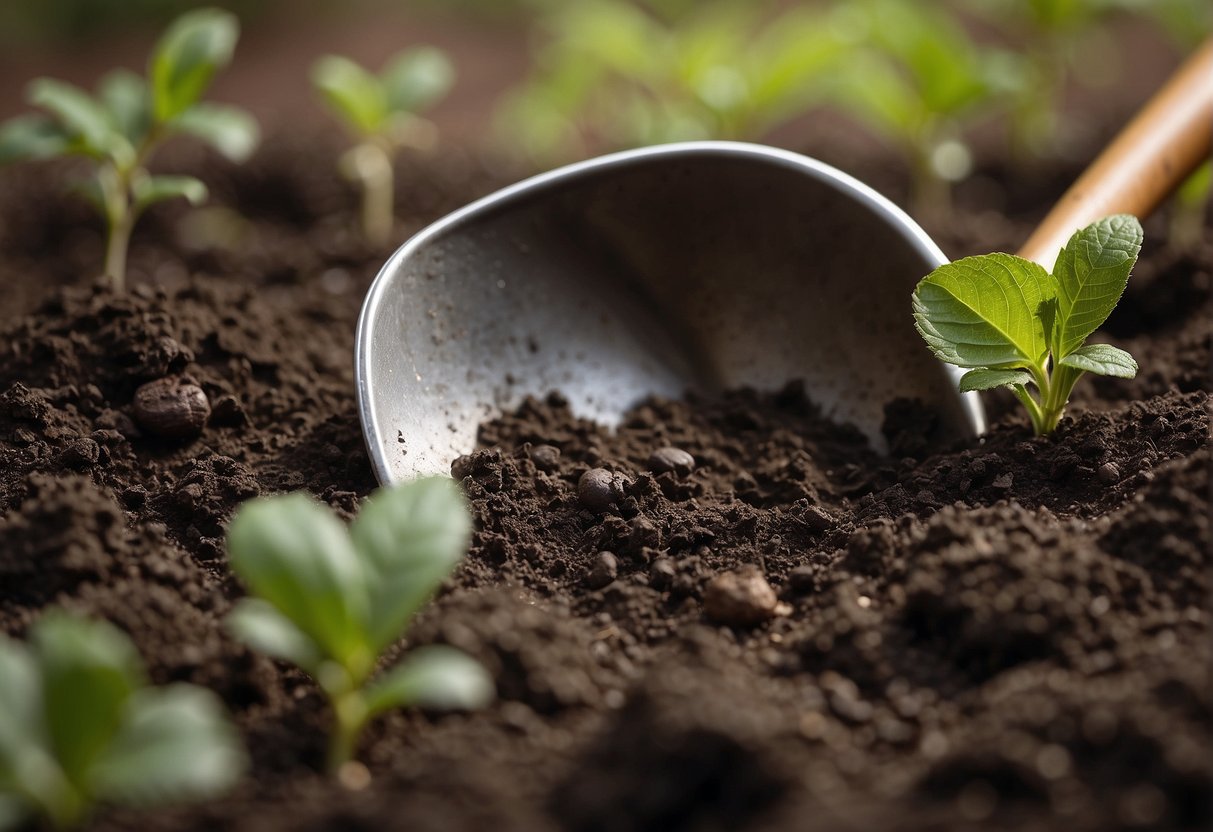
How to Plant Beautyberry: A Step-by-Step Guide
Should you be in search of a vibrant and easy-to-care-for shrub for your garden, consider the beautyberry (Callicarpa spp.). This deciduous shrub is known for its clusters of vivid purple berries that appear in the fall, providing a striking addition to any garden setting. The planting and maintenance of beautyberry are quite straightforward, making it an excellent choice for beginners in gardening.
To get started with planting beautyberry, it’s important to understand the plant’s needs and preferences. Beautyberry prefers well-draining soil that is slightly acidic, and it thrives in partial shade to full sun. Before planting, make sure to prepare the soil by removing any weeds or debris and adding compost or other organic matter to improve soil quality. You’ll also want to choose a location that provides enough space for the shrub to grow, as beautyberry can reach up to 6 feet in height and width.
Key Takeaways
- Beautyberry is a low-maintenance shrub that produces clusters of bright purple berries in the fall.
- To plant beautyberry, prepare the soil by removing weeds and adding compost, and choose a location that provides enough space for the shrub to grow.
- Beautyberry prefers well-draining soil that is slightly acidic, and it thrives in partial shade to full sun.
Understanding Beautyberry
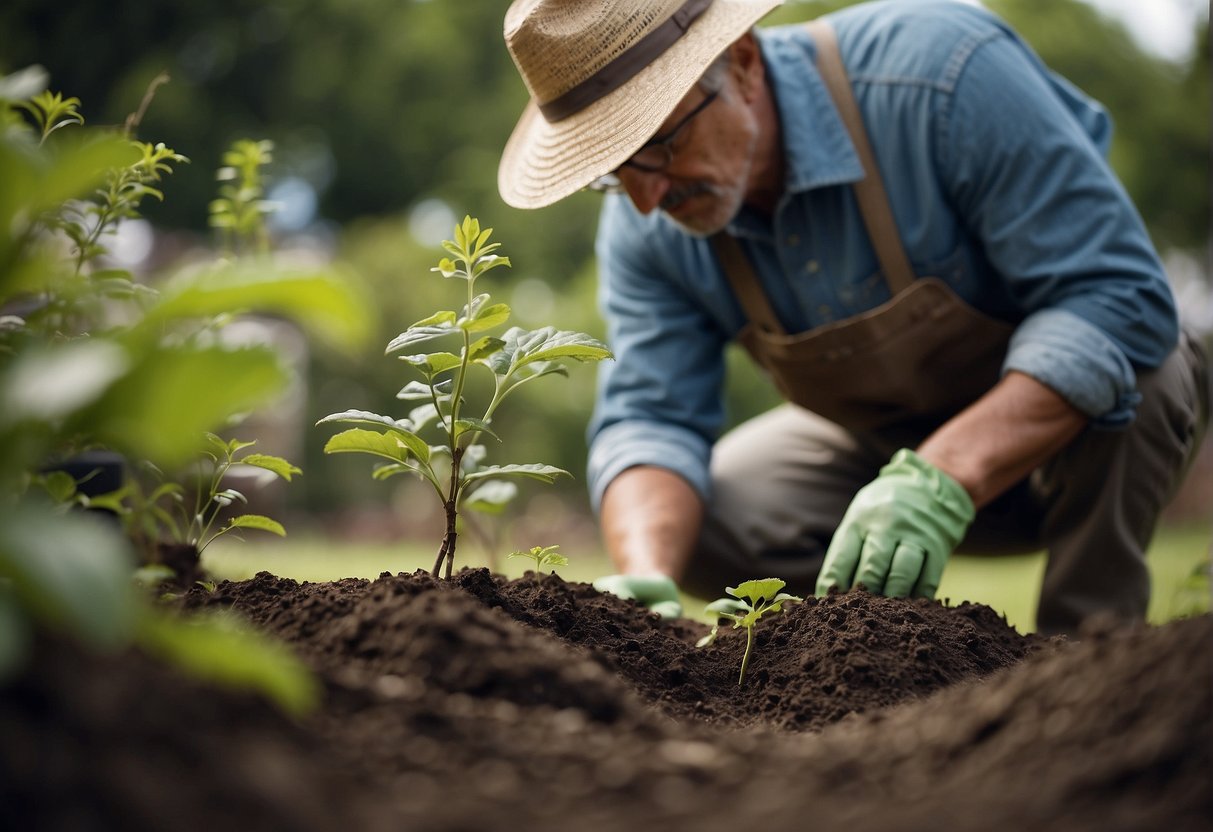
If you are looking to add some color to your garden, beautyberry is an excellent option. This shrub produces vibrant purple berries that are sure to catch your eye. Here’s what you need to know about this plant before you start planting:
Botanical Profile
Beautyberry is a member of the Lamiaceae family and has the botanical name Callicarpa. There are several types of beautyberry, including Callicarpa americana (American beautyberry) and Callicarpa japonica (Japanese beautyberry).
The shrub typically grows to be around 3-6 feet tall and wide. It has green leaves that are around 3-6 inches long and 2-4 inches wide. In the fall, the plant produces clusters of bright purple berries that are around 1/4 inch in diameter.
Native Habitats
Beautyberry is native to North America, specifically the southeastern United States. It can be found growing in wooded areas, along the edges of forests, and in other shady locations.
Varieties and Cultivars
There are several varieties and cultivars of beautyberry available, each with its own unique characteristics. Some popular options include:
- Callicarpa americana ‘Lactea’: This variety produces white berries instead of the typical purple ones.
- Callicarpa americana ‘Welch’s Pink’: This cultivar produces pink berries instead of purple ones.
- Callicarpa japonica ‘Leucocarpa’: This variety produces white berries and has a more compact growth habit than other beautyberry plants.
When selecting a beautyberry plant, consider the size of your garden and the amount of sunlight it receives. Some varieties may be better suited to smaller gardens or shadier locations.
That’s what you need to know to get started with planting beautyberry in your garden. With its vibrant purple berries and easy-to-grow nature, this plant is sure to be a standout in your landscape.
Preparation for Planting
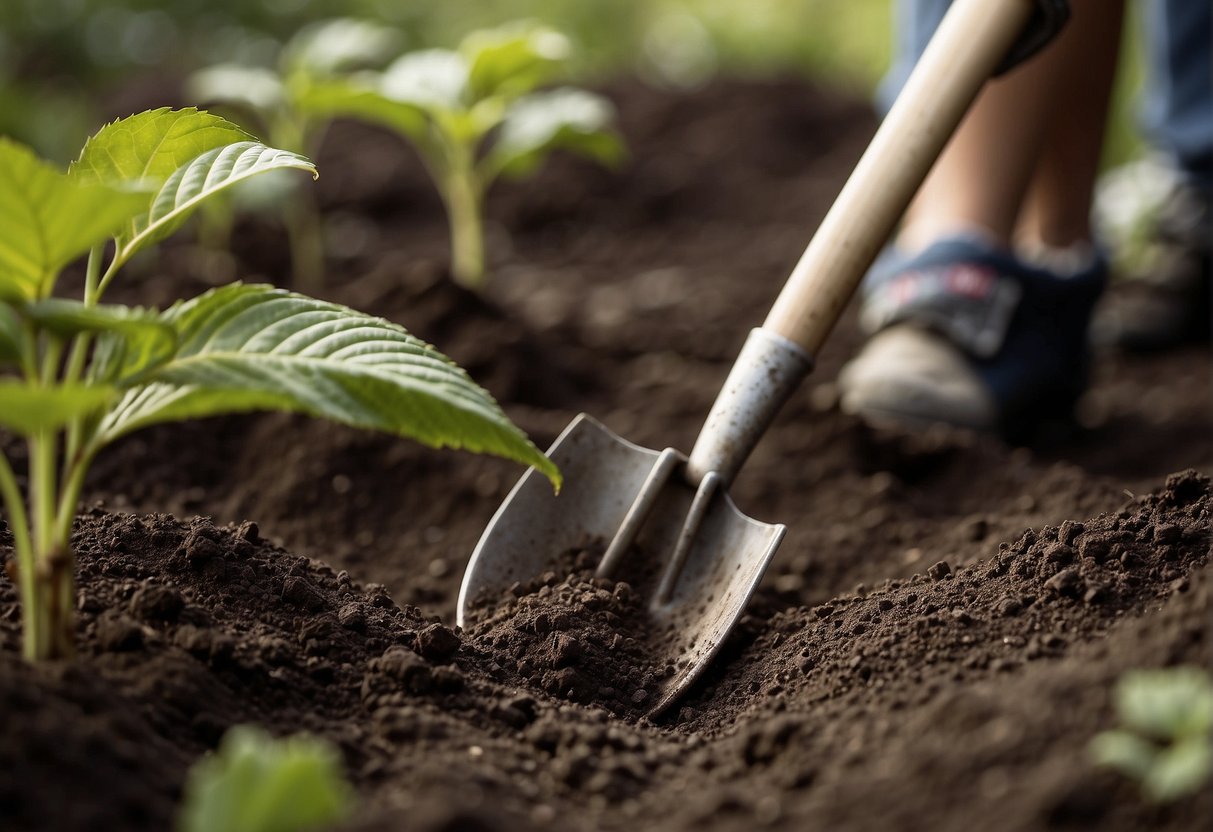
Before planting beautyberry, it is important to properly prepare the planting site. This will help ensure that the plant has the best chance of thriving and producing beautiful berries. Here are some important steps to take when preparing to plant beautyberry:
Selecting the Right Location
The first step in preparing to plant beautyberry is to select the right location. Beautyberry is a hardy plant that can grow in a variety of conditions, but it does have some specific requirements. Beautyberry prefers full sun to partial shade and well-drained soil. It can tolerate a range of soil types and pH levels, but it does best in slightly acidic soil. When selecting a location for your beautyberry plant, choose an area that receives at least 6 hours of sunlight per day and has well-drained soil.
Soil Requirements and Preparation
Beautyberry can grow in a variety of soil types, but it prefers well-drained soil that is slightly acidic. Before planting, it is important to prepare the soil by removing any weeds or debris and loosening the soil to a depth of at least 12 inches. If your soil is heavy or clay-like, you may want to amend it with organic matter such as compost or peat moss to improve drainage and fertility. You can also perform a soil test to determine the pH level of your soil and adjust it if necessary.
Choosing the Planting Time
The best time to plant beautyberry is in the spring or fall when temperatures are mild and there is adequate moisture in the soil. In warmer climates, fall planting is preferred to allow the plant to establish roots before the hot summer months. When planting, be sure to dig a hole that is slightly larger than the root ball of the plant and place the plant at the same depth as it was in its container. Water the plant thoroughly after planting and keep the soil moist but not waterlogged until the plant becomes established.
By following these simple steps, you can prepare your planting site for beautyberry and ensure that your plant has the best chance of thriving and producing beautiful berries.
Planting Process
Planting beautyberry is an easy process that can be done through direct seeding or transplanting young shrubs. Before planting, ensure that the soil is well-drained and well-draining to avoid waterlogging. Here are the steps to follow for each method:
Direct Seeding
- Start by preparing the seedbed. Loosen the soil to a depth of about 6 inches and remove any weeds, rocks, or debris.
- Sow the beautyberry seeds at a depth of about 1/4 inch and space them about 2 feet apart.
- Cover the seeds lightly with soil and water them gently. Keep the soil moist but not waterlogged.
- Germination should occur within 2-3 weeks. Once the seedlings are about 3 inches tall, thin them out to space them about 4 feet apart.
Transplanting Young Shrubs
- Select a well-drained location with partial shade for transplanting the young beautyberry shrubs.
- Dig a hole that is twice the size of the root ball and add some compost or organic matter to the soil.
- Gently remove the shrub from its container and loosen the roots if they are tightly packed.
- Place the shrub in the hole and backfill with soil, firming it gently around the roots.
- Water the shrub thoroughly and add a layer of mulch around the base to retain moisture.
Remember to water the beautyberry regularly during the first growing season to establish a healthy root system. Once established, beautyberry is a low-maintenance shrub that requires little watering or pruning.
Beautyberry Care and Maintenance
When it comes to planting beautyberry, proper care and maintenance are crucial for the plant’s growth and health. Here are some tips to help you keep your beautyberry thriving:
Watering and Moisture Management
Beautyberry plants require consistent moisture, especially during the growing season. Water the plant deeply once a week and ensure that the soil is evenly moist. Avoid overwatering, as this can lead to root rot.
Fertilizing and Nutrient Requirements
Fertilize your beautyberry plant once a year in the early spring with a balanced fertilizer. This will help provide the plant with the necessary nutrients for healthy growth. Additionally, you can add compost to the soil to improve its fertility.
Pruning and Shaping
Pruning is an essential part of beautyberry care and maintenance. Prune the plant in late winter or early spring to remove any dead or damaged branches. Additionally, you can shape the plant to your desired form by pruning it to the desired shape.
Pest and Disease Control
Beautyberry plants are generally resistant to pests and diseases. However, they can still be affected by common garden pests such as aphids and spider mites. Regularly inspect your plant for any signs of infestation and treat them promptly with insecticidal soap if necessary.
In conclusion, with proper care and maintenance, your beautyberry plant can thrive and provide you with beautiful foliage and berries. By following these tips, you can ensure that your plant remains healthy and vibrant for years to come.
Propagation Techniques
If you want to grow more beautyberry plants, you can propagate them using various methods. In this section, we will discuss two common propagation techniques: growing from seeds and cuttings/division.
Growing from Seeds
One way to propagate beautyberry is by growing them from seeds. You can collect the seeds from mature berries in the fall and plant them in the spring. Here are the steps to follow:
- Collect ripe berries in the fall and extract the seeds.
- Clean the seeds by washing them with water and removing any pulp or debris.
- Soak the seeds in water for 24 hours to help with germination.
- Plant the seeds in a well-draining soil mix, covering them with a thin layer of soil.
- Water the soil and keep it moist, but not waterlogged.
- Place the pot in a warm, bright location, but out of direct sunlight.
- Germination should occur within 2-3 weeks.
Cuttings and Division
Another way to propagate beautyberry is by taking cuttings or dividing the plant. This method is best done in the spring or early summer when the plant is producing new growth. Here are the steps to follow:
- Take a softwood cutting from the plant, making sure it is at least 4 inches long and has several leaves.
- Dip the cut end in rooting hormone and plant it in a well-draining soil mix.
- Water the soil and keep it moist, but not waterlogged.
- Place the pot in a warm, bright location, but out of direct sunlight.
- Rooting should occur within 2-3 weeks.
Alternatively, you can divide an established beautyberry plant by digging up the root ball and separating it into smaller sections. Each section should have several stems and roots. Replant the sections in well-draining soil and water them thoroughly.
With these propagation techniques, you can easily grow more beautyberry plants to enjoy in your garden.
Beautyberry Throughout the Seasons
Beautyberry is a deciduous shrub that offers year-round interest in the garden. From its spring awakening to its winter dormancy, beautyberry provides a variety of colors and textures throughout the seasons.
Spring Awakening
In spring, beautyberry produces small, pink or white flowers that bloom along its arching branches. These flowers attract pollinators and set the stage for the plant’s summer growth and blooming.
Summer Growth and Blooms
During the summer months, beautyberry grows rapidly and produces lush green leaves. In August and September, the plant produces clusters of small, pink or white flowers that are loved by bees and other pollinators. These flowers give way to the plant’s signature purple berries, which ripen in October and persist through fall.
Autumn Berries and Foliage
As fall approaches, beautyberry’s foliage color changes to a vibrant yellow or gold, providing a stunning backdrop for its clusters of purple berries. These berries are a valuable food source for birds and other wildlife, making beautyberry an excellent choice for wildlife gardens.
Winter Dormancy
In winter, beautyberry’s leaves fall and the plant goes dormant. However, its striking branches and clusters of purple berries still provide visual interest in the garden, especially when covered in a light dusting of snow.
With its arching branches, stunning foliage, and vibrant purple berries, beautyberry is a must-have for any garden. Whether you’re looking to attract wildlife or simply add a pop of color to your landscape, this versatile shrub is sure to impress.
Beautyberry in the Ecosystem
When it comes to planting beautyberry, it’s important to consider the impact it has on the ecosystem. This plant is not only beautiful but also provides numerous benefits to the environment.
Attracting Wildlife
Beautyberry is known for attracting a variety of wildlife, including birds, foxes, and raccoons. The bright purple berries are a favorite of many bird species, making beautyberry an excellent choice for birdwatchers. Additionally, the plant’s dense foliage provides shelter and nesting sites for birds and small animals.
Ecological Benefits
Beautyberry also provides numerous ecological benefits. The plant’s leaves contain compounds that repel mosquitoes, making it a natural alternative to chemical insecticides. This is especially important as mosquitoes are not only a nuisance but can also transmit diseases.
In addition, beautyberry is a valuable source of food for many wildlife species. The plant’s berries are high in nutrients and can help sustain wildlife during the winter months when food is scarce.
Overall, planting beautyberry is a great way to enhance the beauty of your landscape while also benefiting the environment. By attracting wildlife and providing ecological benefits, this plant is a valuable addition to any garden.
Landscape Design with Beautyberry
Beautyberry is a beautiful and hardy plant that can add color and texture to your landscape design. Here are some tips on how to incorporate beautyberry into your garden themes and companion planting.
Incorporating into Garden Themes
Beautyberry is a versatile plant that can fit into many garden themes. Its bright purple berries add a pop of color to any garden, and its long bloom time ensures that it will be a focal point for months. Beautyberry is also drought-tolerant, making it a great addition to xeriscapes and other dry gardens.
For a more natural look, consider planting beautyberry in a woodland garden. Its native American mulberry counterpart can be found growing in the wild, and beautyberry can add a touch of elegance to this rustic setting. Beautyberry also works well in cottage gardens, where its white fruit and hardy nature can complement other classic plants.
Companion Planting
Beautyberry is a great companion plant for a variety of reasons. Its leaves and stems have been known to repel mosquitoes, making it a great addition to outdoor living spaces. It also attracts birds and other wildlife, adding life and movement to your garden.
When choosing companion plants for beautyberry, consider plants that can tolerate sandy soil and have a similar width. Some great options include lantana, senna, and dwarf crepe myrtle. Avoid planting beautyberry near plants that are susceptible to black mold, as this can be a problem in humid climates.
In conclusion, beautyberry is a great addition to any landscape or garden. With its hardy nature and bright purple berries, it’s sure to be a focal point for months to come. Incorporate it into your garden themes and companion planting for a beautiful and functional design.
Frequently Asked Questions
What is the best method for planting beautyberry from seed?
The best method for planting beautyberry from seed is to start the seeds indoors in early spring. Fill a seed tray with seed-starting mix and place the seeds on top. Cover lightly with soil, and keep the soil moist. Once the seedlings have developed two or three leaves, they can be transplanted into larger containers or directly into the ground.
What are the considerations for growing beautyberry in containers?
When growing beautyberry in containers, it is important to choose a container that is large enough to accommodate the root system of the plant. Use a well-draining potting mix and make sure the container has drainage holes. Water the plant regularly, and fertilize with a balanced fertilizer during the growing season.
Which climate zones are suitable for cultivating beautyberry?
Beautyberry is native to the southeastern United States and is best suited for growing in USDA hardiness zones 6 through 10. It prefers partial shade and well-draining soil.
How can I ensure successful transplantation of a beautyberry bush?
To ensure successful transplantation of a beautyberry bush, dig a hole that is twice the size of the root ball. Mix in some compost or other organic matter with the soil, and water the plant thoroughly after planting. Mulch around the base of the plant to help retain moisture.
What spacing requirements are there for planting beautyberry?
When planting beautyberry, space the plants 4 to 6 feet apart to allow for their mature size. This will also allow for good air circulation around the plants, which can help prevent disease.
Are there any special care instructions for maintaining a healthy beautyberry plant?
Beautyberry is a low-maintenance plant and requires little care once established. Water the plant during dry spells, and fertilize with a balanced fertilizer during the growing season. Prune the plant in late winter or early spring to remove any dead or damaged wood.

