
What Climate Do Yucca Plants Prefer?
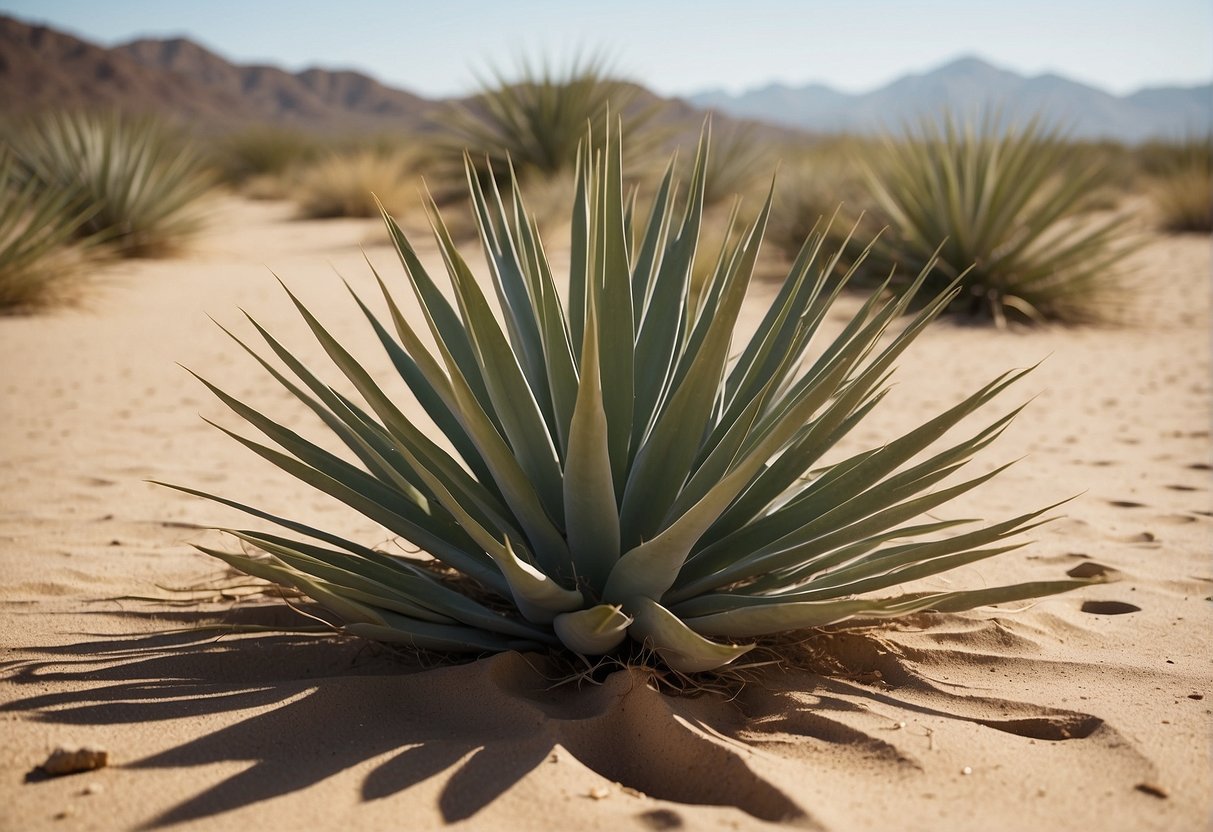
Yucca plants have gained popularity among gardening enthusiasts and landscape designers for their distinctive look and ability to withstand dry conditions. Nonetheless, the key to successfully growing these plants lies in knowing the type of climate they flourish in. Originating from the dry areas of North and Central America, Yucca plants are best suited to a hot and arid climate.
Yucca plants are adapted to survive in harsh desert conditions, and as a result, they require well-draining soil and plenty of sunlight. These plants are commonly found in areas with low humidity and high temperatures, such as the southwestern United States and Mexico. However, they can also be grown in other regions with similar climates, such as parts of Australia and the Mediterranean.
Key Takeaways
- Yucca plants prefer a dry and hot climate with low humidity.
- These plants are native to arid regions of North and Central America.
- Yucca plants require well-draining soil and plenty of sunlight to thrive.
Yucca Plant Characteristics
Yucca plants are a popular choice for landscaping due to their hardy nature and ornamental value. They are a type of succulent that can be found in a variety of colors and sizes, and are often used to add texture and interest to garden design. In this section, we will explore some of the key characteristics of yucca plants.
Species and Varieties
There are many different species and varieties of yucca plants, each with their own unique characteristics. Some of the most common yucca species include the Yucca filamentosa, Yucca elephantipes, Yucca aloifolia, Yucca gloriosa, and Yucca brevifolia. These plants can range in size from small shrubs to towering trees.
One popular variety of yucca is the Spanish bayonet, also known as the Spanish dagger. This plant is known for its long, sword-like leaves and white flowers that bloom on tall spikes. Another popular variety is the Color Guard, which features variegated foliage in shades of green, white, and yellow.
Physical Attributes
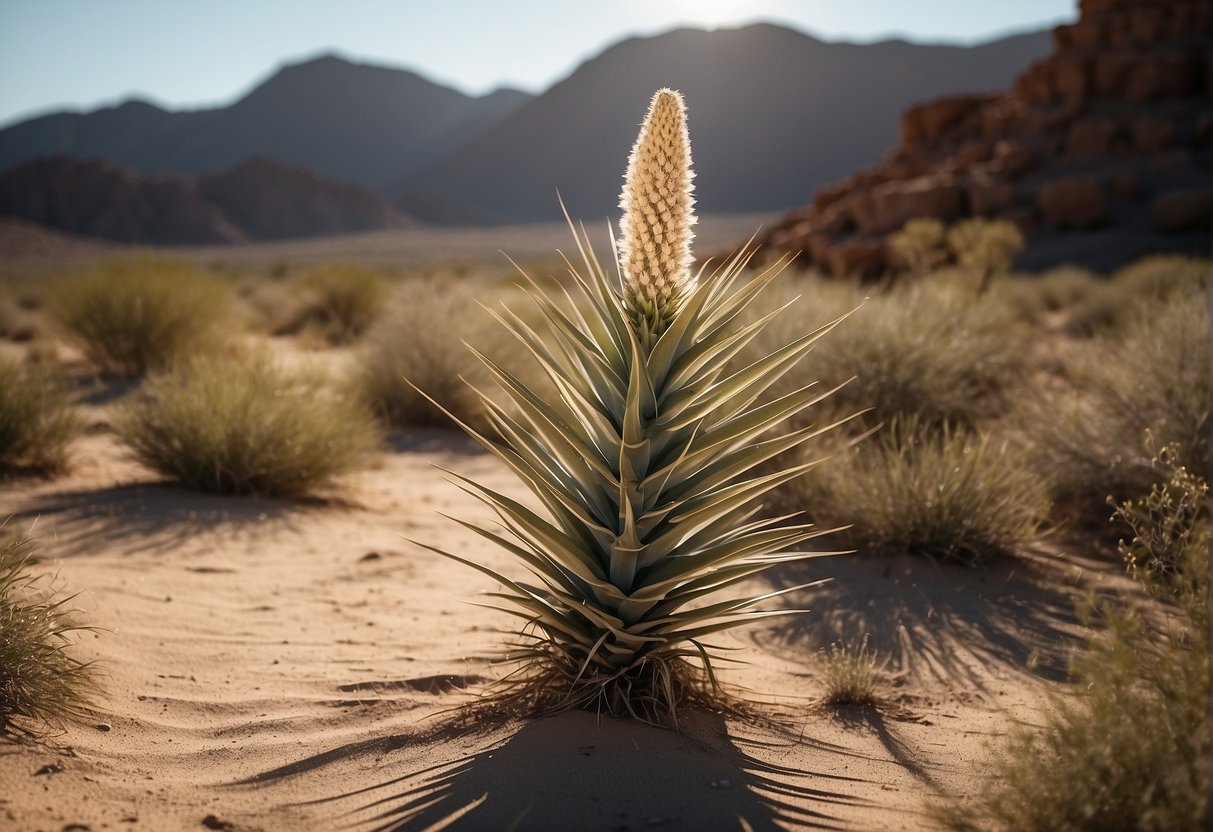
Yucca plants are known for their distinctive rosette form, with leaves that grow in a circular pattern around a central stem. The leaves themselves are typically long and narrow, with a sword-shaped appearance. They can range in color from blue-green to green to cream, and some varieties even feature variegated foliage.
One of the most striking features of yucca plants is their flowering spikes. These spikes can grow up to several feet tall and are covered in clusters of white flowers. The flowers themselves are typically bell-shaped and have long, white filaments that add to their ornamental value.
Overall, yucca plants are a versatile and attractive addition to any garden or landscape. With their hardy nature and wide range of sizes and colors, there is a yucca variety to suit almost any design aesthetic.
Cultivation and Care
Yucca plants are relatively easy to care for and can thrive in a variety of climates. In this section, we will cover the key factors to consider when cultivating and caring for yucca plants.
Climate and Hardiness Zones
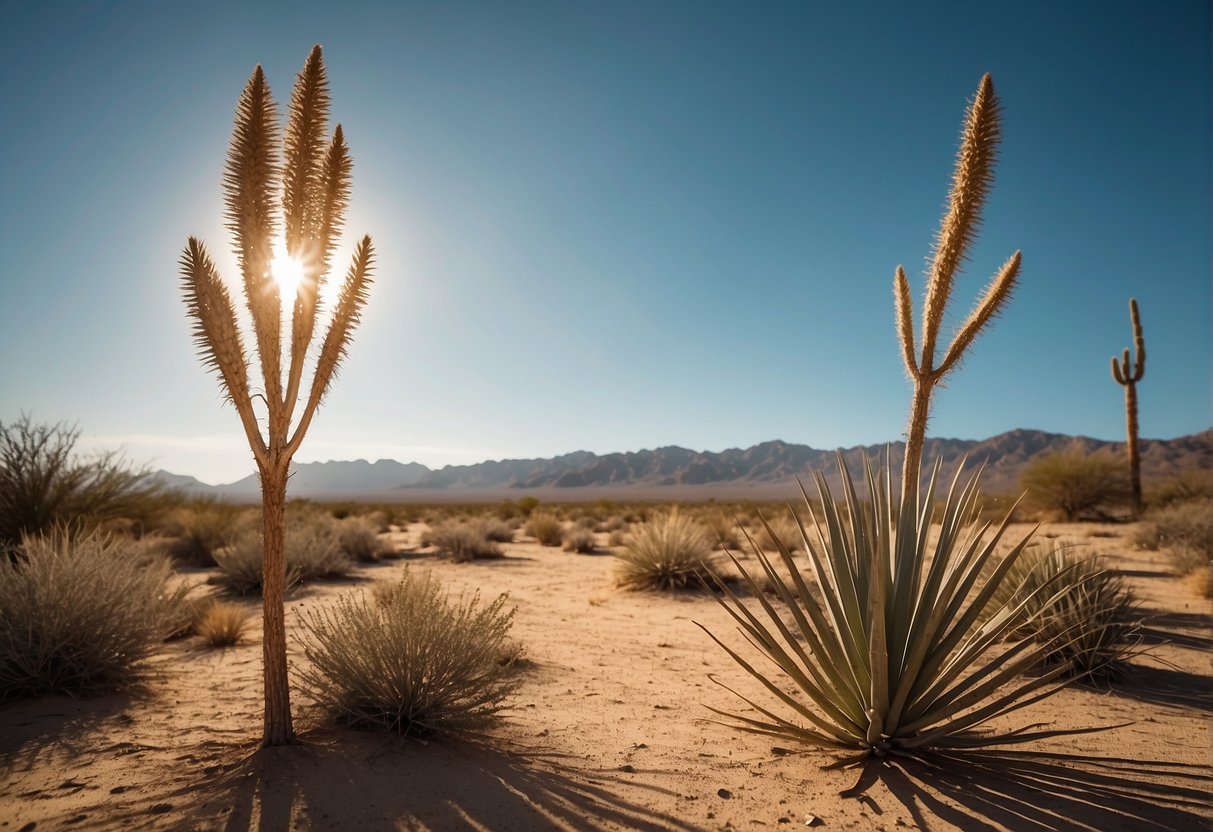
Yucca plants are native to arid desert regions, and as such, they are well-suited to hot, dry climates. They can tolerate a wide range of temperatures, from below freezing to over 100°F. However, they are most commonly found in hardiness zones 6-11.
Planting and Soil Requirements
When planting yucca plants, it is important to choose a well-draining soil. Sandy soil is ideal, as it allows for good drainage and prevents water from pooling around the roots. Yucca plants are also drought-tolerant, so they do not require frequent watering.
Watering and Maintenance
While yucca plants are drought-tolerant, they still require some watering to thrive. Water your yucca plant deeply once a week during the growing season, and reduce watering during the winter months. Overwatering can lead to root rot, so be sure to allow the soil to dry out between waterings. Yucca plants are also low-maintenance and do not require much fertilizer.
Propagation and Pruning
Yucca plants can be propagated from seed, cuttings, or root cuttings. To propagate from cuttings, simply cut off a stem and plant it in well-draining soil. Yucca plants do not require much pruning, but you can remove dead or damaged leaves as needed.
In summary, yucca plants are a great addition to any garden and are relatively easy to care for. They thrive in hot, dry climates and require well-draining soil and minimal watering. With proper care and maintenance, your yucca plant will thrive for years to come.
Frequently Asked Questions
What are the optimal growing conditions for yucca plants?
Yucca plants thrive in hot, arid climates with well-draining soil. They prefer full sun exposure and can tolerate drought conditions. Yucca plants grow best in USDA Hardiness Zones 5-11.
How do yucca plants adapt to different climates?
Yucca plants are adaptable to a wide range of climates. They have evolved to survive in harsh desert environments, but can also grow in more temperate regions with adequate sunlight and well-draining soil.
What is the temperature range for cultivating yucca plants outdoors?
Yucca plants can tolerate a wide range of temperatures, but typically prefer warmer temperatures between 60-90°F (15-32°C). They can tolerate temperatures as low as 10°F (-12°C) for short periods of time, but prolonged exposure to freezing temperatures can damage or kill the plant.
In what regions can yucca plants survive outdoors year-round?
Yucca plants can survive outdoors year-round in USDA Hardiness Zones 5-11, which include regions in the southern and western United States, Mexico, and parts of Central and South America.
How does winter weather affect yucca plant maintenance?
During the winter months, yucca plants may become dormant and require less water. However, if temperatures drop below freezing, it is important to protect the plant with a cover or move it indoors to prevent damage. In regions with mild winters, yucca plants may continue to grow and require regular maintenance.
What are the best practices for yucca plant care in various climates?
To ensure the health and vitality of your yucca plant, it is important to provide adequate sunlight, well-draining soil, and proper watering. In hot, arid climates, yucca plants may require more frequent watering, while in cooler, more temperate regions, they may require less. It is also important to protect the plant from extreme temperatures and provide regular fertilization to promote healthy growth.

