
Where to Buy Butterfly Milkweed: A Guide to Finding this Native Plant
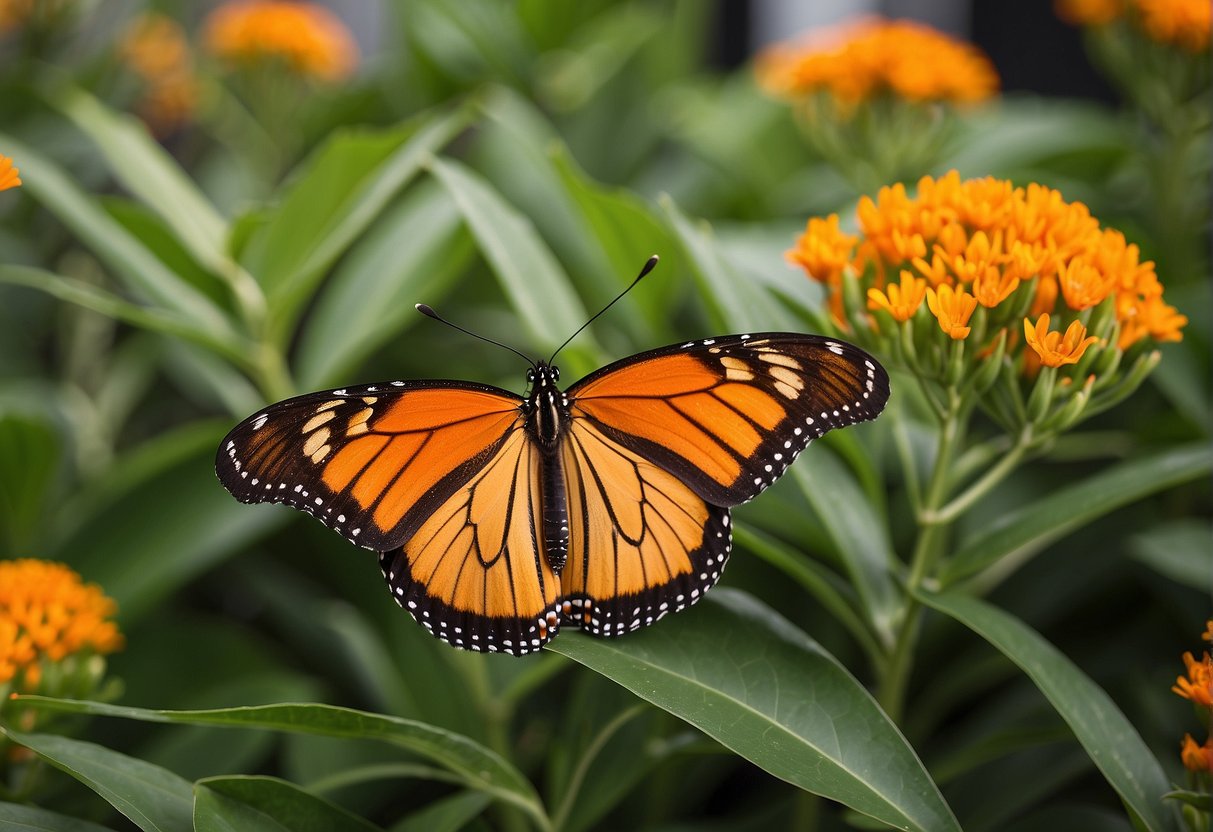
If you aim to draw monarch butterflies toward your garden, it’s essential to include butterfly milkweed (Asclepias tuberosa). This plant is not only a vital food source for the caterpillars of monarch butterflies but also blooms stunning orange flowers that allure the adult butterflies. However, where to find butterfly milkweed for purchase?
Fortunately, butterfly milkweed is a popular plant that can be found at many garden centers and nurseries. You can also purchase seeds online from a variety of retailers. When selecting plants or seeds, it’s important to choose a reputable source to ensure that you’re getting a healthy plant that will thrive in your garden.
If you’re new to gardening or butterfly milkweed specifically, it’s important to understand the basics of cultivation and care to ensure that your plants thrive. Keep reading to learn more about where to purchase butterfly milkweed, selecting the right milkweed variety, and how to care for your plants.
Key Takeaways
- Butterfly milkweed can be purchased at many garden centers and nurseries, as well as online from reputable retailers.
- When selecting plants or seeds, it’s important to choose a healthy variety that will thrive in your garden.
- Proper cultivation and care are important for the health and longevity of your butterfly milkweed plants.
Understanding Butterfly Milkweed
If you’re interested in attracting monarch butterflies to your garden, then butterfly milkweed (Asclepias tuberosa) is a must-have plant. This species of milkweed is native to North America and is a popular choice for butterfly gardens due to its bright orange flowers and ability to support the monarch butterfly life cycle.
Botanical Profile of Asclepias Tuberosa
Butterfly milkweed is a herbaceous perennial plant that grows up to 2-3 feet tall. The plant has narrow, lance-shaped leaves that are arranged alternately along the stem. The flowers are bright orange and are arranged in clusters at the top of the stem. The plant blooms from June to August and produces a seed pod that splits open to release seeds with silky hairs that can be carried by the wind.
Significance to Monarch Butterflies
Monarch butterflies lay their eggs exclusively on milkweed plants, and the butterfly milkweed is one of the preferred species. The leaves of the milkweed plant are the only food source for monarch caterpillars, and the flowers provide nectar for adult butterflies. By planting butterfly milkweed, you can provide a habitat for monarch butterflies and help support their declining population.
Milkweed and Its Importance to Pollinators
Milkweed is an essential plant for many pollinators, not just monarch butterflies. The flowers of milkweed are a rich source of nectar for bees, butterflies, and other insects. Additionally, milkweed is a host plant for many other butterfly species, including the queen butterfly, the grey hairstreak, and the viceroy butterfly.
In conclusion, butterfly milkweed is an attractive and essential plant for any butterfly garden. By planting butterfly milkweed, you can support the monarch butterfly population and provide a habitat for other pollinators.
Where to Purchase Butterfly Milkweed
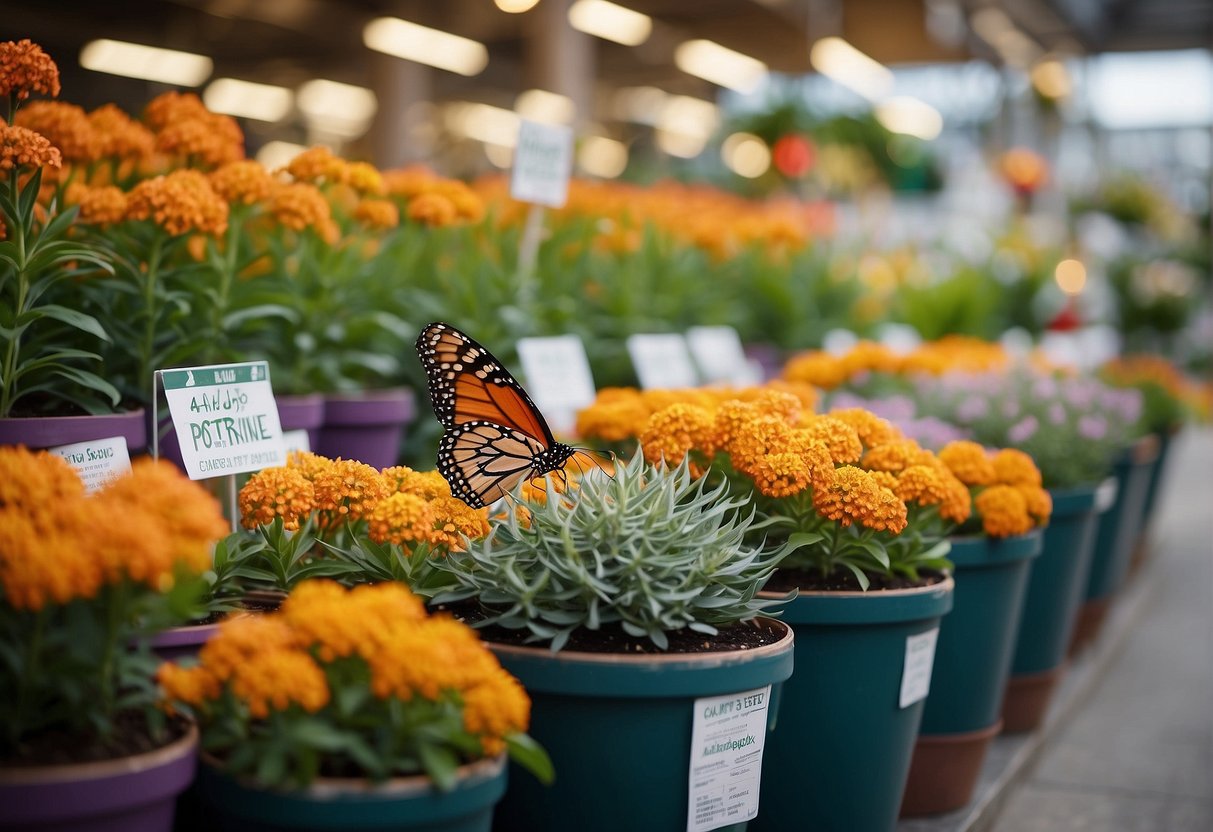
If you are looking to buy butterfly milkweed, there are several options available to you. Here are some of the best places to purchase this native plant.
Local Nurseries and Garden Centers
One of the easiest ways to purchase butterfly milkweed is to visit your local nursery or garden center. These stores often carry a wide variety of native plants, including butterfly milkweed. When you visit a local nursery or garden center, you can also get advice from knowledgeable staff on how to care for your new plant.
Online Retailers and Marketplaces
Another option for purchasing butterfly milkweed is to shop online. There are many online retailers and marketplaces that specialize in native plants, making it easy to find butterfly milkweed and other plants that are well-suited for your region. When shopping online, be sure to read reviews and check the seller’s reputation to ensure that you are getting a quality plant.
Non-Profit Organizations and Conservation Groups
Finally, you may be able to purchase butterfly milkweed from non-profit organizations and conservation groups. These groups often have collections of native plants that they sell to support their conservation efforts. By purchasing from these organizations, you can not only get a beautiful plant for your garden, but also support important conservation work.
No matter where you choose to purchase butterfly milkweed, be sure to choose a reputable seller and follow proper planting and care instructions to ensure that your plant thrives. With a little bit of knowledge and care, you can enjoy the beauty of this important native plant in your own garden.
Selecting the Right Milkweed Variety

If you are looking to attract Monarch butterflies to your garden, then planting milkweed is a must. Milkweed is the only plant that Monarch butterflies lay their eggs on, and it provides essential nectar for adult butterflies. However, with so many milkweed varieties available, it can be challenging to choose the right one. In this section, we will discuss some important considerations when selecting the right milkweed variety.
Native Milkweed vs. Tropical Milkweed
When it comes to milkweed, there are two main types: native and tropical. Native milkweed is a great choice if you want to support local ecosystems and provide habitat for local wildlife. Native milkweed varieties, such as Asclepias incarnata and Asclepias tuberosa, are well adapted to local growing conditions and support a variety of pollinators and other beneficial insects.
Tropical milkweed, on the other hand, is not native to North America and can have negative impacts on local ecosystems. It is known to host a protozoan parasite that can infect Monarch butterflies and cause health problems. Additionally, tropical milkweed does not die back in the winter like native milkweed, which can lead to the spread of disease and parasites.
Understanding USDA Hardiness Zones
Another important consideration when selecting milkweed is your USDA hardiness zone. Milkweed varieties are adapted to different growing conditions, and selecting a variety that is well suited to your climate is essential for success.
For example, Asclepias incarnata is well adapted to wetter climates and can tolerate partial shade, while Asclepias tuberosa prefers drier conditions and full sun. Make sure to research the specific growing requirements of the milkweed variety you are interested in and ensure that it is well suited to your climate.
By selecting the right milkweed variety for your garden, you can help support local ecosystems and provide essential habitat for Monarch butterflies. Remember to choose native milkweed varieties and make sure that they are well adapted to your growing conditions.
Cultivation and Care
Planting Guidelines for Milkweed
When it comes to planting butterfly milkweed, it’s important to keep in mind that it prefers to be sown directly in the ground rather than being transplanted. You can plant butterfly milkweed seeds in the spring or fall, but make sure the soil temperature is at least 70°F (21°C) before planting. The seeds should be sown about 1/4 inch deep and spaced about 18 inches apart.
Soil and Sunlight Requirements
Butterfly milkweed prefers well-drained soils that are not too rich in organic matter. It can tolerate a wide range of soil types, but it’s important that the soil is not waterlogged, as this can lead to root rot. Butterfly milkweed also prefers full sun, so make sure to plant it in a location that receives at least 6 hours of direct sunlight per day.
Watering and Drought Tolerance
Once established, butterfly milkweed is drought tolerant and does not require much watering. In fact, overwatering can be harmful to the plant and can lead to root rot. It’s best to water the plant deeply once a week during dry spells rather than giving it frequent shallow waterings.
Dealing with Pests and Pesticides
Butterfly milkweed is generally pest-free, but it can be susceptible to aphids and spider mites. If you notice an infestation, you can try spraying the plant with a strong stream of water to dislodge the pests. If this doesn’t work, you can use an insecticidal soap or neem oil to control the infestation. It’s important to avoid using pesticides on butterfly milkweed, as they can harm the plant and the butterflies that rely on it for food.
Propagating Butterfly Milkweed
If you’re looking to add butterfly milkweed to your garden, you have a few options for propagating this beautiful plant. Here are some tips for growing butterfly milkweed from seeds.
Seed Stratification and Germination
Butterfly milkweed seeds require a period of cold stratification to germinate successfully. This means that the seeds need to be exposed to cold temperatures for a certain period of time before they will sprout. You can stratify the seeds by placing them in a plastic bag with a damp paper towel and storing them in the refrigerator for four to six weeks.
Once the seeds have been stratified, you can plant them in pots or directly in the ground. Butterfly milkweed seeds should be planted about 1/4 inch deep and spaced about 12 inches apart. Keep the soil moist but not waterlogged, and the seeds should germinate within two to three weeks.
Transplanting Seedlings
Once the seedlings have grown to about 2 inches tall, you can transplant them into your garden. Choose a sunny spot with well-draining soil. Dig a hole that is slightly larger than the root ball of the seedling, and gently place the seedling in the hole. Fill in the hole with soil and water the plant well.
It’s important to note that butterfly milkweed has a taproot that can be easily damaged during transplanting. Be careful not to disturb the taproot when transplanting the seedlings.
You can also purchase butterfly milkweed seed packets from nurseries or online retailers. These seeds have often been pre-stratified, making them easier to germinate. However, it’s important to make sure that the seeds are from a reputable source and have not been treated with pesticides that can harm pollinators.
With a little patience and care, you can enjoy the beauty of butterfly milkweed in your garden and provide a valuable food source for monarch butterflies.
Creating a Butterfly-Friendly Habitat
If you want to attract butterflies to your garden, you need to create a habitat that is welcoming to them. Here are some tips to help you get started.
Designing a Butterfly Garden
When designing a butterfly garden, it’s important to consider the needs of the butterflies. They need a variety of flowers that bloom at different times of the year, as well as a place to rest and bask in the sun. You can create a butterfly garden by planting a variety of flowers, shrubs, and trees that provide nectar and shelter.
Host Plants for Caterpillars
Caterpillars are the larval stage of butterflies, and they need specific host plants to feed on. If you want to attract butterflies to your garden, you need to provide host plants for their caterpillars. Some common host plants include milkweed for monarch butterflies, parsley for black swallowtails, and dill for eastern black swallowtails.
Attracting Other Wildlife
Creating a butterfly-friendly habitat can also attract other wildlife to your garden, such as birds and insects. Birds will be attracted to the flowers and the insects that the flowers attract, while insects such as bees and ladybugs will help pollinate your plants and control pests.
In conclusion, creating a butterfly-friendly habitat requires careful planning and consideration of the needs of the butterflies. By providing a variety of flowers, host plants for caterpillars, and a welcoming environment, you can attract butterflies and other wildlife to your garden.
Conservation and Ethical Considerations
Supporting Monarch Butterfly Survival
Butterfly milkweed (Asclepias tuberosa) is a vital plant for the survival of monarch butterflies. These butterflies rely on milkweeds as the sole food source for their larvae. The decline in milkweed populations has led to a decrease in monarch butterfly populations. By planting butterfly milkweed, you can contribute to the conservation of monarch butterflies.
It is important to note that monarch butterflies migrate from Mexico to North America and back, so it is crucial to plant milkweeds across their entire range. By doing so, you can provide a habitat for monarch butterflies during their journey.
Responsible Gardening Practices
When purchasing butterfly milkweed, it is important to consider ethical and conservation issues. Make sure to buy seeds or plants from a reputable source that does not harm the environment. Avoid purchasing milkweeds that have been collected from the wild, as this can harm natural ecosystems.
Additionally, it is important to practice responsible gardening when planting butterfly milkweed. Avoid using pesticides or herbicides that can harm monarch butterflies and other pollinators. Instead, use natural methods to control pests and weeds.
By practicing responsible gardening, you can help ensure the survival of monarch butterflies and other wildlife.
Frequently Asked Questions
What are the best online stores for purchasing butterfly milkweed?
There are several reputable online stores where you can purchase butterfly milkweed, including Prairie Moon Nursery, American Meadows, and High Country Gardens. Be sure to check the reviews and ratings of the seller before making a purchase.
How can I find butterfly milkweed plants for sale in my local area?
You can check with your local nursery or garden center to see if they carry butterfly milkweed plants. You can also search for native plant sales or events in your area, or contact your local chapter of the Native Plant Society.
When is the optimal time to plant butterfly milkweed?
The best time to plant butterfly milkweed is in the spring or fall, when the weather is mild and there is adequate moisture in the soil. Avoid planting during the hottest part of the summer or during periods of drought.
Which retailers carry native milkweed plants suitable for butterflies?
Many garden centers and nurseries carry native milkweed plants, but be sure to look for plants that are specifically labeled as being suitable for butterflies. You can also check with your local chapter of the Native Plant Society for recommendations.
Is butterfly milkweed a perennial plant that will return annually?
Yes, butterfly milkweed is a perennial plant that will return annually. It is important to provide proper care and maintenance to ensure the plant continues to thrive.
How should I select a planting location for butterfly milkweed to attract butterflies?
Butterfly milkweed prefers full sun and well-drained soil. Choose a location that receives at least six hours of direct sunlight per day and has good drainage. You can also plant butterfly milkweed near other plants that attract butterflies, such as coneflowers and black-eyed susans.

