
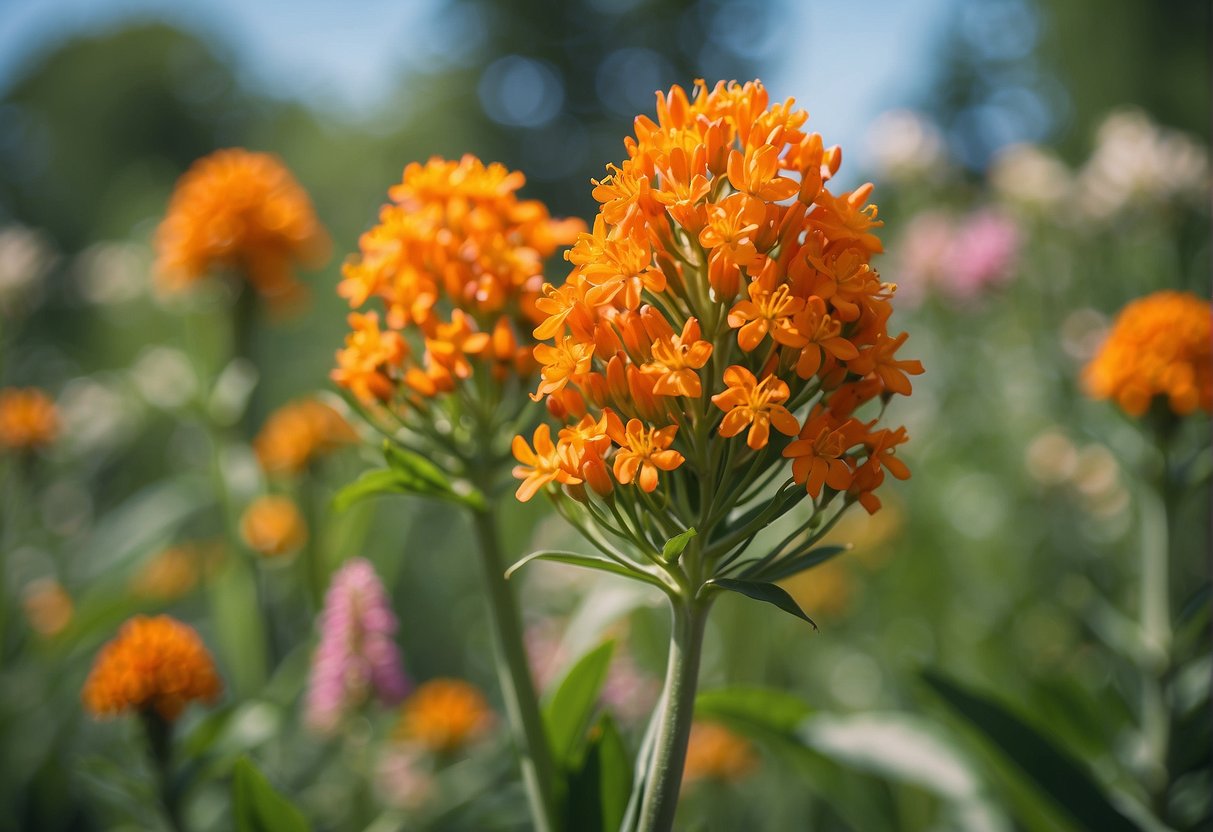
Where to Buy Butterfly Milkweed: A Guide to Finding the Best Sources
If you’d like to aid monarch butterflies, cultivating butterfly milkweed is an excellent initial step. Known also by its botanical name, Asclepias tuberosa, this indigenous plant offers nourishment and shelter for monarch butterflies. This piece will delve into sources for purchasing butterfly milkweed and guide you through its planting and maintenance.
Understanding Butterfly Milkweed
Butterfly milkweed is a perennial plant that grows in full sun and well-drained soil. It produces clusters of bright orange flowers that bloom from mid-summer to early fall. Monarch butterflies are attracted to the nectar of the flowers and lay their eggs on the leaves of the plant. The leaves of butterfly milkweed are also an important food source for monarch caterpillars.
Where to Purchase Butterfly Milkweed
Butterfly milkweed can be purchased from nurseries, garden centers, and online retailers. When buying butterfly milkweed, make sure to choose a reputable source that sells plants that are free of pesticides and herbicides. It’s also important to choose plants that are native to your region, as they are better adapted to local growing conditions.
Key Takeaways
- Butterfly milkweed is a native plant that provides food and habitat for monarch butterflies.
- You can buy butterfly milkweed from nurseries, garden centers, and online retailers.
- When buying butterfly milkweed, choose a reputable source that sells plants that are free of pesticides and herbicides and are native to your region.
Understanding Butterfly Milkweed
If you’re looking to add a splash of orange to your landscape while also supporting pollinators, butterfly milkweed (Asclepias tuberosa) may be the perfect native plant for you. Here’s what you need to know about this beautiful and beneficial species.
Botanical Profile
Butterfly milkweed is a member of the Asclepias genus, which includes over 100 species of milkweed. It is a herbaceous perennial that typically grows 1-2 feet tall and 1-2 feet wide. Its vibrant orange flowers bloom from June to August and are a favorite of monarch butterflies and other pollinators. The plant’s leaves are narrow and lance-shaped, while its stem is hairy and contains a milky sap.
Habitat and Growth Conditions
Butterfly milkweed is native to much of the eastern and central United States, where it can be found in prairies, meadows, and along roadsides. It prefers full sun and well-drained soil, but can tolerate a range of growing conditions. It is drought-tolerant once established, but benefits from regular moisture during its first growing season.
Benefits to Ecosystem
As a host plant for monarch butterflies, butterfly milkweed plays a crucial role in their life cycle. Monarch females lay their eggs exclusively on milkweed plants, and their caterpillars rely on the leaves as their sole food source. By planting butterfly milkweed in your garden, you can help support this iconic butterfly species.
Butterfly milkweed also provides nectar for a variety of pollinators, including bees and other butterflies. Its deep taproot makes it a valuable plant for soil health, as it can help break up compacted soil and improve water infiltration.
Overall, butterfly milkweed is a beautiful and beneficial addition to any pollinator or butterfly garden. By providing habitat and food for monarchs and other pollinators, you can help support a healthy ecosystem in your own backyard.
Where to Purchase Butterfly Milkweed
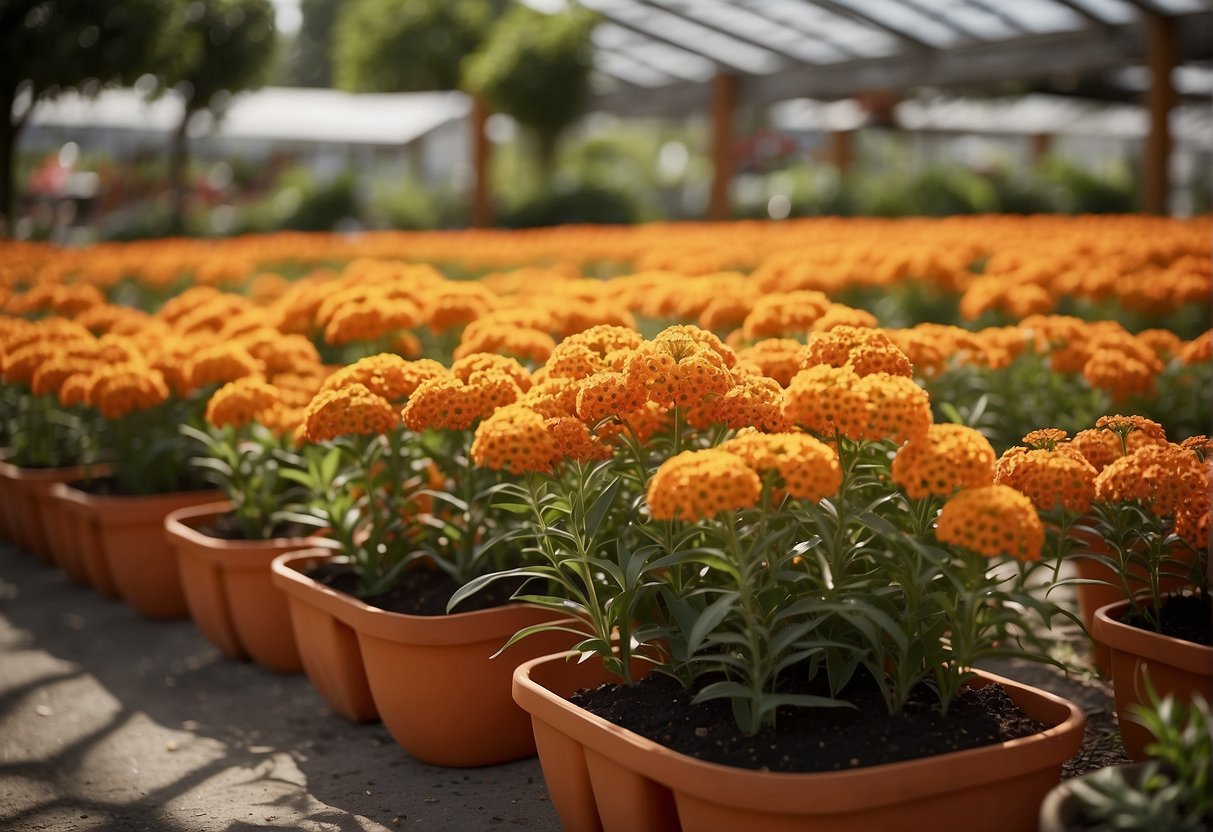
If you’re looking to add butterfly milkweed to your garden, there are several options available to you. Here are a few places where you can purchase this native plant:
Local Nurseries and Garden Centers
Your local nurseries and garden centers are a great place to start your search for butterfly milkweed. They may carry potted plants or seeds, and can provide advice on how to care for them. Some nurseries may even specialize in native plants, making them a great resource for finding butterfly milkweed and other native species.
Online Retailers and Seed Catalogs
If you prefer to shop online, there are many retailers and seed catalogs that offer butterfly milkweed. Look for companies that specialize in native plants or have a good selection of them. When ordering plants or seeds online, be sure to check the USDA hardiness zone of the plant to ensure it will grow well in your area. Some retailers may also provide tracking numbers for plant or seed orders.
Specialty Native Plant Sales
Many communities host specialty native plant sales, often in the spring or fall. These events bring together local nurseries, garden centers, and other vendors to offer a wide selection of native plants, including butterfly milkweed. Attending one of these sales can be a great way to learn more about native plants and connect with others who share your interest.
No matter where you decide to purchase butterfly milkweed, be sure to follow the planting and care instructions carefully. Asclepias tuberosa, commonly known as butterfly weed, has striking orange flowers and is an important food source for monarch butterflies. By adding it to your garden, you can help support these beautiful insects and enjoy the beauty of this native plant.
Planting and Care
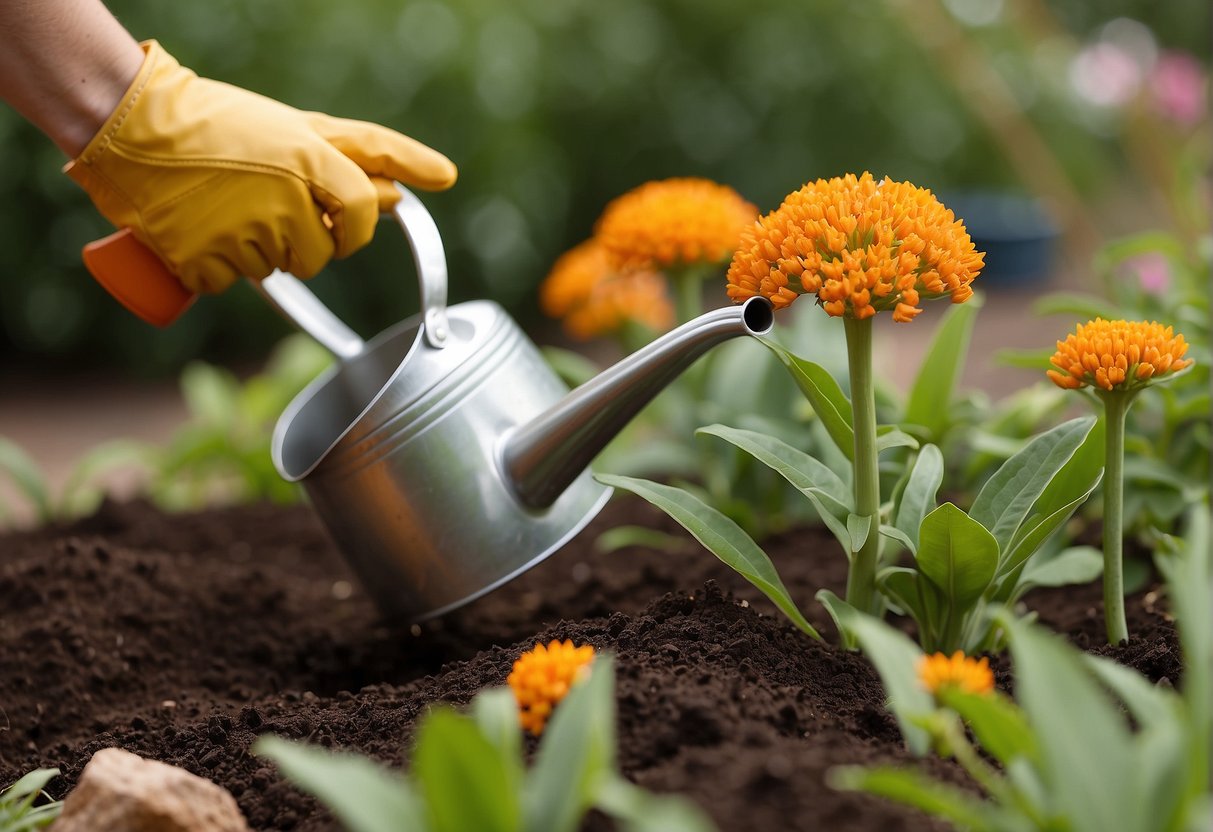
Preparing the Planting Site
Before planting butterfly milkweed, choose a site with full sun exposure and well-draining soil. Clear any weeds or debris from the area and loosen the soil to a depth of at least 6 inches. If the soil is heavy, mix in some sand or compost to improve drainage.
Planting Seeds and Seedlings
Butterfly milkweed can be grown from seeds or seedlings. If planting seeds, sow them directly into the prepared soil in the fall or early spring. Cover the seeds with a thin layer of soil and keep the area moist until they germinate. If planting seedlings, space them about 12-18 inches apart and plant them at the same depth as they were in their original container.
Ongoing Maintenance
Butterfly milkweed is a low-maintenance plant, but it will benefit from some care. Water the plant regularly, especially during dry spells, to keep the soil moist but not waterlogged. Mulch around the base of the plant to help retain moisture and suppress weeds. Deadhead spent flowers to encourage more blooms and prevent self-seeding.
In the fall, butterfly milkweed will go dormant and die back to the ground. Cut back the stems to about 6 inches above the soil surface. In the spring, new growth will emerge from the roots. Mature plants can reach a height of 1-3 feet and have lance-shaped leaves and orange or yellow flowers.
Overall, butterfly milkweed is a hardy and attractive plant that will add color and interest to your garden while also providing food and habitat for butterflies and other pollinators.
Supporting Monarch Butterflies
If you are looking to support monarch butterflies, one of the best things you can do is to plant milkweed. Milkweed is the sole host plant for monarch caterpillars, and it is essential for their survival. Butterfly milkweed, also known as Asclepias tuberosa, is a popular milkweed variety that is easy to grow and maintain. In this section, we will discuss the importance of milkweed for monarchs and how you can create a monarch-friendly garden.
The Importance of Milkweed for Monarchs
Monarch butterflies are in decline due to habitat loss, pesticide use, and climate change. Milkweed is a critical component of their life cycle, as it provides food and shelter for monarch caterpillars. Without milkweed, monarchs cannot complete their life cycle and will eventually die out.
Butterfly milkweed is a favorite of monarch butterflies because of its bright orange flowers and sweet nectar. It is also a hardy plant that can thrive in a variety of soil types and climates. Other milkweed varieties, such as swamp milkweed and common milkweed, are also beneficial for monarchs and can be planted alongside butterfly milkweed to provide additional food and habitat.
Creating a Monarch-Friendly Garden
To create a monarch-friendly garden, you should plant a variety of milkweed species and other native plants that provide nectar for adult monarchs. You can also provide shelter for monarchs by planting trees and shrubs that offer protection from predators and harsh weather conditions.
When planting milkweed, it is important to choose a location that receives plenty of sunlight and has well-draining soil. You should also avoid using pesticides and herbicides, as these chemicals can be harmful to monarchs and other beneficial insects.
In conclusion, planting milkweed is a simple and effective way to support monarch butterflies and help reverse their decline. By creating a monarch-friendly garden, you can provide food and habitat for monarchs and other pollinators while enjoying the beauty of these magnificent creatures.
Additional Considerations
When purchasing butterfly milkweed, there are a few additional considerations to keep in mind to ensure the health and success of your plants.
Managing Pests and Diseases
Butterfly milkweed is generally resistant to pests and diseases, but it is still important to keep an eye out for any signs of trouble. Common pests that may affect butterfly milkweed include aphids, spider mites, and milkweed bugs. If you notice any of these pests on your plants, you can try removing them by hand or using an insecticidal soap.
Diseases that may affect butterfly milkweed include fungal leaf spot and powdery mildew. To prevent these diseases, make sure your plants have good air circulation and avoid overhead watering. If you do notice signs of disease, you can try treating your plants with a fungicide.
Environmental Impact
Butterfly milkweed is a native plant that is an important food source for monarch butterflies. By planting butterfly milkweed in your landscape, you can help support the monarch butterfly population and promote biodiversity. Additionally, butterfly milkweed is drought-tolerant and can be a good choice for drier areas.
Propagation and Division
Butterfly milkweed can be propagated by seed or division. If you are starting your plants from seed, make sure to plant them in a well-draining soil mix and keep them moist until they germinate. If you are dividing an existing plant, make sure to do so in the spring or fall and replant the divisions in a well-draining soil mix.
When planting butterfly milkweed in your landscape, make sure to give each plant enough space to grow. Butterfly milkweed can grow up to 3 feet tall and wide, so make sure to space your plants at least 2-3 feet apart. Additionally, butterfly milkweed can benefit from the support of nearby trees or other tall plants, which can help protect them from strong winds and provide shade for their roots.
When purchasing butterfly milkweed, you can choose between potted plants and rhizomes. Potted plants are a good choice if you want to see immediate growth, while rhizomes can be a good choice if you want to save money and have more control over the planting process. Regardless of which option you choose, make sure to choose healthy, disease-free plants that have strong leaves and stems.
Frequently Asked Questions
What are reputable online stores for purchasing butterfly milkweed?
There are several reputable online stores that sell butterfly milkweed seeds and plants. Some popular options include Prairie Moon Nursery, American Meadows, and High Country Gardens. It’s important to do your research and read reviews before making a purchase to ensure you are buying from a trustworthy source.
How can I find butterfly milkweed plants for sale locally?
You can check with your local nurseries, garden centers, and plant sales to see if they carry butterfly milkweed plants. You can also reach out to your local chapter of the Native Plant Society or the Audubon Society to see if they have any recommendations for where to purchase locally.
When is the optimal time of year to plant butterfly milkweed?
The optimal time to plant butterfly milkweed is in the spring, after the last frost date in your area. This allows the plants to establish their root systems before the heat of summer sets in. However, they can also be planted in the fall, before the first frost date.
What are the best conditions for planting milkweed to attract butterflies?
Butterfly milkweed prefers full sun and well-drained soil. It can tolerate a range of soil types, including clay and sandy soils. It’s important to avoid over-watering, as butterfly milkweed is drought-tolerant and too much water can lead to root rot.
Are there any legal restrictions on buying or planting milkweed?
There are currently no federal restrictions on buying or planting milkweed. However, it’s important to check with your state and local regulations to ensure that there are no restrictions or regulations in your area.
Which varieties of milkweed are most beneficial for butterflies?
There are several varieties of milkweed that are beneficial for butterflies, including common milkweed, swamp milkweed, and butterfly milkweed. It’s important to choose a variety that is native to your region to ensure that it will thrive in your climate and provide the most benefit to local butterfly populations.

