

Where to Find Butterfly Milkweed Plants: A Guide for Gardeners
Are you considering incorporating some butterfly milkweed plants into your garden? You’re in good company! With increasing awareness of the crucial role milkweed plants play in the lifecycle of monarch butterflies, interest in these attractive plants is growing. However, the question remains: where can one acquire them?
First, it’s important to understand what butterfly milkweed is and why it’s so important. This native North American plant is a critical food source for monarch butterfly caterpillars, and its bright orange flowers also attract adult butterflies and other pollinators. By planting butterfly milkweed in your garden, you’re helping to support the monarch butterfly population and promote biodiversity in your local ecosystem.
So where can you get your hands on some butterfly milkweed plants? There are a few different options to consider, depending on your location, budget, and other factors. Let’s explore some of the most popular choices.
Key Takeaways
- Butterfly milkweed is a native North American plant that is important for supporting monarch butterflies and other pollinators.
- There are several options for obtaining butterfly milkweed plants, including nurseries, online retailers, seed exchanges, and local conservation organizations.
- When choosing butterfly milkweed plants, it’s important to select a variety that is appropriate for your region and to follow proper cultivation and care practices to ensure their success.
Understanding Butterfly Milkweed
If you are looking to add some color and attract pollinators to your garden, butterfly milkweed is a great option. This native perennial plant is easy to grow and maintain, and it provides a crucial habitat for monarch butterflies and their caterpillars. In this section, we will explore the characteristics of milkweed plants, their relationship with monarch butterflies, and the different types of milkweed available.
Characteristics of Milkweed Plants
Milkweed plants belong to the genus Asclepias and are characterized by their clusters of small, bright-colored flowers. They are typically found in open fields, meadows, and along roadsides. Milkweed plants are known for their milky sap, which can be toxic to humans and animals if ingested. However, this sap is crucial for monarch butterflies, as it contains chemicals that make the caterpillars and adult butterflies toxic to predators.
Milkweed and Monarch Butterflies
Monarch butterflies rely on milkweed plants as their sole source of food and habitat. Female monarch butterflies lay their eggs on milkweed plants, and the caterpillars feed on the leaves until they are ready to form a chrysalis. Once the adult butterfly emerges from the chrysalis, it will continue to feed on the nectar of milkweed flowers. Unfortunately, the habitat for monarch butterflies and milkweed plants has been declining due to habitat loss and the use of pesticides. By planting butterfly milkweed in your garden, you can help provide a crucial habitat for these beautiful butterflies.
Different Types of Milkweed
There are over 100 different species of milkweed plants, each with unique characteristics and growing requirements. Some popular types of milkweed include common milkweed (Asclepias syriaca), swamp milkweed (Asclepias incarnata), and butterfly milkweed (Asclepias tuberosa). Butterfly milkweed is a great option for gardeners, as it is easy to grow and maintain and produces bright orange flowers that attract a variety of pollinators. When selecting a type of milkweed to plant, it is important to choose a species that is native to your region and that will thrive in your growing conditions.
In summary, butterfly milkweed is a great addition to any garden, providing both beauty and ecological benefits. By understanding the characteristics of milkweed plants, their relationship with monarch butterflies, and the different types of milkweed available, you can make an informed decision about which type of milkweed to plant in your garden.
Choosing the Right Milkweed
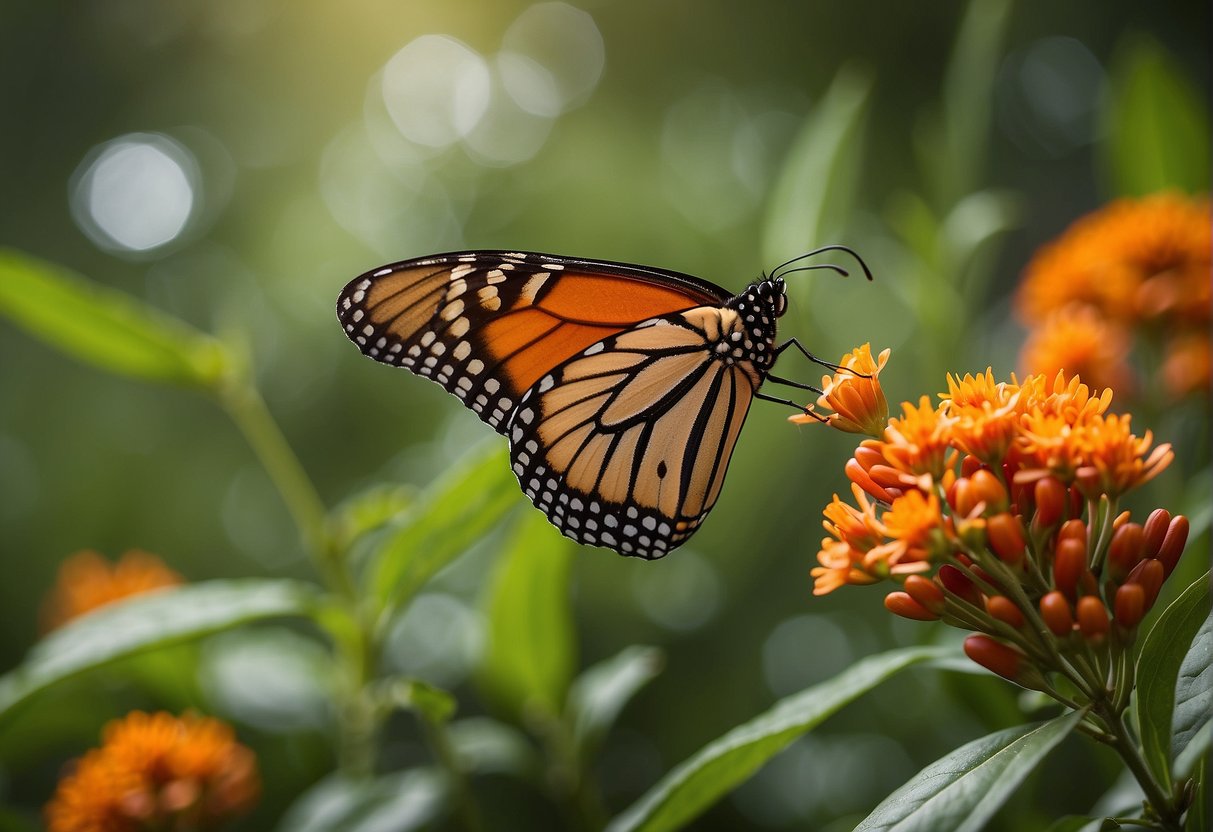
If you’re looking to attract butterflies to your garden, planting milkweed is a great choice. Not only does it provide a food source for monarch butterfly larvae, but it also offers nectar for adult butterflies. However, with so many varieties of milkweed available, it can be difficult to know which one to choose. Here are a few things to consider when selecting the right milkweed for your garden.
Native Milkweed vs. Non-Native Varieties
Native milkweed species are the best choice for supporting monarch butterfly populations. They have co-evolved with the butterflies and provide the right nutrients for their growth and development. Non-native varieties may not offer the same benefits and can even be harmful to monarchs. They may also become invasive and crowd out native plants. Some examples of native milkweed species include common milkweed (Asclepias syriaca), swamp milkweed (Asclepias incarnata), and butterfly weed (Asclepias tuberosa).
Soil and Sunlight Requirements
Milkweed plants prefer well-drained soil and full sun, although some species can tolerate partial shade. Make sure to choose a spot in your garden that receives at least six hours of direct sunlight per day. If your soil is heavy or clay-like, consider adding some sand or compost to improve drainage. Avoid planting milkweed in areas that are prone to flooding or standing water.
Milkweed for Specific Regions
Different milkweed species are better suited to different regions of the country. In the Northeast, common milkweed and swamp milkweed are good choices. In the Southeast, try planting butterfly weed or tropical milkweed (Asclepias curassavica). In the Midwest, you can plant showy milkweed (Asclepias speciosa) or whorled milkweed (Asclepias verticillata). In California, narrow-leaved milkweed (Asclepias fascicularis) is a good option. Make sure to choose a species that is native to your region for best results.
By considering these factors, you can choose the right milkweed species for your garden and help support monarch butterfly populations.
Cultivation and Care
Planting Milkweed Seeds
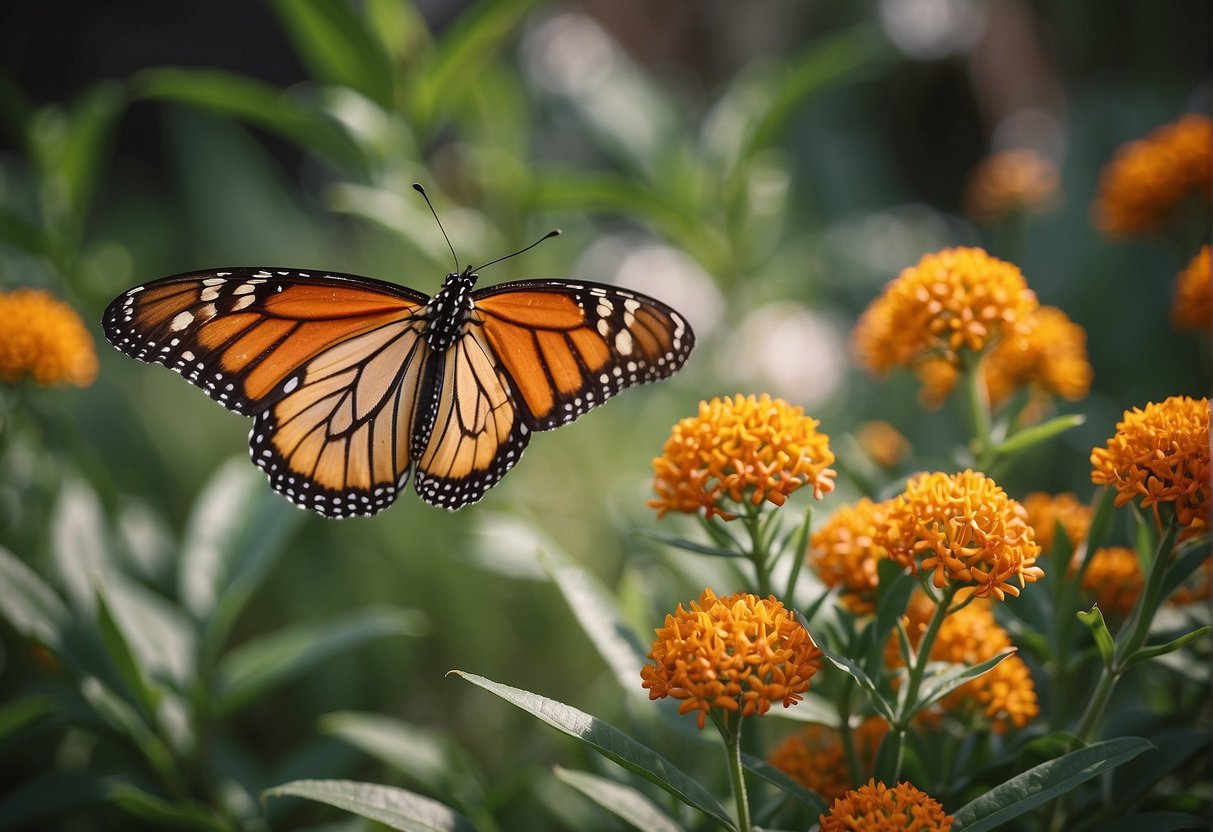
Butterfly milkweed plants can be grown from seeds, which are widely available at gardening centers and online nurseries. The best time to plant milkweed seeds is in the spring or fall. For spring planting, sow seeds directly into the soil after the danger of frost has passed. For fall planting, sow seeds about 8 weeks before the first frost.
Milkweed seeds require stratification, which means they need to be exposed to cold temperatures before they will germinate. To stratify milkweed seeds, place them in a plastic bag with a moist paper towel and store them in the refrigerator for 4-6 weeks before planting.
Growing Milkweed from Seedlings
If you prefer to start with seedlings, you can purchase them from a nursery or start them indoors. To start milkweed seedlings indoors, sow seeds in pots filled with seed-starting mix about 6-8 weeks before the last expected frost. Keep the soil moist and warm until the seedlings emerge.
When the seedlings are large enough to handle, transplant them into larger pots or directly into the garden. Be sure to harden off the seedlings by gradually exposing them to outdoor conditions before planting them in the garden.
Maintaining Healthy Milkweed Plants
Milkweed plants have a deep taproot and prefer well-draining soil. They also require full sun and regular watering, especially during hot and dry weather.
To encourage healthy growth, fertilize milkweed plants in the spring with a slow-release fertilizer. Avoid using high-nitrogen fertilizers, which can promote leafy growth at the expense of flowers.
Milkweed plants have a bushy growth habit and can spread by underground rhizomes. To prevent overcrowding, space plants at least 18-24 inches apart. Deadhead spent flowers to encourage additional blooming throughout the summer.
Protecting Milkweed Plants
Milkweed plants are essential for the survival of monarch butterflies. However, they are susceptible to pests and diseases, which can harm the plant and its ability to provide a habitat for monarchs. Here are some tips on how to protect your milkweed plants.
Pests and Diseases
Milkweed plants can be affected by a variety of pests and diseases, including milkweed bugs and aphids. These insects can cause damage to the plant, which can ultimately affect the monarch butterfly population. To prevent pests and diseases, it is essential to keep your milkweed plants healthy. This can be done by providing them with adequate water and sunlight, as well as removing any dead or diseased leaves.
Safe Use of Pesticides
While pesticides can be effective in controlling pests and diseases, they can also harm beneficial insects such as monarch butterflies. If you must use pesticides, it is essential to use them safely. Always read the label and follow the instructions carefully. It is also important to avoid spraying pesticides on windy days or when bees and other pollinators are present.
Milkweed Conservation
Conserving milkweed plants is crucial for the survival of monarch butterflies. You can help by planting milkweed in your garden or supporting organizations such as Monarch Watch, which work to protect monarch habitat. Additionally, you can avoid using herbicides and pesticides that can harm milkweed and other beneficial plants.
By taking steps to protect milkweed plants, you can help ensure the survival of monarch butterflies and other wildlife that depend on them.
Where to Find Milkweed Plants
If you’re looking to add some butterfly milkweed plants to your garden, there are several options available to you. Here are some places where you can find milkweed plants:
Local Nurseries and Garden Centers
One of the easiest ways to find milkweed plants is by visiting your local nurseries and garden centers. These stores often carry a variety of native plants, including milkweed. You can ask the staff for recommendations and advice on how to care for your milkweed plants. This is also a great way to support local businesses and get a sense of what plants grow well in your area.
Online Retailers and Seed Catalogs
If you prefer to shop online, there are many retailers and seed catalogs that offer milkweed plants and seeds. Some popular options include Prairie Moon Nursery, American Meadows, and High Country Gardens. When shopping online, be sure to read reviews and check the seller’s reputation to ensure that you’re getting high-quality plants and seeds.
Native Plant Sales and Swaps
Another option for finding milkweed plants is by attending native plant sales and swaps. These events are often hosted by local gardening groups and conservation organizations. You can find information about upcoming events on social media or by contacting your local gardening club. These events are a great way to meet other gardeners and learn more about native plants that grow in your area.
In conclusion, there are several options available to you for finding milkweed plants. Whether you prefer to shop online or visit local nurseries, adding milkweed to your garden is a great way to support pollinators and promote biodiversity.
Additional Considerations
When it comes to planting butterfly milkweed, there are a few additional considerations to keep in mind to ensure success and safety. Below are some important factors to consider before planting.
Timing for Planting and Blooming
Butterfly milkweed should be planted in the spring, after the danger of frost has passed. This will give the plant enough time to establish itself before the hot summer months. The plant typically blooms from June to August, so keep this in mind when planning your garden.
Safety for Pets and Livestock
While butterfly milkweed is not toxic to humans, it can be harmful to pets and livestock if ingested. If you have animals that may come into contact with the plant, consider planting it in a location that is out of reach or using a physical barrier to keep animals away.
Invasive Species Management
Butterfly milkweed is not considered an invasive species, but it is important to be mindful of other plants that may be invasive in your area. If you are unsure about which plants are invasive in your region, contact your local extension office for guidance.
Overall, butterfly milkweed is a great addition to any garden, providing beautiful blooms and attracting important pollinators. By considering these additional factors, you can ensure a successful and safe planting experience.
Frequently Asked Questions
What are the best online stores for purchasing butterfly milkweed plants?
There are several reputable online stores that sell butterfly milkweed plants. Some of the most popular options include Monarch Watch, Prairie Moon Nursery, and American Meadows. Be sure to read reviews and compare prices before making a purchase.
How can I find butterfly milkweed plants for sale in my local area?
You can check with your local nurseries and garden centers to see if they carry butterfly milkweed plants. You can also search for native plant sales or events in your area, as these often offer a variety of milkweed plants for sale.
When is the optimal time of year to plant butterfly milkweed?
The best time to plant butterfly milkweed is in the spring or fall. Planting in the spring allows the plants to establish before the hot summer months, while planting in the fall allows the plants to establish roots before the winter months.
Are there any perennial varieties of butterfly milkweed?
Yes, there are several perennial varieties of butterfly milkweed, including Asclepias tuberosa, Asclepias incarnata, and Asclepias verticillata. These plants will come back year after year and provide a reliable source of nectar for monarch butterflies.
What are the most suitable conditions for planting milkweed to attract monarch butterflies?
Butterfly milkweed prefers full sun and well-draining soil. It can tolerate dry conditions once established, but it’s important to keep the soil moist during the first few weeks after planting. It’s also important to avoid using pesticides on or near milkweed plants, as these can harm monarch butterflies and their caterpillars.
Can I find butterfly milkweed plants at major gardening retailers?
Some major gardening retailers may carry butterfly milkweed plants, but it’s important to check the labels to ensure that they are native species and have not been treated with pesticides. It’s often best to purchase from a reputable nursery or online retailer that specializes in native plants.

