
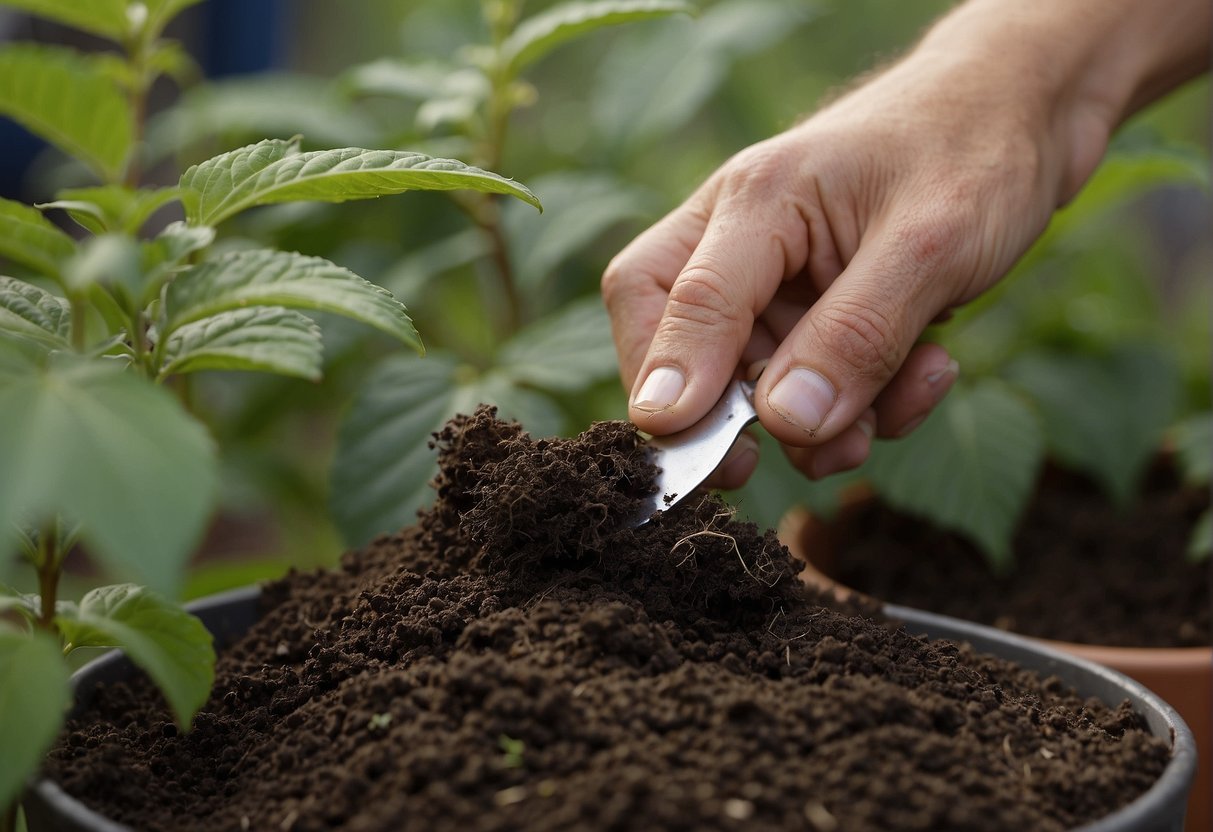
How to Propagate Beautyberry Bush: A Step-by-Step Guide
Should you be in search of a bush that introduces a splash of color to your landscape, consider the beautyberry bush as an ideal option. Renowned for its vibrant purple berries, this species originates from the southeastern region of the United States and has the potential to reach a height of six feet. While purchasing a beautyberry bush from a nursery is an option, growing your own could provide a fulfilling endeavor that ultimately conserves funds over time.
To propagate a beautyberry bush, you’ll need to start with a basic understanding of the plant and its needs. While the process itself isn’t too difficult, it’s important to make sure you’re prepared before you begin. With a little bit of patience and some careful attention, you can successfully grow new beautyberry plants that will thrive in your garden.
Key Takeaways
- Understanding the beautyberry plant and its needs is crucial for successful propagation.
- Preparing for propagation is an important step that shouldn’t be overlooked.
- With the right care and attention, you can grow new beautyberry plants that will thrive in your garden.
Understanding Beautyberry
Botanical Profile
Beautyberry, also known as Callicarpa americana, is a deciduous shrub that is native to the southeastern United States. It is a popular landscape plant due to its attractive foliage and striking purple berries. The leaves of the beautyberry bush are simple, opposite, and elliptical in shape, with a bright green color.
The beautyberry bush produces clusters of small, delicate flowers in the summer, which are followed by the distinctive purple berries in the fall. The berries are not only visually stunning but are also a valuable food source for birds and other wildlife.
Growth Characteristics
The beautyberry bush is a relatively low-maintenance plant that is easy to propagate and grow. It prefers well-drained soil and partial shade, although it can tolerate full sun in cooler climates. The plant can grow up to 8 feet tall and wide, but can be pruned to maintain a more compact size.
Propagation of the beautyberry bush can be done through stem cuttings, layering, or seed propagation. Stem cuttings are the easiest and most reliable method, as they can be taken from the parent plant in the spring or early summer and rooted in a well-draining soil mix.
In terms of maintenance, the beautyberry bush requires little attention beyond regular watering and occasional fertilization. Pruning can be done in the late winter or early spring to remove any dead or damaged branches and to shape the plant. The beautyberry bush is also known for its striking fall foliage, which can range from yellow to orange to red, adding another layer of visual interest to this already beautiful plant.
Propagation Basics

If you want to propagate your beautyberry bush, there are several methods you can use. In this section, we’ll cover the basics of propagation, including the best time for propagation, conditions for propagation, and the different propagation methods you can use.
Propagation Methods
There are several propagation methods you can use to propagate your beautyberry bush. These include:
- Stem cuttings: This involves taking a cutting from the stem of the plant and rooting it in soil or water.
- Seed: This involves planting seeds from the beautyberry bush and allowing them to grow into new plants.
- Layering: This involves bending a branch of the plant down to the ground and covering it with soil to encourage it to root.
- Softwood cuttings: This involves taking a cutting from the soft, new growth of the plant and rooting it in soil or water.
- Hardwood cuttings: This involves taking a cutting from the older, woody growth of the plant and rooting it in soil or water.
Best Time for Propagation
The best time to propagate your beautyberry bush depends on the method you choose. Here are some general guidelines:
- Stem cuttings: Take stem cuttings in the spring or early summer when the plant is actively growing.
- Seed: Plant seeds in the fall or early spring.
- Layering: Layer the plant in the late winter or early spring.
- Softwood cuttings: Take softwood cuttings in the spring or early summer.
- Hardwood cuttings: Take hardwood cuttings in the late fall or winter.
Conditions for Propagation
To successfully propagate your beautyberry bush, you’ll need to provide the right conditions. Here are some general guidelines:
- Greenhouse: If you’re propagating your beautyberry bush in a greenhouse, make sure the temperature is warm and the humidity is high.
- Moisture: Keep the soil or rooting medium moist but not waterlogged.
- Light: Provide bright, indirect light for your cuttings or seedlings.
- Warmth: Keep your cuttings or seedlings in a warm location with temperatures between 60 and 70 degrees Fahrenheit.
- Energy: Make sure your cuttings or seedlings have enough energy to grow by providing them with a balanced fertilizer.
Preparing for Propagation
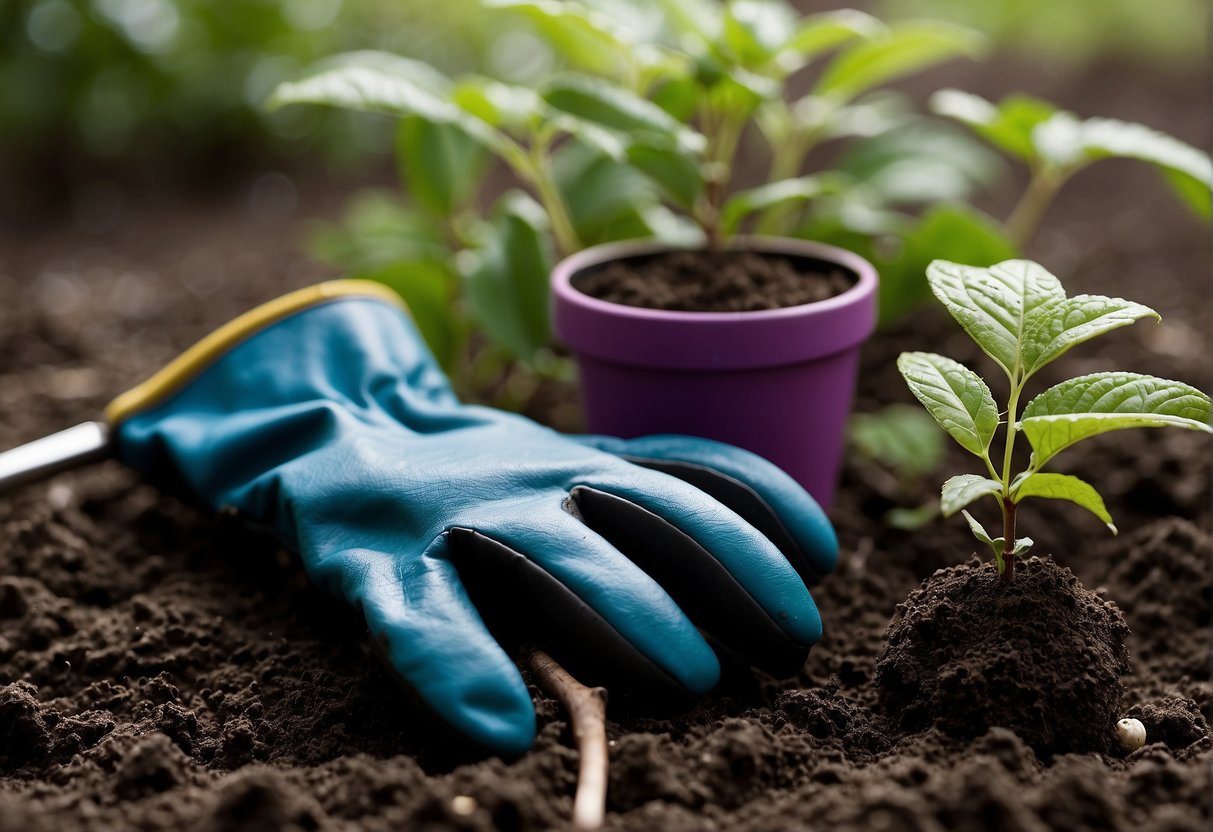
Before propagating your beautyberry bush, it is important to prepare the necessary materials and environment for the cuttings to grow successfully. This section will cover the selection of cuttings, as well as the soil and potting mix required for propagation.
Selecting Cuttings
When selecting cuttings, it is important to choose healthy stems from the beautyberry bush. Cuttings should be taken from new growth, as these stems are more likely to root successfully. Look for stems that are at least 4 inches long and have several leaves attached. Make sure to choose stems with at least one node, as this is where roots will form.
Soil and Potting Mix
The soil and potting mix used for propagation should be well-draining and have a neutral pH. A mix of perlite, peat moss, and vermiculite can be used to create a suitable potting mix. The perlite provides drainage, while the peat moss and vermiculite retain moisture.
When preparing the potting mix, make sure to moisten it before adding it to the pot. This will help to ensure that the soil is evenly moist and will provide a good environment for the cuttings to root.
It is also important to choose a pot with good drainage. A pot with drainage holes will help to prevent water from accumulating in the bottom of the pot and causing the roots to rot.
Conclusion
By selecting healthy cuttings and preparing a suitable soil and potting mix, you can increase the chances of successful propagation for your beautyberry bush. With the right materials and environment, your cuttings will be able to root and grow into healthy new plants.
Executing Propagation
If you want to propagate a beautyberry bush, you can do so by following a few simple steps. This section will guide you through the rooting process, planting, and aftercare.
Rooting Process
To start the propagation process, take a stem cutting from the beautyberry bush. Choose a healthy stem that is about 4-6 inches long, and make a clean cut just below a node. Remove any leaves from the bottom half of the stem.
Next, dip the cut end of the stem into rooting hormone and shake off any excess. This will help to stimulate root growth.
Place the stem cutting into a container filled with moist soil or a rooting medium, such as perlite or vermiculite. Cover the container with a plastic bag or dome to create a humid environment.
Planting and Aftercare
After a few weeks, check for root development by gently tugging on the stem. If you feel resistance, it means the roots have started to grow.
Once the roots have developed, transplant the new beautyberry plant into a larger container or into the ground. Be sure to provide it with plenty of moisture and indirect light.
To care for your new plant, keep the soil moist but not waterlogged. Use a spray bottle to mist the leaves and provide extra humidity. Keep the plant in a location with indirect light and protect it from harsh sunlight.
With proper care, you should have success in propagating a beautyberry bush. It’s important to be patient and attentive to the needs of your new plant. Use a sharp pair of scissors or pruning shears to trim away any dead or damaged growth, and watch for signs of new growth and healthy development.
Caring for New Beautyberry Plants
Once you have successfully propagated your beautyberry bush, it is important to take good care of your new plants to ensure their health and vitality. Here are some tips to help you care for your new beautyberry plants.
Watering and Feeding
Water your new beautyberry plants regularly, especially during the first few weeks after planting. Make sure the soil is moist but not waterlogged. You can use a soaker hose or drip irrigation to water your plants deeply and evenly.
Feed your new plants with a balanced fertilizer, such as 10-10-10, once a month during the growing season. Be careful not to over-fertilize, as this can damage the plants. Follow the instructions on the fertilizer package for best results.
Pruning and Shaping
Prune your beautyberry bush in late winter or early spring before new growth begins. Remove any dead, damaged, or diseased wood. Cut back any branches that are crossing or rubbing against each other.
You can also shape your beautyberry bush by selectively pruning certain branches to encourage a more compact or open growth habit. Use sharp, clean pruning shears and make cuts at a 45-degree angle just above a leaf node.
Pest and Disease Management
Beautyberry plants are generally resistant to pests and diseases, but they can still be affected by certain problems. Keep an eye out for signs of insect damage, such as holes in the leaves or sticky residue on the plant.
If you notice any issues, try to identify the problem and treat it promptly. You can use insecticidal soap or horticultural oil to control pests, and fungicides to treat fungal diseases. Be sure to follow the instructions on the product label carefully.
By following these tips, you can help your new beautyberry plants thrive and provide years of beauty and enjoyment in your garden.
Transplanting and Landscape Integration
Transplanting to Garden
When transplanting beautyberry bushes, it is important to choose a location that suits their needs. Beautyberries prefer full sun to partial shade and well-draining soil. Make sure the soil in the new location is similar to the native soil of the beautyberry bush. If the soil is not well-draining, consider amending it with organic matter such as compost.
When transplanting, dig a hole that is twice as wide and just as deep as the root ball. Gently remove the plant from its container and loosen the roots before placing it in the hole. Backfill the hole with soil and water thoroughly.
It is best to transplant beautyberry bushes in early spring or fall, when temperatures are mild. This will give the plant time to establish itself before the hot summer months or cold winter months.
Landscape Design Considerations
Beautyberry bushes are great additions to any landscape design. They are versatile shrubs that can be used as borders, hedges, or specimen plants. Their purple berries add a pop of color to the garden in the fall.
When designing your landscape, consider the bloom time of the beautyberry bush. The flowers bloom in the summer, which can complement other summer-blooming plants in your garden. The purple berries will then provide fall interest.
Beautyberry bushes are hardy in USDA hardiness zones 6 through 10. They can spread up to 6 feet wide, so make sure to give them enough space to grow. When planting multiple beautyberry bushes, space them at least 4 feet apart.
In summary, transplanting beautyberry bushes requires careful consideration of the new location’s soil and sun exposure. When designing your landscape, consider the bloom time and spread of the beautyberry bush. With proper care and attention, your beautyberry bushes will thrive in their new home.
Propagation Challenges and Solutions
Troubleshooting Common Issues
When propagating beautyberry bushes, you may encounter a few common issues that can hinder the success of your propagation efforts. One of the most common problems is the development of diseases or pests that can damage the cuttings. To prevent this, it’s important to keep your propagation area clean and free of debris. You should also inspect your cuttings regularly for signs of disease or pest damage, and remove any affected cuttings immediately.
Another issue that can arise is damage to the cuttings during the propagation process. This can occur if the cuttings are handled roughly or exposed to harsh environmental conditions. To prevent this, be sure to handle your cuttings gently and avoid exposing them to direct sunlight or extreme temperatures. You can also use seedling trays to protect your cuttings and keep them organized.
Improving Propagation Success Rate
To improve your success rate when propagating beautyberry bushes, there are a few strategies you can employ. One effective method is to use rooting hormone powder, which can stimulate root growth and increase the chances of successful propagation. You should also ensure that your cuttings are taken from healthy, mature plants, as this can improve their chances of survival.
Another important factor to consider is the greenhouse environment. Beautyberry bushes thrive in a warm, humid environment, so it’s important to provide them with adequate moisture and humidity during the propagation process. You should also ensure that your cuttings are exposed to the appropriate amount of light. Too much direct sunlight can be harmful, while too little can slow down growth. Finally, be sure to provide your cuttings with adequate shade to prevent them from drying out.
By following these tips and strategies, you can improve your chances of successfully propagating beautyberry bushes. With a little patience and care, you can enjoy the beauty of these stunning plants in your own garden.
Advanced Techniques and Tips
Seed Propagation
If you want to propagate beautyberry bush by seed, you need to stratify the seeds first. This means you need to keep the seeds in a moist and cold environment for a period of time to break their dormancy. You can stratify the seeds by placing them in a plastic bag with some moist peat moss or vermiculite and storing them in the refrigerator for about 90 days.
Once the seeds are stratified, you can plant them in a seed-starter potting mix. Keep the soil moist and warm, and the seeds should germinate within a few weeks. After the seedlings have grown a few inches tall, you can transplant them into larger pots or directly into the ground.
Layering Method
Layering is another way to propagate beautyberry bush. This method involves bending a low-hanging branch of the bush to the ground and burying a section of it under the soil. You can use a small rock or stake to hold the branch in place.
After a few weeks, roots should form at the buried section of the branch. You can then cut the branch from the parent plant and transplant it into a new location. This method is great for creating new plants that are genetically identical to the parent plant.
When propagating beautyberry bush, keep in mind that fall is the best time to do it. This is because the plant’s growth slows down during the winter months, giving the new plants time to establish themselves before the next growing season.
Beautyberry bush is known for its stunning fall color and attractive fruit. By using these advanced techniques and tips, you can propagate your own beautyberry bushes and enjoy their beauty in your garden for years to come.
Frequently Asked Questions
What is the optimal time of year to propagate beautyberry from cuttings?
The best time to take cuttings from a beautyberry bush is in the late spring or early summer. This is when the plant is actively growing and the stems are still relatively soft. Hardwood cuttings can be taken in the fall or winter, but they tend to have a lower success rate.
Can beautyberry bushes be propagated in water, and if so, how?
Yes, beautyberry cuttings can be propagated in water. Simply cut a stem that is 4-6 inches long, remove the leaves from the bottom half of the stem, and place it in a jar filled with water. Change the water every few days and keep the jar in a bright, indirect light. Once roots have formed, the cutting can be transplanted into soil.
What are the steps to successfully grow beautyberry from seeds?
To grow beautyberry from seeds, start by collecting the berries in the fall. Remove the seeds from the berries and rinse them thoroughly. Stratify the seeds by placing them in a plastic bag with a damp paper towel and storing them in the refrigerator for 60-90 days. After stratification, sow the seeds in a well-draining soil mix and keep them moist. Germination can take several weeks to several months.
Is it possible for beautyberry bushes to spread on their own, and how does this happen?
Yes, beautyberry bushes can spread on their own through self-seeding. The berries are eaten by birds and other wildlife, and the seeds are then dispersed through their droppings. Beautyberry can also spread through underground rhizomes.
What are the ideal conditions for planting a beautyberry bush?
Beautyberry prefers partial to full shade and well-draining soil. It can tolerate a range of soil types, including sandy, loamy, and clay soils. The plant is also drought-tolerant once established. It is recommended to plant beautyberry in the spring or fall.
Are beautyberry bushes toxic to humans or pets?
While beautyberry is not considered toxic, the berries are not edible and can cause stomach upset if ingested in large quantities. It is best to keep pets and small children away from the plant.

