
What Does Beautyberry Smell Like: A Comprehensive Guide
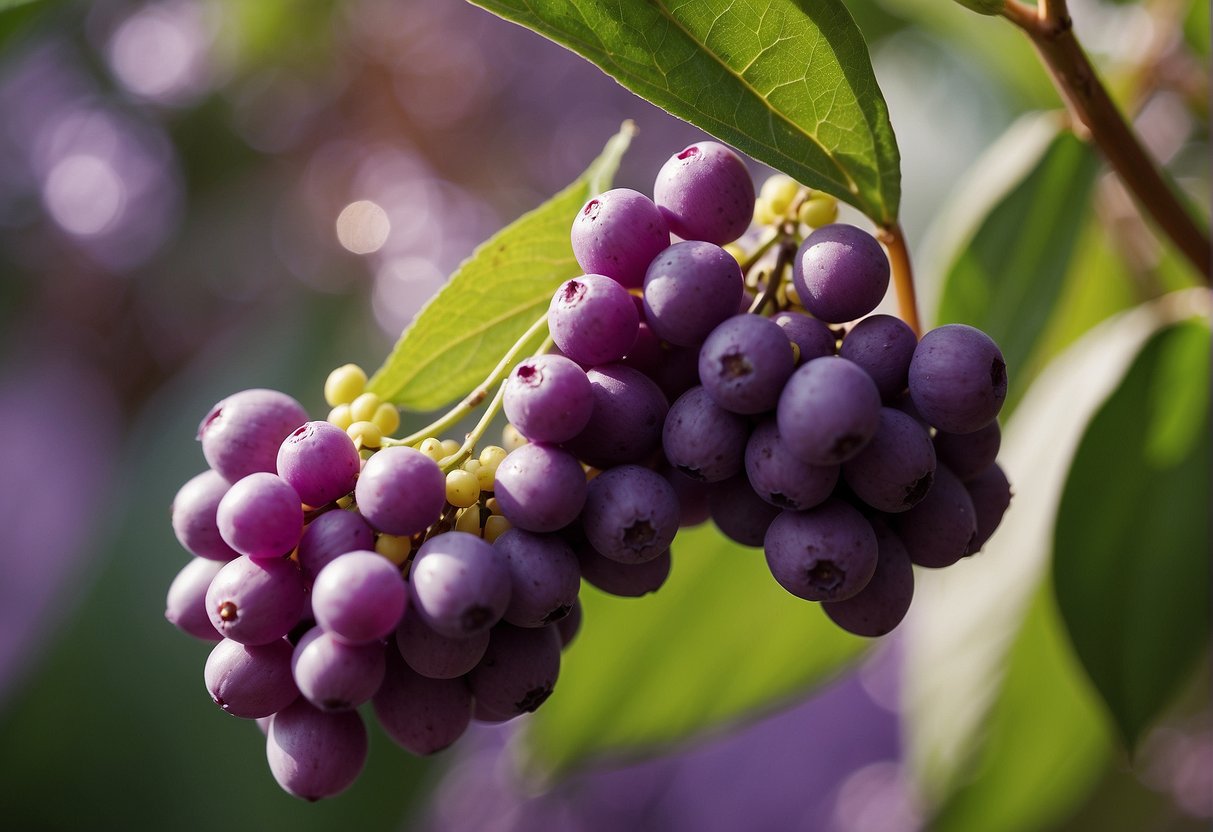
Should you have encountered a beautyberry plant, the vivid purple berries it bears might have caught your eye. However, were you aware that the beautyberry emits a unique fragrance as well? Its aroma is commonly characterized as being pleasantly sweet with a touch of spice, alongside nuances of vanilla and musk. Some individuals have even likened its scent to that of grape soda!
Beautyberry, also known as Callicarpa americana, is a deciduous shrub that is native to the southeastern United States. It typically grows to be around 3-5 feet tall and wide, and produces clusters of bright purple berries in the fall. While the plant is primarily grown for its ornamental value, it also has a number of practical uses, including as a natural insect repellent and as a source of food for wildlife.
Key Takeaways
- Beautyberry has a sweet and slightly spicy scent, with hints of vanilla and musk.
- Callicarpa americana is a deciduous shrub native to the southeastern United States.
- In addition to its ornamental value, beautyberry has practical uses as a natural insect repellent and food source for wildlife.
Botanical Profile
Genus and Species
The beautyberry is a member of the genus Callicarpa, which belongs to the family Verbenaceae. The most common species of beautyberry is Callicarpa americana, also known as American beautyberry. This species is native to the southeastern region of the United States.
Growth Habits
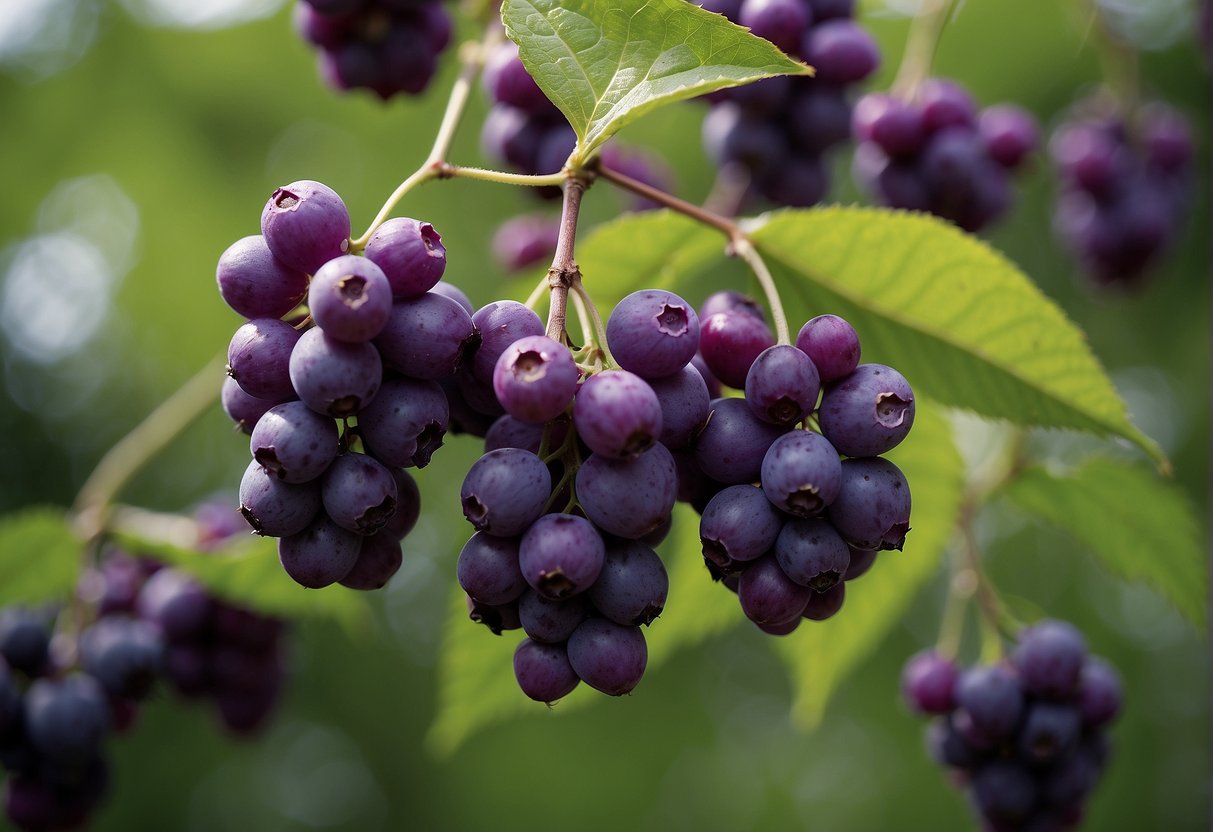
The beautyberry is a deciduous shrub that can grow up to 6 feet tall and wide. It has a sprawling growth habit and can form thickets if left unchecked. The leaves are simple, opposite, and ovate to elliptical in shape, with serrated margins. The flowers are small and pinkish-purple in color, and they bloom in late spring to early summer. The fruit is a drupe that is initially green but turns bright purple as it ripens in late summer to early fall.
Deciduous Nature
One of the unique features of the beautyberry is its deciduous nature. In the fall, the leaves turn yellow and drop off, leaving behind the brightly colored fruit. This deciduous habit allows the beautyberry to conserve water during periods of drought and also helps to protect the plant from freezing temperatures during the winter.
Overall, the beautyberry is a hardy and attractive shrub that is easy to grow in a variety of soil types and light conditions. Its striking purple fruit and unique growth habit make it a popular choice for gardens and landscapes across the southeastern United States.
Cultivation Details
Soil Requirements
Beautyberry plants prefer well-drained soil that is rich in organic matter. They can grow in a wide range of soil types, including sandy, loamy, and clay soils. However, they do best in soil that is slightly acidic with a pH range between 5.5 to 6.5.
Sunlight and Shade Preferences
Beautyberry plants thrive in full sun to light shade. They can tolerate some shade, but too much shade can reduce their growth and flowering. If you are planting beautyberry in a hot climate, it is best to provide them with some afternoon shade to prevent stress.
Watering and Moisture Needs
Beautyberry plants require regular watering, especially during their first year of growth. They prefer moist but well-drained soil and can tolerate short periods of drought once established. However, prolonged periods of drought can stress the plant and reduce its overall health.
Temperature and Hardiness Zones
Beautyberry plants are hardy in USDA zones 6 to 10 and can tolerate temperatures as low as -10°F (-23°C). They are native to the southeastern United States and are well adapted to the hot and humid climate of the region. If you are planting beautyberry outside of its native range, it is important to choose a site with similar growing conditions to ensure its success.
In summary, beautyberry plants are easy to grow and require minimal maintenance once established. They prefer well-drained soil, regular watering, and full sun to light shade. By following these cultivation details, you can grow a healthy and beautiful beautyberry plant in your garden.
Planting and Propagation
If you want to grow beautyberry, you have a few options for propagation. Here are some tips for successful planting and propagation:
Seed and Cutting Propagation
Beautyberry can be propagated by seed or softwood cuttings. If you choose to propagate by seed, sow the seeds in the fall or early spring. You can also propagate by softwood cuttings taken in the summer. Make sure the cuttings are taken from new growth, and dip the cut end in rooting hormone before planting.
Transplanting Tips
When transplanting beautyberry, it’s important to be gentle with the roots. Make sure to dig a hole that is twice as wide as the root ball, but no deeper. Place the plant in the hole and backfill with soil, making sure to gently tamp down the soil around the roots. Water the plant thoroughly after transplanting.
Spacing and Landscape Positioning
Beautyberry can grow up to 8 feet tall and wide, so it’s important to give it plenty of space. Plant beautyberry in a location that gets full sun to partial shade. It can be used as a specimen plant or as a hedge. Be aware that beautyberry can be self-pollinating or cross-pollinating, so if you want to ensure fruit production, plant at least two plants.
With these tips, you should be able to successfully propagate and plant beautyberry in your landscape.
Care and Maintenance
To keep your beautyberry plant healthy and thriving, it is important to provide proper care and maintenance. This includes regular pruning, fertilization, soil enrichment, and pest and disease management. Here are some tips to help you maintain your beautyberry plant:
Pruning Techniques
Pruning is an important part of maintaining the health and shape of your beautyberry plant. It is best to prune your plant in late winter or early spring before new growth begins. You can remove any dead or damaged branches, as well as any branches that are crossing or rubbing against each other.
To maintain the natural shape of your beautyberry plant, you can also selectively prune some of the older branches to encourage new growth. Be sure to use clean, sharp pruning shears to make clean cuts and avoid damaging the plant.
Fertilization and Soil Enrichment
Beautyberry plants prefer well-drained soil that is rich in organic matter. You can improve the soil quality by adding compost or other organic matter to the soil before planting. It is also important to fertilize your plant regularly to ensure healthy growth.
You can use a balanced fertilizer with equal amounts of nitrogen, phosphorus, and potassium. Apply the fertilizer in early spring and again in midsummer, following the manufacturer’s instructions.
Pest and Disease Management
Beautyberry plants are generally resistant to pests and diseases. However, they can still be affected by certain insects and diseases, such as scale insects and fungal leaf spots.
To prevent pest and disease problems, it is important to keep your plant healthy and well-maintained. You can also use organic pest control methods, such as neem oil or insecticidal soap, to treat any infestations.
By following these care and maintenance tips, you can keep your beautyberry plant healthy and beautiful for years to come.
Beautyberry Characteristics
If you’re wondering what beautyberry smells like, it’s important to first understand its characteristics. This deciduous shrub is known for its bright purple berries that grow in clusters along its stems. Here are some key characteristics of beautyberry:
Foliage and Blooms
Beautyberry has simple, opposite leaves that are elliptical in shape and have a pointed tip. The leaves are a vibrant green color during the growing season and turn yellow in the fall before dropping off. In the summer, beautyberry produces small, pinkish-purple blooms that are not particularly showy but still add to the overall beauty of the plant.
Fruit Description and Edibility
The most striking feature of beautyberry is its bright purple berries that grow in clusters along the stems. These berries are not edible for humans, but they are a favorite food source for birds and other wildlife. The berries are small and round, measuring about 1/4 inch in diameter, and have a slightly waxy texture.
Seasonal Changes
Beautyberry is a low-maintenance shrub that requires little pruning or maintenance. It blooms in the summer and produces its berries in the fall, providing interest in the garden throughout the growing season. It is also known for its fall color, with the leaves turning yellow before dropping off.
Overall, beautyberry is a beautiful and unique addition to any garden. Its purple berries add a pop of color and interest to the landscape, and its foliage provides a lush backdrop for other plants. While it may not have a strong scent, beautyberry is still a stunning and worthwhile plant to grow.
Landscape and Wildlife Contributions
The beautyberry plant, with its vibrant purple fruits and delicate pink flowers, is a valuable addition to any landscape or wildlife garden. Here are some of the benefits that this plant can offer:
Attracting Wildlife
Beautyberry is a native plant that attracts a wide range of wildlife to your garden. Birds, including cardinals, blue jays, and mockingbirds, are attracted to the plant’s bright purple berries, which provide a valuable food source during the fall and winter months. In addition, the plant’s flowers attract bees, butterflies, and other pollinators, making it an important part of any wildlife garden.
Garden Aesthetics
The beautyberry plant is an attractive addition to any garden, with its striking purple berries and delicate pink flowers. It can be used as a focal point in a garden bed or as a border plant to add color and interest to your landscape. Its leaves are also attractive, with a bright green color that contrasts well with the plant’s flowers and berries.
Insect Repellent Properties
Beautyberry has been found to have insect repellent properties, particularly against mosquitoes and flies. The leaves of the plant contain compounds that are effective at repelling these insects, making it a useful addition to any outdoor space. Some gardeners even crush the leaves and rub them on their skin as a natural mosquito repellent.
Overall, the beautyberry plant is a valuable addition to any garden or landscape. Its attractive appearance, ability to attract wildlife, and insect repellent properties make it a versatile and useful plant for any outdoor space.
Varieties and Cultivars
Common Varieties
There are two main types of beautyberry: American beautyberry (C. americana) and Asian beautyberry (C. japonica). American beautyberry is native to the southeastern United States and is hardy in zones 7-11, while Asian beautyberry is native to Japan and is hardy in zones 5-8.
Within these two types, there are several varieties of beautyberry. Some of the most common varieties of American beautyberry include:
- Early Amethyst: This variety is known for its early blooming and compact growth habit.
- Lactea: This variety has white berries instead of the typical purple color.
- Welch’s Pink: This variety has pink berries instead of the typical purple color.
Some of the most common varieties of Asian beautyberry include:
- C. japonica: This is the most common variety of Asian beautyberry.
- C. japonica ‘Lactea’: This variety has white berries instead of the typical purple color.
Cultivar-Specific Growing Conditions
Different cultivars of beautyberry may have specific growing conditions that they prefer. For example, some cultivars may prefer more shade or more sun than others. It is important to research the specific growing conditions for your chosen cultivar to ensure that it thrives in your garden.
Overall, beautyberry is a low-maintenance plant that is easy to grow in the appropriate conditions. With its striking purple berries and attractive foliage, it is a great addition to any garden.
Practical Uses and Benefits
Culinary Applications
You can use beautyberry in various culinary applications. The berries have a slightly bitter taste with a hint of sweetness. You can use them to make tea, jelly, or jam. The tea made from beautyberry leaves has a mild, earthy flavor that is slightly bitter. You can mix it with other herbs to create a unique flavor.
You can also use beautyberry to make jelly or jam. The berries have a natural pectin that makes them ideal for making jelly. To make jelly, you need to crush the berries and cook them with sugar and water. The resulting jelly has a beautiful purple color and a slightly sweet taste.
Traditional and Medicinal Uses
Beautyberry has been used for centuries for its medicinal properties. The crushed leaves of the plant have been used to treat insect bites and stings. The leaves contain compounds that have anti-inflammatory and analgesic properties that help reduce swelling and pain.
You can also use beautyberry to treat various skin conditions. The leaves contain compounds that help reduce inflammation and soothe irritated skin. You can crush the leaves and apply them directly to the affected area to relieve itching and irritation.
In conclusion, beautyberry has various practical uses and benefits. You can use it in various culinary applications, such as making tea, jelly, or jam. The plant also has medicinal properties and has been used for centuries to treat various ailments.
Propagation and Care Tips
If you’re interested in growing beautyberry, you’ll be glad to know that it’s relatively easy to propagate and care for. Here are some tips to ensure that your beautyberry thrives.
Optimal Pruning Seasons
Beautyberry plants should be pruned during the winter or early spring when the plant is dormant. This will help to promote new growth and maintain the plant’s shape. When pruning, be sure to remove any dead or damaged branches, as well as any crossing or rubbing branches. You can also prune back the plant to control its size and shape.
Watering Schedule
Beautyberry plants prefer moist, well-drained soil. Water your plant regularly, especially during the hot summer months, to ensure that the soil stays moist. However, be careful not to overwater, as this can lead to root rot. A good rule of thumb is to water your beautyberry deeply once a week, or more often if the weather is particularly hot and dry.
Fertilization Strategy
Beautyberry plants don’t require a lot of fertilizer, but a balanced, slow-release fertilizer can help to promote healthy growth. Apply fertilizer in early spring, just as the plant is starting to wake up from its winter dormancy. Be sure to follow the manufacturer’s instructions for application rates and timing.
By following these simple propagation and care tips, you can enjoy the beauty and fragrance of your beautyberry plant for years to come.
Aesthetic Considerations
When considering the beautyberry shrub, aesthetics are an important factor to keep in mind. This deciduous shrub is known for its striking purple berries and arching branches, making it a popular choice for gardeners looking to add some fall interest to their landscape.
Seasonal Color and Texture
One of the most notable features of the beautyberry is its purple berries, which appear in the fall and can last well into the winter. These berries are not only visually striking, but they also emit a pleasant, mild fragrance that can add to the overall sensory experience of your garden.
In addition to its berries, the beautyberry also boasts attractive foliage. Its leaves are a deep green color, which provides a nice contrast to the vibrant purple of the berries. The leaves are also slightly fuzzy, which adds a unique texture to the shrub.
Architectural Impact in the Garden
The beautyberry’s arching branches give it a distinctive, almost sculptural quality that can make it a standout specimen plant in your garden. Its branching pattern also makes it a great choice for adding structure and interest to your landscape.
When planted en masse, the beautyberry can create a stunning visual effect. Its arching branches create a graceful, flowing movement that can add a sense of movement and energy to your garden.
Overall, the beautyberry is a beautiful and unique shrub that can add both visual and sensory interest to your landscape. Whether planted as a specimen plant or used to create a mass planting, this shrub is sure to make a statement in your garden.
Frequently Asked Questions
What are the medicinal uses of beautyberry?
Beautyberry has been used in traditional medicine for its anti-inflammatory, analgesic, and antimicrobial properties. It has also been used to treat fever, dysentery, and colic. However, more research is needed to determine the effectiveness of beautyberry for these uses.
How can one differentiate between beautyberry and its poisonous look-alike?
The American beautyberry is easily distinguishable from its poisonous look-alike, the American pokeweed. Beautyberry has bright purple berries in clusters along the stem, while pokeweed has dark purple berries that grow in long, drooping clusters. Additionally, beautyberry leaves are opposite each other on the stem, while pokeweed leaves alternate.
What is the flavor profile of beautyberry jelly?
Beautyberry jelly has a unique flavor that is described as sweet and slightly tart, with a hint of floral notes. Some people also describe it as having a grape-like flavor.
Are beautyberries safe to consume raw?
While beautyberries are generally safe to consume, it is recommended to only eat them in moderation and to cook them before consuming. Eating large quantities of raw beautyberries can cause stomach upset.
What are the benefits of beautyberry in repelling mosquitoes?
Beautyberry contains a compound called callicarpenal, which has been found to repel mosquitoes. Studies have shown that beautyberry extracts and essential oils can be effective in repelling mosquitoes for up to four hours.
How does beautyberry affect dogs if ingested?
While beautyberry is generally safe for humans, it can be toxic to dogs if ingested in large quantities. Symptoms of beautyberry poisoning in dogs can include vomiting, diarrhea, and lethargy. If you suspect your dog has ingested beautyberries, it is important to seek veterinary care immediately.

