
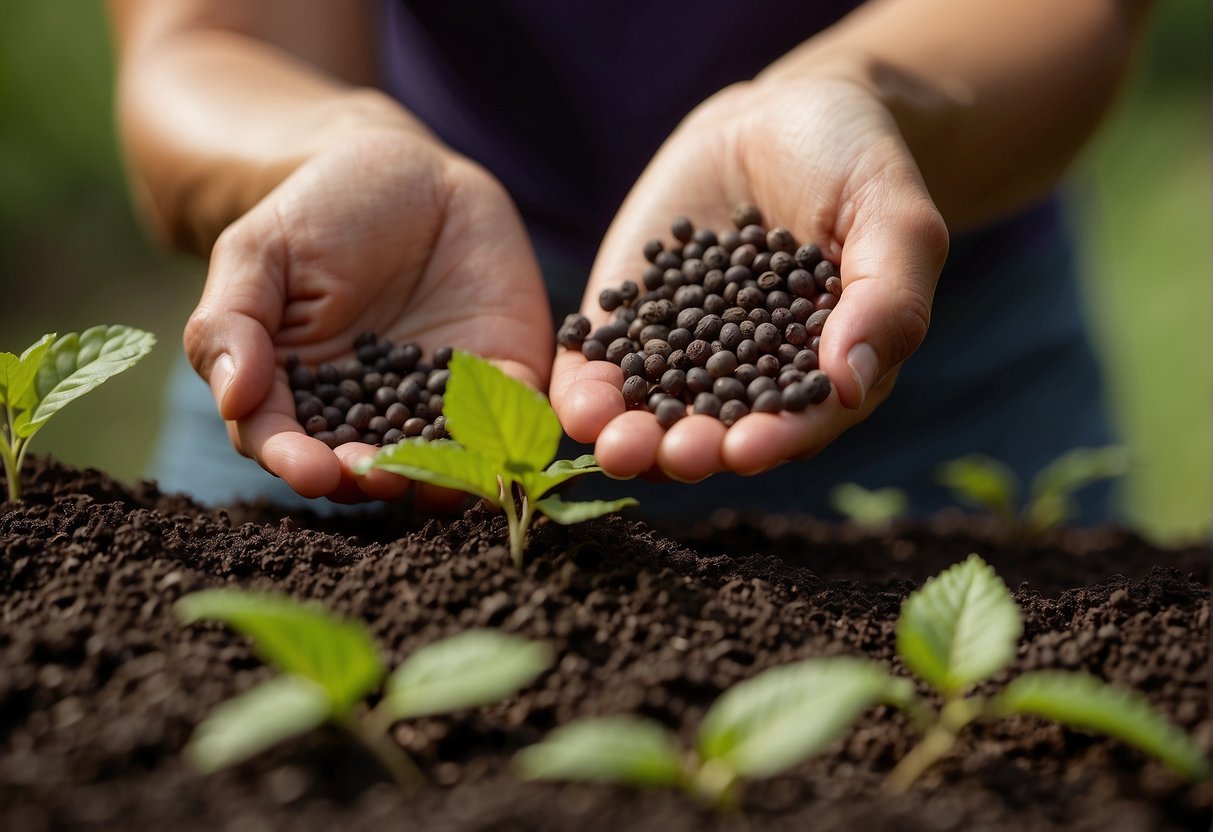
How to Plant Beautyberry Seeds: A Step-by-Step Guide
For those wishing to infuse their garden with a splash of vibrant hues, beautyberry makes a fantastic addition. This deciduous bush captivates with its clusters of striking purple berries that adorn its branches. Although propagation from cuttings is common for beautyberry, starting from seeds can be an economical option to include this stunning shrub in your garden. In the following article, we will walk you through the steps of sowing beautyberry seeds and give you advice on how to ensure their flourishing growth and upkeep.
Before we dive into the specifics of planting beautyberry seeds, it’s important to understand the plant itself. Beautyberry, also known as Callicarpa, is native to North America and Asia. It typically grows to be 3-6 feet tall and wide, making it an excellent choice for borders or hedges. The plant blooms in late summer and early fall, producing small pink or white flowers that eventually give way to the striking purple berries. Beautyberry is a hardy plant that can thrive in a range of soil types and conditions, making it a popular choice for gardeners of all skill levels.
Key Takeaways
- Beautyberry is a deciduous shrub known for its vibrant purple berries.
- Planting beautyberry seeds is a cost-effective way to add this beautiful plant to your landscape.
- Beautyberry is a hardy plant that can thrive in a range of soil types and conditions.
Understanding Beautyberry
Species Overview
Beautyberry, also known as Callicarpa, is a genus of shrubs that belong to the mint family. The plant is native to the southeastern United States and is commonly found in woodlands, thickets, and along roadsides. There are two main species of beautyberry, the American beautyberry (Callicarpa americana) and the Japanese beautyberry (Callicarpa japonica), both of which are popular in gardens and landscapes.
The beautyberry shrub produces small, pink, or white flowers in the summer, which are followed by clusters of purple or white berries in the fall. The berries are not only attractive but also edible, making them a great addition to any garden.
Optimal Growing Conditions
Beautyberry is a hardy plant that can grow in a variety of soil types, but it prefers well-draining soil that is rich in organic matter. The plant also requires full sun to partial shade and regular watering, especially during the hot and dry summer months. Beautyberry is tolerant of humidity and can grow in a range of temperatures, but it prefers a slightly acidic soil pH between 5.5 and 6.5.
The plant is hardy in USDA hardiness zones 6 to 10, which means it can survive in a wide range of climates. However, it may require some protection from harsh winter conditions in colder zones.
Benefits in the Garden
Beautyberry is a great addition to any garden or landscape for several reasons. The plant is low maintenance and can add a pop of color to your outdoor space with its vibrant berries and flowers. Additionally, beautyberry is known to attract birds to your garden, making it a great choice for birdwatchers.
One of the most interesting benefits of beautyberry is that it may repel mosquitoes. Studies have shown that the plant contains compounds that are effective in repelling the pests. However, more research is needed to determine the effectiveness of beautyberry as a natural mosquito repellent.
In conclusion, understanding the optimal growing conditions and benefits of beautyberry can help you successfully plant and care for this attractive and useful shrub in your garden or landscape.
Preparation for Planting
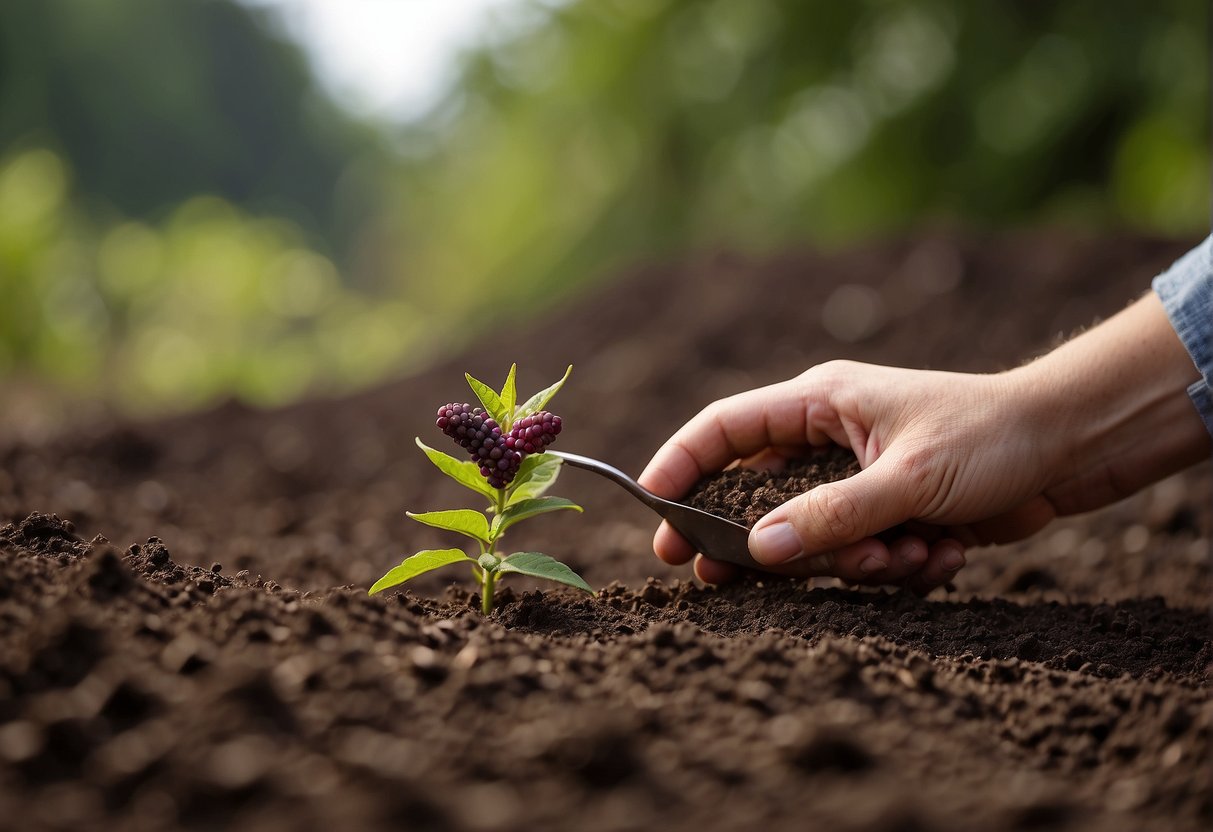
Before you start planting beautyberry seeds, it is important to prepare your garden soil properly. This will ensure that your seeds have the best chance of growing into healthy plants. In this section, we will cover the two main aspects of soil preparation: soil quality and seed collection and storage.
Soil Preparation
Beautyberry plants prefer well-drained soil that is rich in organic matter. If your garden soil is heavy, clay-based, or poorly drained, you may need to amend it before planting. One way to do this is to add compost or other organic matter to the soil. This will improve the soil’s texture and drainage, as well as provide nutrients for your plants.
To prepare your soil for planting beautyberry seeds, follow these steps:
- Choose a sunny location in your garden that has well-drained soil.
- Remove any weeds or debris from the area.
- Dig a hole that is twice the size of the root ball of your beautyberry plant.
- Mix in compost or other organic matter to the soil.
- Plant your beautyberry plant in the hole and water it thoroughly.
Seed Collection and Storage
If you want to grow beautyberry plants from seeds, you will need to collect the seeds from mature berries in the fall. Once you have collected the seeds, it is important to store them properly to ensure their viability.
To collect and store beautyberry seeds, follow these steps:
- Wait until the berries on your beautyberry plant are fully ripe and have turned a bright purple color.
- Gently remove the berries from the plant and place them in a container.
- Crush the berries to release the seeds.
- Rinse the seeds with water to remove any pulp or debris.
- Spread the seeds out on a paper towel to dry for a few days.
- Store the dried seeds in a cool, dry place until you are ready to plant them.
By following these steps for soil preparation and seed collection and storage, you will be well on your way to successfully planting and growing beautyberry plants in your garden.
Planting Beautyberry Seeds
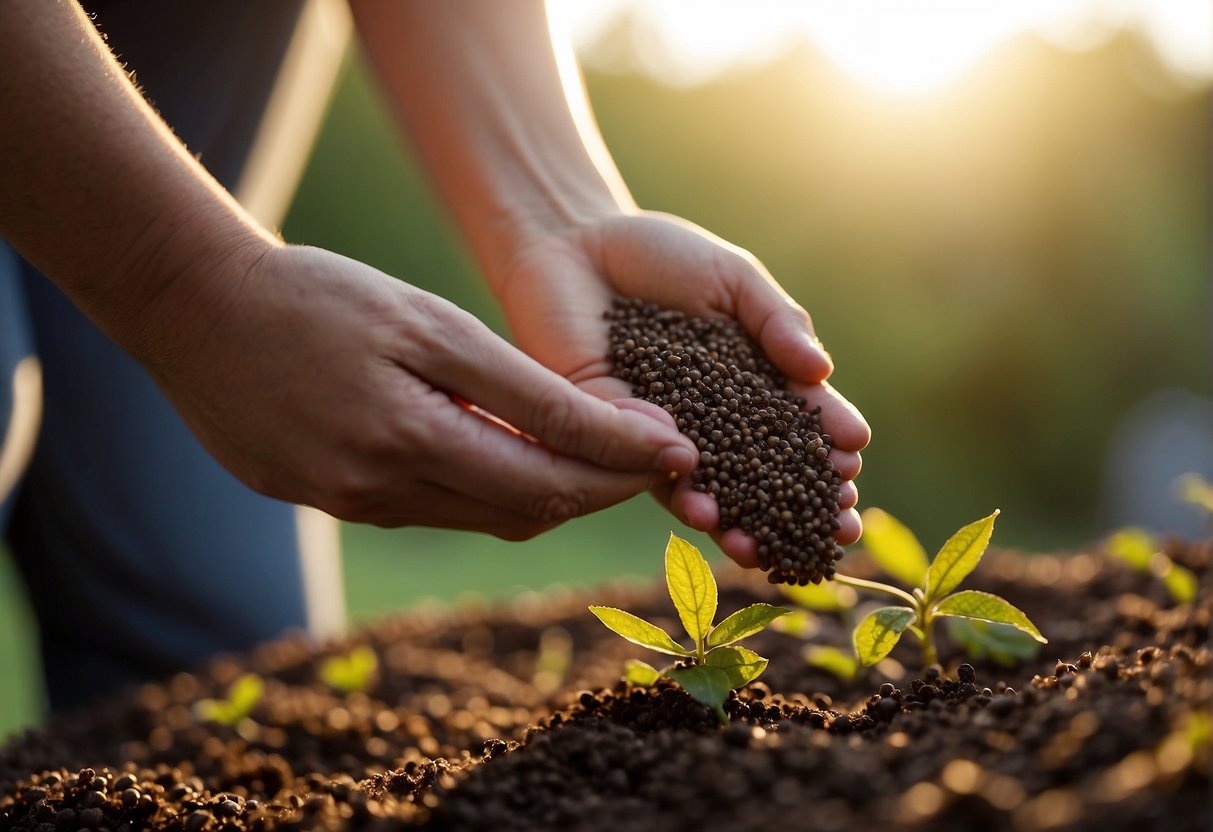
If you are interested in growing beautyberry plants in your garden, planting seeds is an easy and affordable way to get started. Here are some tips on how to plant beautyberry seeds:
Timing and Sowing Seeds
The best time to sow beautyberry seeds is in late winter or early spring, before the last frost. You can start the seeds indoors in seedling trays or directly sow them in the garden. If you choose to sow them indoors, fill the trays with moist potting soil and sow the seeds about 1/4 inch deep. Keep the soil moist and place the trays in a warm, well-lit area.
Germination Process
Beautyberry seeds usually germinate within 2-3 weeks. Once the seedlings sprout, make sure they get enough water and light. Keep the soil moist but not waterlogged, and provide at least 6 hours of direct sunlight per day. You can also use a grow light if you don’t have enough natural light.
Transplanting Seedlings
When the seedlings are about 2-3 inches tall and have 2-3 sets of leaves, they are ready to be transplanted into the garden. Choose a sunny spot with well-draining soil and space the plants about 3-4 feet apart in rows. Dig a hole slightly larger than the root ball of the seedling, gently remove it from the tray, and place it in the hole. Fill in the soil around the plant and water it well.
By following these simple steps, you can grow beautiful and healthy beautyberry plants in your garden. Remember to keep the plants well-watered and pruned, and enjoy the stunning purple berries that will appear in the fall.
Beautyberry Care and Maintenance
Growing beautyberry from seeds can be a rewarding experience, but it requires proper care and maintenance to ensure a healthy and productive shrub. Here are some tips on how to care for and maintain your beautyberry plant:
Watering and Fertilization
Beautyberry plants prefer moist, well-draining soil, so make sure to water them regularly, especially during the hot summer months. However, be careful not to overwater, as this can lead to root rot and other problems. A good rule of thumb is to water deeply once a week, or more often if the soil is dry to the touch.
To promote healthy growth and fruit production, it’s also important to fertilize your beautyberry plant regularly. Use a balanced fertilizer, such as a 10-10-10 or 20-20-20 formula, and apply it according to the manufacturer’s instructions. Do not over-fertilize, as this can damage the plant and reduce fruit production.
Pruning and Shaping
Beautyberry plants can grow up to 6 feet tall and wide, so it’s important to prune and shape them regularly to maintain their size and shape. Prune your beautyberry plant in late winter or early spring, before new growth appears. Remove any dead, damaged, or diseased wood, as well as any crossing or rubbing branches. You can also prune back new wood to encourage branching and a fuller, bushier plant.
To shape your beautyberry plant, use pruning shears to remove any branches that are growing out of bounds or spoiling the overall shape of the plant. You can also prune the plant to a specific height or shape, such as a rounded or arching form.
Pest and Disease Management
Beautyberry plants are generally resistant to pests and diseases, but they can sometimes be affected by common garden problems such as aphids, spider mites, and black mold. To prevent these problems, keep your beautyberry plant healthy and well-maintained, and avoid overwatering or over-fertilizing.
If you do notice pest or disease problems, treat them promptly with an appropriate insecticide or fungicide. Follow the manufacturer’s instructions carefully, and avoid using harsh chemicals that can damage the plant or harm beneficial insects.
By following these simple tips for beautyberry care and maintenance, you can enjoy a healthy, productive, and beautiful shrub in your garden for years to come.
Propagation Techniques
If you want to propagate beautyberry plants, there are two main methods you can use: cuttings and layering. Both techniques are effective, and the method you choose will depend on your preference and the resources you have available.
Cuttings Method
The cuttings method involves taking a stem cutting from a mature beautyberry plant and rooting it in soil. Softwood cuttings taken in the summer are the best for this method. Here are the steps to follow:
- Choose a healthy stem from the beautyberry plant and cut it at a 45-degree angle using a sharp, clean pair of pruning shears.
- Remove all the leaves from the bottom half of the stem.
- Dip the cut end of the stem in rooting hormone to encourage root growth.
- Plant the stem in a pot filled with well-draining soil and water it thoroughly.
- Place the pot in a warm, bright location, but avoid direct sunlight.
- Keep the soil moist and wait for the cutting to root, which usually takes 4-6 weeks.
Layering Approach
The layering approach involves bending a stem from a mature beautyberry plant down to the ground and burying a portion of it in soil. Here are the steps to follow:
- Choose a healthy, flexible stem and bend it down to the ground.
- Make a small wound on the underside of the stem where it touches the soil.
- Bury the wounded part of the stem in soil, leaving the tip of the stem exposed.
- Water the soil thoroughly.
- Wait for roots to form on the buried portion of the stem, which usually takes several weeks.
- Once roots have formed, cut the stem from the parent plant and transplant the new beautyberry plant to its permanent location.
By using either of these propagation techniques, you can easily grow new beautyberry plants in your garden. Just be sure to follow the steps carefully and provide the right conditions for the plants to thrive.
Additional Tips for Success
Seasonal Care
To ensure successful growth of your beautyberry seeds, it is important to take care of them throughout the seasons. During the summer, make sure to water your plants regularly, as they are drought-tolerant but still require moisture. In the fall, beautyberry plants produce clusters of bright purple berries, which attract birds and other animals. To keep the berries on the plant as long as possible, avoid pruning until after the first frost. During the winter, beautyberry plants are hardy and can survive in temperatures as low as -10°F.
Attracting Wildlife
Beautyberry plants are known for their ability to attract wildlife, particularly birds and insects. To encourage more wildlife to visit your garden, plant your beautyberry in an area that receives full sun or partial shade. You can also add other plants that attract wildlife, such as milkweed or bee balm. By creating a diverse landscape, you can help support a variety of different species.
Creating a Beautyberry Landscape
Beautyberry plants are a great addition to any backyard or garden, and they can be used to create a beautiful landscape. To create a low-maintenance beautyberry landscape, plant your beautyberry in clusters and allow them to grow naturally. You can also add other plants that complement the beautyberry’s purple berries, such as yellow or white flowers. If you live in an area with harsh winters, you can plant your beautyberry in a greenhouse to protect it from the cold.
By following these tips, you can successfully plant and maintain beautyberry seeds in your garden. With their beautiful clusters of purple berries and ability to attract wildlife, beautyberry plants are a great addition to any landscape.
Common Questions Addressed
Edibility and Usage
Beautyberry seeds are not edible, but the fruit is. The fruit of the beautyberry plant is known for its vibrant purple color and is often used for decorative purposes. However, it can also be used to make jelly, jam, and other sweet treats. When harvesting the fruit, it is important to note that the flavor is not very strong, so it may be necessary to add sugar or other ingredients to enhance the taste.
Adaptability to Different Climates
Beautyberry plants are known for their adaptability to different climates. They are hardy in zones 6 through 10 and can grow in a variety of soil types. However, they do prefer well-drained soil and partial shade. Beautyberry plants thrive in areas with ample sunlight, but they can also grow in areas with partial shade.
It is important to note that while beautyberry plants are hardy, they may not survive in areas with extreme temperatures or weather conditions. If you live in an area with harsh winters or hot summers, it may be necessary to take extra precautions to protect your beautyberry plants.
Overall, beautyberry seeds are a great addition to any garden. With their adaptability and beautiful purple berries, they are sure to add a touch of beauty to your outdoor space.
Frequently Asked Questions
What is the ideal soil composition for planting beautyberry seeds?
Beautyberry seeds grow well in well-draining soil that is rich in organic matter. A soil pH of 6.0 to 6.5 is ideal for beautyberries. You can add compost or aged manure to the soil to improve its quality.
What are the steps to germinate beautyberry seeds indoors?
To germinate beautyberry seeds indoors, start by soaking the seeds in water for 24 hours to soften the hard outer shell. Then, plant the seeds in a seed-starting mix and keep the soil moist. Place the container in a warm, bright location, and the seeds should germinate in 2-3 weeks.
When is the best time to sow beautyberry seeds outdoors?
Beautyberry seeds can be sown outdoors in the spring after the danger of frost has passed. You can also sow the seeds in the fall, but they may not germinate until the following spring.
How do you ensure proper growth for beautyberries in pots?
To ensure proper growth for beautyberries in pots, use a container that is at least 12 inches deep and wide. Fill the container with well-draining soil and add compost or aged manure to improve its quality. Water the plant regularly and fertilize it with a balanced fertilizer every 4-6 weeks during the growing season.
What care should be taken when planting beautyberry seeds in warm climates like Florida?
In warm climates like Florida, it is important to plant beautyberry seeds in a location that receives partial shade to protect the plant from the hot afternoon sun. Water the plant regularly, and mulch around the base to help retain moisture in the soil.
How deep should beautyberry seeds be sown in the soil?
Beautyberry seeds should be sown about 1/4 inch deep in the soil. Cover the seeds lightly with soil and water gently.

