
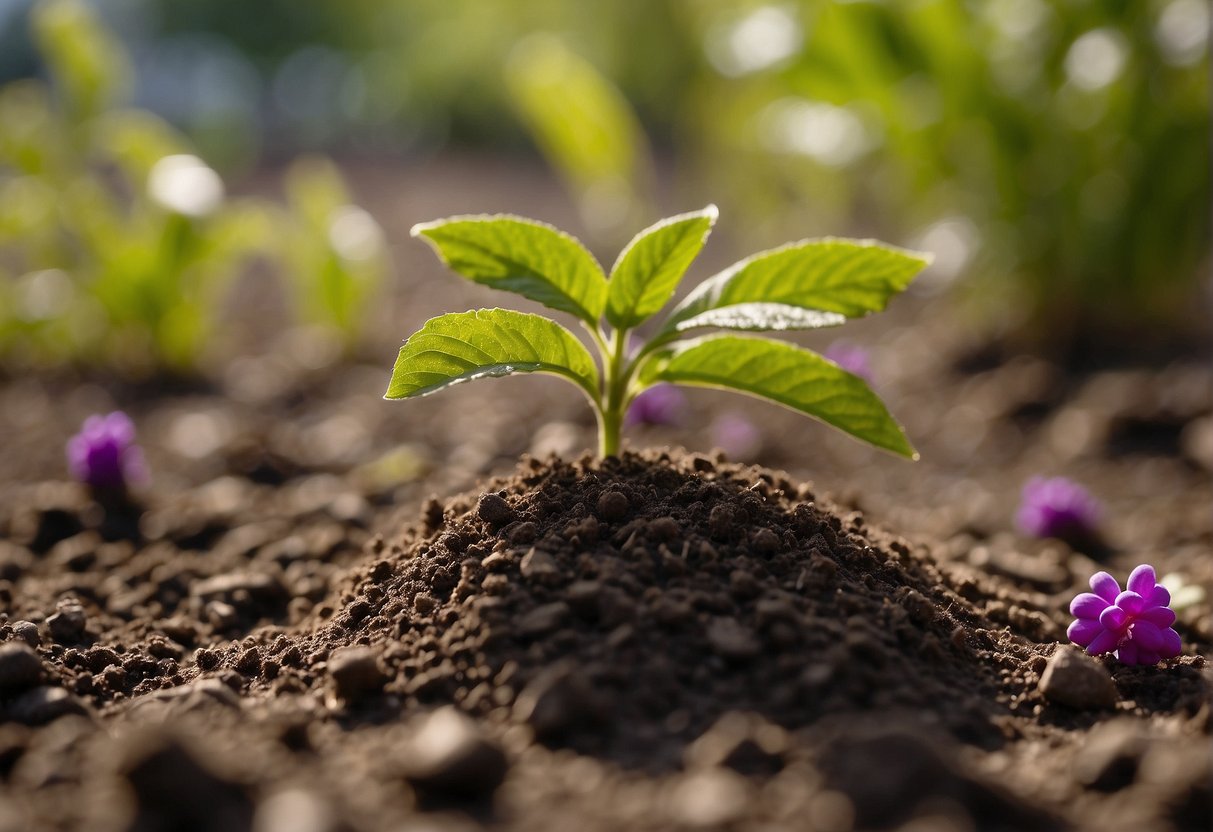
How to Root Beautyberry Bush: A Clear and Confident Guide
Seeking to inject some vibrant hues into your garden? Consider the beautyberry bush, an excellent choice for this purpose. Distinguished by its vivid purple berries and luxuriant green leaves, it’s bound to draw attention. However, did you realize that beautyberry bushes can be propagated through the rooting of cuttings? This article will guide you through the necessary steps to efficiently root a beautyberry bush of your own.
First, let’s take a closer look at the beautyberry bush itself. Understanding the plant’s growth habits and needs is key to successfully propagating it. We’ll cover the basics of beautyberry, including its preferred growing conditions and the different varieties available. Then, we’ll move on to propagation techniques, including the best time to take cuttings and how to encourage rooting. By the end of this article, you’ll be well on your way to growing your own beautyberry bushes.
Key Takeaways
- Beautyberry bushes can be propagated by rooting cuttings.
- Understanding the plant’s growth habits is key to successful propagation.
- Proper preparation and care can help ensure long-term success.
Understanding Beautyberry
If you are looking for a native shrub that can add a pop of color to your garden, you might want to consider growing beautyberry. This shrub, also known as Callicarpa, is prized for its striking foliage, delicate flowers, and purple berries.
Species Overview
There are several species of beautyberry, but the American beautyberry (Callicarpa americana) is the most common in the United States. This deciduous shrub can grow up to 6 feet tall and wide, and it produces clusters of small, pink or white flowers in the summer. In the fall, the shrub’s leaves turn yellow and drop, revealing the striking purple berries that give the plant its name.
Ideal Growing Conditions
Beautyberry is a hardy shrub that can grow in a range of soil types, from sandy to clay. However, it prefers well-drained soil that is slightly acidic. The shrub also prefers full sun to partial shade, and it can tolerate drought conditions once established.
Seasonal Care Cycle
To keep your beautyberry healthy and looking its best, it is important to follow a few seasonal care tips. In the spring, prune the shrub to remove any dead or damaged wood, and fertilize with a balanced fertilizer. In the summer, water the shrub deeply once a week, especially during dry spells. In the fall, mulch around the base of the shrub to protect the roots from cold temperatures.
With a little care and attention, your beautyberry shrub can provide years of beauty and enjoyment in your garden.
Propagation Techniques

If you want to propagate a beautyberry bush, you have a few options to choose from. In this section, we will discuss two common propagation techniques: seed propagation and cutting propagation.
Seed Propagation
One way to propagate a beautyberry bush is by using seeds. To do this, you will need to collect the seeds from a mature beautyberry bush. Once you have collected the seeds, you can plant them in seedling trays filled with a well-draining soil mix. Make sure to keep the soil moist but not waterlogged.
It may take several weeks for the seeds to germinate, so be patient. Once the seedlings have sprouted, you can transplant them into individual pots. Make sure to provide them with plenty of light and keep the soil moist.
Cutting Propagation
Another way to propagate a beautyberry bush is by using stem cuttings. Softwood cuttings taken in the summer are the best for rooting. To do this, you will need to take a cutting from a mature beautyberry bush. Make sure the cutting is about 4-6 inches long and has at least two sets of leaves.
Dip the cut end of the stem in rooting hormone and plant it in a well-draining soil mix. Keep the soil moist and provide the cutting with bright, indirect light. It may take several weeks for the cutting to root and start growing new leaves.
Propagation can be a fun and rewarding way to grow your own beautyberry bushes. Whether you choose to use seeds or stem cuttings, make sure to provide your new plants with plenty of care and attention. With time and patience, you can have a beautiful and thriving beautyberry bush of your own.
Preparing for Planting
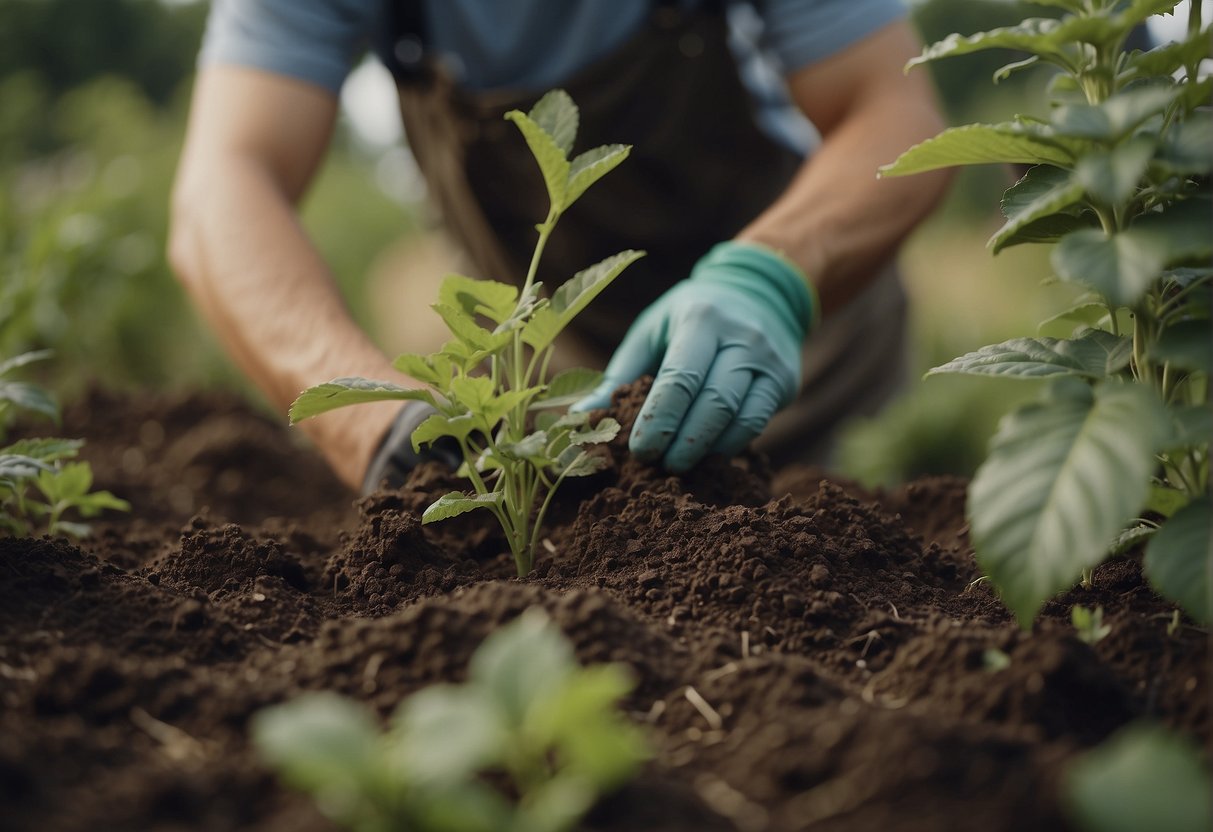
Before rooting a beautyberry bush, it is important to prepare the soil and select the right location for planting. In this section, we will discuss the necessary steps to ensure your beautyberry bush grows healthy and strong.
Soil Preparation
Beautyberry bushes prefer well-drained soil with a pH level between 6.0 and 6.5. If your garden soil does not meet these requirements, you can amend it by adding organic matter such as compost, peat moss, or aged manure. Mix the organic matter into the soil to a depth of at least 12 inches.
If you are planting in a pot, choose a high-quality potting soil that is formulated for shrubs and trees. Make sure the pot has drainage holes to prevent water from accumulating at the bottom.
Selecting the Right Location
Beautyberry bushes thrive in full sun or partial shade. Choose a location that receives at least 6 hours of sunlight per day. Avoid planting in areas with heavy shade or where the plant may be exposed to strong winds.
Good drainage is essential for the health of your beautyberry bush. Avoid planting in areas where water tends to accumulate, as this can lead to root rot and other problems.
Temperature is also a factor to consider when selecting a location. Beautyberry bushes are hardy in USDA zones 6-10 and prefer temperatures between 60-85°F. If you live in a colder climate, consider planting in a protected area or covering the plant during the winter months.
By following these simple steps, you can prepare the soil and select the right location for your beautyberry bush, ensuring it has the best chance for success.
Planting Your Beautyberry
Once you have rooted your beautyberry cuttings successfully, it’s time to plant them. In this section, we will discuss two methods of planting: potting and outdoor planting.
Potting and Container Tips
If you plan to grow your beautyberry bush in a container, choose a pot that is at least 12 inches in diameter and has drainage holes at the bottom. Fill the pot with a well-draining potting mix that is rich in organic matter. You can also add perlite or vermiculite to improve drainage.
When planting your beautyberry in a container, make sure to leave enough space for the roots to grow. Place the cutting in the center of the pot and fill the remaining space with potting mix. Water the plant thoroughly and place it in a location that receives partial shade.
Outdoor Planting Method
If you plan to plant your beautyberry bush in your garden or landscape, choose a location that receives partial shade. Dig a hole that is twice as wide and deep as the root ball of your cutting. Mix some compost or well-rotted manure with the soil and fill the hole halfway.
Place the cutting in the center of the hole and fill the remaining space with soil. Water the plant thoroughly and mulch around the base to retain moisture. Make sure to water your beautyberry regularly, especially during dry spells.
Transplanting your beautyberry bush can be done after it has established itself in its new location. Simply dig up the plant and its root ball, and replant it in a new location following the same steps as above.
By following these simple tips, you can successfully plant and grow your beautyberry bush in a pot or in your garden.
Post-Planting Care
Congratulations on successfully planting your beautyberry bush! Now that it’s in the ground, it’s important to take care of it to ensure it grows healthy and strong. Here are some post-planting care tips to help you out.
Watering and Moisture Management
Watering your beautyberry bush is crucial for its survival and growth. It’s important to keep the soil moist, but not waterlogged. A good rule of thumb is to water deeply once a week, rather than shallowly every day. This will encourage deep root growth and help your bush withstand drought conditions.
If you live in an area with high humidity or heavy rainfall, you may need to adjust your watering schedule accordingly. Be sure to monitor the soil moisture regularly and adjust your watering as needed.
Mulching and Fertilization
Mulching around your beautyberry bush can help retain moisture in the soil and suppress weed growth. Apply a layer of mulch about 2-3 inches deep around the base of the bush, being careful not to pile it up against the trunk. This will also help regulate soil temperature and prevent erosion.
Fertilizing your beautyberry bush is not always necessary, but can help promote healthy growth and vibrant foliage. Use a balanced fertilizer in the spring, before new growth appears. Be sure to follow the manufacturer’s instructions carefully and avoid over-fertilizing, as this can damage the plant.
Pruning and Maintenance
Pruning your beautyberry bush can help maintain its shape and promote new growth. It’s best to prune in late winter or early spring, before new growth appears. Remove any dead or damaged branches, as well as any crossing branches that may rub against each other and cause damage.
Regular maintenance, such as removing any debris or fallen leaves from around the base of the bush, can help prevent disease and pest problems. Be sure to monitor your bush regularly for signs of disease or pests, and take action promptly if necessary.
By following these post-planting care tips, you can help ensure the health and growth of your beautyberry bush for years to come.
Common Challenges
When rooting beautyberry bushes, there are a few common challenges that you may encounter. In this section, we will discuss how to deal with pests and diseases, as well as how to manage environmental stress.
Dealing with Pests and Diseases
Pests and diseases can be a major problem when rooting beautyberry bushes. Here are some common pests and diseases you may encounter and how to deal with them:
-
Aphids: These tiny insects can suck the sap from your beautyberry bushes, causing them to wilt and die. To get rid of aphids, spray your plants with a solution of water and dish soap. You can also introduce ladybugs to your garden, as they love to eat aphids.
-
Powdery Mildew: This fungal disease can cause a white, powdery coating to appear on the leaves of your beautyberry bushes. To prevent powdery mildew, make sure your plants are getting enough sunlight and air circulation. If you do notice powdery mildew, you can treat it with a solution of water and baking soda.
-
Root Rot: This fungal disease can cause your beautyberry bushes to wilt and die. To prevent root rot, make sure your plants are not sitting in water and that the soil is well-draining. If you do notice root rot, you may need to remove the affected plants and replant in a new location.
Managing Environmental Stress
Environmental stress can also be a challenge when rooting beautyberry bushes. Here are some tips for managing environmental stress:
-
Drought: Beautyberry bushes prefer moist soil, so make sure to water them regularly. If you live in an area with little rainfall, you may need to water your plants more frequently.
-
Heat: Beautyberry bushes can tolerate heat, but they may need extra water during hot weather. Make sure to water your plants deeply to help them withstand the heat.
-
Winter: Beautyberry bushes are hardy plants that can survive cold temperatures. However, if you live in an area with harsh winters, you may need to protect your plants from frost and snow.
-
Temperature: Beautyberry bushes prefer temperatures between 60 and 80 degrees Fahrenheit. If you live in an area with extreme temperatures, you may need to provide extra care to your plants to help them thrive.
Beautyberry Benefits and Uses
If you’re looking for a beautiful and versatile shrub to add to your landscape, the beautyberry bush is an excellent choice. In addition to its ornamental value, the beautyberry bush has many benefits and uses.
Ornamental Value
The beautyberry bush is known for its striking clusters of bright purple berries that form in late summer and early fall. These berries can persist into winter and add a pop of color to your landscape. The foliage of the beautyberry bush is also attractive, with leaves that range from light green to dark purple.
Wildlife Attraction
The beautyberry bush is a favorite of many birds and other wildlife. The berries are a good source of food for birds, especially in the winter when other food sources may be scarce. Planting a beautyberry bush in your yard can help attract a variety of birds, including robins, bluebirds, and cedar waxwings.
In addition to its ornamental value and wildlife attraction, the beautyberry bush has other uses. Some people use the leaves and stems of the plant to make tea, while others use the berries to make jelly or other preserves.
Overall, the beautyberry bush is a great addition to any landscape. Its colorful berries, attractive foliage, and wildlife benefits make it a versatile and valuable shrub to have in your yard.
Tips for Long-Term Success
Rooting a beautyberry bush can be a rewarding experience, but it requires patience and proper care to ensure long-term success. Here are some tips to help you maintain a healthy and hardy beautyberry bush:
-
Choose the right location: Beautyberry bushes prefer partial shade, so choose a spot that gets a few hours of sunlight each day but is also protected from the hot afternoon sun. They also prefer well-draining soil, so make sure the area you choose doesn’t have standing water after a heavy rain.
-
Water regularly: While beautyberry bushes can tolerate some drought, they prefer consistent moisture. Water your beautyberry bush deeply once a week during the growing season, and adjust based on rainfall. Avoid getting water on the leaves, as this can lead to fungal diseases.
-
Fertilize sparingly: Beautyberry bushes don’t require a lot of fertilizer, but a light application of a balanced fertilizer in the spring can help promote healthy growth. Avoid over-fertilizing, as this can lead to weak growth and susceptibility to pests and diseases.
-
Prune as needed: Beautyberry bushes benefit from pruning to promote air circulation and remove dead or damaged branches. Prune in late winter or early spring before new growth begins. Avoid pruning too heavily, as this can reduce flowering and fruiting.
-
Protect from cold: While beautyberry bushes are hardy in zones 6-10, they may need protection in colder areas. Cover the base of the plant with mulch in the fall to help insulate the roots, and consider wrapping the plant in burlap if temperatures drop below freezing for an extended period.
By following these tips, you can help ensure your beautyberry bush stays healthy and vibrant for years to come. Happy rooting!
Frequently Asked Questions
What is the best method to propagate beautyberry from cuttings?
The best method to propagate beautyberry from cuttings is by using softwood cuttings taken in the early summer. Cuttings should be 4-6 inches long and taken from the tips of new growth. Remove the leaves from the bottom half of the cutting and dip it in rooting hormone before planting it in a well-draining soil mix.
When is the ideal time to plant beautyberry seeds?
The ideal time to plant beautyberry seeds is in the fall, after the berries have ripened and fallen from the bush. The seeds need a period of cold stratification before they will germinate, so plant them in a container or directly in the ground and let nature take its course.
Can beautyberry bushes be successfully grown in containers?
Yes, beautyberry bushes can be successfully grown in containers as long as the container is large enough to accommodate the root system and the plant is given adequate water and nutrients. Choose a container that is at least 18 inches in diameter and use a well-draining soil mix.
What are the soil and light requirements for planting a beautyberry bush?
Beautyberry bushes prefer well-draining soil that is rich in organic matter. They also require full to partial sun, with at least four hours of direct sunlight each day.
How deep is the root system of an American beautyberry?
The root system of an American beautyberry can extend up to three feet deep and six feet wide. When planting, be sure to dig a hole that is at least twice as wide as the root ball and as deep as the container the plant came in.
What are the steps for rooting a beautyberry bush in water?
To root a beautyberry bush in water, take a cutting from a softwood stem and remove the leaves from the bottom half of the cutting. Place the cutting in a jar of water, making sure the bottom of the stem is submerged. Change the water every few days and wait for roots to form before planting the cutting in soil.

