
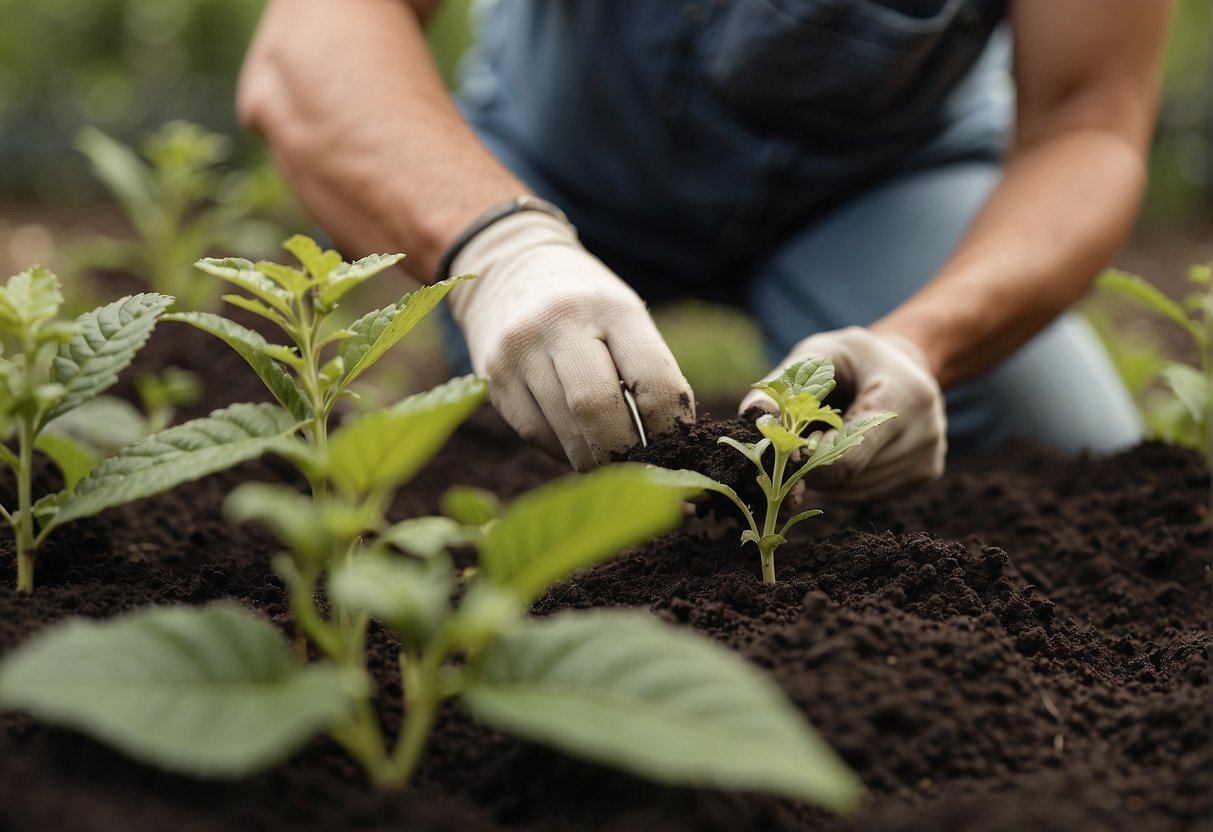
When to Transplant Beautyberry: Tips and Guidelines
The key to successfully relocating beautyberry lies in choosing the right moment. This well-loved bush, celebrated for its eye-catching purple berries that bloom in autumn, has won the hearts of both garden enthusiasts and professional landscapers. Nevertheless, for those contemplating a move for their beautyberry, recognizing the ideal timing is crucial. Within this piece, we aim to investigate the most favorable period for transplanting beautyberry, along with offering advice on how to achieve a flourishing relocation.
Understanding beautyberry is key to knowing when to transplant it. Beautyberry, also known as Callicarpa, is a deciduous shrub that is native to the southeastern United States. It typically grows to be about 4-6 feet tall and wide, and it’s known for its clusters of bright purple berries that appear in the fall. While beautyberry is relatively easy to grow and care for, it’s important to know the best time to transplant it to ensure that it thrives in its new location.
Optimal transplanting time for beautyberry is critical to its success. The best time to transplant beautyberry is in the early spring, before new growth appears. This allows the plant to establish its roots in its new location before it begins to put energy into new growth. Transplanting in the fall is also an option, but it’s important to do so at least 6 weeks before the first frost to allow the plant to establish itself before winter. In the following sections, we’ll dive deeper into the optimal transplanting time and provide tips on how to prepare for and execute a successful transplant.
Key Takeaways
- Understanding beautyberry is important for successful transplanting.
- The optimal time to transplant beautyberry is in early spring or late fall.
- Proper preparation and care are essential for a successful transplant.
Understanding Beautyberry
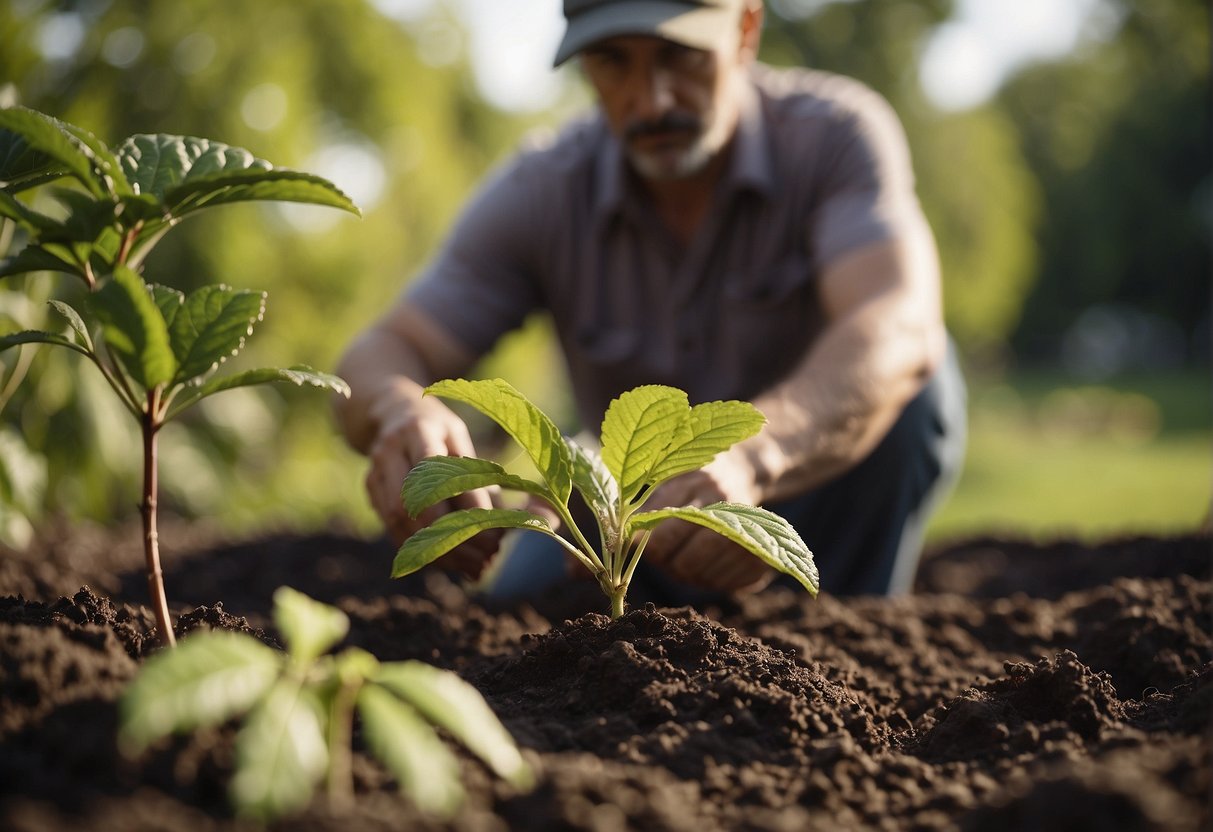
Species Overview
Beautyberry, also known as Callicarpa, is a deciduous shrub that is native to North America, particularly the southeastern United States. There are two main species of beautyberry: American beautyberry (Callicarpa americana) and Japanese beautyberry (Callicarpa japonica). Both species are known for their striking growth, flowers, and berries.
The beautyberry shrub grows up to 6 feet tall and wide, with long, arching branches that are covered in clusters of small, pale pink flowers in the summer. In the fall, the shrub produces bright purple berries that are about the size of a pea. The berries are not only beautiful, but they also attract birds and other wildlife to the garden.
Ideal Growing Conditions
Beautyberry is a hardy shrub that can thrive in a variety of climates and soil types. It prefers full sun to partial shade and well-draining soil. Beautyberry is drought-tolerant, but it will produce more berries if it is watered regularly. The shrub can be grown in USDA zones 6 to 10.
There are several varieties of beautyberry available, including the French mulberry (Callicarpa bodinieri) and the Chinese beautyberry (Callicarpa dichotoma). These varieties have different foliage colors and growth habits, but they all produce the characteristic purple berries.
In summary, beautyberry is a beautiful and hardy shrub that can add color and interest to any garden. With the right growing conditions, it can produce a bounty of purple berries that are both attractive and beneficial to wildlife.
Optimal Transplanting Time
Transplanting beautyberry is a delicate process that requires careful attention to timing. The best time to transplant beautyberry is during the plant’s dormant period, which typically occurs in late fall or early spring. During this time, the plant is not actively growing, which makes it less susceptible to transplant shock.
Best Season for Transplanting
Fall is the best season for transplanting beautyberry. The cooler temperatures and increased rainfall help the plant establish its root system before winter sets in. Fall transplanting also allows the plant to take advantage of the natural dormancy period that occurs during the winter months.
Spring is another good time to transplant beautyberry. As the weather warms up, the plant begins to emerge from its dormant period and resume growth. Transplanting in the early spring gives the plant time to establish its roots before the hot summer months arrive.
Signs When Beautyberry Is Ready
Before transplanting beautyberry, it is important to make sure the plant is ready. Look for signs of stress, such as yellowing leaves or wilting branches. If the plant is stressed, it may not survive the transplanting process.
Another sign that beautyberry is ready for transplanting is when the plant is dormant. Look for a period of at least 2-3 weeks when the plant is not actively growing. This will give the plant time to recover from the shock of transplanting and establish its roots in its new location.
In conclusion, transplanting beautyberry requires careful attention to timing. The best time to transplant is during the plant’s dormant period, which typically occurs in late fall or early spring. Look for signs of stress before transplanting, and make sure the plant has time to establish its roots before the hot summer months arrive.
Preparing for Transplant
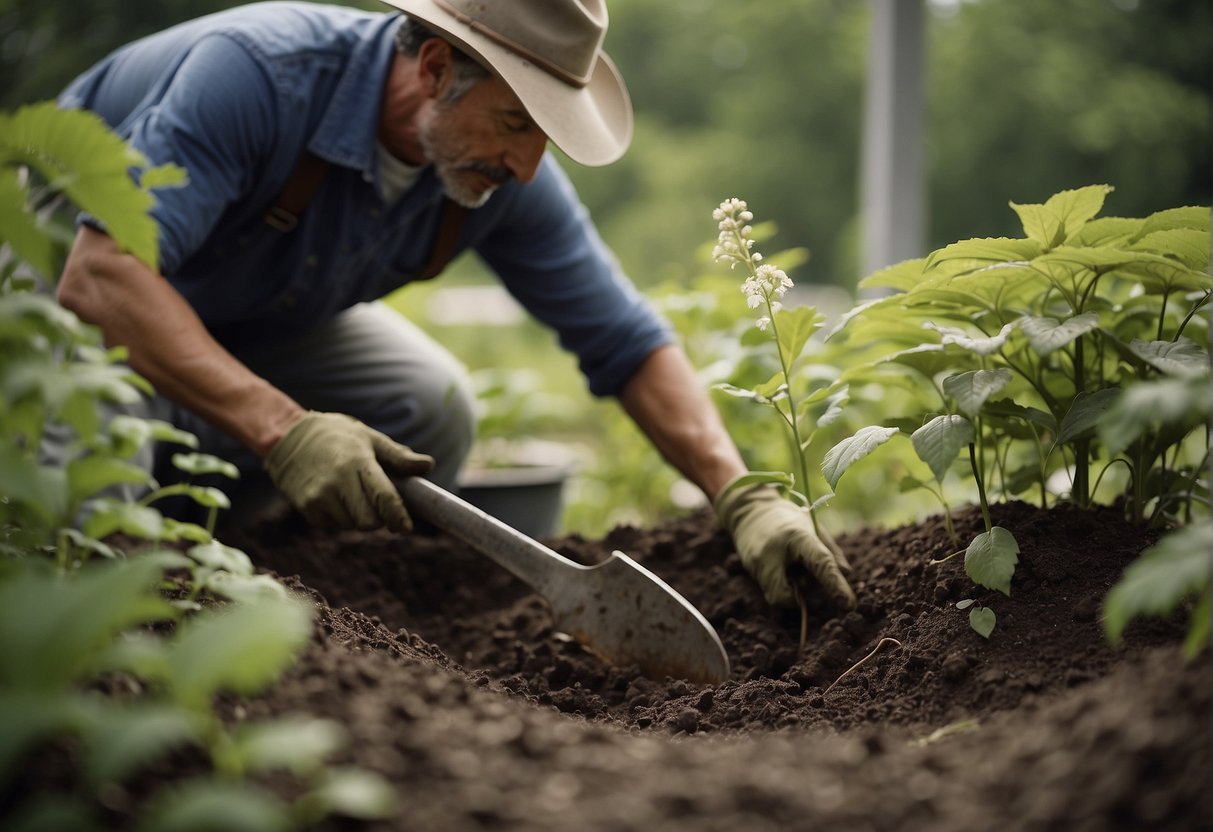
Transplanting beautyberry requires proper preparation to ensure the plant’s survival and growth in its new location. The following subsections will guide you through the essential steps to prepare for transplanting.
Soil Preparation
Before transplanting, it is crucial to prepare the soil in the new location. Beautyberry prefers well-draining, moist soil with a pH range of 5.5 to 6.5. If the soil is too acidic or alkaline, amend it with lime or sulfur to adjust the pH level.
If the native soil is heavy clay, mix in organic matter such as compost to improve drainage and soil structure. Incorporating organic matter also helps retain moisture and nutrients, promoting healthy growth.
Root Pruning and Care
Root pruning is an essential step in preparing beautyberry for transplant. A few weeks before transplanting, prune the roots by digging a trench around the plant’s drip line and cutting through the roots with a sharp spade. This process encourages the growth of new feeder roots, which helps the plant establish itself in the new location.
During the transplanting process, handle the roots with care to avoid damaging them. Keep the roots moist throughout the process, and avoid exposing them to direct sunlight or wind.
After transplanting, water the plant thoroughly and apply a layer of mulch around the base to help retain moisture and regulate soil temperature. Regularly water the plant to keep the soil consistently moist but not waterlogged.
By following these steps, you can ensure a successful transplant and promote healthy growth for your beautyberry plant.
Transplanting Process
Transplanting beautyberry is a simple process that involves digging up the plant and moving it to a new location. If you want to transplant your beautyberry, there are a few things you need to keep in mind to ensure the process goes smoothly. In this section, we will discuss the digging and lifting techniques as well as the transplanting steps.
Digging and Lifting Techniques
When transplanting beautyberry, it is important to dig up the entire root ball to minimize damage to the plant. Start by digging a trench around the plant, about 6-8 inches away from the stem. Then, insert a shovel under the root ball and gently lift the plant out of the ground. Be sure to keep the root ball intact and avoid breaking any of the roots.
If your beautyberry is in a container, gently tap the sides and bottom of the pot to loosen the root ball. Then, turn the pot on its side and slide the plant out. If the plant is rootbound, use a sharp knife to make a few cuts in the root ball to encourage new growth.
Transplanting Steps
Once you have dug up your beautyberry, it is time to transplant it to its new location. Choose a spot that has well-draining soil and receives full sun to partial shade. Dig a hole that is slightly larger than the root ball and add some compost to the bottom of the hole.
Place the beautyberry in the hole and backfill with soil, making sure to keep the plant level with the surrounding ground. Water the plant thoroughly and add a layer of mulch around the base to help retain moisture.
After transplanting, it is important to keep an eye on your beautyberry to ensure it is adjusting well to its new environment. Water the plant regularly and provide it with plenty of sunlight. With proper care, your beautyberry should thrive in its new location.
In conclusion, transplanting beautyberry is a straightforward process that can be done with a little bit of care and attention. By following these simple steps, you can successfully move your beautyberry to a new location and enjoy its vibrant foliage and stunning berries for years to come.
Post-Transplant Care
Congratulations, you have successfully transplanted your beautyberry! Now, it’s important to take proper care of it to ensure optimal growth and health. Here are a few tips to help you with post-transplant care.
Watering and Moisture Maintenance
Watering is crucial for the survival of your beautyberry. After transplanting, make sure to water your plant deeply and regularly for the first few weeks. This will help the roots establish in their new environment. Once established, your beautyberry is drought-tolerant and can withstand periods of dry weather. However, it’s important to water it regularly during the summer months to promote healthy growth and to keep the soil moist.
Fertilization and Soil Health
Fertilizing your beautyberry can help promote healthy growth and blooming. Apply a balanced fertilizer in the spring or early summer, following the instructions on the label. Additionally, maintaining soil health is important for the overall health of your plant. You can achieve this by adding organic matter to the soil, such as compost or well-rotted manure. This will help improve soil structure and provide essential nutrients to your beautyberry.
Pruning for Optimal Growth
Pruning is an important maintenance practice for your beautyberry. It helps to promote optimal growth and encourages the production of more flowers and purple berries. Prune your beautyberry in late winter or early spring before new growth appears. Remove any dead, damaged or diseased wood, and cut back any weak or crossing branches. This will help to improve air circulation and prevent the spread of pests and diseases. Additionally, pruning can help to shape your beautyberry and keep it looking neat and tidy.
By following these tips for post-transplant care, you can help your beautyberry thrive and attract birds and other wildlife to your garden. Remember to water regularly, fertilize and maintain soil health, and prune for optimal growth. With proper care, your beautyberry will be a hardy perennial that you can enjoy for many years to come!
Propagation Methods
If you want to propagate beautyberry, you have two primary options: growing from seeds or using the root cuttings technique. Both methods have their advantages and disadvantages, so it’s important to choose the right one for your needs.
Growing from Seeds
Growing beautyberry from seeds is a relatively simple process. You can either collect seeds from an existing plant or purchase them from a reputable supplier. Once you have your seeds, you can start the germination process.
To germinate the seeds, you’ll need to plant them in a well-draining soil mix and keep them moist. It’s best to start the seeds indoors in a warm, bright location. Once the seedlings have grown to a suitable size, you can transplant them into individual pots or directly into the ground.
One of the benefits of growing beautyberry from seeds is that it allows you to grow a large number of plants inexpensively. However, it can take several years for the plants to reach maturity and produce fruit.
Root Cuttings Technique
The root cuttings technique involves taking cuttings from an existing beautyberry plant and using them to grow new plants. This method is often preferred because it allows you to produce new plants quickly and easily.
To use the root cuttings technique, you’ll need to take softwood cuttings from the plant’s root system. These cuttings should be around 4-6 inches long and taken in the spring or early summer. Once you have your cuttings, you can plant them in a well-draining soil mix and keep them moist.
One of the benefits of the root cuttings technique is that it allows you to produce new plants that are genetically identical to the parent plant. This can be advantageous if you want to maintain a specific cultivar or trait. However, it can be more expensive than growing from seeds, as you’ll need an existing plant to take the cuttings from.
In summary, both methods of propagation can be effective for growing beautyberry. Growing from seeds is a cost-effective way to produce a large number of plants, while the root cuttings technique allows you to quickly produce genetically identical plants. Choose the method that best suits your needs and preferences.
Common Issues and Solutions
Pests and Diseases Management
When transplanting beautyberry, it is important to keep an eye out for any pests or diseases that may harm the plant. Common pests that may attack beautyberry include aphids, spider mites, and whiteflies. These pests can be managed by spraying the plant with insecticidal soap or neem oil. In addition, beautyberry may be susceptible to fungal diseases such as powdery mildew and black mold. These diseases can be prevented by ensuring proper air circulation around the plant and by avoiding overhead watering.
Environmental Stress Factors
Transplanting beautyberry can be a stressful experience for the plant, which may lead to environmental stress factors such as wilting, leaf drop, or stunted growth. To minimize stress, it is important to transplant beautyberry during the cooler months of the year and to ensure that the plant is well-watered before and after transplanting. In addition, beautyberry prefers a humid environment, so it is important to maintain a high level of humidity around the plant. If you live in a dry climate, you may need to mist the plant regularly to maintain proper humidity levels.
Temperature and hardiness zones are also important factors to consider when transplanting beautyberry. Beautyberry is native to the southeastern United States and is hardy in zones 6-10. If you live in a colder climate, you may need to provide extra protection for the plant during the winter months. This can be done by covering the plant with a frost cloth or by mulching around the base of the plant to protect the roots from freezing.
By following these tips, you can ensure a successful transplant of your beautyberry and minimize any potential issues that may arise.
Beautyberry Benefits and Uses
If you are considering adding beautyberry to your garden, you will be pleased to know that it offers a range of benefits and uses. Here are some of the most notable:
Ornamental Value
Beautyberry is a popular ornamental plant due to its striking appearance. Its bright purple berries and delicate pink flowers make it an eye-catching addition to any garden. It is also a low-maintenance plant, making it an ideal choice for gardeners who want to add some color without having to put in a lot of effort.
Wildlife Attraction
Beautyberry is a favorite among wildlife, particularly birds such as the American robin. The berries provide an important food source for these animals, as well as for foxes, squirrels, and raccoons. By planting beautyberry in your garden, you can help support local wildlife populations.
Culinary and Medicinal Uses
While beautyberry is not typically used in cooking, the leaves can be brewed to make a tea with a pleasant, slightly sweet flavor. Some people also believe that the plant has medicinal properties, such as anti-inflammatory and pain-relieving effects. However, more research is needed to confirm these claims.
Overall, beautyberry is a versatile and attractive plant that offers a range of benefits and uses. Whether you are looking to add some color to your garden or support local wildlife, beautyberry is a great choice.
Frequently Asked Questions
What is the best season to transplant a beautyberry bush?
The best time to transplant a beautyberry bush is during the dormant season, which is typically in late fall or early winter. This is because the plant is not actively growing during this time, and it will have a better chance of establishing itself in its new location.
How can you tell if a beautyberry bush is ready for transplantation?
A beautyberry bush is ready for transplantation when it is dormant and has lost all of its leaves. You can also check the roots to see if they are circling the pot or if they have become root-bound. If the roots are circling the pot, it’s time to transplant.
What are the ideal conditions for planting a beautyberry bush?
Beautyberry bushes prefer well-drained soil that is rich in organic matter. They also require partial to full sunlight, so it’s important to choose a location that receives at least six hours of sunlight per day.
How much sunlight exposure is necessary for a newly transplanted beautyberry bush?
A newly transplanted beautyberry bush should be placed in a location that receives partial shade for the first few weeks. After that, it can be gradually moved to a location that receives more sunlight until it is acclimated to full sun.
Is it necessary to prune a beautyberry bush before transplanting?
It is not necessary to prune a beautyberry bush before transplanting, but it can be helpful to remove any dead or damaged branches. This will help the plant focus its energy on establishing new roots in its new location.
What care should be taken immediately after transplanting a beautyberry bush?
After transplanting a beautyberry bush, it’s important to water it thoroughly and regularly until it is established. You should also avoid fertilizing the plant for the first few weeks to allow it to adjust to its new environment.

