
When Do Beautyberry Bloom: A Guide to Blooming Season
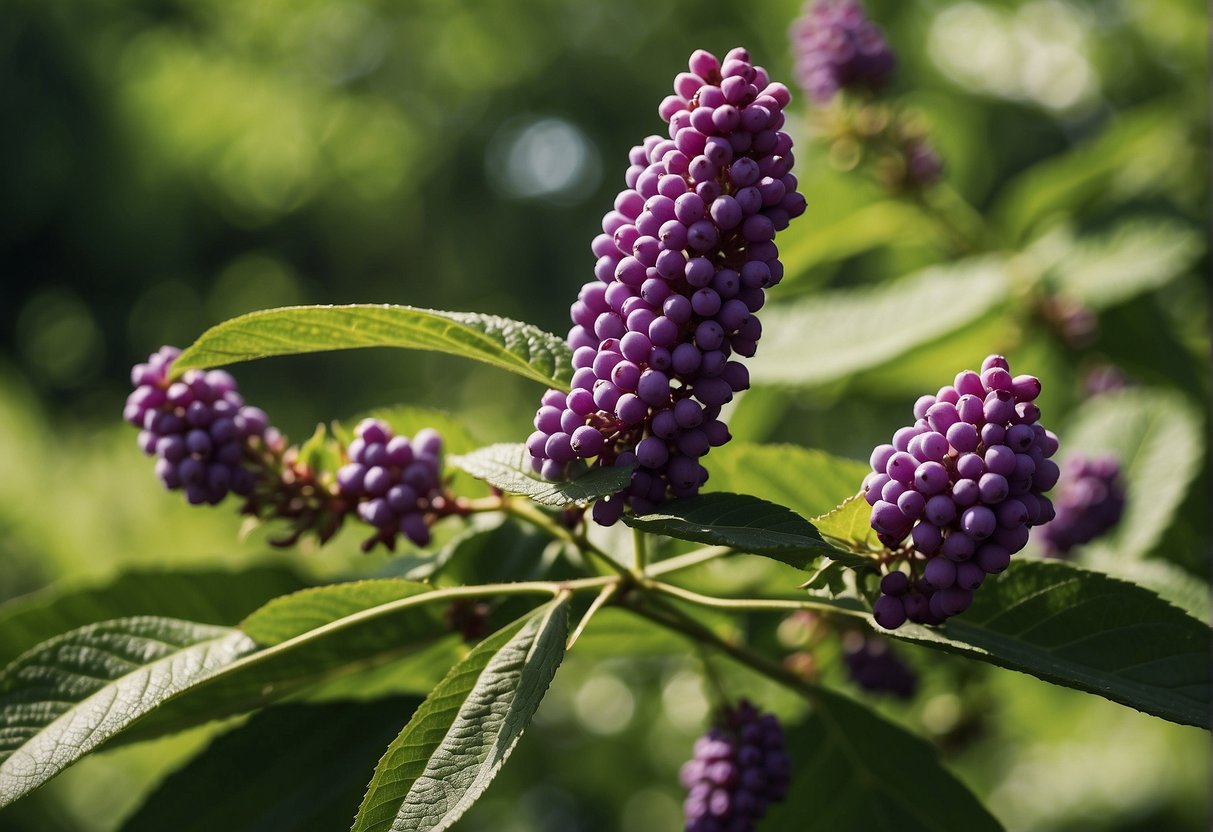
If you’re someone who delights in gardening pursuits or just appreciates the splendor of nature, you might wonder about the blooming period of beautyberry. The beautyberry plant (Callicarpa americana) originates as a deciduous shrub from the southeastern part of the United States. It catches the eye with its vibrant purple berries that form in clusters on its branches. Nonetheless, the period when it starts to flower can differ due to various elements.
Understanding the growth and bloom cycle of beautyberry is important if you want to ensure that you have a healthy and vibrant plant. Beautyberry typically blooms from mid-summer to early fall, with the peak bloom period occurring in August and September. However, the timing of its bloom cycle can be affected by factors such as temperature, rainfall, and sunlight. Additionally, the age and health of the plant can also impact its bloom cycle.
Key Takeaways:
- Beautyberry is a deciduous shrub that is native to the southeastern United States.
- Beautyberry typically blooms from mid-summer to early fall, with the peak bloom period occurring in August and September.
- Factors such as temperature, rainfall, sunlight, and plant age and health can all impact the timing of beautyberry’s bloom cycle.
Understanding Beautyberry
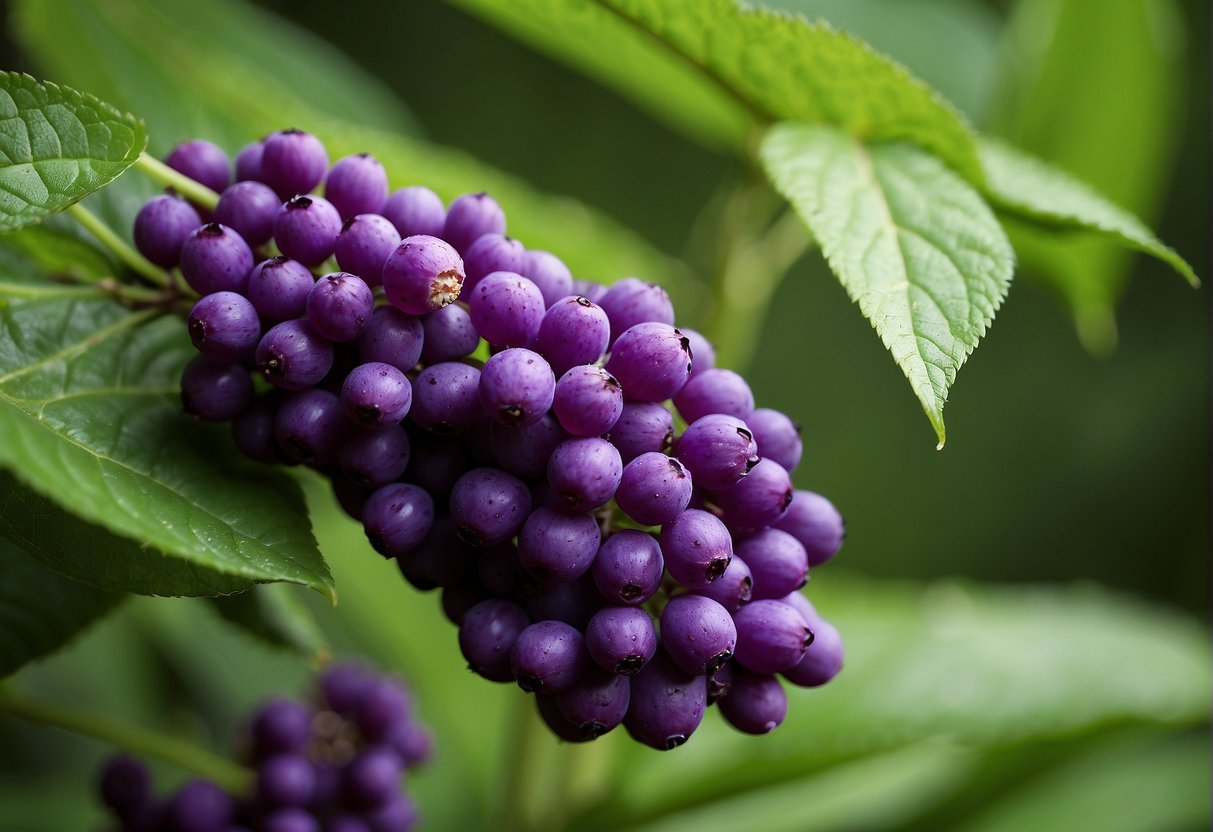
If you are interested in gardening, you may have heard of beautyberry, a deciduous shrub that is native to the southeastern United States and other parts of North America. Beautyberry, also known by its botanical name Callicarpa, is a popular plant due to its striking purple berries that appear in the fall. In this section, we will explore the botanical profile of beautyberry and its varieties and relatives.
Botanical Profile
Beautyberry is a member of the mint family, Lamiaceae, and has a scientific name of Callicarpa americana. It is a deciduous shrub that can grow up to 8 feet tall and wide. The leaves are simple, opposite, and elliptical, with a serrated margin. The flowers are small, pink to lavender, and bloom in the summer. The fruit is a drupe, which is a fleshy fruit with a hard pit that contains one seed. The berries of beautyberry are produced in clusters along the stems and are a vibrant shade of purple.
Varieties and Relatives
There are several species of Callicarpa, including the Japanese beautyberry (C. japonica) and the beautyberry tree (C. dichotoma). The Japanese beautyberry is a smaller shrub that produces smaller, pinkish-purple berries. The beautyberry tree is a larger shrub or small tree that can grow up to 20 feet tall and wide. It produces white-fruited berries that are not as showy as the purple-fruited beautyberry.
In addition to these species, there are also cultivars of beautyberry, such as ‘Welch’s Pink’. This cultivar has pink flowers and pink berries, making it a unique addition to any garden.
Beautyberry is also related to the American mulberry (Morus rubra) and other Asian species of Callicarpa. These plants are not as commonly grown in gardens but are still interesting to explore for their unique characteristics.
Overall, beautyberry is a beautiful and unique plant that is sure to add interest to any garden. Whether you choose a native species or a cultivar, you can enjoy the stunning purple berries in the fall and the attractive foliage throughout the growing season.
Growth and Bloom Cycle
Beautyberry is a deciduous shrub that is known for its striking purple, pink, or white clusters of flowers in the spring and summer, followed by showy purple berries in the fall. Understanding the growth and bloom cycle of beautyberry can help you plan your garden and enjoy the beauty of this plant throughout the year.
When to Expect Blooms
Beautyberry typically blooms from late spring to early summer, depending on the climate and growing conditions. The flowers are small and inconspicuous, but they are produced in large clusters that can cover the entire plant. The flowers are followed by green berries that gradually turn purple as they mature.
Fruit Development
As the summer progresses, the berries on the beautyberry plant continue to grow and ripen. The purple berries are not only beautiful to look at, but they also provide an important source of food for birds and other wildlife. The fruit set is usually very high, which means that you can expect to see a lot of berries on the plant.
In the fall, the leaves of the beautyberry plant turn yellow and drop off, leaving behind the striking purple berries. The berries can last well into the winter, providing a beautiful display even after the leaves have fallen.
Overall, the beautyberry is a hardy and beautiful plant that is well-suited for a variety of growing conditions. By understanding its growth and bloom cycle, you can enjoy the beauty of this plant throughout the year.
Planting and Propagation
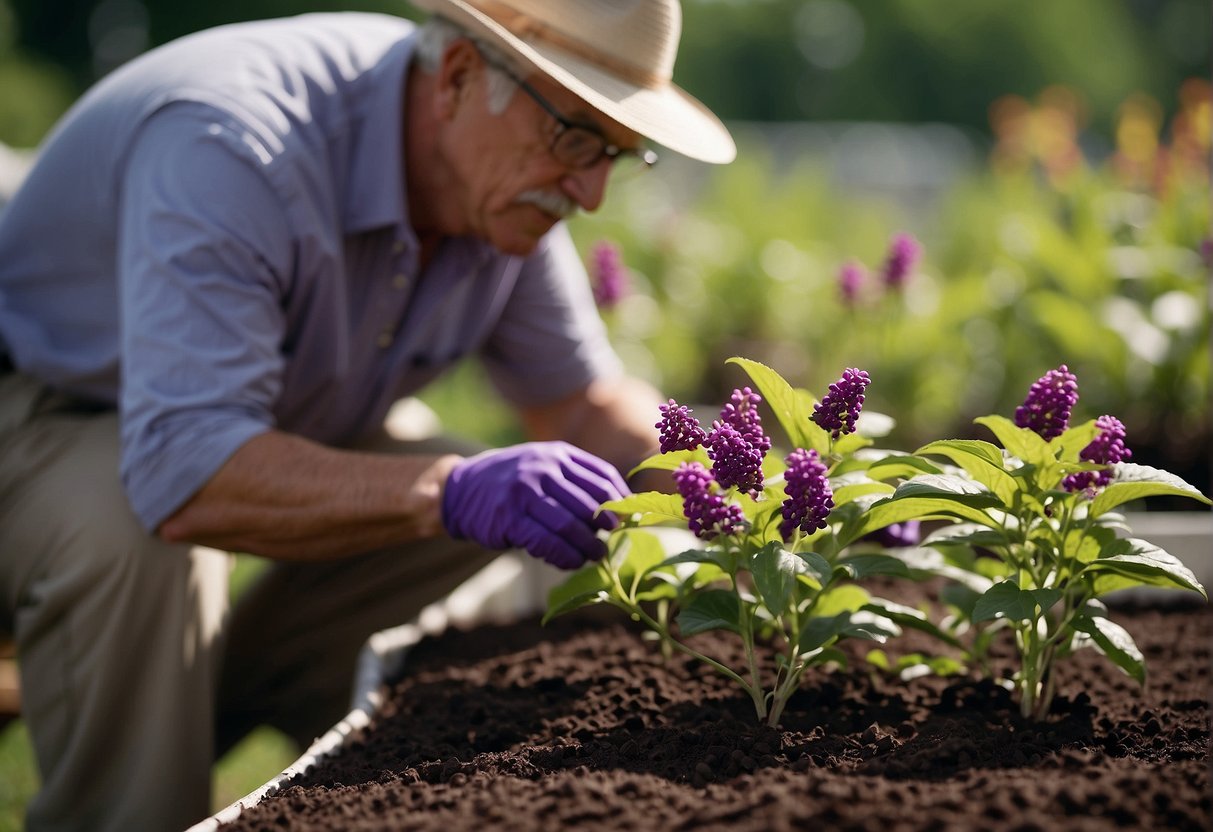
If you want to add beautyberry to your garden, you have two options: planting or propagation. Here are some tips to help you succeed with either method.
Choosing the Right Location
Beautyberry prefers full sun to part shade, so choose a location that gets at least six hours of direct sunlight per day. It can grow in a range of soil types, but prefers well-drained, moist soil. Avoid planting in clay soil, which can retain too much water and lead to root rot.
Soil Requirements and Preparation
Before planting, prepare the soil by adding organic matter such as compost to improve drainage and fertility. Beautyberry can grow up to 8 feet tall and wide, so make sure to give it plenty of space. Space plants at least 4 to 6 feet apart.
Propagation Techniques
Beautyberry can be propagated from cuttings or seeds. Softwood cuttings taken in early summer are the most successful. Use rooting hormone to encourage rooting and plant in well-draining soil. Keep the soil moist and the cuttings in a shaded area until they have rooted. Stem cuttings can also be taken in late summer or early fall.
Seeds can be planted in fall or winter. Collect ripe berries and remove the pulp. Sow the seeds in a well-draining soil mix and keep moist until germination. It may take up to 3 months for the seeds to germinate.
Whether you choose to plant or propagate, beautyberry is a great addition to any garden or border. With its vibrant purple berries and ease of care, it’s sure to be a standout in your landscape.
Care and Maintenance
When it comes to caring for beautyberry plants, there are a few things you should keep in mind. Proper care and maintenance will ensure that your beautyberry plants bloom beautifully and remain healthy throughout the year.
Watering and Fertilizing
Beautyberry plants require regular watering, especially during dry spells or droughts. You should water your plants deeply and regularly to keep the soil moist. However, avoid overwatering as it can lead to root rot and other problems.
Fertilizing your beautyberry plants can also help them grow and bloom better. You can use a balanced fertilizer in the spring and summer to promote healthy growth and flowering. However, avoid fertilizing in the fall or late winter as it can stimulate new growth that may be damaged by frost.
Pruning and Shaping
Pruning and shaping your beautyberry plants can help maintain their shape and size. You can prune your plants in the fall or late winter to remove any dead or damaged branches. You can also prune to maintain the desired height and width of your plants.
Beautyberry plants have arching branches that can become too long and heavy, causing them to droop or break. You can prune these branches to prevent them from becoming a problem.
Pest and Disease Management
Beautyberry plants are generally healthy and resistant to pests and diseases. However, they can be susceptible to some problems, such as leaf spot and powdery mildew.
You can prevent these problems by providing good air circulation around your plants and avoiding overhead watering. You can also remove any infected leaves or branches to prevent the spread of disease.
In conclusion, caring for your beautyberry plants is easy and straightforward. With proper care and maintenance, your plants will bloom beautifully and remain healthy year after year.
Seasonal Considerations
When it comes to the beautyberry plant, there are several seasonal considerations to keep in mind. Understanding the growth cycle of this plant can help you to care for it properly and ensure that it thrives in your garden.
Spring Awakening
In early spring, the beautyberry plant will begin to produce new growth. This is an important time to prune the plant if needed, as it will encourage healthy growth and shape the plant for the season ahead. During this time, you may also notice small, inconspicuous flowers beginning to bloom on the plant.
Summer Vigor
As the weather warms up and summer arrives, the beautyberry plant will enter a period of vigorous growth. It thrives in full sun and requires regular watering to stay healthy. During this time, you may notice that the plant produces an abundance of small, purple berries. These berries are a favorite of birds and can provide a valuable food source for them.
Autumn Transition
As fall approaches, the beautyberry plant will begin to transition into dormancy. During this time, the leaves will begin to change color and the berries will ripen. This is an important time to harvest any fruit that you wish to use, as the plant will soon lose its leaves and enter a period of winter dormancy.
Winter Dormancy
In the winter months, the beautyberry plant will lose its leaves and enter a period of dormancy. During this time, it is important to ensure that the plant is well-protected from the cold and that it receives adequate water. This is also a good time to prune the plant if needed, as it will encourage healthy growth in the spring.
Overall, the beautyberry plant is a deciduous shrub that is drought-tolerant and easy to care for. By understanding its seasonal considerations and providing it with the proper care, you can enjoy its beautiful purple berries and provide a valuable food source for birds in your winter garden.
Landscape Uses and Benefits
When it comes to landscape uses and benefits, beautyberry is a great addition to any garden. This shrub is known for its vibrant purple berries that add a pop of color to any landscape. Beautyberry is also a great choice for attracting wildlife and adding aesthetic appeal to your garden.
Wildlife Attraction
Beautyberry is a popular choice for attracting birds to your garden. The shrub produces small, purple berries that are a favorite food of many songbirds. By planting beautyberry in your garden, you can attract a variety of birds and other wildlife to your yard.
Aesthetic Appeal
Beautyberry is a great choice for adding aesthetic appeal to your garden. The shrub produces clusters of vibrant purple berries that add a pop of color to any landscape. The berries are produced in mass plantings, making beautyberry a great choice for borders or compact areas.
In addition to its beautiful berries, beautyberry also produces small, white flowers in the spring. These flowers are not particularly showy, but they do add to the overall aesthetic appeal of the shrub.
Overall, beautyberry is a great choice for anyone looking to add color and wildlife attraction to their garden. Whether you are looking to attract birds or simply add some aesthetic appeal to your landscape, beautyberry is a great choice.
Frequently Asked Questions
What is the best time of year to plant beautyberry?
The best time to plant beautyberry is in the spring or fall, when the temperatures are mild and the soil is moist. Planting in the summer can be stressful for the plant, and planting in the winter can result in root damage from freezing temperatures.
How long does it take for a beautyberry to start flowering?
Beautyberry bushes typically start flowering in their second year of growth. However, some varieties may take longer to establish and may not flower until their third year.
What care is required to ensure beautyberry bushes produce berries?
Beautyberry bushes require regular watering, especially during hot, dry weather. Fertilizing once a year in the spring can also help promote healthy growth and fruit production. It is important to prune the bushes in the late winter or early spring to encourage new growth and fruiting.
In which USDA zones do beautyberry plants thrive?
Beautyberry plants thrive in USDA zones 6 through 10. They prefer full to partial sun and well-drained soil.
How should beautyberry bushes be pruned and when?
Beautyberry bushes should be pruned in the late winter or early spring, before new growth appears. Remove any dead or diseased wood, and cut back any branches that are crossing or rubbing against each other. It is also a good idea to thin out the center of the bush to promote air circulation.
What are common issues with beautyberry plants and how can they be addressed?
Common issues with beautyberry plants include leaf spot, powdery mildew, and Japanese beetles. To address these issues, make sure the plants are not overcrowded and have good air circulation. Remove any affected leaves or branches, and treat with a fungicide or insecticide if necessary.

