
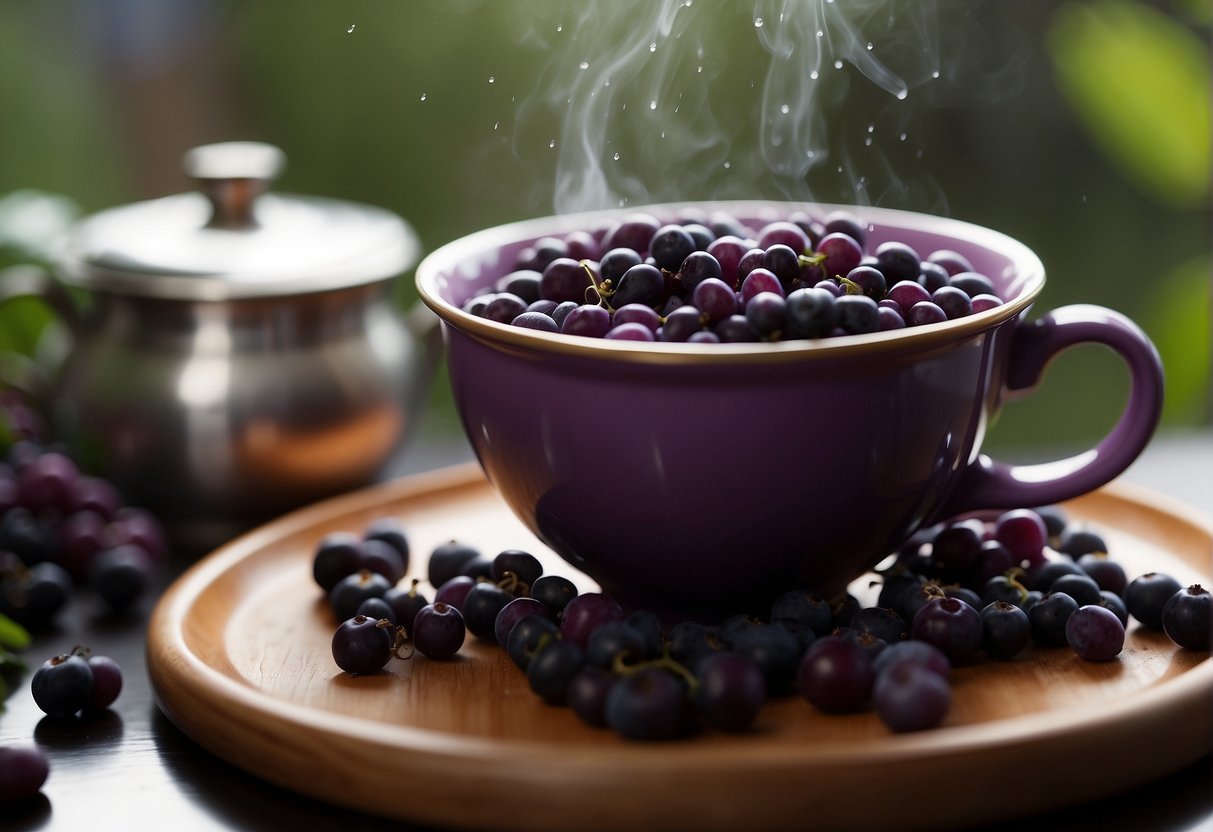
How to Make Beautyberry Tea: A Step-by-Step Guide
Should you be in the market for an unconventional and novel tea experience, consider giving beautyberry tea a chance. Also referred to as Callicarpa americana, beautyberry is a shrub indigenous to the southeast region of the United States. This plant is distinguished by its striking purple berries, which bloom in bunches on its limbs. Although these berries are generally not consumed in their raw state, they are excellent for brewing a tasty and nutritious tea.
To make beautyberry tea, you’ll need to first identify and harvest the plant. Beautyberry is a relatively easy plant to grow and cultivate, making it a great addition to any garden or yard. Once you have harvested the berries, you’ll need to prepare them for tea by boiling them in water. The resulting tea is not only tasty, but also packed with a variety of health benefits.
Key Takeaways
- Beautyberry tea is made from the berries of the Callicarpa americana shrub.
- The plant is easy to grow and cultivate, making it a great addition to any garden.
- Beautyberry tea is not only delicious, but also has a variety of health benefits.
Identifying the Beautyberry Plant
If you’re interested in making beautyberry tea, the first step is to identify the beautyberry plant. Here are some tips to help you recognize this shrub.
Species and Habitat
The beautyberry plant is a member of the genus Callicarpa. There are several species of beautyberry, but the two most common are Callicarpa americana and Callicarpa dichotoma.
C. americana, also known as American beautyberry, is native to the southeastern United States, from Florida to Texas. C. dichotoma, also known as Japanese beautyberry, is native to Japan, China, Korea, and other parts of East Asia. Both species are also cultivated in other parts of the world, including Mexico.
Physical Characteristics
The beautyberry plant is a deciduous shrub that can grow up to 6 feet tall. It has bright green leaves that are 2-6 inches long and 1-3 inches wide. The leaves are arranged in an opposite pattern on the stem.
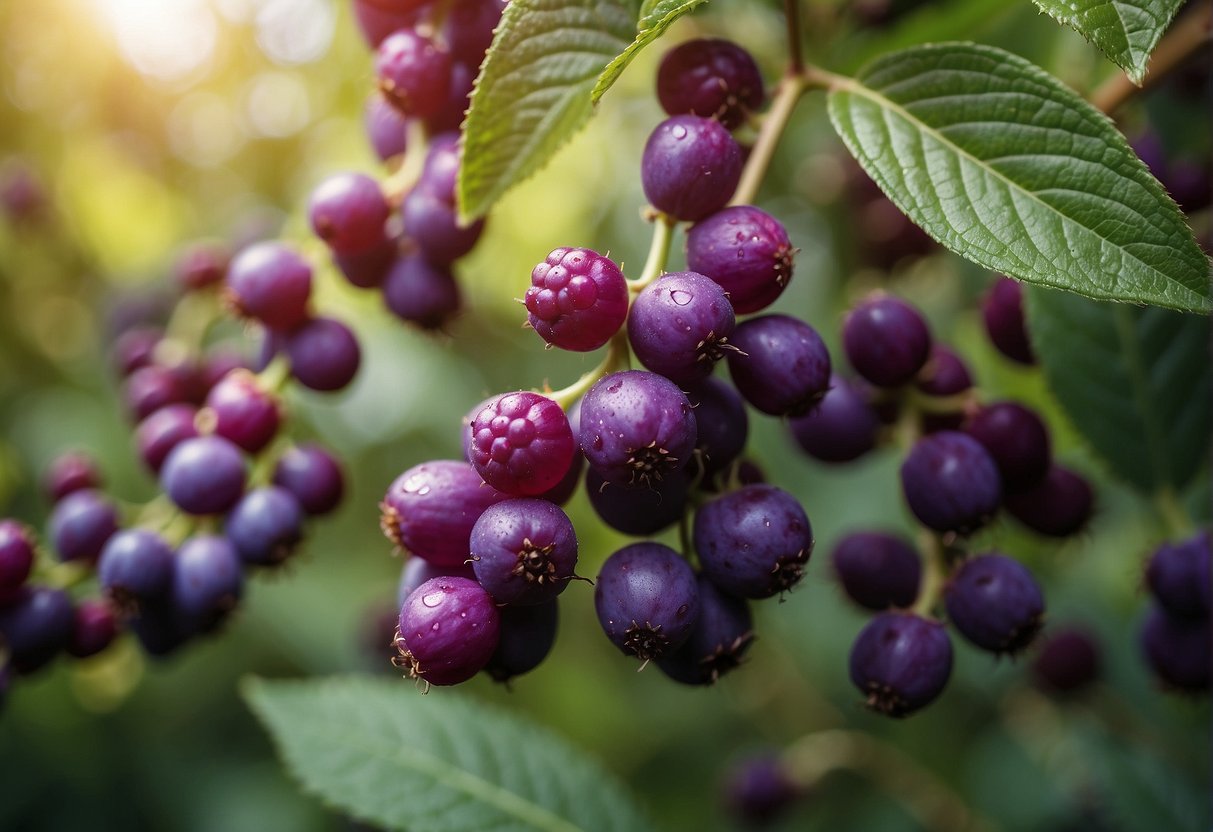
In the fall, the beautyberry plant produces clusters of bright purple berries that are about 1/4 inch in diameter. The berries are edible and have a slightly sweet taste. The plant also produces small pink or white flowers in the summer, but these are not as noticeable as the berries.
When identifying the beautyberry plant, look for the distinctive clusters of bright purple berries. The berries are often used in crafts and decorations, so you may be able to find them at a local craft store if you’re not able to find a live plant.
Overall, the beautyberry plant is a unique and attractive shrub that can be easily recognized by its bright purple berries. With a little practice, you’ll be able to identify this plant and start making your own beautyberry tea in no time.
Growing and Cultivating Beautyberry
If you want to make your own beautyberry tea, you can grow and cultivate your own beautyberry shrub. Here are some tips on how to do it:
Optimal Conditions
Beautyberry shrubs (Callicarpa americana) thrive in USDA hardiness zones 7 to 11. They prefer full sun to partial shade and well-draining soil. When planting, make sure to give each shrub enough space to grow, as they can reach up to 8 feet tall and 6 feet wide.
Cultivation Techniques
To grow beautyberry shrubs, start by planting them in the spring or fall. Water the shrubs regularly, especially during dry spells, and fertilize them once a year with a balanced fertilizer. Prune the shrubs in late winter or early spring to remove any dead or damaged branches.
Harvesting beautyberries is easy, as the berries ripen in the fall and can be picked by hand. You can also forage for beautyberries in the wild, but make sure to get permission from the landowner first.
Beautyberry shrubs are popular among farmers and landscapers for their ornamental value, as well as their medicinal properties. There are also many cultivars available, such as ‘Lactea’, which has white berries, and ‘Issai’, which produces fruit earlier in the season.
By following these cultivation techniques, you can grow your own beautyberry shrubs and enjoy the many benefits they have to offer.
Harvesting and Preparation
When to Harvest
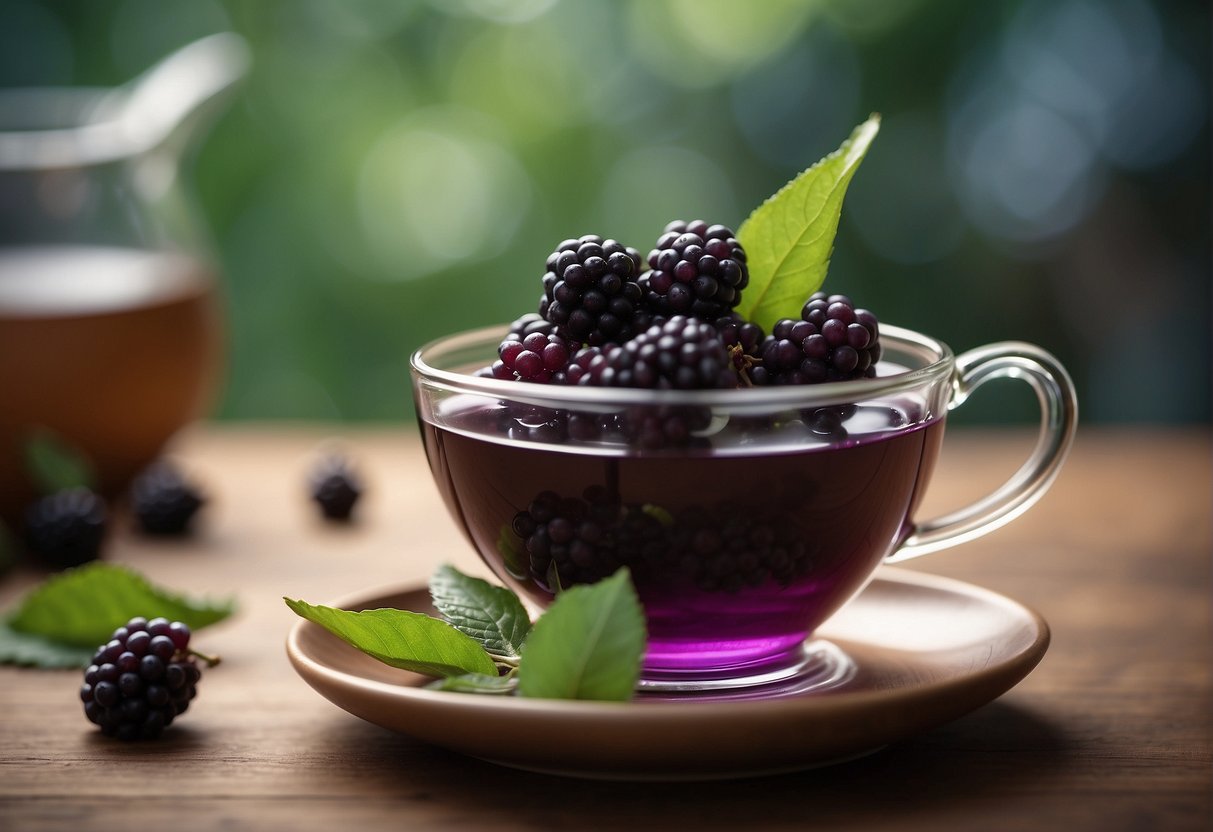
To make beautyberry tea, you need to harvest the fruit of the American beautyberry plant. The best time to do this is in late summer or early fall when the fruit is fully ripe. You can tell that the fruit is ready to be harvested when it has turned a bright shade of purple.
Preparation of Berries
Before making beautyberry tea, you need to prepare the berries. Start by washing the berries thoroughly to remove any dirt or debris. You can use a strainer to make this process easier.
Next, remove the stems from the berries. You can do this by gently pulling the stem away from the fruit. Be careful not to crush the fruit as you do this.
Once you have removed all the stems, you can use a blender or food processor to puree the berries. You can also mash them with a fork or potato masher.
After you have mashed the berries, strain them through a fine mesh strainer to remove any seeds or pulp. You can also use cheesecloth to strain the juice.
Once you have strained the juice, you can sweeten it to taste with honey or sugar. You can also add other ingredients such as lemon juice or mint leaves to enhance the flavor.
Beautyberry tea is not only delicious but also packed with antioxidants. So, go ahead and enjoy the sweet taste of beautyberries in your tea!
Making Beautyberry Tea
If you have a beautyberry bush in your backyard, you can make a delicious tea from its leaves and berries. Here’s how to do it:
Tea Recipe
- Start by harvesting a handful of beautyberry leaves and berries. Rinse them thoroughly with water and let them dry.
- Boil a pot of water. Once the water is boiling, turn off the heat and add the beautyberry leaves and berries. Let the mixture steep for about 10-15 minutes.
- Strain the tea into a cup or teapot. You can add sugar or honey to taste, but the natural sweetness of the berries may be enough for you.
- Enjoy your beautyberry tea!
Storage and Preservation
If you have leftover beautyberry tea, you can store it in the fridge for a few days. You can also use the tea to make beautyberry jelly. Simply follow your favorite jelly recipe and substitute the water with beautyberry tea. The jelly will have a unique flavor and a beautiful color.
Remember, beautyberry tea is not a miracle cure for any health condition, but it can be a tasty and refreshing drink. As with any herbal tea, it’s important to do your research and talk to your healthcare provider before consuming it regularly.
Health and Nutritional Benefits
Medicinal Properties
Beautyberry tea is known for its many medicinal properties. The tea is rich in callicarpenal, a compound that has been shown to have antibacterial, antiviral, and antifungal properties. These properties make beautyberry tea an effective treatment for a variety of ailments.
The tea also contains antioxidants, which help to protect the body from damage caused by free radicals. Free radicals are unstable molecules that can cause inflammation and damage to cells. By drinking beautyberry tea, you can help to reduce inflammation and improve your overall health.
Traditional Uses
Beautyberry tea has been used for centuries by Native American tribes for its medicinal properties. The tea was traditionally used to treat stomach ailments, including indigestion and diarrhea. It was also used to treat rheumatism and other inflammatory conditions.
Today, beautyberry tea is still used for its traditional medicinal properties. The tea is often used to treat inflammation, including inflammation of the joints and muscles. It is also used to boost the immune system and fight off infections.
Overall, beautyberry tea offers a wide range of health benefits. Whether you are looking to improve your overall health or treat a specific ailment, beautyberry tea is a great choice. So why not give it a try and see the benefits for yourself?
Beautyberry as Insect Repellent
If you’re looking for a natural way to repel insects, beautyberry may be the solution you need. This plant is known for its insect repellent properties and has been used for centuries by Native Americans for this purpose. In this section, we will explore the natural repellent properties of beautyberry and provide some DIY repellent recipes that you can try at home.
Natural Repellent Properties
Beautyberry contains a compound called callicarpenal, which is responsible for its insect repellent properties. This compound has been found to be effective against mosquitoes, ticks, fire ants, and other insects. Additionally, beautyberry essential oil contains intermedeol, which has been found to be a potent mosquito repellent.
Research has shown that beautyberry is just as effective as DEET, the most commonly used insect repellent, in repelling mosquitoes. However, beautyberry is a natural alternative that doesn’t have the harmful side effects associated with DEET.
DIY Repellent Recipes
If you want to make your own beautyberry insect repellent, there are several recipes you can try. Here are a few options:
-
Beautyberry Spray: To make a beautyberry spray, you will need beautyberry essential oil, rubbing alcohol, and water. Mix 10-15 drops of beautyberry essential oil with 1/4 cup of rubbing alcohol and 1/4 cup of water in a spray bottle. Shake well before use and spray on exposed skin.
-
Beautyberry Lotion: To make a beautyberry lotion, you will need coconut oil, beeswax, and beautyberry essential oil. Melt 1/4 cup of coconut oil and 1/4 cup of beeswax in a double boiler. Once melted, remove from heat and add 10-15 drops of beautyberry essential oil. Mix well and pour into a jar. Allow the mixture to cool and solidify before using. Apply the lotion to exposed skin.
-
Beautyberry Candle: To make a beautyberry candle, you will need beautyberry essential oil, soy wax, and a candle wick. Melt 1 cup of soy wax in a double boiler. Once melted, remove from heat and add 10-15 drops of beautyberry essential oil. Mix well and pour the mixture into a glass jar. Insert the wick into the center of the wax and allow the candle to cool and solidify. Light the candle and enjoy the insect-repelling benefits of beautyberry.
In conclusion, beautyberry is a natural and effective way to repel insects. Its natural repellent properties make it a great alternative to DEET and other chemical insect repellents. Try making your own beautyberry insect repellent using one of the DIY recipes above and enjoy a bug-free summer!
Additional Uses and Preparations
Beautyberry in Food and Drink
Beautyberries are not only beautiful to look at but also have a sweet and juicy flavor that can be used in various food and drink recipes. You can make jelly from the berries by boiling them with sugar and pectin. The jelly can be used as a spread on toast, biscuits, or crackers. You can also use the juice of the berries to make a refreshing summer drink. Simply mix the juice with water, sugar, and lemon juice to taste.
Another way to use beautyberries in food is to add them to salads. The berries add a pop of color and a burst of sweetness to any green salad. You can also use the berries in desserts such as pies, cobblers, and cakes. The berries can be used fresh or frozen, depending on the recipe.
Beautyberry in Skincare
Beautyberry bark has been used for centuries in traditional medicine to treat various skin conditions such as eczema, psoriasis, and acne. The bark contains compounds that have anti-inflammatory and antimicrobial properties, which can help soothe and heal irritated skin.
You can make a salve from beautyberry bark by boiling the bark in water and then mixing it with beeswax and coconut oil. The salve can be applied topically to the affected area to help reduce inflammation and redness.
Beautyberries can also be used in body washes and soaps. The berries contain aromatic compounds that can help relax and calm the mind. You can make a body wash by boiling the berries in water and then mixing the liquid with castile soap and essential oils.
In conclusion, beautyberries are not only a beautiful plant but also have many uses in food and skincare. Whether you want to make a sweet jelly or a healing salve, beautyberries are a versatile and flavorful food source that can be used in many different ways.
Safety and Side Effects
Allergic Reactions
While beautyberry tea is generally considered safe for most people, there is a small risk of allergic reactions in some individuals. If you have a known allergy to any plants in the Lamiaceae family, such as mint or basil, you may be more likely to have an allergic reaction to beautyberry tea.
Symptoms of an allergic reaction may include hives, itching, swelling, difficulty breathing, and in severe cases, anaphylaxis. If you experience any of these symptoms after drinking beautyberry tea, stop consuming it immediately and seek medical attention.
It is also important to note that beautyberry tea may interact with certain medications, such as blood thinners or medications for high blood pressure. If you are taking any medications, be sure to speak with your healthcare provider before consuming beautyberry tea to avoid any potential interactions.
Overall, beautyberry tea is a safe and enjoyable beverage for most people. However, if you have any concerns about its safety or potential side effects, it is always best to consult with a healthcare professional before adding it to your diet.
Frequently Asked Questions
What are the steps to prepare beautyberry tea?
To prepare beautyberry tea, you will need fresh or dried beautyberry leaves. Rinse the leaves in cold water and then boil them in a pot of water for 5-10 minutes. After boiling, let the tea cool down for a few minutes before straining it. You can add honey or sugar to taste.
Can beautyberry tea be used for hair care, and how?
Yes, beautyberry tea can be used for hair care. The tea contains antioxidants that can help promote healthy hair growth and prevent hair loss. To use beautyberry tea for hair care, simply brew the tea as you would for drinking and let it cool down. After shampooing, pour the tea over your hair and scalp and let it sit for a few minutes before rinsing it out.
What are the health benefits of consuming beautyberry tea?
Beautyberry tea has several health benefits. It contains antioxidants that can help protect your cells from damage caused by free radicals. It also has anti-inflammatory properties that can help reduce inflammation in the body. Beautyberry tea has been used to treat fever, headaches, and other ailments.
How can beautyberry be incorporated into homemade mosquito repellent?
Beautyberry leaves contain compounds that can repel mosquitoes. To make a homemade mosquito repellent, boil beautyberry leaves in water for 5-10 minutes and let the mixture cool down. Pour the mixture into a spray bottle and use it as needed.
What are some popular recipes that include American Beautyberry?
American Beautyberry can be used in a variety of recipes. Some popular recipes include beautyberry jelly, beautyberry syrup, and beautyberry pie. You can also add beautyberry leaves to salads for a unique flavor.
Is it safe to consume raw American Beautyberry, and what are the implications?
Raw American Beautyberry should not be consumed as it contains compounds that can cause nausea, vomiting, and other adverse effects. The berries should be cooked or boiled before consuming. It is important to note that pregnant women and individuals with certain medical conditions should consult their healthcare provider before consuming beautyberry tea or any other herbal remedies.

