
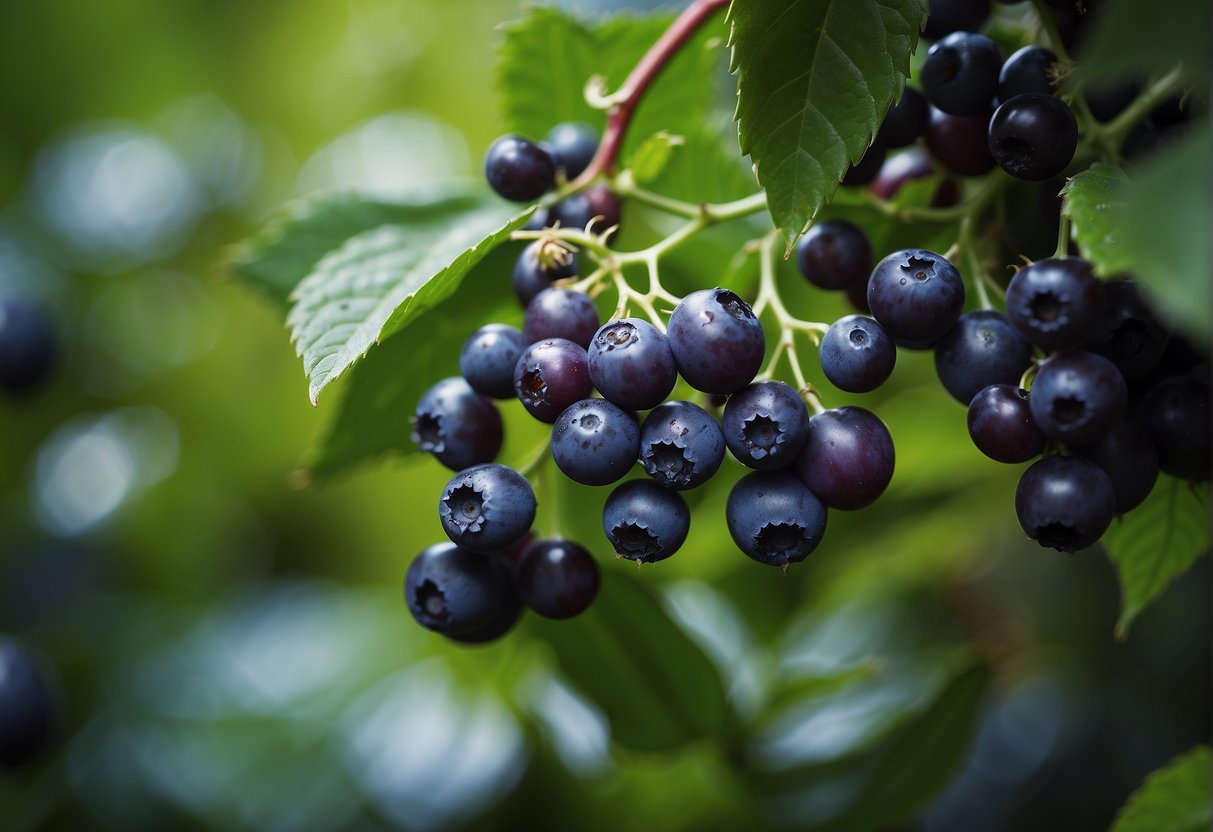
What Does American Beautyberry Jelly Taste Like: A Flavor Profile
Should you find yourself intrigued by the flavor of American beautyberry jelly, rest assured, your curiosity is shared by many. This striking purple berry thrives in the southern regions of the United States and has a long history of use in both traditional culinary practices and medicinal applications. However, the question remains: what is the actual taste of beautyberry jelly? Within this piece, we aim to delve into the taste characteristics of beautyberry jelly and offer advice on preparing your own at home.
To understand the taste of American beautyberry jelly, it’s important to first understand the fruit itself. Beautyberries are small, round berries that grow in clusters on shrubs. They have a tart, slightly astringent flavor that is often compared to cranberries or sour cherries. When cooked down into jelly, the flavor becomes more mellow and sweet, with notes of grape and raspberry.
Making beautyberry jelly is a relatively simple process that involves boiling the berries with sugar and pectin to create a thick, spreadable consistency. The resulting jelly is a beautiful shade of purple and pairs well with a variety of foods, from toast to cheese plates. So, if you’re looking to try something new in the kitchen, beautyberry jelly might just be the perfect ingredient to experiment with.
Key Takeaways
- American beautyberry jelly has a tart, slightly astringent flavor that mellows out when cooked down with sugar and pectin.
- Making beautyberry jelly is a straightforward process that involves boiling the berries with sugar and pectin to create a thick, spreadable jelly.
- Beautyberry jelly pairs well with a variety of foods and is a unique ingredient to experiment with in the kitchen.
Understanding American Beautyberry
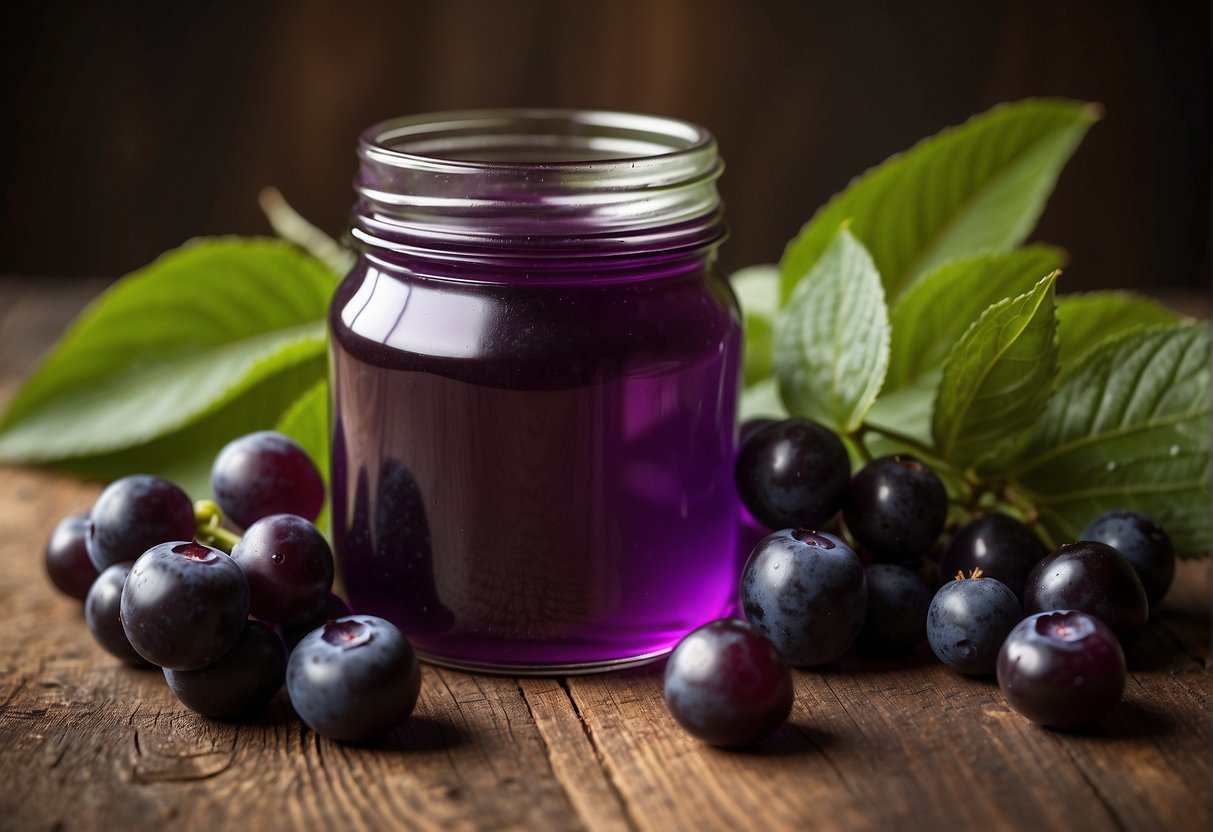
If you are curious about the taste of American Beautyberry jelly, it is important to first understand the botanical profile of Callicarpa Americana, the plant from which the berries are harvested.
Botanical Profile of Callicarpa Americana
Callicarpa Americana, commonly known as American Beautyberry, is a deciduous shrub that is native to the southeastern United States, particularly Florida. The plant produces clusters of bright purple berries that ripen from early spring to October. These berries are round and have a diameter of approximately 1/4 inch.
Culinary Uses of American Beautyberries
American Beautyberries are edible and have been used in traditional Native American cuisine for centuries. The berries have a slightly sweet taste with a hint of tartness. When made into jelly, the flavor is often described as similar to grape jelly with a slightly earthy undertone.
Harvesting and Seasonality
If you are interested in harvesting American Beautyberries for jelly, it is important to note that the berries are a valuable food source for wildlife. Therefore, it is recommended to wait until late fall to harvest the berries after the wildlife has had a chance to feed on them. The berries can be harvested by cutting the stems and removing the berries from the branches. It is important to rinse the berries thoroughly before using them in any recipe.
In conclusion, American Beautyberry jelly has a unique flavor that is slightly sweet with a hint of tartness and an earthy undertone. The berries are harvested in late fall after the wildlife has had a chance to feed on them, and they can be used in a variety of culinary applications.
Making Beautyberry Jelly
If you are looking to make a unique and delicious jelly, beautyberry jelly is an excellent choice. The vibrant magenta color and sweet-tart flavor make it a standout addition to any pantry. Here is a simple recipe and process for making your own beautyberry jelly.
Essential Ingredients for Jelly
To make beautyberry jelly, you will need the following ingredients:
- 4 cups of beautyberry juice
- 1 package of Sure-Jell pectin
- 4 cups of sugar
- 1/4 cup of lemon juice
You can make the beautyberry juice by boiling the berries in water and then straining the liquid through a mesh colander or cheesecloth. Be sure to rinse the berries and remove any stems or leaves before boiling.
The Jelly-Making Process
To make the jelly, follow these steps:
- In a large saucepan, mix the beautyberry juice, pectin, and lemon juice. Bring the mixture to a boil over high heat, stirring constantly.
- Add the sugar all at once and stir until dissolved. Continue to boil the mixture for 1-2 minutes, stirring constantly.
- Remove the pan from the heat and skim off any foam that has formed on the surface.
- Pour the jelly through a strainer into a bowl to remove any remaining solids.
- Pour the jelly into sterilized jars using a funnel, leaving 1/4 inch of headspace at the top of each jar.
- Wipe the rims of the jars with a clean, damp cloth, and then place the lids on top.
- Process the jars in a water bath canner for 10 minutes.
Canning and Preservation
To preserve the beautyberry jelly, you will need to can it properly. Here’s how:
- Fill a water bath canner with enough water to cover the jars by 1-2 inches. Bring the water to a boil.
- Use tongs to carefully place the jars of jelly into the canner.
- Process the jars for 10 minutes, adjusting the time as needed based on your altitude.
- Use the tongs to carefully remove the jars from the canner and place them on a towel to cool.
- Once the jars are cool, check the seals to make sure they are tight. Store the jars in a cool, dark place for up to a year.
Overall, making beautyberry jelly is a fun and rewarding process that yields a unique and delicious product. With just a few simple ingredients and some basic canning supplies, you can enjoy this sweet-tart jelly all year round.
Taste Profile of Beautyberry Jelly
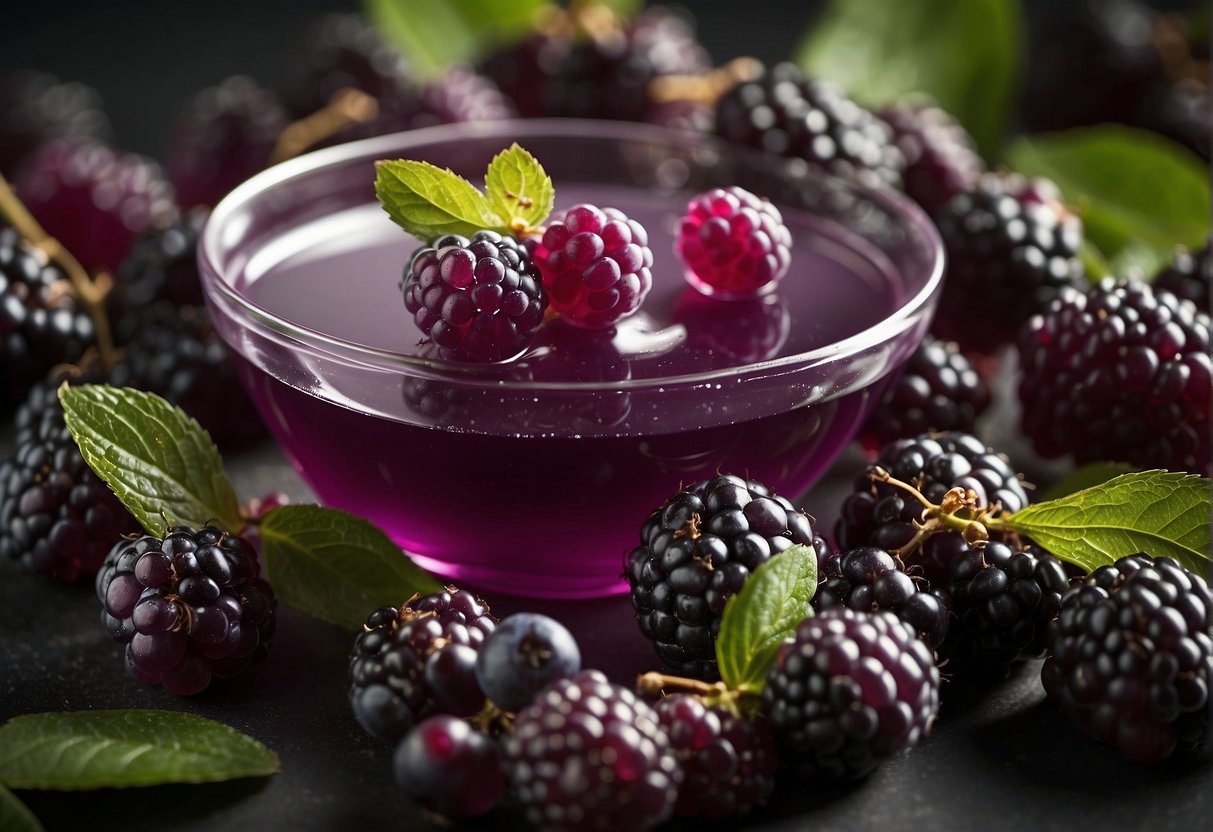
If you’re curious about the taste of beautyberry jelly, this section is for you. Here, we’ll explore the flavor and texture of this unique jelly, as well as its visual appeal and pairing suggestions.
Flavor and Texture
Beautyberry jelly has a sweet and slightly tart flavor that is reminiscent of cranberries or raspberries. The texture is thick and smooth, with a slight gel-like consistency that makes it perfect for spreading on toast or pastries.
Visual Appeal
One of the most striking things about beautyberry jelly is its gorgeous magenta color. This vibrant hue is sure to add a pop of color to any dish you serve it with. It’s also a great way to add some visual interest to your breakfast or dessert spread.
Pairing Suggestions
Beautyberry jelly is a versatile condiment that can be paired with a variety of foods. Here are a few suggestions to get you started:
- Spread it on toast or bagels for a sweet and tangy breakfast treat.
- Use it as a topping for ice cream or yogurt for a fruity twist.
- Pair it with cheese and crackers for a sophisticated appetizer.
- Use it as a filling for pastries or cakes to add some fruity flavor.
Overall, beautyberry jelly is a unique and delicious condiment that is sure to impress your taste buds. Give it a try and see for yourself!
Nutritional Information and Benefits
If you are wondering about the nutritional information and benefits of American Beautyberry Jelly, you have come to the right place. This section will provide you with all the necessary details.
Health Benefits of Beautyberries
Beautyberries are packed with nutrients that are beneficial for your health. They are an excellent source of antioxidants, which help to protect your body against damage caused by free radicals. These antioxidants can also help to reduce inflammation in your body, which is linked to many chronic diseases.
In addition to antioxidants, beautyberries are also rich in vitamins and minerals. They are a good source of vitamin C, which is important for immune system function, and vitamin A, which is essential for healthy vision. They also contain calcium, potassium, and magnesium, which are important for bone health.
Dietary Considerations
American Beautyberries are generally considered safe to eat, and they are a popular ingredient in many recipes, including jelly. However, it is important to note that the leaves and stems of the plant are toxic and should not be consumed.
If you have any dietary restrictions or concerns, it is always a good idea to consult with your doctor before adding beautyberry jelly to your diet. Additionally, if you are allergic to any other berries, you may want to avoid beautyberries as well.
Overall, American Beautyberry Jelly is a delicious and nutritious addition to your diet. It is a great way to enjoy the unique flavor of beautyberries, and it provides many health benefits as well. Whether you enjoy it on toast or use it as a glaze for meat, beautyberry jelly is a versatile and tasty ingredient that you are sure to love.
Tips and Tricks for Jelly Making
Making jelly from American beautyberries can be a fun and rewarding experience. However, if you are new to jelly making, there are some tips and tricks that can help ensure your jelly turns out perfectly.
Troubleshooting Common Issues
- Jelly not setting: If your jelly is not setting, it may be due to not using enough pectin or not boiling the mixture long enough. Make sure to follow the instructions on your pectin package carefully and boil the mixture until it reaches the appropriate temperature.
- Jelly too thick: If your jelly is too thick, it may be due to using too much pectin or boiling the mixture for too long. Try using less pectin or boiling the mixture for a shorter amount of time.
- Jelly too runny: If your jelly is too runny, it may be due to not using enough pectin or not boiling the mixture long enough. Make sure to follow the instructions on your pectin package carefully and boil the mixture until it reaches the appropriate temperature.
Enhancing the Jelly’s Flavor
- Use lemon juice: Adding lemon juice to your jelly can help enhance the flavor of the beautyberries. The acid in the lemon juice can also help the pectin set properly.
- Use ripe berries: Using ripe beautyberries can help ensure that your jelly has a strong, sweet flavor. Make sure to pick the berries when they are fully ripe and have a deep purple color.
- Use Sure-Jell pectin: Using Sure-Jell pectin can help ensure that your jelly sets properly. Make sure to follow the instructions on the package carefully.
- Be cautious with additives: While it may be tempting to add other ingredients to your jelly, be cautious as it can affect the set and flavor. Stick to adding small amounts of lemon juice to enhance the flavor.
When making jelly, it is important to sterilize your jars and lids to prevent contamination. Use a ladle to fill the jars and make sure to wipe the rims clean before sealing. After filling the jars, let them cool to room temperature before storing in the refrigerator or freezer.
With these tips and tricks, you can make delicious American beautyberry jelly that is sure to impress. Just make sure to be cautious if you or anyone you are serving is allergic to the berries, and always whisk the mixture to avoid lumps.
Cultural and Historical Significance
The American beautyberry, also known as Callicarpa americana, has a rich cultural and historical significance in the United States. Native Americans have long used the plant for its medicinal properties and as a natural insect repellent. The plant is commonly found in the southeastern United States, particularly in Florida, and blooms in early spring.
Traditional Uses by Native Americans
Native Americans have used American beautyberry for centuries to treat a variety of ailments. The leaves and roots of the plant were used to make tea to treat fever, dysentery, and rheumatism. The plant was also used as a natural insect repellent by crushing the leaves and rubbing them on the skin. Some tribes even used the plant as a dye for their clothing.
Beautyberry in Folklore and Tradition
American beautyberry has also been a part of folklore and tradition in the southeastern United States. Some people believe that the plant can bring good luck and prosperity, while others use it in rituals to ward off evil spirits. In some areas, the plant is also used in traditional medicine to treat skin conditions and as a natural remedy for headaches.
Overall, American beautyberry has a long and rich cultural and historical significance in the United States. Its traditional uses by Native Americans and its place in folklore and tradition have cemented its importance in the region.
Frequently Asked Questions
Can humans consume American Beautyberry safely?
Yes, American Beautyberry is safe for human consumption. However, it is important to note that the leaves, bark, and roots of the plant are toxic and should not be ingested. Only the berries should be used for culinary purposes.
What culinary uses does American Beautyberry have?
American Beautyberry is commonly used to make jelly or jam. The berries have a tart, slightly sweet flavor that pairs well with sugar. They can also be used to make tea or added to salads for a pop of color.
How do you make American Beautyberry jelly without pectin?
To make American Beautyberry jelly without pectin, you will need to use a natural pectin source such as apples or quince. Simply cook the berries and natural pectin source together, strain the mixture, and then add sugar and cook until it reaches the desired consistency.
What are some low sugar alternatives for making Beautyberry jelly?
If you are looking for a low sugar alternative for making Beautyberry jelly, you can use a natural sweetener such as honey or maple syrup. Keep in mind that using less sugar or a natural sweetener may affect the texture and shelf life of the jelly.
Is there a difference in taste between Beautyberry jelly and jam?
Yes, there is a difference in taste between Beautyberry jelly and jam. Jelly is made by straining the juice from the berries and discarding the pulp, while jam is made by cooking the berries with sugar until they break down and thicken. Jelly has a smoother texture and a more concentrated flavor, while jam has a chunkier texture and a more balanced flavor.
What are the medicinal benefits associated with Beautyberry?
American Beautyberry has been used in traditional medicine to treat a variety of ailments such as fever, dysentery, and rheumatism. It contains compounds such as flavonoids and terpenoids that have antioxidant and anti-inflammatory properties. However, more research is needed to fully understand the medicinal benefits of Beautyberry.

