
When Does Beautyberry Bloom: A Guide to Blooming Season
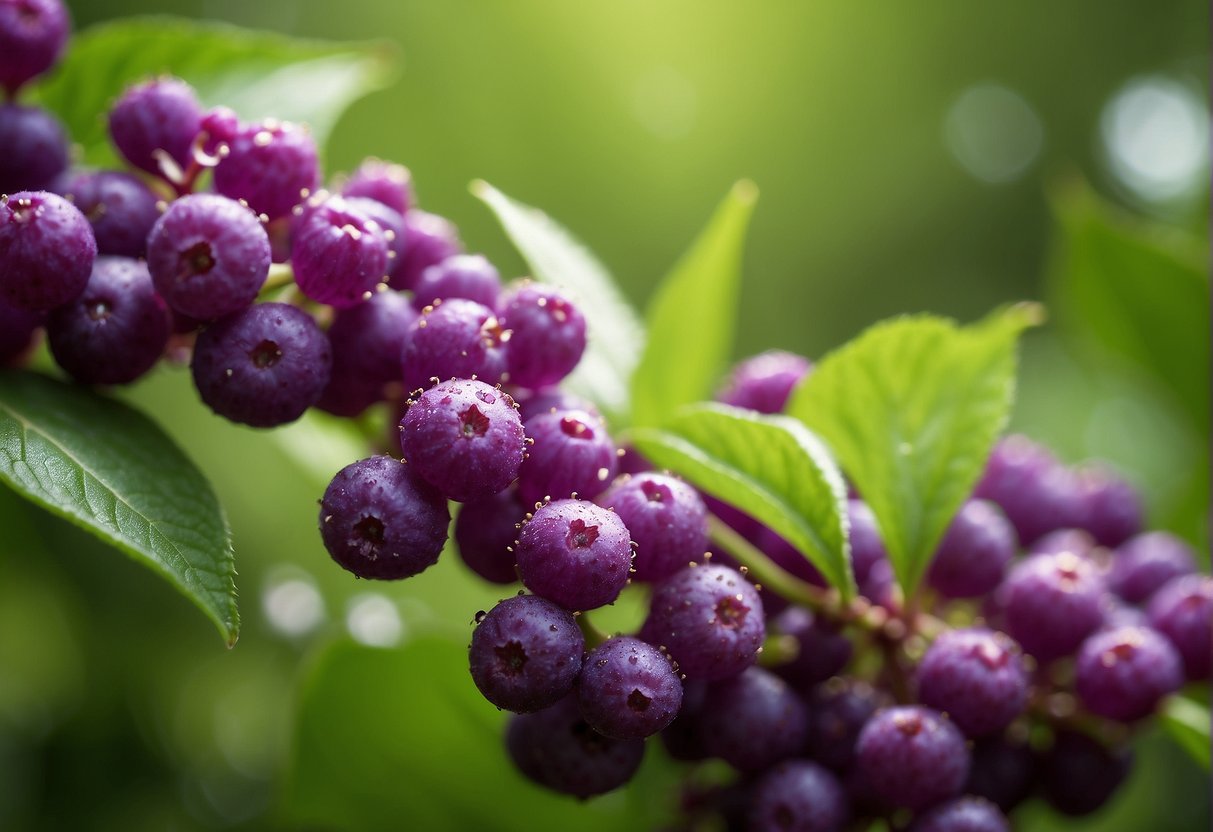
In gardening, the key factor is timing. Being aware of the blooming period of your plants can assist you in organizing your garden to guarantee a continuous, vibrant show of blossoms during the growth period. If you’re curious about the blooming time of beautyberry, you’re in good company. This widely admired plant is celebrated for its vivid purple berries, yet it is equally valued for its soft pinkish-purple flowers that appear in the late spring and early summer.
Beautyberry, also known as Callicarpa americana, is a deciduous shrub that is native to the southeastern United States. It’s a popular plant for home gardens because of its stunning purple berries that appear in the fall. But before the berries come the flowers. Beautyberry blooms in the late spring and early summer, typically from May to June. The flowers are small and delicate, with a pinkish-purple color that is quite striking against the green leaves of the shrub.
If you’re planning to add beautyberry to your garden, it’s important to know when it blooms so you can plan accordingly. Whether you’re looking to create a stunning display of flowers or you’re just curious about this popular plant, read on to learn more about when beautyberry blooms.
Botanical Profile
Species Overview
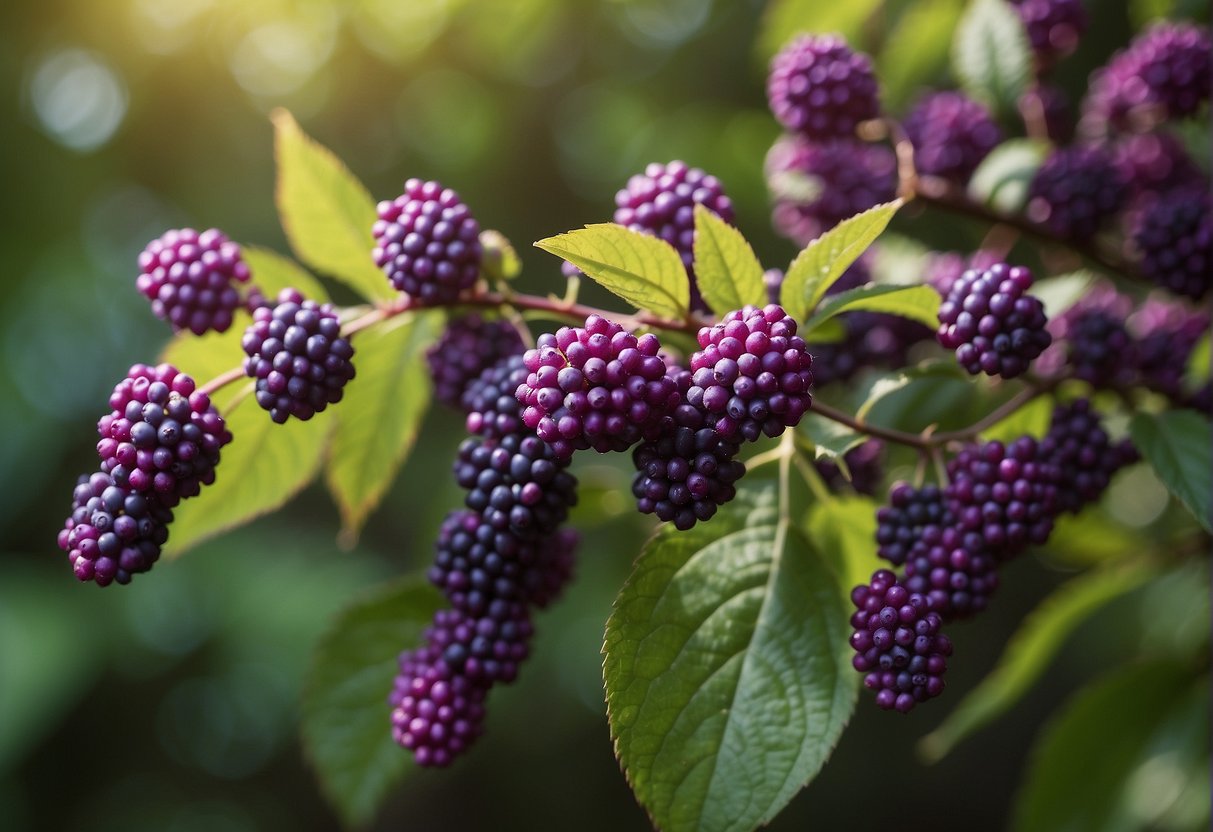
Beautyberry, also known as Callicarpa Americana, is a deciduous shrub that is native to the southeastern United States. The plant is a member of the Lamiaceae family and is known for its strikingly beautiful purple berries that grow along the stems of the plant. Beautyberry is a popular ornamental plant due to its attractive appearance and easy-to-grow nature.
Native Habitat
Beautyberry is native to North America, specifically the southeastern region of the United States. The plant can be found growing in a variety of habitats, including woodlands, thickets, and along the edges of fields. Beautyberry is well-adapted to the hot and humid conditions of the southeastern United States and can tolerate a wide range of soil types.
Plant Characteristics
Beautyberry is a deciduous shrub that can grow up to 6 feet tall and 6 feet wide. The plant produces clusters of small, pink flowers in the summer, which are followed by the characteristic purple berries in the fall. The leaves of the plant are simple, ovate, and have a serrated edge. Beautyberry is a low-maintenance plant that is easy to grow and requires little care once established.
In addition to Callicarpa Americana, there are other species of beautyberry, including C. dichotoma and C. japonica. These species are native to Asia and are similar in appearance to C. Americana. However, they are less commonly grown in North America.
Overall, beautyberry is a beautiful and easy-to-grow shrub that is well-suited for gardens in the southeastern United States. Its striking purple berries provide a unique and eye-catching addition to any landscape.
Cultivation
Planting Guidelines
If you are planning to grow beautyberry, it is important to choose a suitable location for planting. The shrub can be planted in spring or fall, and it is recommended to plant it in a spot with well-drained soil. You should also ensure that the soil is rich in organic matter, such as compost, to provide the plant with the necessary nutrients.
When planting beautyberry, make sure to dig a hole that is large enough to accommodate the root ball. Place the plant in the hole and backfill with soil, making sure to firm the soil around the plant to eliminate air pockets.
Soil Requirements
Beautyberry prefers moist soil with good drainage. It can tolerate a range of soil types, including sandy, loamy, and clay soils. The soil pH should be between 5.5 and 6.5, which is slightly acidic. If the soil is too alkaline, you can add sulfur to lower the pH.
Sunlight and Temperature
Beautyberry can grow in full sun to partial shade, but it prefers partial shade. The shrub can tolerate a range of temperatures, but it is best to avoid planting it in areas with extreme heat or cold.
Watering and Drainage
Beautyberry requires regular watering, especially during the first year of growth. The soil should be kept moist but not waterlogged. If the soil is too dry, the plant may wilt and drop its leaves. However, beautyberry is drought-tolerant and can survive periods of drought once established.
Good drainage is essential for beautyberry. If the soil is too wet, the plant may develop root rot and die. To improve drainage, you can add organic matter to the soil or plant the shrub in a raised bed.
Overall, beautyberry is a low-maintenance plant that can thrive in a variety of soil and light conditions. With proper care and attention, you can enjoy the beauty of its vibrant blooms and colorful berries throughout the growing season.
Growth and Care
When it comes to growing and caring for beautyberry, there are a few things to keep in mind to ensure that your plant thrives.
Pruning and Maintenance
Beautyberry is a low-maintenance plant that doesn’t require much pruning. However, if you want to keep your plant looking neat and tidy, you can prune it in the late winter or early spring before new growth appears. Simply cut back any dead or damaged branches to the ground, and remove any branches that are crossing or rubbing against each other.
Fertilization and Nutrients
Beautyberry doesn’t require much fertilizer, but you can give it a boost in the spring by applying a slow-release fertilizer. Be sure to follow the instructions on the package, and don’t over-fertilize, as this can lead to excessive foliage growth and fewer berries.
Pest and Disease Management
Beautyberry is relatively pest and disease-free, but it can be susceptible to a few common problems. One of the most common pests is the Japanese beetle, which can eat the foliage and cause damage to the plant. To control Japanese beetles, you can handpick them off the plant, or use a pesticide labeled for use on beautyberry. As for diseases, beautyberry can be susceptible to leaf spot and powdery mildew. To prevent these diseases, be sure to provide good air circulation around the plant, and avoid overhead watering. If you do notice signs of disease, you can treat it with a fungicide labeled for use on beautyberry.
By following these simple tips for pruning, fertilization, and pest and disease management, you can help ensure that your beautyberry plant stays healthy and produces beautiful foliage and berries for years to come.
Reproduction
Beautyberry is a deciduous shrub that produces clusters of purple berries in the fall, which are attractive to birds and other wildlife. If you want to propagate this plant, there are a few methods to consider.
Propagation Methods
One way to propagate beautyberry is through softwood cuttings taken in late spring or early summer. Choose a healthy stem and cut a 4- to 6-inch section, making sure to remove any flowers or buds. Dip the cut end in rooting hormone and plant it in a pot filled with a well-draining soil mix. Keep the soil moist and place the pot in a warm, bright area but out of direct sunlight. In a few weeks, you should see roots forming, and you can transplant the new plant to a larger pot or directly into the ground.
Another option is to propagate beautyberry from seed. Collect the berries in the fall and remove the seeds by crushing the fruit. Clean the seeds and soak them in water for a few hours. Plant the seeds in a pot filled with a well-draining soil mix and keep the soil moist. It may take several weeks for the seeds to germinate, and the plants will need to be transplanted to larger pots or directly into the ground once they are large enough.
Seed and Cuttings Care
Whether you choose to propagate beautyberry from seed or cuttings, there are a few things to keep in mind to ensure success. For seed propagation, make sure the soil is consistently moist but not waterlogged, and provide bright, indirect light. For softwood cuttings, keep the soil moist and the plant in a warm, bright area but out of direct sunlight. You can cover the pot with a plastic bag to create a greenhouse effect and help retain moisture.
When potting up propagated plants, use a well-draining soil mix and provide regular water and fertilizer. Beautyberry prefers slightly acidic soil, so you may want to add some peat moss or compost to the mix. Once the plants are established, they are relatively easy to care for and will reward you with their beautiful foliage and berries.
Bloom Characteristics
Flowering Period
Beautyberry blooms during the summer months, typically from June to August. The exact timing of the blooming period may vary slightly depending on the climate and location.
Flower Description
The flowers of beautyberry are small and delicate, with a diameter of approximately 1/4 inch. They are arranged in clusters along the stem, with each cluster containing up to 20 individual flowers. The color of the flowers can range from pink to white to purple or lavender.
The flowers of beautyberry are not showy or particularly ornamental, but they do add a subtle beauty to the landscape. The small size and delicate nature of the flowers make them easy to overlook, but a closer inspection reveals their intricate beauty.
In conclusion, the blooming period of beautyberry occurs during the summer months, and the flowers are small and delicate with a range of colors from pink to white to purple or lavender. While not particularly showy, the flowers add a subtle beauty to the landscape.
Fruiting Details
Berry Development
The beautyberry bush produces fruit in late winter or early spring. The fruit develops from small, white flowers that bloom in the winter. The fruit production is highest in areas with mild winters. The berries grow in clusters on the branches of the bush and turn from green to a vibrant violet-blue color as they mature.
Fruit Description
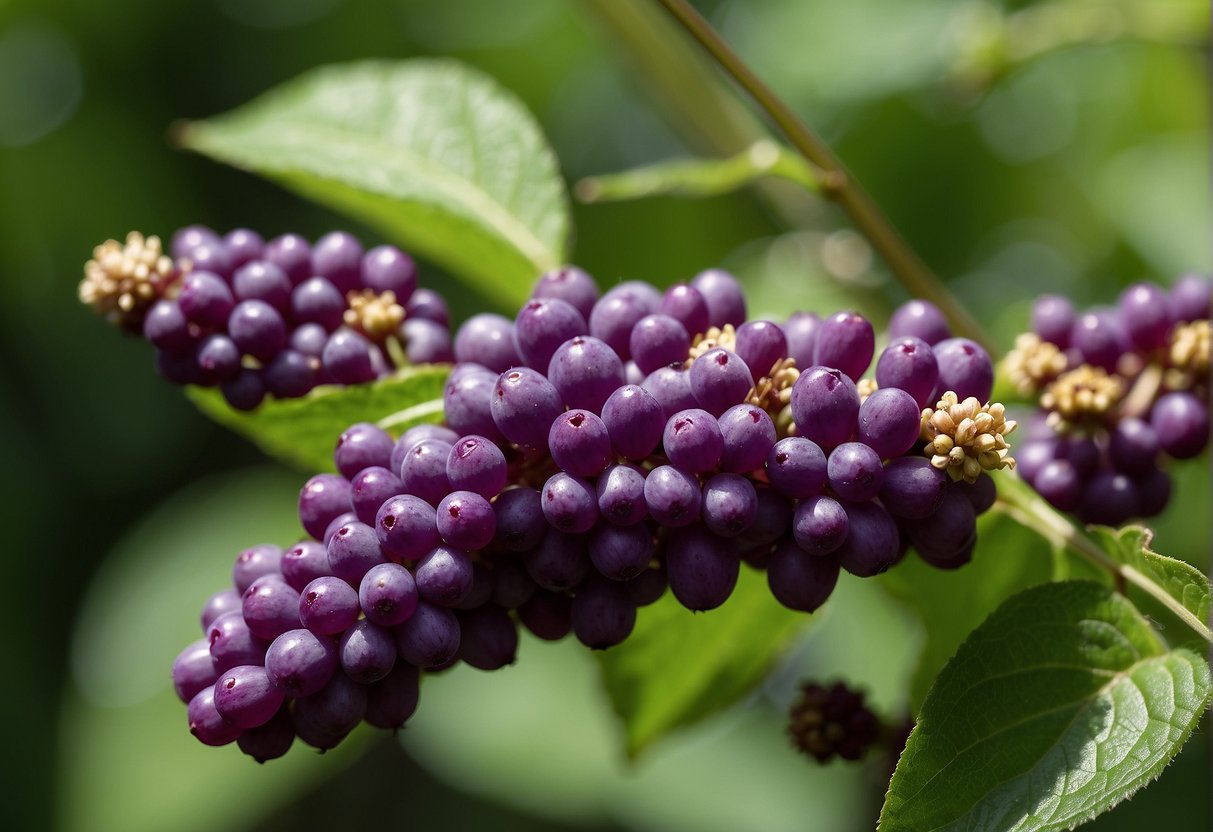
The beautyberry bush produces small, round berries that are about the size of a pea. The berries are a vibrant purple color and grow in clusters on the branches of the bush. The berries are edible, but they are not commonly eaten by humans due to their bland taste. The berries can be used to make jelly or added to other recipes for flavor.
Wildlife Attraction
The beautyberry bush is a popular food source for birds. The bright purple berries are attractive to many species of birds, including robins, thrushes, and mockingbirds. The berries provide an important food source for birds during the winter months when other food sources are scarce. The bush also attracts butterflies and other pollinators with its white flowers in the winter.
Overall, the beautyberry bush is a beautiful addition to any garden or landscape. Its vibrant purple berries add a pop of color to the winter landscape and provide an important food source for wildlife.
Landscape Use
If you’re looking for a low-maintenance yet visually stunning shrub to add to your garden, the beautyberry shrub is an excellent choice. With its arching branches and compact form, it can be used as a specimen plant or as part of a mass planting to add a pop of color to your landscape. In this section, we’ll discuss the ornamental value of the beautyberry and provide some garden design tips to help you incorporate it into your landscape.
Ornamental Value
One of the standout features of the beautyberry shrub is its striking white-fruited berries that appear in late summer and fall. These berries are not only visually appealing but also attract birds to your garden. The deciduous leaves of the beautyberry turn yellow in the fall, adding to its ornamental value.
The beautyberry shrub can thrive in full sun or part shade, making it a versatile addition to any garden. Its arching branches add a graceful touch to any landscape, and its compact form makes it an excellent choice for borders or as a low hedge.
Garden Design Tips
When incorporating the beautyberry shrub into your garden, consider planting it in groups of three or more to create a mass planting effect. This will help to showcase its ornamental value and create a focal point in your landscape. Alternatively, you can use it as a border plant to provide a pop of color along the edge of your garden.
To create a visually appealing garden design, consider pairing the beautyberry with other plants that have contrasting foliage or flowers. For example, you could plant it alongside a dark-leaved plant like the purple smoke bush or pair it with a bright yellow perennial like the black-eyed Susan.
Overall, the beautyberry shrub is an excellent choice for gardeners looking for a low-maintenance yet visually stunning plant to add to their landscape. With its ornamental value and versatility, it’s sure to be a standout in any garden design.
Seasonal Interest
If you’re looking for a plant that can add interest to your garden throughout the year, the beautyberry is a great choice. This shrub offers year-round appeal, with unique characteristics that make it stand out during different seasons.
Year-Round Appeal
During the fall, the beautyberry produces clusters of bright purple berries that are sure to catch your eye. These berries are not only visually striking but also provide a valuable food source for wildlife.
In the winter, the beautyberry’s bare branches create an interesting silhouette in the garden. The shrub’s arching branches give it a graceful appearance, even when it’s not in leaf.
In the spring, new growth emerges from the beautyberry’s branches, adding a fresh burst of green to the garden. The leaves are a vibrant green color and have a slightly glossy texture.
During the summer, the beautyberry’s green leaves provide a lush backdrop for other plants in the garden. The shrub’s rounded shape and dense foliage make it a great choice for filling in empty spaces.
Winter Garden Presence
The beautyberry’s unique characteristics also make it a great addition to a winter garden. Its bare branches and arching shape create a striking focal point in the garden, even when covered in snow.
The shrub’s purple berries also add a pop of color to an otherwise drab winter landscape. They can be used in wreaths and other winter decorations, bringing a touch of natural beauty indoors.
Overall, the beautyberry is a versatile and attractive shrub that can add interest to your garden throughout the year. Whether you’re looking for fall color, winter garden presence, or summer foliage, the beautyberry has something to offer.
Regional Considerations
Adaptation to Climate
When it comes to the beautyberry shrub, it is important to consider the climate of your region. Beautyberry is a hardy plant that can adapt to a variety of climates, but it does have its preferences. Beautyberry shrubs are typically found in zones 6 through 10, which includes most of North America.
In general, beautyberry prefers a temperate climate with moderate humidity and temperatures ranging from 60 to 80 degrees Fahrenheit. It can tolerate some colder temperatures, but it may not bloom as well in areas with harsh winters. Similarly, in very hot and dry regions, beautyberry may struggle to thrive.
Best Growing Zones
If you live in the United States, you may be wondering if beautyberry will grow well in your area. Beautyberry is native to the southeastern United States, including Texas and Florida. It is well-suited to the warm, humid climate of these regions, but it can also grow in other parts of the country.
In general, beautyberry thrives in full sun to part shade, making it a versatile addition to your garden. It can grow in a variety of soil types, but it prefers well-draining soil that is rich in organic matter.
If you live in zones 6 through 10 and are looking for a low-maintenance shrub that adds beauty and interest to your landscape, beautyberry may be the perfect choice. With its striking purple berries and easy-to-care-for nature, it is sure to be a standout in your garden.
Wildlife and Ecology
Attracting Beneficial Fauna
The beautyberry plant is a great addition to any garden for attracting beneficial wildlife, especially birds and butterflies. The plant produces small, pink to lavender flowers that bloom from late spring to early summer. These flowers are a great source of nectar for butterflies, which in turn help to pollinate the plant.
The beautyberry also produces small, purple berries in the fall that are a favorite food of many bird species, including the American mulberry. By planting beautyberry in your garden, you can attract these birds and provide them with a valuable food source.
Ecological Impact
The beautyberry plant has a positive ecological impact. In addition to attracting beneficial fauna, it also repels mosquitoes. The leaves of the plant contain compounds that have been shown to be effective at repelling mosquitoes.
By planting beautyberry in your garden, you can help to reduce the mosquito population in your area without the need for harmful pesticides.
Overall, the beautyberry plant is a great addition to any garden. It not only adds beauty to your landscape, but also has a positive impact on the local wildlife and ecology.
Varieties and Cultivars
When it comes to beautyberry shrubs, there are several varieties and cultivars to choose from. Here are some things to consider when selecting the right type for your garden.
Selecting the Right Type
One popular type of beautyberry is the Japanese beautyberry (Callicarpa japonica). This variety produces clusters of pink or white flowers in the summer, followed by bright purple berries in the fall. Another option is the American beautyberry (Callicarpa americana), which has clusters of small, white or pink flowers that give way to bright purple berries.
When selecting a beautyberry shrub, consider the color of the berries and how it will complement the rest of your garden. If you want a pop of color, go for a variety with bright purple berries. If you prefer a more subtle look, opt for a variety with white or pink berries.
Cultivar Highlights
There are also several cultivars of beautyberry to choose from. Some popular options include:
- ‘Issai’ – This Japanese beautyberry produces clusters of pink flowers and bright purple berries. It is a compact shrub, making it a good choice for smaller gardens.
- ‘Profusion’ – This American beautyberry produces clusters of pink flowers and bright purple berries. It is a larger shrub, growing up to 6 feet tall and wide.
- ‘Lactea’ – This variety of Japanese beautyberry has white berries instead of purple. It is a unique and eye-catching addition to any garden.
When choosing a cultivar, consider the size of the shrub and how much space you have in your garden. Some cultivars are more compact, while others can grow quite large. You’ll also want to consider the color of the flowers and berries, as well as any other unique characteristics of the cultivar.
Common Challenges
When it comes to growing beautyberry, there are several environmental stress factors that can affect its growth and bloom. Understanding these factors can help you manage common issues that may arise.
Environmental Stress Factors
Drought: Beautyberry is a drought-tolerant plant, but prolonged periods of dryness can affect its growth and bloom. If you live in an area with low rainfall, make sure to water your beautyberry regularly to keep the soil moist.
Woody: As beautyberry plants age, they can become woody and produce fewer blooms. To prevent this, prune the plant regularly to encourage new growth and remove any dead or damaged branches.
Dry Soil: Beautyberry prefers well-drained soil, but overly dry soil can lead to problems. If you notice your beautyberry leaves turning brown or falling off, it may be a sign that the soil is too dry. Make sure to water your plant regularly and mulch around the base to retain moisture.
Managing Common Issues
Pests: Beautyberry is generally pest-resistant, but it can attract certain insects such as Japanese beetles and aphids. To manage these pests, use insecticidal soap or neem oil to control their populations.
Diseases: Beautyberry is susceptible to fungal diseases such as powdery mildew and leaf spot. To prevent these diseases, make sure to plant your beautyberry in a well-ventilated area and avoid overhead watering. If you notice signs of disease, remove any infected leaves and treat with a fungicide.
By understanding these common challenges and taking steps to manage them, you can ensure that your beautyberry plant blooms to its fullest potential.
Propagation and Growth
Roots and Development
When propagating beautyberries, it is important to note that they have shallow roots that spread outwards rather than downwards. This means that they prefer well-draining soil and should not be planted too deep. When planting, make sure the root ball is level with the soil surface.
As the beautyberry plant grows, it will develop new growth from the base of the stem. This is normal and should not be a cause for concern. However, if the plant is not pruned regularly, the new growth can become too dense and affect the overall health of the plant.
Maximizing Growth Potential
To maximize the growth potential of beautyberry plants, it is important to provide them with the right conditions. These plants prefer full sun to partial shade and well-draining soil. They are also drought-tolerant once established, but will benefit from regular watering during dry spells.
Beautyberries can be propagated from cuttings taken in the early summer. Simply take a cutting from the current year’s growth, remove the leaves from the bottom half of the stem, and place it in a well-draining potting mix. Keep the soil moist and the cutting should root within a few weeks.
Regular pruning can also help to maximize the growth potential of beautyberry plants. Prune the plant in late winter or early spring to remove any dead or damaged wood. This will encourage new growth and help to maintain the overall health of the plant.
In conclusion, beautyberry plants have shallow roots that spread outwards and prefer well-draining soil. They can be propagated from cuttings and benefit from regular pruning to encourage new growth. By providing the right conditions and care, you can maximize the growth potential of your beautyberry plants.
Practical Tips and Tricks
Effective Care Strategies
When it comes to caring for your beautyberry plant, there are a few things you can do to ensure it blooms at the right time. First and foremost, make sure your plant is getting enough sunlight. Beautyberry plants thrive in full sun, so try to plant them in a location that receives at least 6 hours of direct sunlight per day.
In addition to sunlight, beautyberry plants also need well-draining soil. If your soil is too heavy or poorly drained, it can lead to root rot and other issues that can prevent your plant from blooming. To ensure your soil is well-draining, consider adding some organic matter, such as compost or aged manure, to the soil before planting.
Regular pruning is also important to encourage your beautyberry plant to bloom. In the early spring, before new growth appears, prune away any dead or damaged branches, as well as any branches that are crossing or rubbing against each other. This will help improve air circulation and encourage new growth, which can lead to more blooms.
Professional Insights
If you’re still having trouble getting your beautyberry plant to bloom, consider consulting with a professional landscaper or horticulturist. These experts can provide personalized advice based on your specific growing conditions and can help you identify any issues that may be preventing your plant from blooming.
In some cases, your plant may simply need a little extra care and attention to encourage blooming. This could include regular fertilization with a balanced, slow-release fertilizer, as well as regular watering during dry spells.
Overall, with a little patience and care, you can help your beautyberry plant bloom at the right time and enjoy its beautiful, colorful berries all season long.
Conservation and Sustainability
Sustainable Practices
When it comes to growing beautyberry, sustainable practices are essential. By using organic fertilizers and avoiding synthetic pesticides, you can help preserve the natural habitat of the plant and maintain healthy soil. Additionally, planting native species like beautyberry can help support local wildlife and maintain biodiversity.
Conservation Efforts
Conservation efforts are crucial to protecting beautyberry and other native species. Many organizations work to preserve natural habitats and promote sustainable practices. By supporting these efforts, you can help ensure that future generations can enjoy the beauty and benefits of this remarkable plant.
One such organization is the Ecological Society of America, which advocates for policies that promote conservation and sustainability. They work to educate the public and policymakers about the importance of protecting our natural resources and preserving biodiversity.
Another organization that focuses on conservation is the National Wildlife Federation. They work to protect and restore wildlife habitats, including those of beautyberry and other native species. By supporting their efforts, you can help ensure that these plants and animals continue to thrive in their natural environments.
In conclusion, by practicing sustainable gardening and supporting conservation efforts, you can help protect beautyberry and other native species. With your help, we can preserve the natural beauty and ecological benefits of these remarkable plants for generations to come.
Frequently Asked Questions
What is the typical blooming season for beautyberry plants?
Beautyberry plants typically bloom in late summer or early fall, usually from August to September. The blooming season can vary depending on the climate and growing conditions.
In which USDA zones does beautyberry thrive best?
Beautyberry plants are native to the southeastern United States and thrive in USDA zones 6 through 10. They can grow in other zones, but may not bloom as well or produce as many berries.
How much sunlight is ideal for the growth and bloom of beautyberry?
Beautyberry plants prefer partial shade to full sun, but can tolerate a range of light conditions. They require at least 4-6 hours of direct sunlight per day to bloom and produce berries.
What are common issues that can prevent beautyberry from blooming?
Some common issues that can prevent beautyberry from blooming include insufficient sunlight, poor soil quality, and improper pruning. In addition, extreme weather conditions such as drought or excessive rain can also affect blooming.
Is pruning necessary for beautyberry plants, and if so, when should it be done?
Pruning is not necessary for beautyberry plants, but it can help improve their shape and encourage more vigorous growth. Pruning should be done in late winter or early spring before new growth begins.
How can you encourage beautyberry to produce more berries?
To encourage beautyberry plants to produce more berries, make sure they are getting enough sunlight and water. Fertilizing with a balanced fertilizer in early spring can also help. Additionally, leaving some of the previous year’s growth can help increase berry production.

