
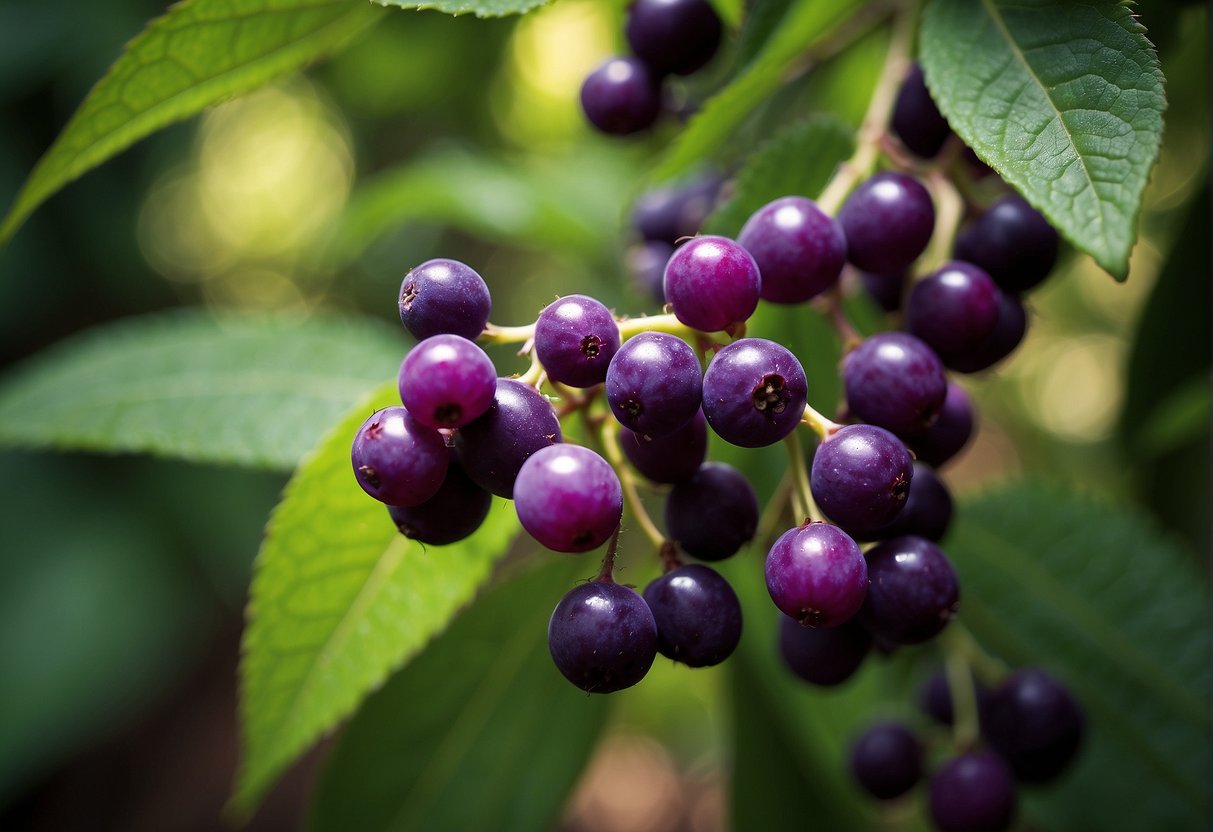
What is a Beautyberry Bush: A Guide to the Shrub with Vibrant Purple Berries
Should you be in search of a vibrant and low-maintenance shrub for your garden, the beautyberry bush could be an excellent choice. Renowned for its striking purple berries that emerge in the late summer and early autumn, this plant injects a vibrant pop of color into your outdoor space. However, the beautyberry bush offers more than mere aesthetic appeal – it is a resilient and adaptable shrub capable of flourishing under diverse conditions.
Botanical Profile:
Beautyberry (Callicarpa spp.) is a genus of shrubs that belong to the mint family (Lamiaceae). The most common species is American beautyberry (Callicarpa americana), which is native to the southeastern United States. Beautyberry bushes typically grow to be 3-6 feet tall and wide, with an upright habit and arching branches. The leaves are simple, opposite, and deciduous, with a serrated edge and a bright green color. The flowers are small and inconspicuous, but the berries are showy and attractive to birds and other wildlife.
Key Takeaways:
- Beautyberry is a colorful and easy-to-grow shrub that can add interest to your garden.
- This plant belongs to the mint family and is native to the southeastern United States.
- Beautyberry bushes produce vibrant purple berries in late summer and early fall, which are attractive to birds and other wildlife.
Botanical Profile
Genus and Species
The beautyberry bush is a member of the genus Callicarpa, which includes around 140 species of shrubs and small trees. The most commonly cultivated species are Callicarpa americana, Callicarpa dichotoma, and Callicarpa bodinieri.
Native Habitats
The beautyberry bush is native to North America and Asia. In North America, it is found in the southeastern United States, including Florida and Texas. In Asia, it is found in China, Japan, and Korea.
The beautyberry bush prefers well-drained soil and partial shade, although it can tolerate full sun in cooler climates. It is easy to grow and can reach heights of up to 6 feet.
The leaves of the beautyberry bush are simple and opposite, with toothed margins. The flowers are small and inconspicuous, but the fruit is the most attractive feature of the plant. The fruit is a bright purple or magenta berry that grows in clusters along the stems. The berries are edible but are not commonly consumed due to their astringent taste.
In summary, the beautyberry bush is a member of the Callicarpa genus and is native to North America and Asia. It is easy to grow and produces attractive purple berries.
Planting Beautyberry
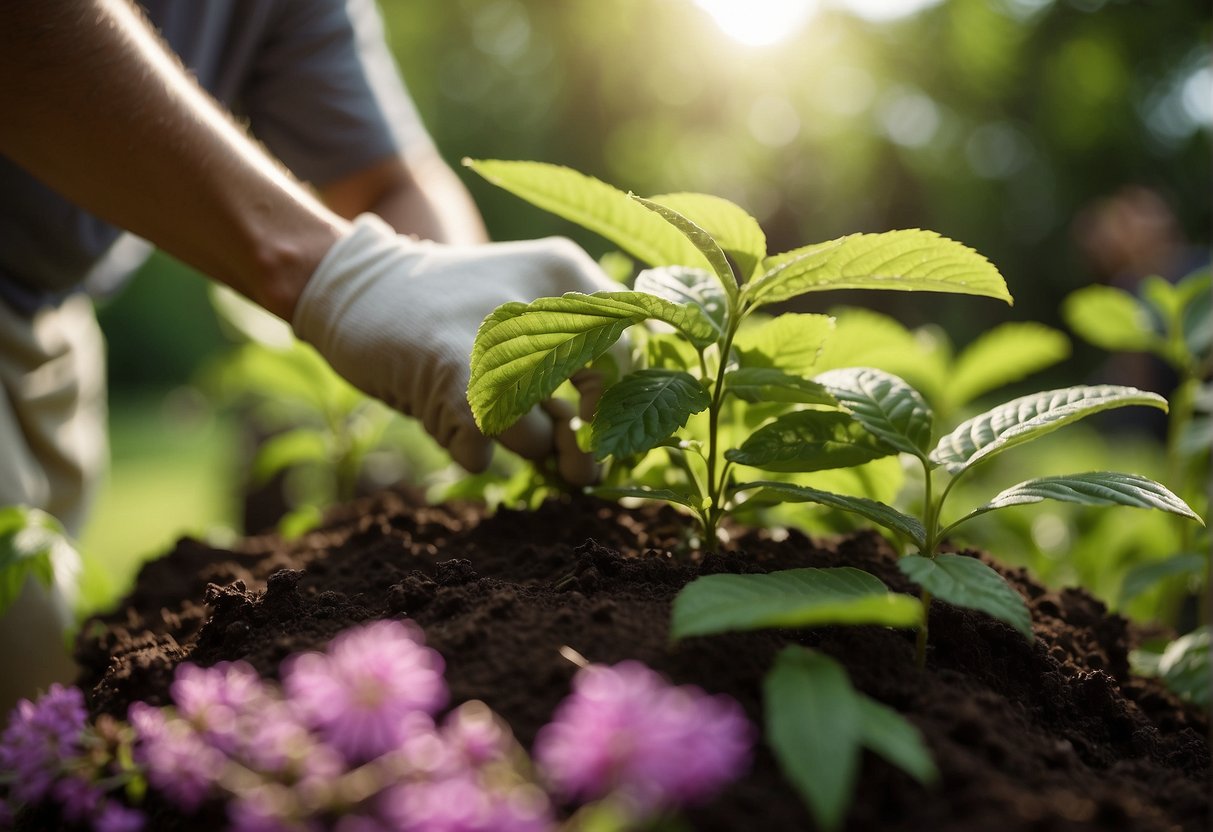
If you are planning to grow beautyberry bushes, it is important to know how to plant them properly. Here are some guidelines to help you get started.
Choosing the Right Location
Beautyberry bushes prefer full sun to partial shade. When selecting a location, make sure that it receives at least 6 hours of sunlight a day. The soil should be well-drained and moist. Beautyberry bushes can grow in a variety of soil types, including clay and sand. It is important to note that they prefer soil with a slightly acidic pH level between 5.5 and 6.5.
Soil Preparation
Before planting, it is important to prepare the soil. Start by removing any weeds or grass from the planting area. You can then add compost or organic matter to the soil to improve its quality. Mix the compost or organic matter into the soil to a depth of at least 12 inches. This will help to improve soil drainage and fertility.
Planting Process
To plant a beautyberry bush, start by digging a hole that is twice as wide and deep as the root ball. Place the bush in the hole and backfill with soil. Make sure that the top of the root ball is level with the surrounding soil. Water the bush thoroughly after planting. You can then add a layer of mulch around the base of the bush to help retain moisture and suppress weeds.
Overall, planting beautyberry bushes is a relatively simple process. By selecting the right location, preparing the soil properly, and following the correct planting process, you can help ensure that your beautyberry bushes thrive and produce beautiful berries.
Caring for Beautyberry
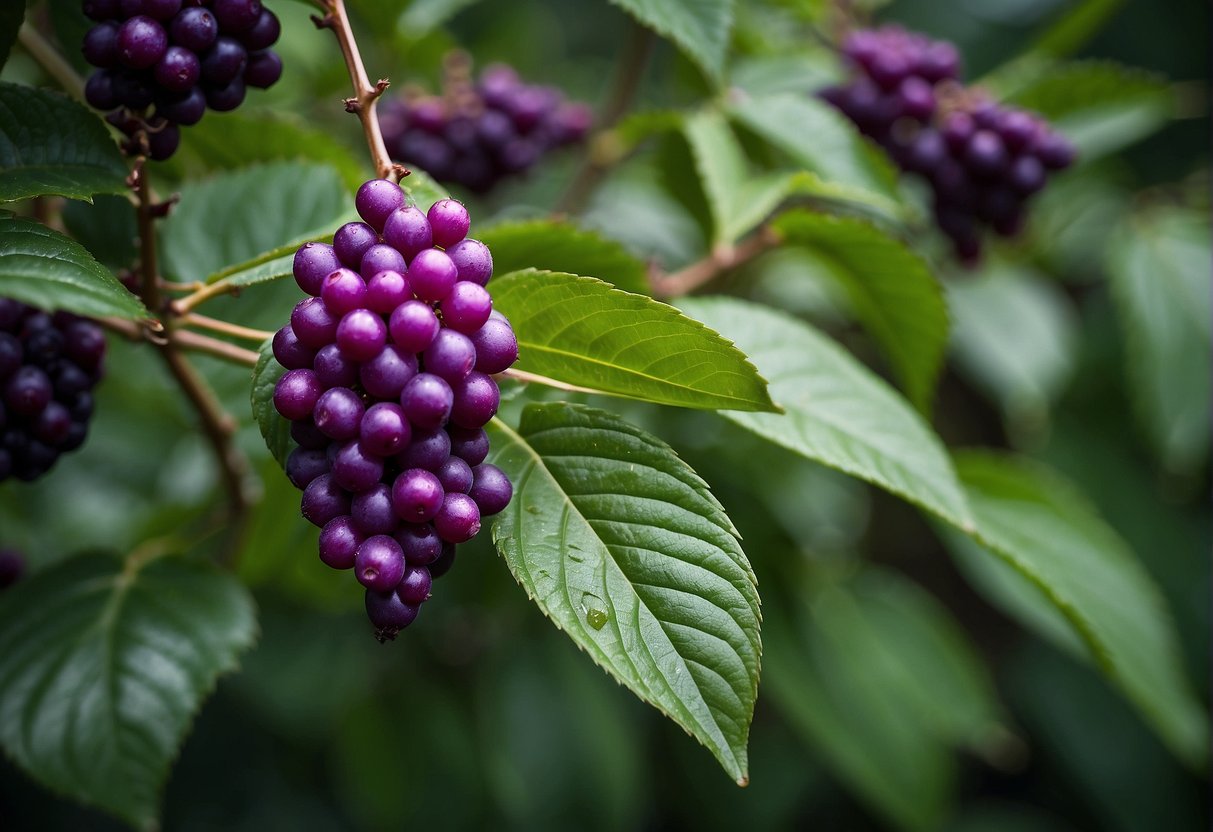
If you want to keep your beautyberry bush healthy and looking its best, it is important to provide it with the right care. Here are a few tips on how to care for your beautyberry bush:
Watering and Moisture
Beautyberry bushes require regular watering, especially during the first year after planting. Ensure that the soil around the plant is moist, but not waterlogged. During periods of drought, it is important to water your beautyberry bush regularly to prevent it from drying out.
Fertilizing
Beautyberry bushes benefit from regular fertilization. Apply a balanced fertilizer in the spring and again in the summer to promote healthy growth. Be careful not to over-fertilize, as this can lead to excessive growth and poor health.
Pruning
Pruning your beautyberry bush is important to maintain its shape and promote healthy growth. Prune your bush in the late winter or early spring, before new growth begins. Remove any dead or damaged branches, and trim back any branches that are growing too long.
Disease and Pest Management
Beautyberry bushes are generally resistant to most diseases and pests. However, they can be susceptible to fungal diseases, such as leaf spot and powdery mildew. To prevent these diseases, ensure that your beautyberry bush is planted in a well-drained area with good air circulation. If you notice any signs of disease, remove the affected leaves and dispose of them properly.
In terms of pests, beautyberry bushes can be affected by spider mites and Japanese beetles. To control these pests, use an insecticidal soap or neem oil spray. Be sure to follow the instructions carefully, and avoid using harsh chemicals that can harm the plant’s health.
By following these tips, you can ensure that your beautyberry bush remains healthy and vibrant for years to come.
Growth and Development
Seasonal Changes
The beautyberry bush is a deciduous shrub that undergoes a variety of changes throughout the year. During the fall, the leaves of the bush turn a vibrant yellow color before falling off, leaving behind the beautiful clusters of berries that the plant is known for. In the summer months, the bush produces small, pinkish-purple flowers that bloom in clusters along the arching branches.
Growth Patterns
The beautyberry bush is known for its arching branches, which can grow up to 6 feet in height. The plant prefers moist, well-drained soils and can grow in full sun or partial shade. The bush is relatively low-maintenance and can be pruned in the winter to promote new growth in the spring.
Overall, the beautyberry bush is a beautiful and versatile addition to any garden. With its seasonal changes and unique growth patterns, it is sure to add a touch of beauty and interest to your landscape.
Beautyberry Characteristics
If you are looking for a low-maintenance shrub that provides ornamental value and attracts wildlife, the beautyberry bush might be the perfect fit for your garden. Here are some of the characteristics that make this plant stand out:
Stem and Leaves
The beautyberry bush is a deciduous shrub that can grow up to 6 feet tall and wide. The stems are thin, brown, and slightly hairy, while the leaves are oval-shaped, pointed, and arranged in an opposite pattern. The leaves are usually green during the growing season and turn yellow in the fall before dropping.
Flowers and Fruits
In the summer, the beautyberry bush produces small, pale pink flowers that grow in clusters along the stem. However, the real showstopper comes in the fall when the plant produces bright purple berries that encircle the stem in clusters. These berries are not only beautiful but also a valuable food source for birds and other wildlife during the winter months.
Color Variations
While the most common beautyberry bush produces purple berries, there are also varieties that produce white or pink berries. Some cultivars have darker green leaves, while others have a bluish tint. Regardless of the color variation, the beautyberry bush is sure to add a pop of color to your landscape.
Overall, the beautyberry bush is a versatile and attractive shrub that can thrive in a variety of growing conditions. Whether you are looking to attract wildlife or simply add some beauty to your garden, this plant is definitely worth considering.
Propagation Methods
Beautyberry bushes can be propagated through seed or cuttings. Each method has its own advantages and disadvantages. In this section, we will discuss the two methods in detail.
Seed Propagation
If you want to propagate a beautyberry bush from seed, it’s important to know that the seeds require a period of stratification before they will germinate. This means that they need to be exposed to a period of cold temperatures before they will sprout.
To stratify the seeds, place them in a plastic bag with a damp paper towel and store them in the refrigerator for several weeks. After the stratification period is over, plant the seeds in a pot filled with a well-draining potting mix. Cover the seeds lightly with soil and keep them moist.
It’s important to note that beautyberry seeds can take a long time to germinate. It can take anywhere from several weeks to several months for the seeds to sprout. Once the seedlings have grown to a few inches tall, they can be transplanted outdoors.
Cuttings
Another way to propagate a beautyberry bush is through cuttings. Softwood cuttings taken from the current season’s growth are the best for rooting. Cuttings should be taken in early summer when the plant is actively growing.
To propagate through cuttings, take a 4- to 6-inch cutting from the tip of a stem. Remove the leaves from the bottom half of the cutting and dip the cut end into rooting hormone. Plant the cutting in a pot filled with a well-draining potting mix and keep it moist.
It’s important to keep the cutting in a warm, humid environment until it has developed roots. Once the cutting has rooted, it can be transplanted outdoors.
In conclusion, both seed propagation and cuttings are effective methods for propagating beautyberry bushes. Choose the method that works best for you based on your skills and available resources.
Landscape and Ornamental Uses
Beautyberry bush is a popular ornamental plant in gardens and landscapes. Its striking purple berries and green foliage make it an attractive addition to any garden design. It is a low-maintenance shrub that can grow up to 8 feet tall and wide, making it perfect for hedges or borders.
Garden Design
The beautyberry bush can be used in a variety of garden designs. It can be planted as a specimen plant or in groups for a more dramatic effect. It can also be used as a backdrop for other plants or as a focal point in a mixed border.
The beautyberry bush looks great when planted with other native plants, such as ferns, asters, and coneflowers. It also pairs well with non-native plants, such as hydrangeas and roses. The combination of different textures and colors creates a visually appealing landscape.
Wildlife Attraction
The beautyberry bush is not only beautiful, but it also attracts wildlife to your garden. The berries are a favorite food of birds, such as robins, thrushes, and mockingbirds. Raccoons, squirrels, and foxes are also known to eat the berries.
In addition to providing food for wildlife, the beautyberry bush also attracts songbirds. The dense foliage provides a safe haven for birds to nest and rest. The berries also attract insects, which are an important food source for birds.
The beautyberry bush is also edible for humans. The berries can be used to make jelly, wine, and other culinary treats. However, it is important to note that the berries are not very tasty when eaten raw.
Overall, the beautyberry bush is a versatile and attractive plant that can enhance any garden or landscape. Its ability to attract wildlife and provide food for birds and other animals makes it a valuable addition to any ecosystem.
Environmental Adaptations
Beautyberry bush is a hardy plant that can thrive in various environments. It has developed numerous adaptations that enable it to survive in different climates and soil conditions.
Climate Tolerance
Beautyberry bush is a versatile plant that can tolerate a wide range of temperatures and humidity levels. It can grow in both hot and cold climates and is known to be drought-tolerant. However, it prefers moderate temperatures and humidity levels.
The plant is hardy in USDA hardiness zones 6 to 10, which means it can withstand temperatures as low as -10°F (-23°C) in winter. In hotter climates, it can grow in partial shade to protect it from excessive heat and sun exposure.
Soil Adaptability
Beautyberry bush can grow in a variety of soil types, including sandy, loamy, and clay soils. It prefers well-drained soils but can also grow in poorly-drained soils. The plant can tolerate acidic to slightly alkaline soils with a pH range of 5.0 to 7.5.
Beautyberry bush is a low-maintenance plant that requires little attention once established. It is easy to grow and can adapt to different soil and climate conditions, making it an ideal choice for gardeners looking for a versatile and resilient plant.
In summary, beautyberry bush is a hardy plant that can tolerate a variety of environmental conditions. Its adaptations to different climates and soil types make it an excellent choice for gardeners looking for a low-maintenance plant that can thrive in different environments.
Varieties of Beautyberry
If you are interested in growing beautyberry bushes, there are a few different varieties to choose from. The two main types are American and Japanese Beautyberry, but there are also other cultivars available.
American vs. Japanese Beautyberry
The American Beautyberry (Callicarpa americana) is native to the southeastern United States and is known for its bright purple berries that grow in clusters along the stems. This variety can grow up to 6 feet tall and wide, making it a great choice for a large garden or landscape.
The Japanese Beautyberry (Callicarpa dichotoma) is native to China, Japan, and Korea and has smaller, more numerous berries that are a deeper shade of purple. This variety can grow up to 10 feet tall and wide, but there are also dwarf cultivars available that only reach a few feet in height.
Other Cultivars
In addition to the American and Japanese Beautyberry, there are also other cultivars available that offer different colors and sizes of berries. Some popular cultivars include:
- Callicarpa dichotoma ‘Issai’ – This variety produces white berries instead of purple.
- Callicarpa bodinieri – This variety has larger leaves and darker purple berries than the American Beautyberry.
- Callicarpa japonica – This variety has smaller leaves and berries than the Japanese Beautyberry, but the berries are a brighter shade of purple.
No matter which variety you choose, beautyberry bushes are a great addition to any garden or landscape. They are easy to care for and provide a stunning display of color in the fall when the berries ripen.
Frequently Asked Questions
What are the uses of a beautyberry bush?
Beautyberry bushes are primarily grown for their ornamental value. They are popular for their vibrant purple berries, which are often used in floral arrangements. Additionally, the leaves of the beautyberry plant are sometimes used in herbal remedies.
Can beautyberry bushes become invasive?
While beautyberry bushes are not typically considered invasive, they can spread rapidly if not properly maintained. It is recommended to prune the plant regularly to prevent it from spreading beyond its intended area.
How do beautyberry bushes fare in Texas climates?
Beautyberry bushes are well-suited for the hot and humid climates of Texas. They can tolerate both drought and flooding, making them a resilient choice for gardeners in the region.
What are common issues with American beautyberry plants?
One common issue with American beautyberry plants is leaf spot, a fungal disease that causes brown spots on the leaves. Additionally, the plant may attract Japanese beetles, which can cause damage to the leaves and berries.
Are the berries of beautyberry plants edible?
While the berries of beautyberry plants are not toxic, they are not typically consumed by humans due to their bitter taste. Some birds and other wildlife may eat the berries.
Do beautyberry bushes prefer sunlit or shaded areas?
Beautyberry bushes can grow in both sunlit and shaded areas, but they tend to produce more berries in areas with partial shade. It is important to note that the plant may require more water if grown in full sun.

