
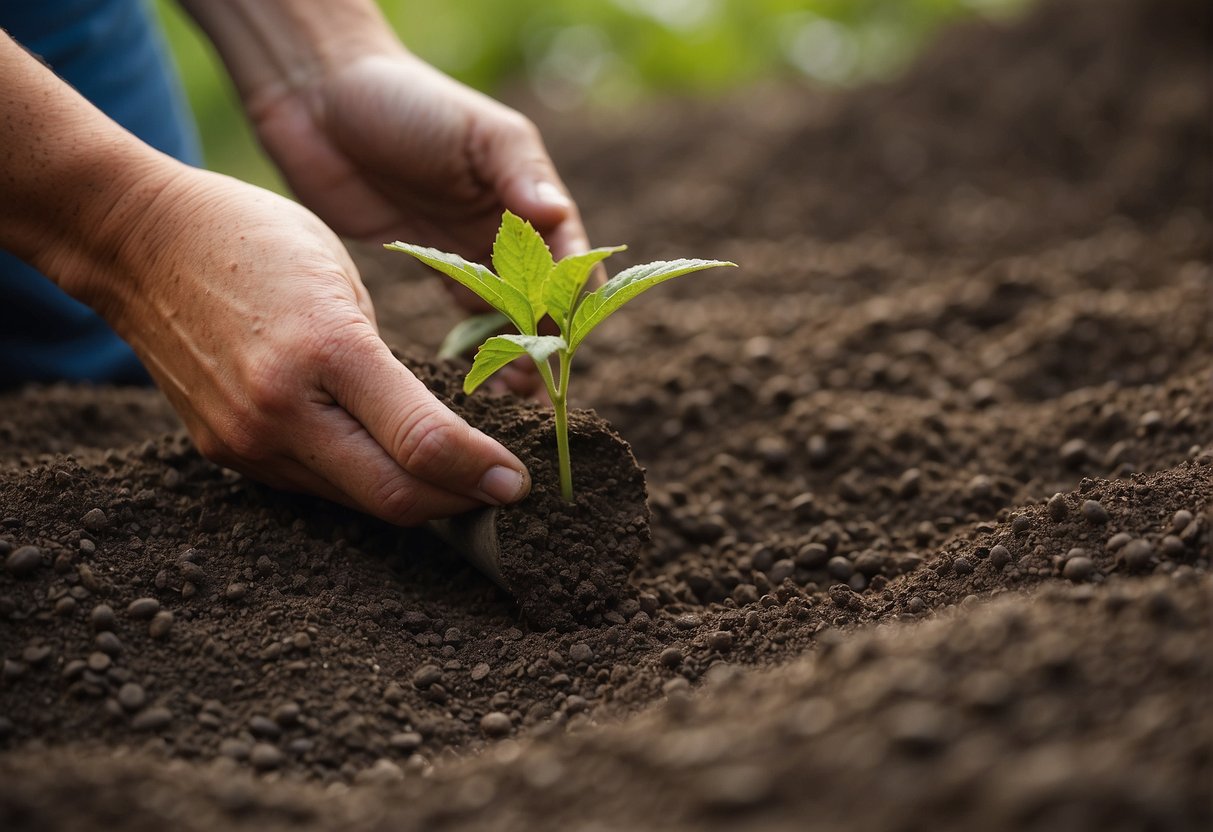
How to Plant American Beautyberry Seeds: A Step-by-Step Guide
If you’re aiming to enhance your garden with some vibrant charm, the American beautyberry is an excellent choice. This indigenous shrub boasts bright purple berry clusters that not only attract wildlife but also boost the visual aesthetics of your outdoor space. Although you can buy pre-grown plants, opting to cultivate American beautyberry from seeds is an economical and gratifying approach. In this guide, we’ll walk you through the entire process of sowing American beautyberry seeds, from gaining an understanding of the plant to ensuring its care once planted.
Understanding American Beautyberry
Before you start planting, it’s important to understand the plant you’re working with. American beautyberry, also known as Callicarpa americana, is a deciduous shrub that can grow up to 8 feet tall and wide. It’s native to the southeastern United States and thrives in USDA hardiness zones 6-10. The plant produces clusters of bright purple berries in late summer and early fall, which can be attractive to birds and other wildlife. While beautyberry can be grown in full sun or partial shade, it prefers moist, well-drained soil. By understanding the plant’s needs, you’ll be better equipped to successfully grow it from seed.
Key Takeaways
- American beautyberry is a native shrub that produces bright purple berries.
- Understanding the plant’s needs is key to successfully growing it from seed.
- Proper preparation, planting, and care will help ensure your beautyberry thrives.
Understanding American Beautyberry
Species Overview
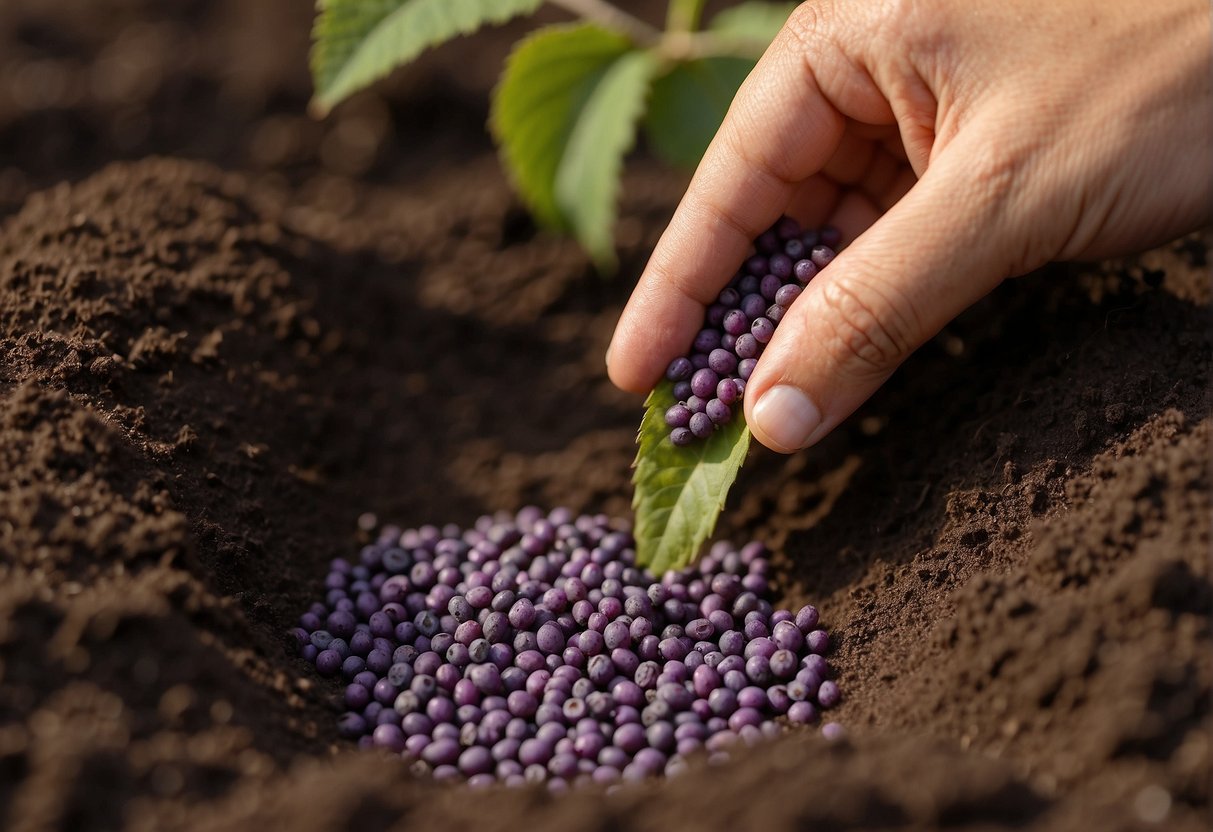
American Beautyberry (Callicarpa americana) is a native deciduous shrub that grows in North America. It is commonly known for its striking purple berries that grow in clusters along the stems. The shrub can grow up to 6 feet in height and produces small pink or white flowers in the summer.
Plant Characteristics
American Beautyberry is a light-loving shrub that prefers well-drained soil. It can tolerate a range of soil types, including clay soil, but it grows best in soil with a pH between 5.0 and 6.5. The shrub is drought-tolerant and can withstand high humidity and temperatures.
Environmental Preferences
American Beautyberry thrives in full sun but can also grow in partial shade. It is a hardy plant that can survive cold temperatures in the fall and winter. The shrub blooms in the late summer and produces berries in the late winter and early spring.
Seasonal Considerations
To plant American Beautyberry seeds, it is best to do so in the fall or early spring. The seeds need to be stratified before planting, which involves exposing them to a period of cold and moist conditions. Once stratified, the seeds can be planted in well-drained soil and covered with a thin layer of soil. Water the seeds regularly but avoid overwatering, as the shrub is susceptible to root rot.
In conclusion, American Beautyberry is a beautiful and hardy shrub that can add color and interest to any garden. By understanding its characteristics and environmental preferences, you can successfully plant and grow this native North American plant.
Preparation for Planting
Before planting American Beautyberry seeds, it is important to properly prepare the seeds and the soil to ensure successful growth. Here are some key steps to follow:
Selecting Quality Seeds
When selecting American Beautyberry seeds, choose high-quality seeds that are fresh and viable. Look for seeds that are plump, firm, and free of cracks or blemishes. You can purchase seeds from reputable nurseries or online retailers.
Seed Stratification
American Beautyberry seeds require cold stratification to break their dormancy and encourage germination. To do this, place the seeds in a plastic bag with a moistened paper towel and store them in the refrigerator for 60-90 days.
Soil Preparation
Prepare the soil where you plan to plant the seeds by removing any weeds or debris and loosening the soil to a depth of at least 6 inches. If the soil is poor, mix in some compost or potting soil to improve its quality.
Choosing the Right Location
American Beautyberry plants prefer partial shade to full sun and thrive in woodland areas or gardens with well-draining soil. Choose a location that receives at least 4-6 hours of sunlight per day.
Gathering Planting Supplies
Before planting, gather all the necessary supplies, including rooting hormone, seedling trays, a blender (for making seed-starter potting mix), and high-quality potting soil. Make sure to label your seed trays with the date and seed variety to keep track of your plants.
By following these preparation steps, you can increase your chances of successfully growing American Beautyberry plants from seed.
Planting Process
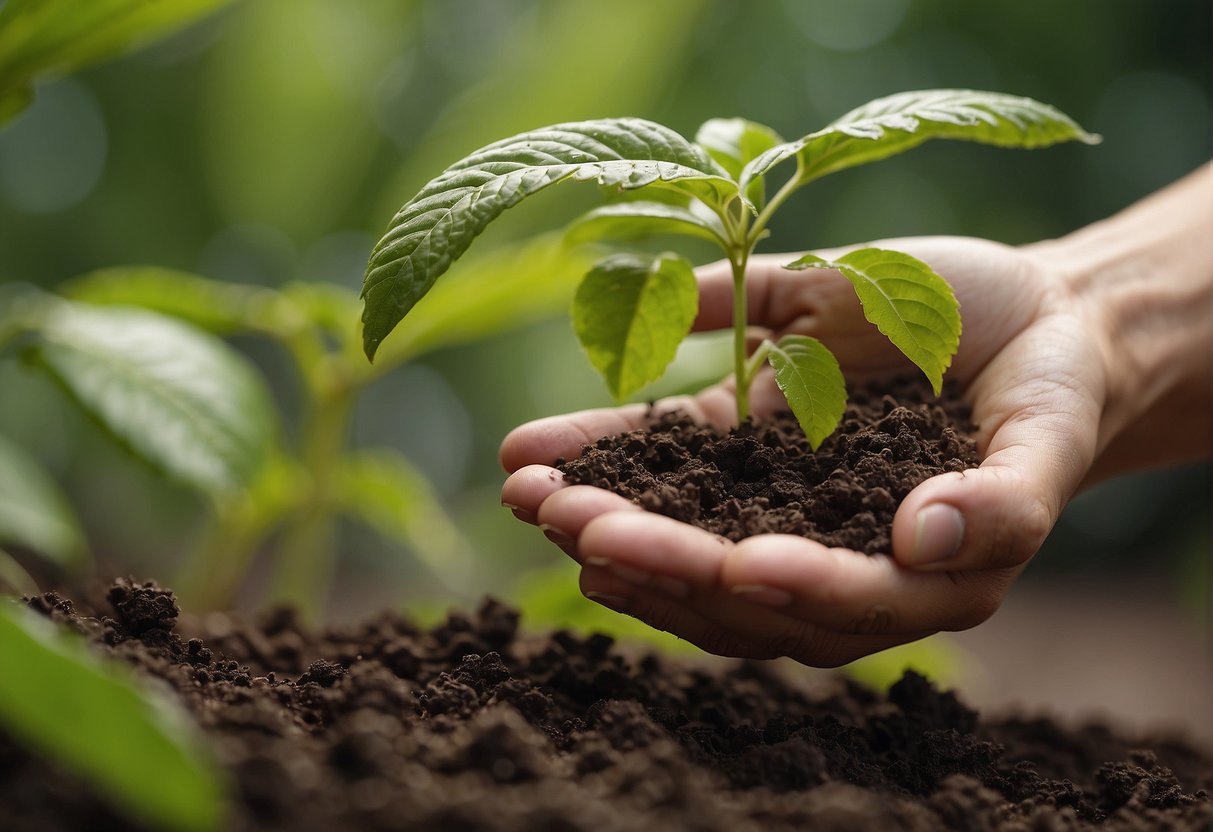
If you are interested in growing American Beautyberry, planting from seeds is a great way to start. Here are some important factors to consider when planting American Beautyberry seeds.
Sowing Seeds
American Beautyberry seeds can be sown directly outdoors in the fall or winter, or indoors in the spring. If you choose to sow the seeds indoors, it is recommended to start them in pots or trays filled with a well-draining potting mix. Sow the seeds about 1/4 inch deep and keep the soil moist until the seeds germinate, which usually takes about 2-4 weeks.
Watering and Moisture Control
Once the seeds have germinated, it is important to keep the soil moist but not waterlogged. Water the seedlings when the soil feels dry to the touch. If you live in an area with regular rainfall, you may not need to water the seedlings as often. However, if you are experiencing a drought, it is important to provide additional water to the seedlings.
Providing Adequate Light
American Beautyberry seedlings require full sun or partial shade to grow properly. If you are growing the seedlings indoors, make sure they are placed in a sunny window or under grow lights. If you are growing the seedlings outdoors, make sure they are planted in an area that receives full sun or partial shade.
Temperature and Humidity Management
American Beautyberry seedlings prefer warm and humid conditions. Keep the temperature between 70-80°F during the day and 60-70°F at night. If you live in an area with low humidity, you can increase the humidity around the seedlings by placing a tray of water near them or misting them with water.
By following these guidelines, you can successfully grow American Beautyberry from seeds. Remember to be patient, as it may take several years for the plants to mature and produce berries.
Post-Planting Care
After planting your American Beautyberry seeds, it is important to provide proper care to ensure their growth and development. Here are some tips to help you care for your new seedlings:
Initial Care for Seedlings
The first few weeks after planting are crucial for the growth of your American Beautyberry seedlings. Keep the soil moist but not waterlogged, and make sure they receive adequate sunlight. If you notice any wilting or yellowing of the leaves, adjust the amount of water or sunlight accordingly.
Pruning and Shaping
Pruning is essential for maintaining the health and shape of your American Beautyberry plants. Prune any dead or damaged branches, and shape the plant to encourage new growth and arching branches. You can do this by cutting back the tips of the branches and removing any inward-facing growth.
Fertilizing and Nutrition
American Beautyberry plants require regular fertilization to thrive. Apply a balanced fertilizer every 4-6 weeks during the growing season to provide the necessary nutrients. You can also add compost to the soil to improve its quality and provide additional nutrition.
Mulching and Weed Control
Mulching is important for retaining moisture in the soil and suppressing weed growth. Apply a layer of mulch around the base of the plant, taking care not to cover the stem. Additionally, regularly remove any weeds that may compete with your American Beautyberry plants for nutrients and water.
By following these tips for post-planting care, you can ensure the healthy growth and development of your American Beautyberry seedlings.
Propagation Techniques
If you want to propagate your American beautyberry, you have a few options to choose from. Below are three propagation techniques that gardeners commonly use:
Propagating from Cuttings
Propagating from cuttings is an easy and reliable way to grow new American beautyberry plants. Softwood cuttings taken in the spring or early summer are the best candidates for rooting. To propagate from cuttings, follow these steps:
- Take a 4- to 6-inch cutting from a healthy American beautyberry plant.
- Remove the leaves from the bottom half of the cutting.
- Dip the cut end of the stem in rooting hormone.
- Plant the cutting in a pot filled with a well-draining soil mix.
- Keep the soil moist and the cutting in a warm, bright location.
- Within a few weeks, roots should start to form.
Layering Methods
Layering is another propagation technique that works well for American beautyberry plants. This method involves bending a low-growing branch down to the ground and burying a portion of it in the soil. Over time, the buried portion will develop roots and can be cut away from the parent plant. Here’s how to propagate American beautyberry using layering:
- Select a low-growing branch that is flexible and can be bent down to the ground.
- Make a small wound in the bark of the branch where it will come into contact with the soil.
- Bury the wounded portion of the branch in the soil and hold it in place with a stake or rock.
- Keep the soil moist and wait for roots to develop.
- Once roots have formed, cut the branch away from the parent plant and transplant it to its own pot or location in the garden.
Division and Separation
Division and separation are propagation techniques that involve dividing a mature American beautyberry plant into smaller sections and replanting them. This method works best for older plants that have outgrown their space or need rejuvenation. Here’s how to propagate American beautyberry using division and separation:
- Dig up the entire plant and gently separate the root ball into smaller sections.
- Each section should have several stems and a good amount of roots.
- Replant each section in a pot or location in the garden.
- Keep the soil moist and provide some shade until the new plants become established.
By using one of these propagation techniques, you can easily grow new American beautyberry plants and enjoy their beautiful berries in your garden.
Pest and Disease Management
Common Pests
When planting American Beautyberry seeds, it is important to be aware of common pests that may attack the plant. Some of the most common pests that can cause damage to the plant include birds, animals, squirrels, raccoons, and foxes. These pests can eat the berries or damage the plant, which can affect the growth and health of the plant.
Typical Diseases
In addition to pests, American Beautyberry plants can also be susceptible to certain diseases. Two of the most common diseases that affect the plant are black mold and leaf spot. Black mold can occur in humid conditions and can cause the leaves to turn black and die. Leaf spot can be caused by a fungus and can cause brown spots on the leaves.
Preventative Measures
To prevent pests and diseases from damaging your American Beautyberry plant, there are several preventative measures that you can take. One of the most effective ways to prevent pests is to install bird netting around the plant to prevent birds and other animals from eating the berries. You can also use repellents to keep squirrels, raccoons, and foxes away from the plant.
To prevent diseases, it is important to keep the plant healthy and well-maintained. This includes watering the plant regularly, removing any dead or diseased leaves, and pruning the plant as needed. Additionally, you can use fungicides to prevent and treat leaf spot.
By taking these preventative measures, you can help ensure that your American Beautyberry plant remains healthy and free from pests and diseases.
Encouraging Wildlife
Planting American beautyberry seeds in your garden can not only add beauty to your landscape but also attract wildlife. Here are some ways to encourage wildlife to visit your garden:
Attracting Pollinators
American beautyberry is a favorite among pollinators such as bees and butterflies. To attract these beneficial insects, plant your beautyberry seeds in a sunny location with well-draining soil. You can also plant other native flowers and herbs around your beautyberry to create a pollinator-friendly garden.
Providing Shelter for Animals
American beautyberry also provides shelter and food for various animals such as birds, squirrels, raccoons, and foxes. You can create a habitat for these animals by planting your beautyberry seeds near trees or shrubs, providing a source of shade and shelter. You can also leave some fallen leaves and branches around the base of your beautyberry to create a natural habitat for small animals.
To attract birds, you can also install a birdhouse or bird feeder near your beautyberry. This will provide a source of food and shelter for birds, making your garden a welcoming place for them.
By following these tips, you can create a beautiful and wildlife-friendly garden with American beautyberry.
Landscape Uses and Design
American beautyberry is a versatile plant that can be incorporated into various garden designs and settings. Here are some ideas to help you make the most of this attractive shrub.
Incorporating into Garden Design
American beautyberry makes an excellent addition to any garden, whether you have a large landscape or a small home garden. It is an ideal plant for mass planting, creating borders, or as a specimen plant. Its vibrant purple berries add a pop of color to any garden, and the foliage turns a beautiful yellow in the fall.
Companion Planting
American beautyberry is a great companion plant for a wide range of other species. It can be planted alongside other shrubs and trees, such as oak, pine, and hickory. The plant’s leaves and berries are also known to repel mosquitoes, making it an ideal choice for planting near outdoor seating areas.
Creating Naturalistic Settings
American beautyberry is a native plant that thrives in forest and woodland areas. If you have a naturalistic garden or want to create a woodland garden, this plant is an excellent choice. It prefers partial shade and moist, well-drained soil, making it a great option for areas with dappled sunlight.
In summary, American beautyberry is a versatile and attractive plant that can be used in a variety of garden designs and settings. Whether you want to create a naturalistic woodland garden or a formal landscape, this plant is an excellent choice.
Conservation and Ethical Considerations
When planting American Beautyberry seeds, it is important to consider the impact on the environment and local ecosystems. By following sustainable gardening practices, you can ensure that your garden supports native species and contributes to the conservation of the southeastern United States.
Sustainable Gardening Practices
Sustainable gardening practices involve using environmentally-friendly methods to grow plants and maintain a healthy ecosystem. Here are a few tips for sustainable gardening when planting American Beautyberry seeds:
- Use organic fertilizers and pest control methods to avoid harmful chemicals that can harm beneficial insects and animals.
- Choose native plant species that are adapted to the local climate and soil conditions, which reduces the need for watering and other maintenance.
- Use rainwater or other sustainable water sources to reduce the amount of water used in your garden.
- Compost organic materials to enrich the soil and reduce waste.
Supporting Local Ecosystems
American Beautyberry is a native species that supports local ecosystems by providing food and habitat for birds, insects, and other animals. By planting American Beautyberry seeds, you can help support the local ecosystem and promote biodiversity.
When planting American Beautyberry seeds, it is important to choose a location that is suitable for the plant’s growth and development. American Beautyberry prefers well-drained soil and partial shade, and should be planted away from other invasive species that can compete for resources.
By following these conservation and ethical considerations, you can help promote sustainable gardening practices and support the local ecosystem while enjoying the beauty and benefits of American Beautyberry in your garden.
Frequently Asked Questions
What is the ideal soil mix for planting American beautyberry seeds?
American beautyberry seeds prefer well-draining soil that is rich in organic matter. A mix of peat moss, perlite, and vermiculite is recommended for best results. The pH level of the soil should be between 5.5 and 6.5.
Can American beautyberry be propagated from cuttings, and if so, how?
Yes, American beautyberry can be propagated from cuttings. Take a 4-6 inch cutting from the tip of a healthy stem in the spring or early summer. Remove the lower leaves and dip the cut end in rooting hormone. Plant the cutting in a well-draining soil mix and keep it moist and in partial shade until it roots.
What are the germination requirements for American beautyberry seeds?
American beautyberry seeds require a period of stratification, which means exposing them to a cold and moist environment for several weeks before planting. Store the seeds in a sealed container in the refrigerator for 60-90 days before planting.
How long does it take for American beautyberry seeds to germinate?
American beautyberry seeds typically take 2-3 weeks to germinate, but it can take up to 6 weeks in some cases.
What care should be taken after American beautyberry seedlings emerge?
Once the seedlings emerge, they should be kept in a bright and humid environment. Water them regularly and keep the soil moist but not waterlogged. After a few weeks, they can be transplanted to larger pots or into the ground.
Are there any special considerations when planting American beautyberry in different climates?
American beautyberry is native to the southeastern United States and is best suited for USDA hardiness zones 7-10. In cooler climates, it can be grown as an annual or in containers that can be brought indoors during the winter. In warmer climates, it may require some shade during the hottest part of the day.

