
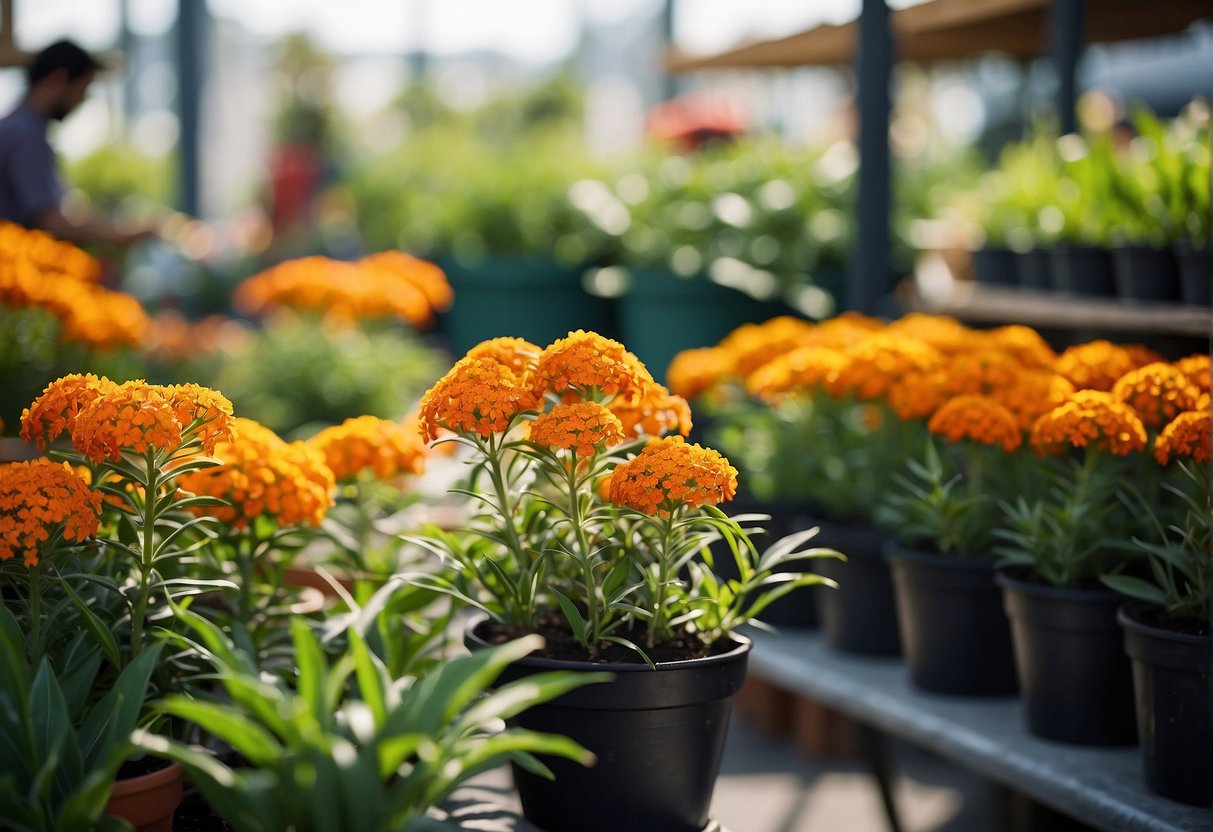
Where to Buy Butterfly Milkweed Plants
If you’re interested in incorporating butterfly milkweed into your landscape, you might be curious about where to find this attractive and advantageous plant. Known scientifically as Asclepias tuberosa, butterfly milkweed is a native wildflower cherished by monarch butterflies and various pollinators for its vibrant orange blossoms and extended flowering period. It’s a favored option among those looking to welcome wildlife and introduce a splash of color to their outdoor space.
One option for purchasing butterfly milkweed is to check with your local garden center or nursery. Many of these retailers carry native plants and may have butterfly milkweed in stock. You can also search online for nurseries and plant retailers that specialize in native plants and wildflowers. Be sure to read reviews and check the company’s reputation before making a purchase. Another option is to look for seed packets of butterfly milkweed at your local garden center or online. This can be a cost-effective way to add butterfly milkweed to your garden, but keep in mind that it may take longer to establish and bloom than purchasing a potted plant.
Key Takeaways
- Butterfly milkweed is a popular native wildflower that is a favorite of monarch butterflies and other pollinators.
- You can purchase butterfly milkweed from local garden centers, nurseries, and online retailers that specialize in native plants and wildflowers.
- Another option is to look for seed packets of butterfly milkweed, but keep in mind that it may take longer to establish and bloom than purchasing a potted plant.
What Is Butterfly Milkweed?
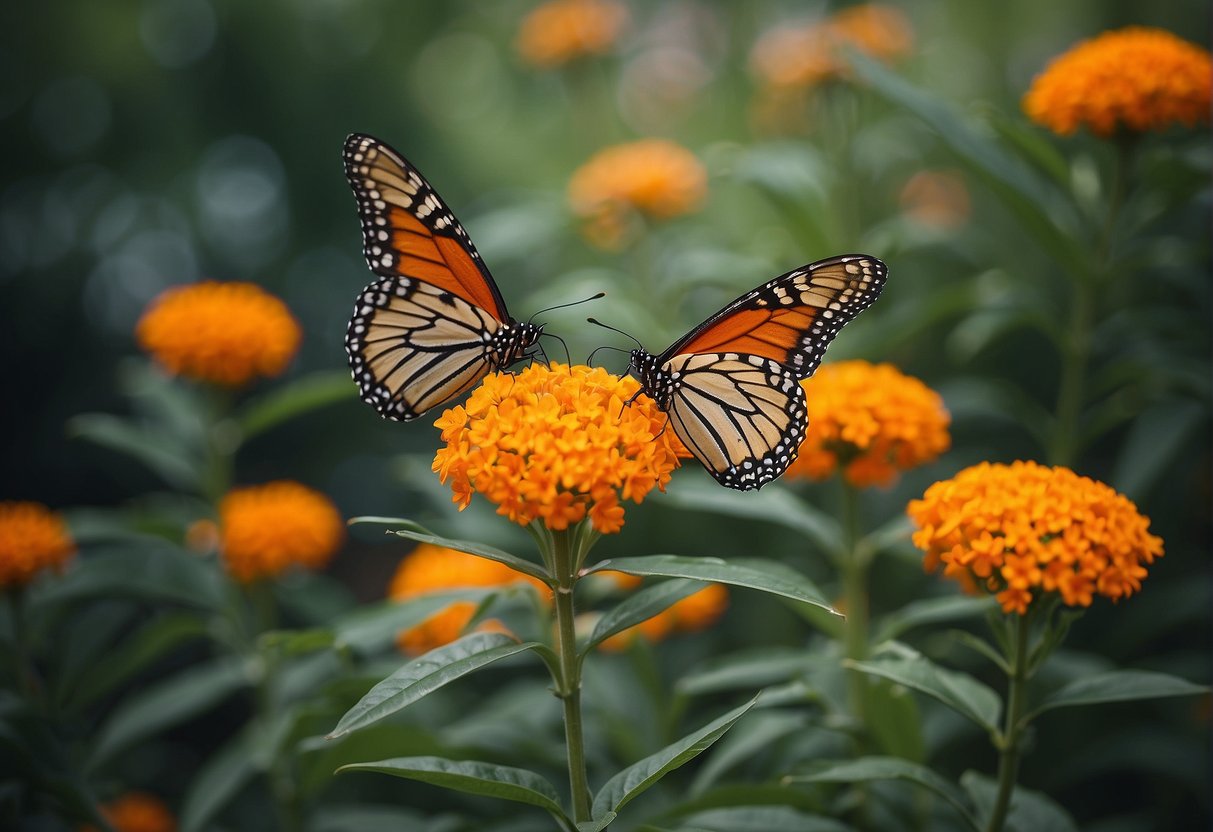
If you are looking to attract monarch butterflies to your garden, then you should consider planting butterfly milkweed (Asclepias tuberosa). This vibrant perennial plant is native to North America and is a member of the milkweed family.
Botanical Profile of Asclepias Tuberosa
Butterfly milkweed is a herbaceous plant that can grow up to 2-3 feet tall. It has bright orange or yellow flowers that bloom from June to August. The flowers are clustered together in umbels and are about 2-5 inches wide. The leaves of the plant are long and narrow, and they are arranged in an alternate pattern along the stem.
Butterfly milkweed prefers well-drained soil and full sun exposure, making it an ideal plant for gardens and meadows. It is also drought-tolerant and can withstand hot summers.
Importance for Monarch Butterflies
Butterfly milkweed is an important plant for monarch butterflies. Monarch butterflies lay their eggs on milkweed plants, and the caterpillars feed exclusively on the leaves of the plant. The toxins in the milkweed make the caterpillars poisonous to predators, which helps protect them.
By planting butterfly milkweed, you are providing a habitat for monarch butterflies to lay their eggs and for the caterpillars to feed. This, in turn, helps support the monarch butterfly population, which has been in decline in recent years due to habitat loss.
In conclusion, butterfly milkweed is a beautiful and important plant for monarch butterflies. By planting it in your garden, you can help support the monarch butterfly population and create a vibrant and colorful addition to your outdoor space.
Cultivation and Care
Optimal Growing Conditions
Butterfly milkweed plants thrive in full sun and well-drained soils. They require at least six hours of direct sunlight per day to grow and bloom properly. It is best to plant them in the spring or fall when the soil is warm and moist.
Planting Tips for Butterfly Milkweed
Before planting, make sure to prepare the soil by removing any weeds or debris. Dig a hole that is twice the size of the root ball and loosen the soil at the bottom. Place the plant in the hole and backfill with soil, making sure the top of the root ball is level with the soil surface. Water the plant thoroughly after planting.
Butterfly milkweed plants can also be grown in containers. Use a well-draining potting mix and choose a container that is at least 12 inches deep and wide. Place the container in a sunny location and water regularly.
Drought Tolerance and Maintenance
Butterfly milkweed plants are drought-tolerant and do not require frequent watering once established. However, they do need regular watering during their first growing season to establish a strong root system.
To maintain the plant’s shape and encourage bushy growth, pinch back the stems in the spring. Deadhead the spent flowers to promote continuous blooming throughout the summer.
Overall, butterfly milkweed plants are easy to care for and provide a beautiful addition to any garden or landscape.
Regional Planting Guides

Planting in the United States
Butterfly milkweed plants are native to the United States and can be found growing in the wild in many regions. If you are looking to purchase butterfly milkweed plants, there are several options available to you.
One option is to visit your local nursery or garden center. Many of these stores carry a variety of native plants, including butterfly milkweed. You can also check with local farmers’ markets or plant sales, as these events often feature native plants for sale.
Another option is to order butterfly milkweed plants online. There are many reputable online nurseries that specialize in native plants and offer a wide selection of butterfly milkweed plants. When ordering online, be sure to choose a nursery that is located in your region to ensure that the plants are well-suited to your climate and growing conditions.
State-Specific Considerations
When planting butterfly milkweed, it is important to consider the specific growing conditions in your state. Some states have specific regulations regarding the planting of native plants, so be sure to check with your state’s department of agriculture or natural resources before planting.
In states with hot, dry climates, such as Arizona and Nevada, butterfly milkweed plants may require more frequent watering to thrive. In states with cooler climates, such as Maine and Michigan, butterfly milkweed plants may need to be protected from frost.
It is also important to consider the specific growing conditions in your region. For example, in the Pacific Northwest, where rainfall is abundant, butterfly milkweed plants may require less watering than in other regions.
Overall, with proper care and attention, butterfly milkweed plants can thrive in a variety of regions throughout the United States. Whether you choose to purchase plants from a local nursery or order them online, be sure to choose plants that are well-suited to your region’s climate and growing conditions.
Butterfly Milkweed in the Ecosystem
If you are looking for a beautiful and beneficial addition to your garden, butterfly milkweed (Asclepias tuberosa) is an excellent choice. This native plant is not only stunning with its vibrant orange flowers, but it also plays an important role in supporting pollinators and wildlife.
Supporting Pollinators and Wildlife
Butterfly milkweed is a crucial plant for pollinators, especially monarch butterflies. As monarchs migrate across North America, they rely on milkweed plants as a source of food and a place to lay their eggs. By planting butterfly milkweed in your garden, you can help support monarch populations and other pollinators like bees and other insects.
In addition to supporting pollinators, butterfly milkweed also provides habitat for other wildlife. Birds and small mammals, such as rabbits and squirrels, are known to eat the leaves and stems of the plant. By incorporating butterfly milkweed into your garden, you can create a thriving ecosystem that supports a variety of creatures.
Native Plant Integration
One of the best things about butterfly milkweed is that it is a native plant. Native plants are adapted to the local climate and soil conditions, making them easier to care for and more resilient than non-native species. By integrating native plants like butterfly milkweed into your garden, you can help restore and preserve local ecosystems.
In addition to their ecological benefits, native plants also have cultural significance. They have been used for centuries by Indigenous peoples for food, medicine, and other purposes. By planting butterfly milkweed and other native species, you can connect with the land and honor the traditions of those who came before us.
Overall, butterfly milkweed is a beautiful and beneficial plant that can help support pollinators and wildlife while also promoting the use of native plants in gardening. By incorporating butterfly milkweed into your garden, you can create a thriving ecosystem that benefits both you and the environment.
Propagation and Seed Collection
If you’re interested in growing butterfly milkweed plants, one of the most cost-effective ways to do so is by propagating them from seeds. Propagation is a simple and straightforward process that involves harvesting seeds from mature plants and then germinating them to produce new seedlings.
Harvesting Seeds from Milkweed
The best time to harvest butterfly milkweed seeds is in the fall, after the plant has finished flowering. Look for mature seedpods that have turned brown and are starting to split open. You can collect the seeds by cutting off the seedpod with a pair of scissors or pruning shears and then opening it up to remove the seeds.
It’s important to note that butterfly milkweed seeds are equipped with small, silky hairs that help them disperse on the wind. These hairs can cause skin irritation and allergic reactions, so it’s a good idea to wear gloves and a mask when handling the seeds.
Germination and Seedling Care
Once you’ve harvested your butterfly milkweed seeds, it’s time to germinate them. You can do this by planting them directly in the ground or by starting them indoors in pots.
To plant butterfly milkweed seeds outdoors, choose a sunny spot with well-draining soil. Sow the seeds directly into the soil, covering them with a thin layer of soil. Water the soil regularly to keep it moist until the seeds germinate.
If you choose to start your seeds indoors, fill a pot with seed-starting mix and plant the seeds about 1/4 inch deep. Keep the soil moist and warm, and the seeds should germinate within a few weeks.
Once your butterfly milkweed seedlings have sprouted, it’s important to give them plenty of light and water. Keep the soil moist but not waterlogged, and fertilize the plants with a balanced fertilizer every few weeks.
By following these simple steps, you can easily propagate butterfly milkweed plants from seeds and enjoy the beauty and benefits of these stunning flowers in your own garden.
Environmental Considerations
When buying butterfly milkweed plants, it is important to consider the environmental impact of your purchase. Here are some key factors to keep in mind.
Pesticides and Milkweed Health
Butterfly milkweed is a vital food source for monarch butterflies, but it is also vulnerable to pesticides and herbicides. When purchasing butterfly milkweed plants, it is important to choose plants that have not been treated with any toxic chemicals. This will help to ensure the health of the milkweed plants and the monarch butterflies that rely on them.
Climate Factors and Milkweed Adaptation
Butterfly milkweed is adapted to a range of climates, but it is important to choose plants that are well-suited to your local environment. If you live in an area with harsh winters, for example, you may want to choose milkweed plants that are adapted to dormancy. Similarly, if you live in an area with hot, dry summers, you may want to choose milkweed plants that are adapted to drought.
Overall, when buying butterfly milkweed plants, it is important to consider the environmental impact of your purchase. By choosing plants that are free from toxic chemicals and well-suited to your local climate, you can help to ensure the health of both the milkweed plants and the monarch butterflies that depend on them.
Purchasing Butterfly Milkweed
If you are looking to add butterfly milkweed to your garden, there are several options available to you. Here are three common ways to purchase butterfly milkweed plants:
Local Nurseries and Garden Centers
One of the easiest ways to purchase butterfly milkweed plants is by visiting your local nursery or garden center. They may have a variety of milkweed plants available, including the popular Asclepias tuberosa. You can also ask the staff for advice on how to care for the plants and ensure they thrive in your garden.
Online Retailers and Seed Banks
Another option is to purchase butterfly milkweed plants or seeds online. There are many online retailers and seed banks that specialize in native plants, including butterfly milkweed. Make sure to read reviews and check the company’s reputation before making a purchase. Some online retailers may also offer pre-order options for plants that are out of season.
Non-Profit Organizations and Missions
Lastly, you can support non-profit organizations and missions that specialize in promoting native plants, including butterfly milkweed. These organizations may sell plants or seeds as a way to fund their mission, or they may offer educational resources on how to grow and care for butterfly milkweed. Supporting these organizations not only helps your garden, but it also supports a good cause.
No matter where you choose to purchase butterfly milkweed, make sure to care for the plants properly to ensure their survival and attract beautiful butterflies to your garden.
Designing Your Garden with Milkweed
When it comes to incorporating butterfly milkweed into your garden, there are a few things to keep in mind. Here are some tips to help you design a beautiful and functional milkweed garden.
Landscape Aesthetics and Plant Pairings
Butterfly milkweed is a beautiful plant that can add a pop of color to any garden. When designing your garden, consider pairing milkweed with other native plants that complement its vibrant orange flowers. Some good options include black-eyed susans, purple coneflowers, and bee balm.
In addition to choosing plants that look good together, it’s important to consider the overall landscape design. Think about the size and shape of your garden, and how you want to incorporate milkweed into the space. You may want to create a focal point with a large grouping of milkweed plants, or use them as a border along a pathway.
Creating a Monarch Habitat
One of the main reasons people choose to plant butterfly milkweed is to create a habitat for monarch butterflies. To do this effectively, it’s important to provide both nectar plants and host plants for the butterflies.
Nectar plants, like butterfly milkweed, provide food for adult butterflies. Host plants, on the other hand, are where the butterflies lay their eggs and the caterpillars feed. Common host plants for monarchs include milkweed (of course), as well as other plants in the milkweed family like swamp milkweed and common milkweed.
When designing your garden, be sure to include both nectar plants and host plants to create a thriving monarch habitat. You may also want to consider adding other features like a shallow water source and sheltered areas for the butterflies to rest.
By incorporating butterfly milkweed into your garden, you can create a beautiful and functional space that supports local wildlife. With a little planning and care, you can design a milkweed garden that is both aesthetically pleasing and environmentally beneficial.
Conservation and Sustainability
Protecting Monarch Populations
Butterfly milkweed is an important plant for the survival of monarch butterflies. Monarch populations have been declining due to habitat loss, climate change, and pesticide use. By planting butterfly milkweed in your garden, you can help provide a critical habitat for monarchs.
It is important to note that planting non-native milkweeds can actually harm monarch populations. Non-native milkweeds can spread disease and parasites to monarchs and may not provide the necessary nutrients for their survival. It is recommended to only plant native milkweeds, such as butterfly milkweed, to ensure the health and sustainability of monarch populations.
Responsible Gardening Practices
When purchasing butterfly milkweed plants, it is important to choose a reputable source that uses sustainable and ethical practices. Look for nurseries that grow their plants without the use of harmful pesticides and herbicides.
Additionally, it is important to practice responsible gardening techniques to ensure the health and longevity of your butterfly milkweed plants. Avoid over-fertilizing and over-watering, as this can harm the plant and potentially leach harmful chemicals into the surrounding environment.
By following these conservation and sustainability practices, you can help protect monarch populations and promote the growth of butterfly milkweed plants in a responsible and ethical manner.
Common Challenges and Solutions
Pest Management
Butterfly milkweed plants are generally resistant to most pests. However, caterpillars, including monarch caterpillars, may occasionally feed on the leaves of the plant. If you notice caterpillars on your butterfly milkweed, don’t panic! These caterpillars are likely harmless and can even help pollinate your garden.
If you do want to manage caterpillars on your butterfly milkweed, consider manually removing them or using an insecticidal soap. Be sure to follow the instructions on the soap carefully and avoid using harsh chemicals that could harm beneficial insects.
Disease Prevention and Treatment
Butterfly milkweed plants are also generally resistant to most diseases. However, they may occasionally develop fungal infections, especially in humid or wet conditions. To prevent fungal infections, be sure to plant your butterfly milkweed in well-draining soil and avoid over-watering.
If you do notice signs of a fungal infection, such as yellowing or wilting leaves, consider removing the affected leaves and treating the plant with a fungicide. Be sure to follow the instructions on the fungicide carefully and avoid using harsh chemicals that could harm beneficial insects.
Overall, with proper care and attention, your butterfly milkweed plants should thrive and provide a beautiful addition to your garden while supporting the ecosystem.
Additional Resources and Support
If you’re interested in purchasing butterfly milkweed plants, there are several resources available to help you get started. In addition to local nurseries and garden centers, there are many online retailers that specialize in native plants.
Educational Materials
Before purchasing butterfly milkweed plants, it’s important to understand their growing requirements and how to care for them properly. There are many resources available online that can help you learn more about this species and its role in supporting monarch butterflies.
The Xerces Society for Invertebrate Conservation offers a wealth of information on butterfly milkweed and other native plants that support pollinators. Their website includes a searchable plant database, fact sheets, and planting guides that can help you choose the right plants for your garden.
Community Involvement
If you’re interested in getting involved with local conservation efforts, there are many organizations that work to protect monarch butterflies and their habitat. These groups often offer educational programs, volunteer opportunities, and other resources to help you learn more about butterfly milkweed and other native plants.
The Monarch Joint Venture is a partnership of government agencies, non-profit organizations, and academic programs that work together to conserve monarch butterflies and their habitat. Their website includes a wealth of information on butterfly milkweed and other native plants, as well as resources for getting involved in local conservation efforts.
By purchasing butterfly milkweed plants and supporting local conservation efforts, you can help ensure that monarch butterflies have the nectar and habitat they need to thrive.
Frequently Asked Questions
What are the best online stores for purchasing butterfly milkweed plants?
There are many reputable online stores where you can purchase butterfly milkweed plants. Some popular options include Prairie Moon Nursery, American Meadows, and High Country Gardens. Be sure to read reviews and check the store’s policies before making a purchase.
How can I find local nurseries that sell butterfly milkweed?
You can search for local nurseries that sell butterfly milkweed by using online directories such as the National Wildlife Federation’s Native Plant Finder or by contacting your local gardening club or extension office.
When is the optimal planting season for butterfly milkweed?
The optimal planting season for butterfly milkweed depends on your location and climate. In general, it is best to plant butterfly milkweed in the spring or fall when temperatures are mild and there is adequate moisture.
Is butterfly milkweed a perennial plant that will return annually?
Yes, butterfly milkweed is a perennial plant that will return annually. Once established, it will continue to grow and bloom each year.
What are the considerations for selecting a planting location for milkweed to attract butterflies?
When selecting a planting location for milkweed to attract butterflies, it is important to choose a sunny area with well-draining soil. Avoid planting in areas with heavy foot traffic or where pesticides may be used.
Are there specific varieties of milkweed that are better for supporting butterfly populations?
There are many varieties of milkweed that are beneficial for supporting butterfly populations, including common milkweed, swamp milkweed, and butterfly weed (also known as butterfly milkweed). It is recommended to plant a variety of milkweed species to provide a diverse habitat for butterflies.

