
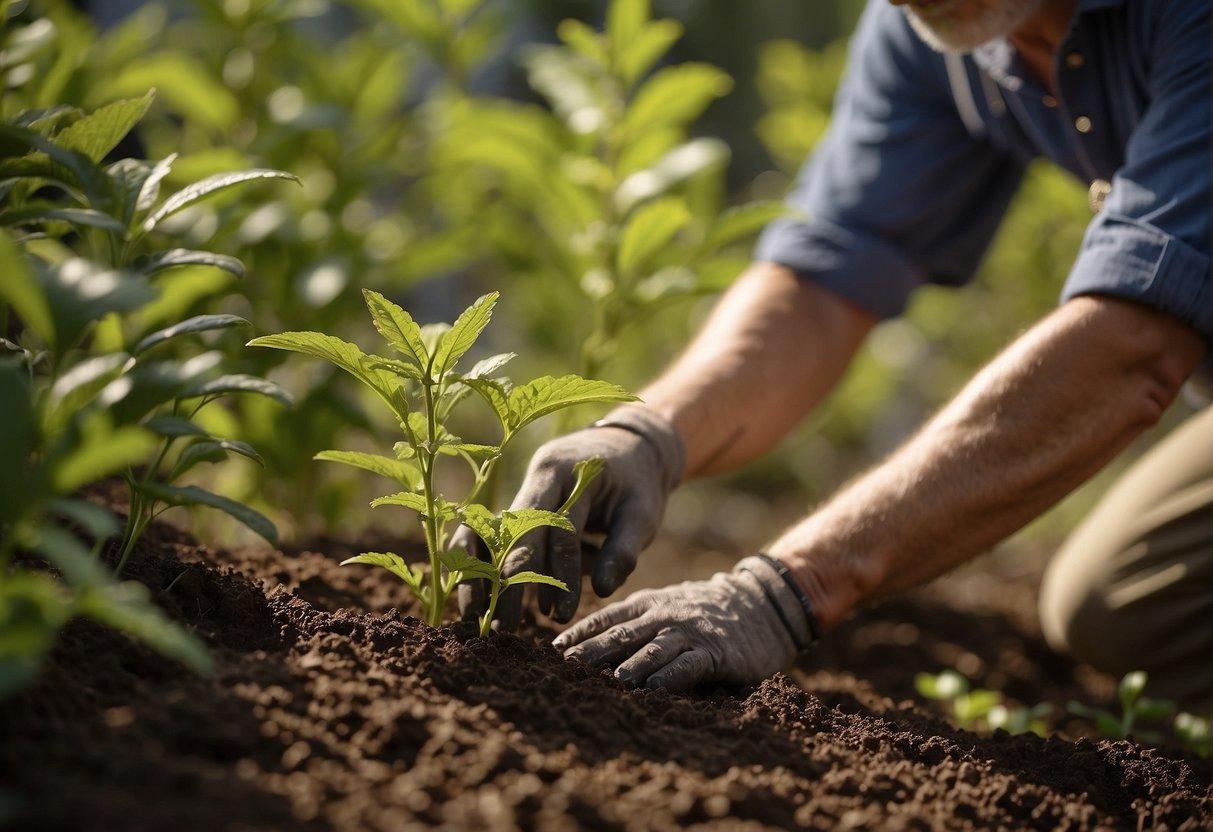
When to Plant Beautyberry Bush: A Guide to Optimal Timing
Should you be in search of an attractive and easy-to-care-for shrub for your garden, consider the beautyberry bush as an excellent choice. This leaf-shedding shrub is celebrated for its vibrant purple berry clusters that can bring a burst of color to your garden during the autumn season. You can check out how it can transform your garden for the winter. Nevertheless, it’s crucial to determine the right planting time for your beautyberry bush to guarantee its success in your garden.
Understanding the beautyberry bush and its lifecycle is crucial before planting. Beautyberry bushes prefer warm, humid climates and thrive in well-draining soil. They can grow up to 6 feet tall and wide, so make sure you have enough space for them. While beautyberry bushes can be planted at any time of the year, planting them in the spring or fall is best as it allows them to establish their roots before the harsh summer or winter weather.
Key Takeaways
- Understanding the beautyberry bush and its lifecycle is crucial before planting.
- Beautyberry bushes prefer warm, humid climates and thrive in well-draining soil.
- Planting your beautyberry bush in the spring or fall is best to allow them to establish their roots before harsh weather.
Understanding Beautyberry
Species Overview
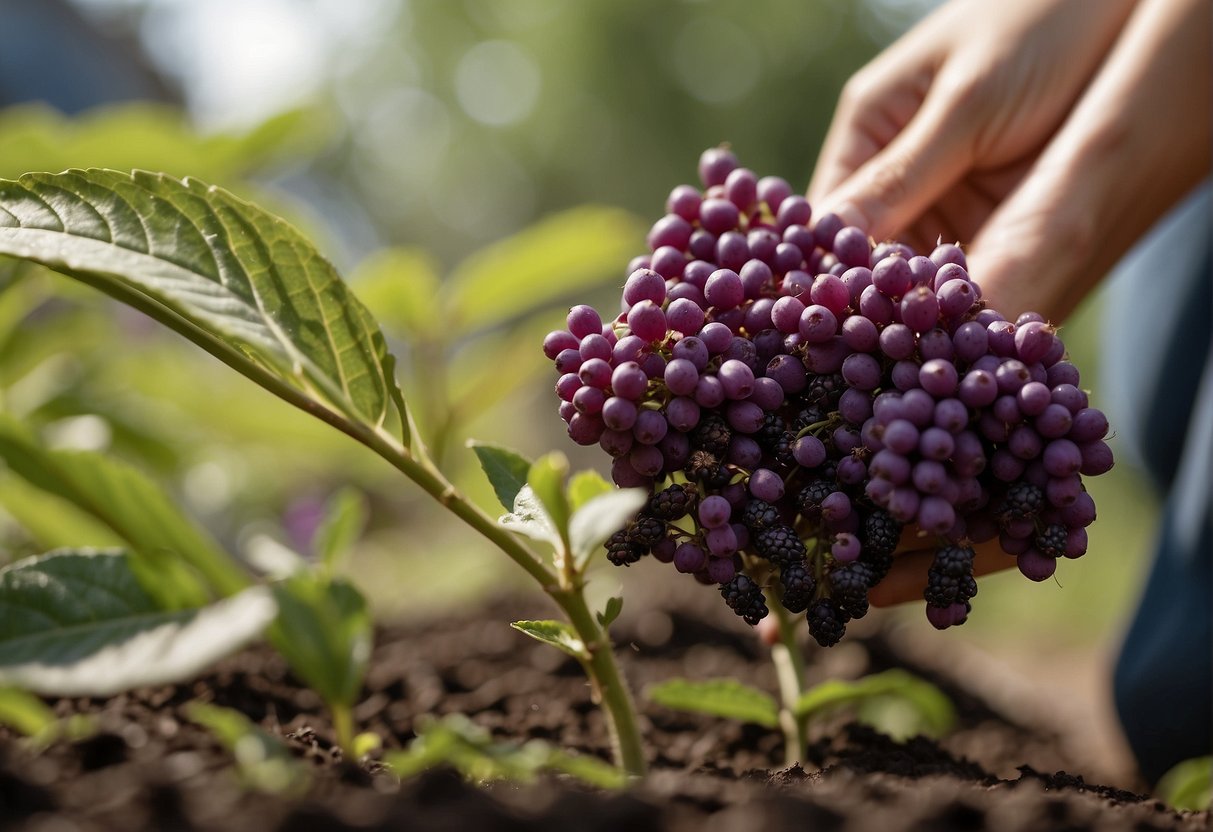
Beautyberry is a genus of shrubs that includes about 140 species. The most popular species of beautyberry are Callicarpa americana, also known as American beautyberry, and Callicarpa dichotoma, also known as Japanese beautyberry. Beautyberry bushes are known for their stunning purple berries that grow in clusters along the branches of the shrub.
Native Habitats
Beautyberry is native to North America, particularly in the southeastern United States. American beautyberry is commonly found in Florida, Texas, and other southern states, while Japanese beautyberry is native to China, Korea, and Japan.
Optimal Growing Conditions
Beautyberry bushes prefer sunny to partially shaded areas and well-drained soil. They can tolerate a wide range of soil types and pH levels, but prefer slightly acidic soil with a pH between 5.5 and 6.5. Beautyberry bushes are hardy in USDA hardiness zones 6 through 10.
In terms of climate, beautyberry bushes prefer warm temperatures and high humidity. They can tolerate cold temperatures, but may lose their leaves in the winter in colder climates. Beautyberry bushes are also drought-tolerant, but should be watered regularly during periods of extended drought.
In summary, beautyberry bushes are a stunning addition to any garden or landscape. They are relatively easy to grow and can tolerate a wide range of growing conditions. By following the optimal growing conditions outlined above, you can ensure that your beautyberry bush thrives and produces beautiful clusters of purple berries.
Pre-Planting Considerations
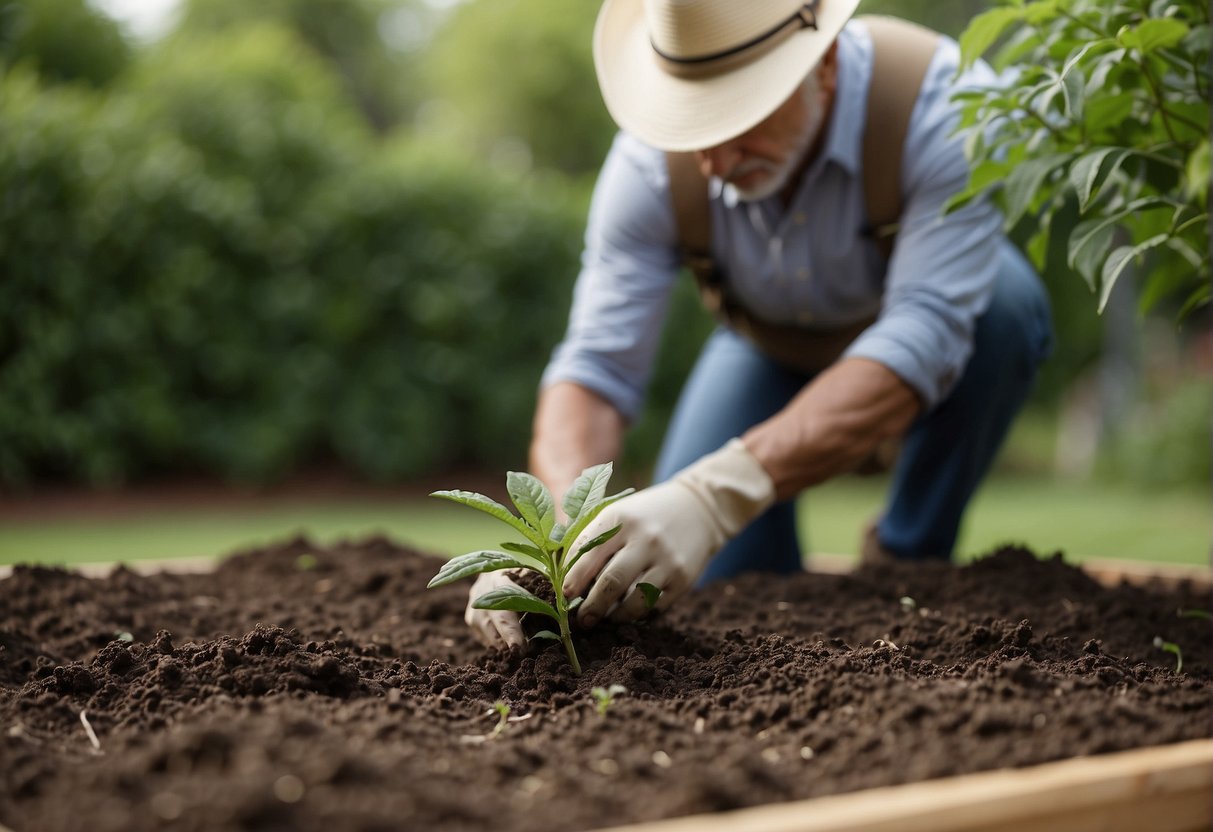
Before planting a beautyberry bush, there are a few important factors to consider to ensure its success. Here are some pre-planting considerations to keep in mind.
Choosing the Right Location
When selecting a location for your beautyberry bush, it’s important to consider the amount of sunlight it will receive. Beautyberry bushes thrive in full sun to partial shade, so choose a location that receives at least six hours of direct sunlight per day.
You should also consider the size of the beautyberry bush at maturity. These bushes can grow up to six feet tall and wide, so make sure you choose a location with enough space to accommodate its growth.
Soil Preparation
Beautyberry bushes prefer well-draining soil that is rich in organic matter. If your soil is heavy in clay, you may need to amend it with compost to improve drainage and add nutrients.
Before planting, it’s a good idea to test your soil’s pH level. Beautyberry bushes prefer a slightly acidic soil with a pH between 5.5 and 6.5. If your soil is too alkaline, you can lower the pH by adding sulfur or peat moss.
In summary, choosing the right location and preparing the soil are crucial steps in ensuring the success of your beautyberry bush. By taking these pre-planting considerations into account, you can set your beautyberry bush up for a healthy and thriving future in your garden or landscape.
Planting Your Beautyberry
If you’re looking to add a pop of color to your garden, the beautyberry bush is an excellent choice. Here’s what you need to know about planting and caring for your beautyberry.
Best Time to Plant
The best time to plant your beautyberry bush is in the fall or early spring. This allows the plant to establish its roots before the heat of summer or the cold of winter. If you’re starting from seeds, you can plant them in the spring after the last frost.
Planting Techniques
When planting your beautyberry bush, choose a location that receives partial to full sun. Dig a hole that is twice as wide and deep as the root ball. Add compost or other organic matter to the soil to improve drainage and fertility. Place the plant in the hole, making sure the top of the root ball is level with the soil surface. Backfill the hole with soil and water thoroughly.
Post-Planting Care
To help your beautyberry bush thrive, water it regularly, especially during dry spells. Apply a layer of mulch around the base of the plant to help retain moisture and suppress weeds. Fertilize the plant in the spring with a balanced fertilizer, and again in mid-summer with a phosphorus-rich fertilizer to promote flowering.
If you want to propagate your beautyberry bush, you can take softwood cuttings in the early summer and root them in a rooting hormone. Alternatively, you can collect seeds in the fall and plant them in the spring for germination. With proper care and attention, your beautyberry bush will provide you with vibrant color year after year.
Ongoing Care and Maintenance
After planting your beautyberry bush, it is important to provide ongoing care and maintenance to ensure its health and vitality. This section will cover the watering requirements, fertilization and soil health, and pruning and shaping of your beautyberry bush.
Watering Requirements
Proper watering is crucial for the growth and survival of your beautyberry bush. During the first year, it is important to keep the soil moist but not waterlogged. As the plant matures, it becomes more drought-tolerant and can tolerate periods of dryness. However, it is important to water the plant during extended periods of drought or low rainfall.
To determine if your beautyberry bush needs water, check the soil moisture level by inserting your finger into the soil. If the soil feels dry to the touch, it is time to water. Water deeply and slowly to encourage the roots to grow deeper into the soil.
Fertilization and Soil Health
Beautyberry bushes thrive in well-draining, nutrient-rich soil. Fertilize your beautyberry bush in the spring with a balanced fertilizer to promote healthy growth and new growth. Additionally, consider adding organic matter such as compost or aged manure to the soil to improve soil health and nutrient availability.
It is important to monitor the soil pH level. Beautyberry bushes prefer slightly acidic soil with a pH level between 5.5 and 6.5. If the soil pH level is too high or too low, it can affect the plant’s ability to absorb nutrients.
Pruning and Shaping
Pruning and shaping your beautyberry bush is important to maintain its size and shape, promote new growth, and prevent arching branches. Prune your beautyberry bush in late winter or early spring before new growth appears. Remove any dead or diseased branches, and cut back any old or woody growth.
Additionally, consider shaping your beautyberry bush by cutting back any long, arching branches. This will encourage the plant to grow in a more compact and bushy shape.
By following these tips for ongoing care and maintenance, you can ensure that your beautyberry bush stays healthy and vibrant for years to come.
Pest and Disease Management
Common Pests
When planting a beautyberry bush, it is important to be aware of common pests that can cause damage to the plant. Some of the most common pests that can affect beautyberry bushes include aphids, spider mites, and whiteflies. These pests can cause damage to the leaves and stems of the plant, which can impact the overall health and growth of the bush.
To prevent infestations, it is recommended to regularly inspect your beautyberry bush for signs of pest activity. If you notice any pests, you can try using insecticidal soap or neem oil to control the infestation. It is important to follow the instructions on the product label and to apply the treatment during the early morning or late evening when temperatures are cooler.
Disease Prevention
In addition to pests, beautyberry bushes can also be susceptible to diseases caused by fungi. Some common fungal diseases that can affect beautyberry bushes include powdery mildew and leaf spot. These diseases can cause damage to the leaves and stems of the plant, which can impact the overall health and growth of the bush.
To prevent fungal diseases, it is important to ensure proper air circulation around the plant and to avoid overhead watering, which can create a humid environment that is conducive to fungal growth. If you notice any signs of fungal disease, such as white powdery spots on the leaves or brown spots on the leaves, you can try using a fungicide to treat the problem. It is important to follow the instructions on the product label and to apply the treatment during the early morning or late evening when temperatures are cooler.
By being aware of common pests and diseases that can affect beautyberry bushes and taking steps to prevent and treat these issues, you can help ensure that your plant remains healthy and vibrant throughout the growing season.
Beautifying Your Garden with Beautyberry
If you’re looking for a way to add some interest and color to your garden, consider planting a beautyberry bush. With its ornamental foliage and clusters of purple berries, this plant can add a pop of color to any landscape.
Landscape Design Tips
When planting a beautyberry bush, it’s important to consider its placement in your garden. Beautyberry bushes can grow up to 6 feet tall and wide, so make sure to give them plenty of space to grow. They also prefer partial shade, so try to find a spot that gets a few hours of sunlight each day.
To really make your beautyberry bush stand out, consider pairing it with other plants that have contrasting foliage colors. For example, the green leaves of a beautyberry bush can look stunning next to the bright pink flowers of a azalea bush.
Attracting Wildlife
One of the great things about beautyberry bushes is that they attract a variety of wildlife to your garden. The purple berries are a favorite of songbirds, while the white fruit is often eaten by animals like deer and raccoons.
If you’re interested in attracting more wildlife to your garden, consider planting several beautyberry bushes in a row. This will create a natural barrier that animals will be drawn to, and can also create a beautiful visual display.
Overall, planting a beautyberry bush is a great way to add some color and interest to your garden. With a little bit of planning and care, you can create a stunning landscape that attracts a variety of wildlife and looks beautiful year-round.
Understanding the Beautyberry Lifecycle
If you’re planning on planting a beautyberry bush, it’s important to understand the lifecycle of this deciduous shrub. By doing so, you’ll be able to select the best time to plant and care for your beautyberry bush.
From Blooming to Berry
Beautyberry bushes typically bloom in the summer, producing small, pale pink flowers. These flowers are not particularly showy, but they are important for fruit production. After the flowers have bloomed, the beautyberry bush will begin to produce its characteristic bright purple berries. The berries are typically ready for harvest in the fall, and they can be used for a variety of purposes, including making jelly and wine.
Seasonal Changes
During the winter months, the beautyberry bush will lose its leaves and become dormant. This is a natural part of the plant’s lifecycle, and it’s nothing to worry about. In fact, the beautyberry bush will often look quite bare during the winter months.
In the spring, the beautyberry bush will begin to produce new growth, and it will eventually leaf out. This is a good time to prune the bush if necessary, as it will help to shape the plant and encourage healthy growth.
Overall, the beautyberry bush is a hardy and resilient plant that can thrive in a variety of conditions. By understanding its lifecycle, you’ll be better equipped to care for your beautyberry bush and enjoy its beautiful blooms and delicious berries.
Harvesting and Usage
Harvesting Beautyberry
Beautyberry bushes produce clusters of small, round berries that ripen in late summer to early fall. The berries are typically a bright, eye-catching shade of purple, although some varieties produce white fruit. To harvest the berries, wait until they are fully ripe and easily detach from the stem. Gently pull the berries off the bush, taking care not to crush them.
Uses of Beautyberry
Beautyberry is a versatile plant that has a variety of uses. The berries are edible and have a tart flavor, although they are not commonly used in cooking. They can be eaten raw, cooked into jams and jellies, or used to make tea.
In addition to its culinary uses, beautyberry is also used in cut flower arrangements. The bright purple berries add a pop of color to floral displays and can be used fresh or dried.
Beautyberry also has some medicinal uses. The leaves and stems contain compounds that have been shown to repel insects, and the plant has traditionally been used as an insect repellent. Some studies have also suggested that beautyberry may have anti-inflammatory and antioxidant properties.
Overall, beautyberry is a beautiful and useful plant that can be grown for both its ornamental and practical qualities. Whether you are looking to add color to your garden, create a striking floral arrangement, or repel insects naturally, beautyberry is definitely worth considering.
Propagation and Cultivation
If you are planning to grow beautyberry bushes in your garden, it is important to know the different propagation and cultivation methods to ensure success. In this section, we will discuss two common methods of propagating beautyberry bushes: seed propagation and cuttings.
Seed Propagation
Beautyberry bushes can be grown from seeds, but it is important to note that they require a period of stratification before they can germinate. Stratification is the process of exposing seeds to cold, moist conditions to simulate winter and break their dormancy.
To propagate beautyberry bushes from seeds, start by collecting ripe berries from a healthy plant in the fall. Remove the seeds from the berries and clean them thoroughly. Place the seeds in a plastic bag with some damp sand or peat moss and store in the refrigerator for 3-4 months.
After the stratification period, plant the seeds in a well-draining soil mix and keep them moist. Germination can take anywhere from 2-6 weeks. Once the seedlings have grown to a few inches tall, they can be transplanted to their permanent location in the garden.
Cuttings and Other Methods
Another popular method of propagating beautyberry bushes is through softwood cuttings. Softwood cuttings are taken from the current season’s growth, usually in early summer when the stems are still pliable.
To take a softwood cutting, select a healthy stem and make a clean cut just below a node. Remove the leaves from the lower half of the stem and dip the cut end in rooting hormone. Plant the cutting in a well-draining soil mix and keep it moist. The cutting should root in 4-6 weeks and can be transplanted to its permanent location in the garden.
Other methods of propagating beautyberry bushes include layering and division. Layering involves bending a low-growing stem to the ground and covering it with soil to encourage rooting. Division involves separating a mature plant into smaller sections and replanting them separately.
In conclusion, beautyberry bushes can be propagated through various methods, including seed propagation and cuttings. With the right techniques and conditions, you can easily grow these beautiful shrubs in your garden.
Frequently Asked Questions
What is the optimal season for planting a beautyberry bush?
The optimal time to plant beautyberry bushes is in the spring or fall. Planting in the spring allows the plant to establish its roots before the heat of summer, while planting in the fall gives the plant time to establish before the winter cold sets in.
How should beautyberry bushes be planted and grown from seeds?
Beautyberry bushes can be planted in a sunny or partially shaded location with well-drained soil. They can be grown from seeds, but it is recommended to propagate them from cuttings or by dividing established plants.
In what regions can beautyberry bushes thrive best?
Beautyberry bushes are native to the southeastern United States but can be grown in other regions with similar climates. They prefer warm, humid environments and can tolerate drought conditions once established.
What are the growth expectations for a beautyberry bush?
Beautyberry bushes can grow up to 6 feet tall and wide, with arching branches that give the plant a graceful appearance. They can also spread through underground runners, so it is important to give them plenty of space to grow.
What common issues do American beautyberry plants face?
Beautyberry bushes are generally disease and pest resistant, but they can be susceptible to leaf spot and fungal diseases in humid environments. They can also be damaged by deer and other browsing animals.
How does beautyberry propagate and spread in the garden?
Beautyberry bushes can spread through underground runners, but they can also be propagated by taking cuttings or dividing established plants. It is important to monitor their growth and prune them back as needed to prevent overcrowding.

