
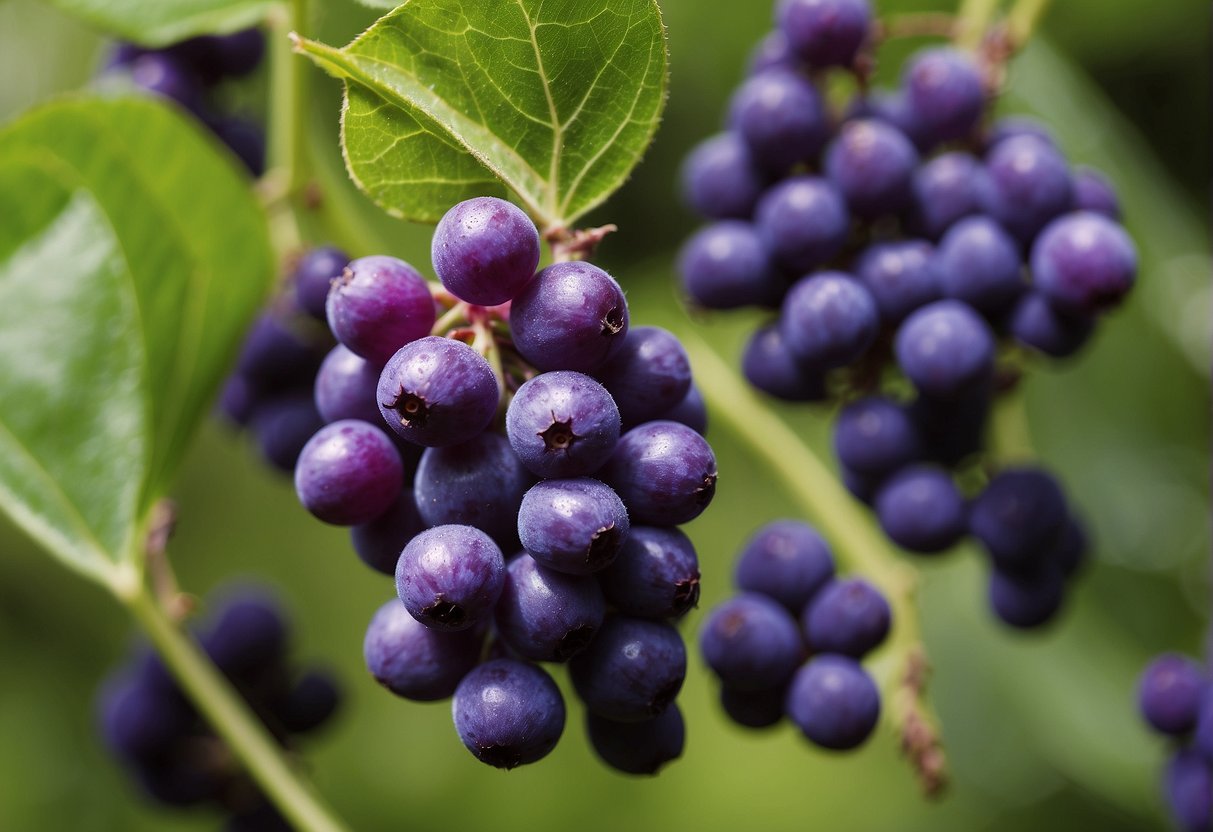
How Tall Does Beautyberry Grow: A Comprehensive Guide
Should you be in search of a bush that can enhance the attractiveness of your garden, consider the beautyberry as an excellent choice. This deciduous bush stands out due to its striking purple berries, which form clusters along its branches. However, you may wonder about the typical height of the beautyberry. In this piece, we delve into the growth patterns of this shrub, offering the necessary details for you to effectively nurture and maintain it.
Beautyberry, also known as Callicarpa americana, is a native plant to the southeastern United States. It is commonly found in woodlands and along the edges of forests. The shrub can grow up to 8 feet tall and wide, but it typically stays between 4 to 6 feet tall and wide in most garden settings. The plant has a rounded shape and arching branches that give it a graceful appearance. In the fall, its leaves turn yellow or purple before falling off, leaving behind the striking berries.
Overview of Beautyberry
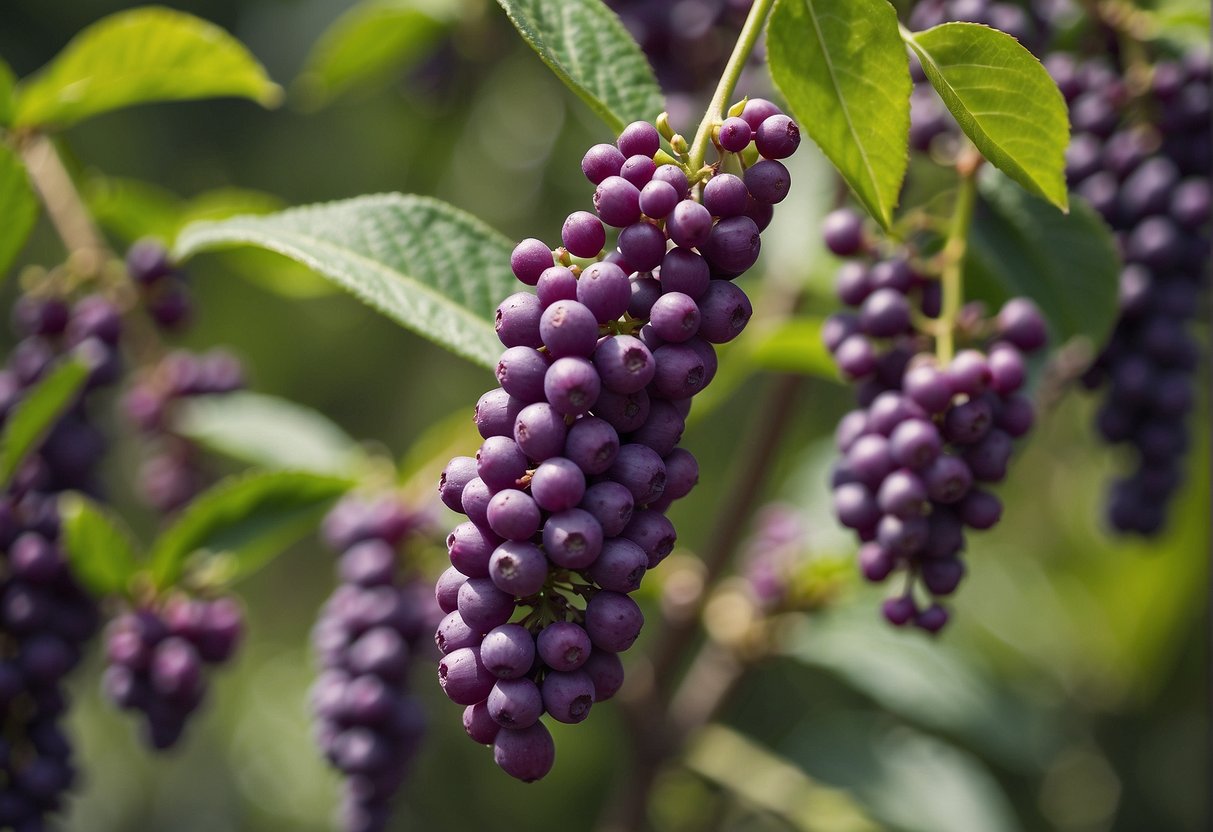
Beautyberry is a deciduous shrub that belongs to the mint family, Lamiaceae. It is known for its beautiful, bright purple berries that grow in clusters along the stems. The scientific name for beautyberry is Callicarpa americana, but there are several other species of beautyberry, including the Japanese beautyberry (C. japonica) and the C. dichotoma.
Defining Beautyberry
Beautyberry is a medium-sized shrub that can grow up to 6 feet tall and wide. It is native to the southeastern United States and can be found in the wild from Virginia to Florida and west to Texas. The leaves of the beautyberry are simple, opposite, and ovate in shape, with serrated edges. The flowers are small and pinkish-purple in color and bloom in mid-summer.
The fruit of the beautyberry is what makes it so popular. The berries are about the size of a pea and grow in clusters along the stems. They are bright purple in color and stay on the shrub well into the fall. While the berries are not edible for humans, they are a favorite food source for birds and other wildlife.
Types of Beautyberry
There are several species of beautyberry, including the American beautyberry (C. americana) and the Japanese beautyberry (C. japonica). The American beautyberry is the most common species and is native to the southeastern United States. It is a popular ornamental plant due to its attractive berries and can be grown in a variety of soil types.
The Japanese beautyberry is native to Asia and is often grown for its ornamental value. It has larger berries than the American beautyberry and is often used in floral arrangements. There are also several other Asian species of beautyberry that are grown for their ornamental value.
In conclusion, beautyberry is a beautiful and versatile shrub that is popular for its attractive berries. Whether you are looking for a native plant for your garden or an ornamental shrub for your landscape, beautyberry is a great choice.
Botanical Characteristics
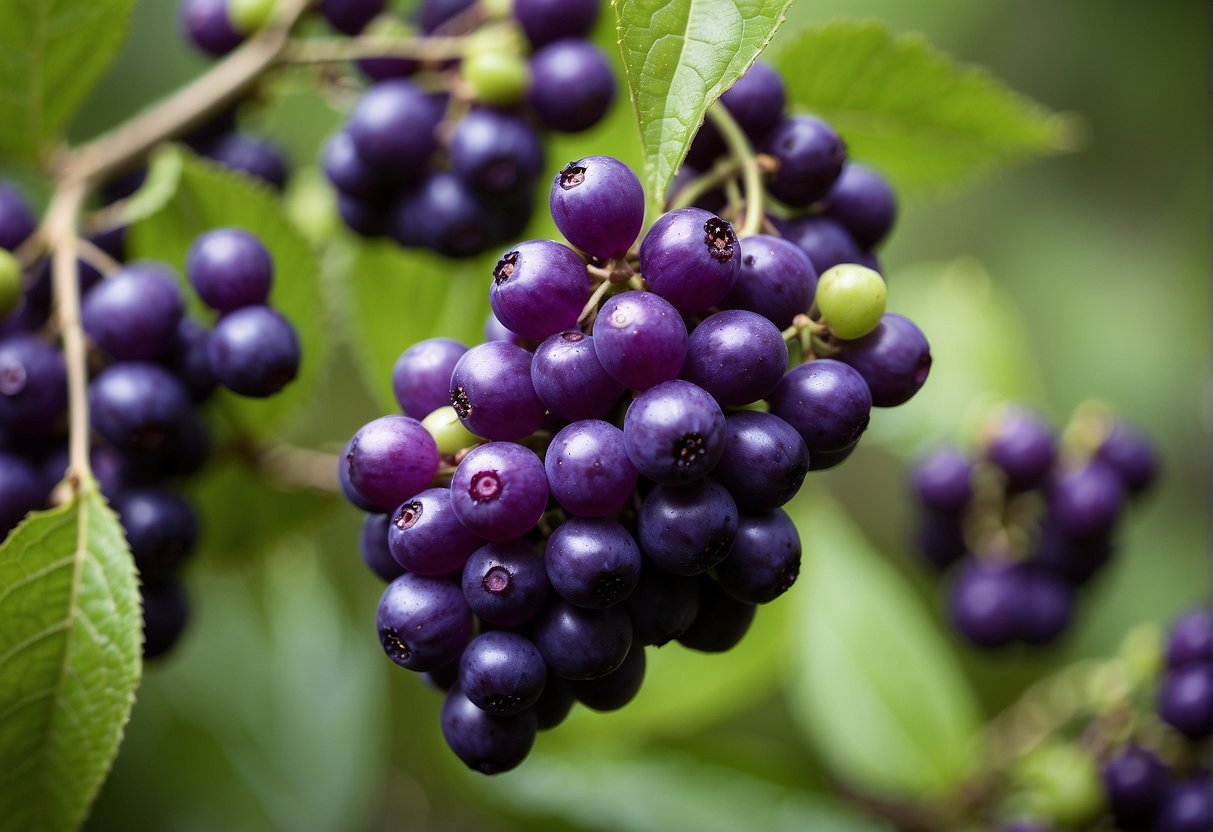
Beautyberry is a deciduous shrub that is native to the southeastern United States. It is known for its beautiful fruit, which can be purple or white, and is produced in the fall. Here are some of the botanical characteristics of the beautyberry shrub:
Plant Structure
The beautyberry shrub can grow up to 6 feet tall and wide. It has an open, spreading habit, and its branches are often arching. The plant produces new growth from the base each year, and it can form large colonies over time.
Foliage and Bloom
The beautyberry shrub has green leaves that are 2 to 6 inches long and 1 to 3 inches wide. The leaves are oval-shaped and have toothed margins. In the summer, the plant produces small, pink or white flowers that are not particularly showy.
Berry Production
The beautyberry shrub is known for its showy fruit, which is produced in the fall. The fruit is a small, round berry that is about 1/4 inch in diameter. The berries are produced in clusters along the branches of the plant, and they can be purple or white. The berries are not edible for humans, but they are a favorite food of birds and other wildlife.
Overall, the beautyberry shrub is a beautiful and easy-to-grow plant that can add interest to your garden. Whether you are looking for a plant with beautiful foliage and bloom, or one that produces beautiful fruit, the beautyberry shrub is a great choice.
Growing Conditions
If you are planning to grow beautyberry, it is important to understand the growing conditions that this plant requires. Here are some important factors to consider:
Soil Requirements
Beautyberry requires well-drained soil to thrive. The soil type should be rich and fertile, with a pH level between 5.5 and 6.5. If your soil is not well-drained, you can improve it by adding organic matter such as compost or peat moss. Beautyberry is native to North America and grows best in its native soil.
Sunlight and Temperature
Beautyberry requires full sun to partial shade to grow. It can tolerate a wide range of temperatures and is hardy in zones 6 to 10. If you live in an area with extreme temperatures, it is important to protect your plant from frost and excessive heat.
Water and Humidity
Beautyberry requires moderate watering, especially during the first year of growth. It is drought-tolerant, but it does best with consistent moisture. It prefers moderate to high humidity levels. If you live in an area with low humidity, you can increase the humidity around your plant by misting it with water or placing a humidifier nearby.
In summary, beautyberry requires well-drained soil, full sun to partial shade, moderate watering, and moderate to high humidity levels to grow. By providing these growing conditions, you can ensure that your beautyberry plant thrives and produces its beautiful berries.
Planting and Care
Beautyberry is a relatively easy plant to grow and maintain. Here are some tips to help you get started:
Propagation Methods
The easiest way to propagate beautyberry is through stem cuttings. Take a 6-inch cutting from a healthy plant, remove the lower leaves, and dip the cut end in rooting hormone. Plant the cutting in a well-draining soil mix and keep it evenly moist until roots develop. You can also propagate beautyberry from seed, but it can be more challenging.
Pruning and Maintenance
Beautyberry does not require a lot of pruning, but you may want to shape it or remove any dead or damaged branches. Prune in late winter or early spring before new growth appears. You can also cut the plant back to the ground every few years to rejuvenate it.
Fertilization and Problems
Beautyberry does not require a lot of fertilizer, but you can apply a balanced fertilizer in early spring if desired. The plant is generally pest and disease-free, but you may encounter problems with spider mites, scale insects, or powdery mildew. Treat any issues promptly with an appropriate insecticide or fungicide.
Overall, beautyberry is a low-maintenance plant that can add a pop of color to your landscape. With proper care and attention, you can enjoy its beauty for years to come.
Growth Habits and Landscape Use
Height and Width
The beautyberry plant, also known as Callicarpa, is a deciduous shrub that can grow up to 6 feet tall and 6 feet wide. Its arching branches create a graceful, rounded shape that makes it a popular choice for borders and mass plantings.
Design Applications
Beautyberry is a versatile plant that can be used in a variety of landscape designs. Its vibrant purple berries add a pop of color to the garden, and its arching branches create a natural, flowing look. It is also a great choice for native plant gardens, as it is native to North America and attracts pollinators.
Companion Plants
Beautyberry looks great when planted alongside other native plants such as coneflowers, black-eyed susans, and butterfly weed. It also pairs well with ornamental grasses and ferns. When designing with beautyberry, it is important to consider spacing, as the plant can spread out quite a bit.
Overall, beautyberry is a low-maintenance plant that adds beauty and interest to any landscape. It is hardy in zones 6-10 and can be grown from seeds or cuttings. When planting, be sure to choose a location with well-draining soil and plenty of sunlight.
Ecological Impact
Beautyberry is a shrub that is known for its attractive purple berries and is commonly found in gardens across the southeastern United States. It is a hardy plant that can grow in a variety of soil types and can tolerate both sun and shade. In this section, we will discuss the ecological impact of beautyberry and how it affects wildlife and the environment.
Attracting Wildlife
Beautyberry is an important food source for many species of birds, including songbirds. The berries are high in fat and provide a valuable source of energy for birds during the fall migration. In addition to birds, beautyberry also attracts other wildlife such as squirrels, deer, and rabbits. The plant’s leaves and stems are also used as cover by small animals.
Invasiveness and Control
While beautyberry is not considered an invasive species, it can spread quickly and become a problem in some areas. It is important to control the plant’s growth in areas where it is not wanted. The best way to control beautyberry is to prune it regularly and remove any seedlings that appear. In addition, it is important to avoid planting beautyberry in areas where it may become invasive.
In conclusion, beautyberry is a valuable plant that provides food and cover for wildlife. While it is not considered an invasive species, it can spread quickly and become a problem in some areas. By controlling its growth and avoiding planting it in areas where it may become invasive, we can ensure that beautyberry continues to be a valuable addition to gardens across zones 5-8.
Varieties and Hybrids
Popular Cultivars
There are several types of Beautyberry shrubs that are popular among gardeners. One of the most common is the American Beautyberry (Callicarpa americana), which is native to the southeastern United States. This shrub can grow up to 6 feet tall and wide, and produces clusters of bright purple berries in the fall.
Another popular cultivar is the Lactea Beautyberry (Callicarpa bodinieri var. lactea), which has striking white berries that contrast beautifully with its dark green foliage. This shrub can grow up to 8 feet tall and wide, and is known for its weeping form.
Welch’s Pink Beautyberry (Callicarpa dichotoma ‘Welch’s Pink’) is a hybrid that produces pink berries instead of the usual purple. This shrub can grow up to 6 feet tall and wide, and has a slightly more compact form than the American Beautyberry.
Hybrid Characteristics
In addition to Welch’s Pink, there are several other hybrid Beautyberry shrubs that have been developed by breeders. These hybrids often combine the best traits of different species, such as larger or smaller berries, different flower and foliage colors, or improved disease resistance.
One example is the C. bodinieri x C. japonica hybrid, which produces smaller berries than the American Beautyberry but has a more compact form and attractive foliage. Another hybrid, the C. japonica x C. dichotoma ‘Early Amethyst’, has a longer blooming period and smaller berries than the American Beautyberry.
It’s important to note that some Beautyberry hybrids may not reseed as readily as their parent species, so if you’re looking for a shrub that will spread on its own, it’s best to stick with a pure species. Regardless of which cultivar or hybrid you choose, Beautyberry is a striking addition to any garden with its vibrant berries and attractive foliage.
Harvesting and Usage
Berry Harvesting
Beautyberry produces clusters of bright purple berries that are ready for harvesting in the late summer to early fall. The berries are typically about 1/4 inch in diameter and grow in dense clusters along the stem. To harvest the berries, simply cut the stem below the cluster of berries and gently remove them from the stem. It’s best to harvest the berries when they are fully ripe, as they will have the most flavor.
Culinary and Ornamental Uses
Beautyberry is primarily grown as an ornamental shrub due to its stunning fall color and low-maintenance requirements. However, the berries are also edible and can be used in a variety of culinary applications. The berries have a slightly sweet and tangy flavor and can be used to make jam, jelly, or syrup. They can also be used to add a pop of color to salads or as a garnish for cocktails.
When using beautyberry in culinary applications, it’s important to note that the berries are not very juicy and have a lot of seeds. To extract the juice, you’ll need to cook the berries down and strain them through a fine-mesh strainer. The resulting juice can be used in a variety of recipes.
Overall, beautyberry is a versatile shrub that can be used for both its ornamental and culinary value. It prefers well-draining, loamy soil and requires minimal maintenance once established. Its stunning fall color and edible berries make it a great addition to any garden.
Frequently Asked Questions
What is the mature size of an American Beautyberry?
American Beautyberry can grow up to 6 feet tall and wide. However, the size may vary depending on the growing conditions.
When is the ideal time to plant beautyberry bushes?
The ideal time to plant beautyberry bushes is in the fall or early spring when the soil is moist and the temperatures are mild. This will give the plant enough time to establish its roots before the hot summer months.
Are beautyberries considered an invasive species?
No, beautyberries are not considered an invasive species. They are native to the southeastern United States and are an important food source for wildlife.
Can beautyberry shrubs be maintained at a smaller size through pruning?
Yes, beautyberry shrubs can be maintained at a smaller size through pruning. Pruning should be done in late winter or early spring before new growth begins.
What is the recommended spacing for planting beautyberry shrubs?
The recommended spacing for planting beautyberry shrubs is 4 to 6 feet apart. This will allow enough room for the shrubs to grow and spread.
What are the ideal growing conditions for beautyberry plants?
Beautyberry plants prefer well-drained soil and partial shade to full sun. They can tolerate a wide range of soil types and are drought tolerant once established.

