
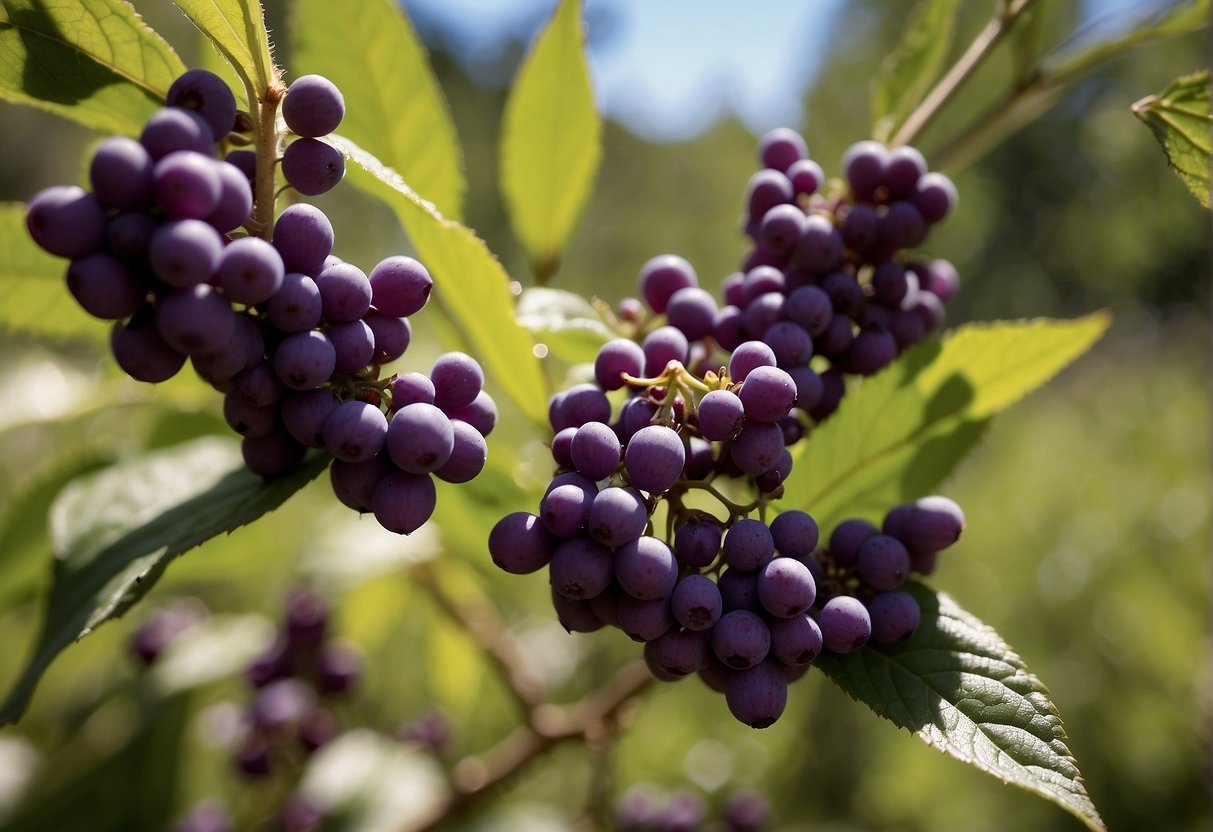
How to Grow Beautyberry Bush: Tips and Tricks
Should you be in search of a shrub that requires minimal upkeep while bringing a splash of color to your landscape, consider the beautyberry bush a top option. This plant is distinguished by its vivid purple berries and appealing leaves, making it a standout addition. Within this article, you will discover all the essential information for effectively cultivating and maintaining a beautyberry bush.
Understanding Beautyberry
Before you start planting, it’s important to understand the basics of beautyberry. This shrub is native to the southeastern United States and thrives in warm, humid environments. It’s known for its clusters of vibrant purple berries that appear in the fall, but it also has attractive leaves that change color throughout the year.
Planting Your Beautyberry
Once you’ve decided to grow a beautyberry bush, the next step is to plant it. You’ll want to choose a location that gets plenty of sunlight and has well-draining soil. Beautyberry is relatively easy to grow, but it does require a bit of attention to get started. In the next section, we’ll cover everything you need to know about planting your beautyberry bush.
Key Takeaways
- Beautyberry is a low-maintenance shrub that adds a pop of color to your garden.
- This plant is native to the southeastern United States and thrives in warm, humid environments.
- To successfully grow a beautyberry bush, choose a sunny location with well-draining soil.
Understanding Beautyberry
Botanical Profile
Beautyberry is a deciduous shrub that belongs to the Callicarpa genus. The scientific name for the American beautyberry is Callicarpa americana. The plant can grow up to 6 feet tall and wide. It has a rounded shape with arching branches that are covered with green leaves. The leaves are simple, opposite, and elliptical in shape, with serrated margins. The plant produces small, pink or white flowers in the summer, which are followed by clusters of bright purple berries in the fall. The berries are the main attraction of the plant and can last well into winter.
Varieties of Beautyberry
There are several types of beautyberry, with the American beautyberry being the most common. Other popular varieties include the Japanese beautyberry (C. japonica) and the purple beautyberry (C. dichotoma). The Japanese beautyberry is a smaller plant, growing up to 4 feet tall and wide, with smaller leaves and pinkish-purple berries. The purple beautyberry, as the name suggests, has dark purple berries that are smaller than those of the American beautyberry.
Native Habitats
The American beautyberry is native to the southeastern United States, from Maryland to Florida and west to Texas. It grows in a variety of habitats, including woodlands, thickets, and along stream banks. The plant prefers moist, well-drained soils and partial shade, but it can also tolerate full sun.
Beautyberry is a popular ornamental plant because of its attractive berries and foliage. It is easy to grow and requires minimal care. With the right conditions, the plant can live for many years and provide a colorful display in the fall.
Planting Your Beautyberry
Choosing the Right Location
When planting your beautyberry bush, it’s important to choose the right location. Beautyberry bushes grow best in full sun to partial shade, so make sure to select a spot that receives at least 6 hours of sunlight per day. Additionally, the location should have well-drained soil to prevent waterlogging, which can lead to root rot.
Soil Preparation
Before planting your beautyberry bush, it’s important to prepare the soil. Start by removing any weeds or debris from the planting area. Then, test the soil pH to ensure it falls within the range of 5.0 to 6.5, which is the optimal pH range for beautyberry bushes. If the soil pH is too high, add sulfur to lower it. If the soil pH is too low, add lime to raise it.
Planting Techniques
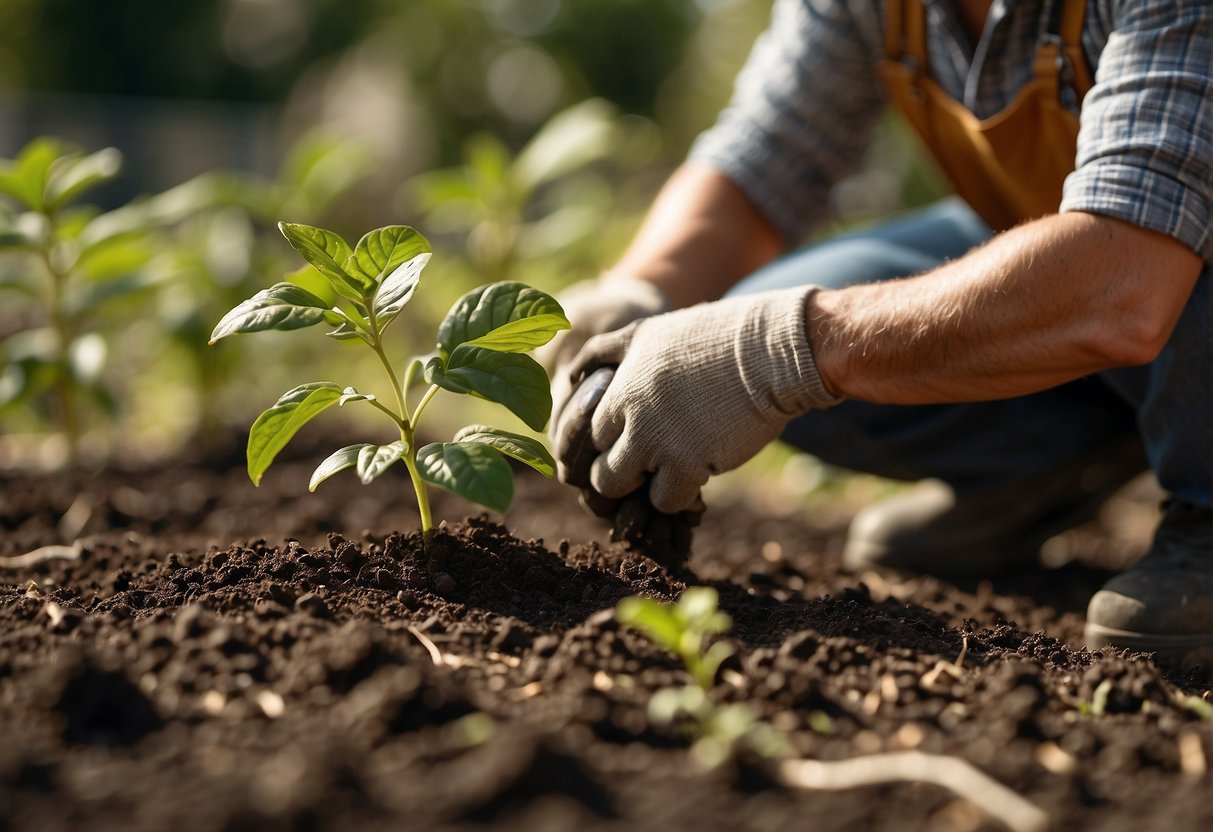
When planting your beautyberry bush, dig a hole that is twice as wide and deep as the root ball. Place the plant in the hole and backfill with native soil, making sure to tamp down the soil around the roots to remove any air pockets. Water the plant thoroughly after planting, and then add a layer of mulch around the base of the plant to help retain moisture and suppress weeds.
By following these planting techniques, you can ensure that your beautyberry bush gets off to a healthy start and thrives in your garden.
Caring for Your Beautyberry
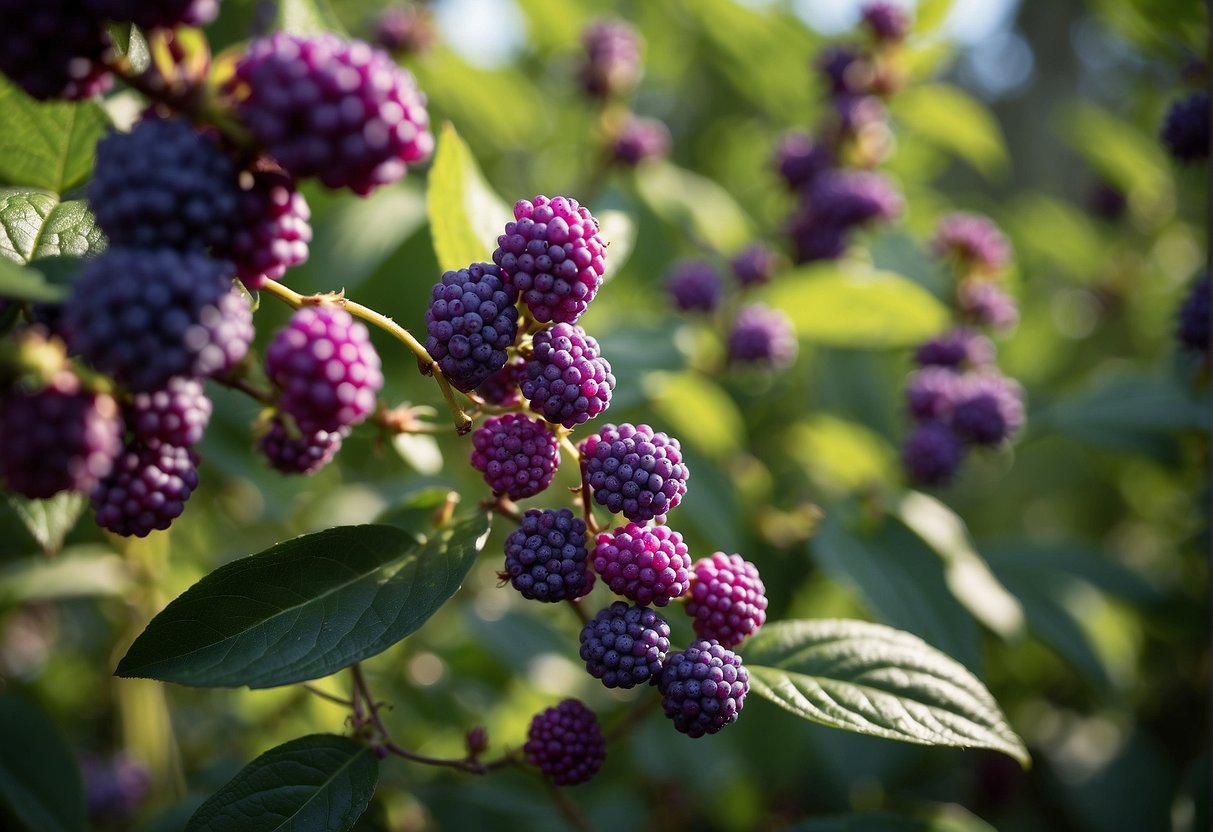
Growing a beautyberry bush is a great way to add color and interest to your garden. However, to keep it healthy and looking its best, you need to give it the right care. Here are some tips on how to care for your beautyberry:
Watering Requirements
Beautyberry plants need regular watering to thrive. During the growing season, water your plant deeply at least once a week. Make sure the soil is moist but not waterlogged. In dry weather, you may need to water more frequently.
Fertilizing and Mulching
To keep your beautyberry bush healthy and growing strong, it’s important to fertilize it regularly. Use a balanced fertilizer in early spring and again in midsummer. Apply the fertilizer according to the instructions on the package.
Mulching around your beautyberry plant can help retain moisture and suppress weeds. Use a layer of organic mulch, such as shredded leaves or bark, and spread it around the base of the plant.
Pruning Essentials
Pruning is an important part of caring for your beautyberry bush. Prune your plant in late winter or early spring before new growth begins. Remove any dead or damaged branches, as well as any branches that are crossing or rubbing against each other.
You can also prune your beautyberry bush to control its size and shape. If you want a more compact plant, cut back the branches by one-third to one-half their length. If you want a more natural look, simply remove any wayward branches.
By following these simple tips, you can keep your beautyberry bush healthy and looking its best. With the right care, your plant will reward you with beautiful foliage and colorful berries year after year.
Growth and Development
From Seed to Shrub
Beautyberry bush, also known as Callicarpa americana, can be grown from seed or propagated from cuttings. If you decide to grow from seed, it is important to start the process indoors in late winter or early spring. The seeds should be sown in a well-draining soil mix and kept moist until germination. Once the seedlings have developed their second set of leaves, they can be transplanted into individual pots and grown until they are large enough to be planted outdoors.
Seasonal Changes
Beautyberry bushes are deciduous and will lose their leaves in the fall. During the summer, the bush will produce new growth and flowers, which will eventually lead to the formation of berries in the fall. It is important to note that the beautyberry bush is not a continuous bloomer, and its bloom time is relatively short.
Achieving Optimal Bloom
To achieve optimal bloom and fruit production, it is important to provide the beautyberry bush with the right growing conditions. The bush prefers full sun to partial shade and well-draining soil. It is also important to keep the soil consistently moist, especially during dry periods. Pruning the bush in late winter or early spring will help to promote new growth and a fuller appearance.
In conclusion, growing a beautyberry bush from seed or cuttings requires patience and attention to detail. By providing the bush with the right growing conditions and pruning it regularly, you can enjoy its beautiful flowers and fruit production in the fall.
Propagation Methods
If you want to grow beautyberry bush, there are several propagation methods that you can use to get started. Here are three popular techniques that you can try:
Cuttings Technique
One way to propagate beautyberry bush is through cuttings. Softwood cuttings are ideal for this method, and they should be taken in the early summer. Make sure to use a sterile knife or pruning shears to cut a 4-6 inch section of the stem, and remove any leaves from the bottom half of the cutting. Dip the cut end in rooting hormone and plant the cutting in a well-draining potting mix. Keep the soil moist and the cutting in a shaded area until it roots.
Growing from Seeds
Another way to propagate beautyberry bush is through seeds. Collect the berries from the bush when they are fully ripe, and remove the seeds from the pulp. Rinse the seeds in water and let them dry for a few days. Plant the seeds in a well-draining potting mix, and keep the soil moist. The seeds should germinate in a few weeks.
Layering and Division
Layering and division are two other methods for propagating beautyberry bush. Layering involves bending a low-hanging stem to the ground and covering it with soil. After a few months, roots should form at the point where the stem touches the soil. You can then cut the new plant away from the parent plant and transplant it.
Division involves digging up an established beautyberry bush and dividing it into smaller sections. Each section should have its own root system and several stems. Replant the divided sections in a well-draining potting mix and keep the soil moist until they establish themselves.
By using one of these propagation methods, you can easily grow your own beautyberry bush and enjoy its beautiful foliage and berries.
Pests and Diseases
Common Pests
The Beautyberry bush is generally hardy and resilient, but like any plant, it can fall prey to pests. Some common pests that can damage the Beautyberry bush are aphids, spider mites, and scale insects. These pests can cause damage to the leaves and stems of the plant, leading to stunted growth and reduced fruit production.
To prevent infestations, it is important to regularly inspect your Beautyberry bush for signs of pests. If you notice any pest activity, you can try to control it by spraying the plant with insecticidal soap or neem oil. Alternatively, you can introduce beneficial insects like ladybugs or lacewings to your garden, which will help to control pest populations naturally.
Disease Prevention
Beautyberry bushes are generally resistant to most diseases, but they can be susceptible to fungal infections like powdery mildew. To prevent fungal infections, it is important to keep the plant in a well-ventilated area with good air circulation. Avoid overcrowding the plant and make sure it receives plenty of sunlight.
Another important aspect of disease prevention is maintaining good hygiene practices. This includes regularly removing any dead or diseased plant material from the area around the Beautyberry bush. Additionally, make sure to water the plant at the base rather than from above, as this can help to prevent fungal spores from spreading.
Treatment Strategies
If your Beautyberry bush does become infected with a disease, it is important to act quickly to prevent the infection from spreading. Fungal infections can be treated with a fungicide spray, which should be applied according to the manufacturer’s instructions.
If your Beautyberry bush is infested with pests, there are a few treatment strategies you can try. In addition to using insecticidal soap or neem oil, you can also try using a horticultural oil spray. This type of spray suffocates pests like aphids and spider mites, preventing them from feeding on the plant.
Overall, with proper care and attention, your Beautyberry bush should remain healthy and free from pests and diseases. Regular inspections and good hygiene practices can go a long way in preventing problems before they occur.
Beautyberry in the Ecosystem
Beautyberry is a native plant in North America and Asia that is known for its beautiful purple berries. But did you know that this plant also plays an important role in the ecosystem? Here are some ways that beautyberry contributes to the environment:
Attracting Wildlife
Beautyberry is a favorite among birds, who love to eat the berries. The plant’s bright purple berries are a great source of food for birds during the fall and winter months. In fact, studies have shown that beautyberry is one of the top plants for attracting birds to your yard. By planting beautyberry, you can help support local bird populations.
Ecological Benefits
Beautyberry is a native plant, which means it is well-adapted to the local environment. As a result, it requires less water and fertilizer than non-native plants. This makes it a great choice for eco-conscious gardeners who want to reduce their environmental impact. Additionally, beautyberry is a low-maintenance plant that requires little pruning or care.
Insect Repellent Qualities
Beautyberry has a long history of use as a natural insect repellent. The leaves and stems of the plant contain compounds that are toxic to mosquitoes and other insects. In fact, studies have shown that beautyberry is just as effective as DEET, a common chemical insect repellent. By planting beautyberry in your yard, you can help keep mosquitoes and other pests at bay without the use of harmful chemicals.
Overall, beautyberry is a great addition to any garden. Not only is it beautiful, but it also provides important benefits to the ecosystem. Whether you’re looking to attract wildlife, reduce your environmental impact, or keep mosquitoes away, beautyberry is a plant that you won’t want to overlook.
Landscape and Design
When it comes to landscape and design, the beautyberry bush is a great addition to any garden. Here are some tips on incorporating it into your garden, companion planting, and cultivars and garden varieties.
Incorporating into Gardens
The beautyberry bush is a versatile plant that can be incorporated into a variety of garden styles. It can be used as a border plant, a focal point, or as part of a mixed shrub border. Its vibrant purple berries are a great addition to fall gardens and can add a pop of color to any landscape.
Companion Planting
Companion planting is a great way to enhance the beauty and health of your garden. The beautyberry bush can be paired with plants that have similar growing conditions, such as hydrangeas, azaleas, and ferns. It can also be used to attract beneficial insects, such as bees and butterflies, to your garden.
Cultivars and Garden Varieties
There are several cultivars and garden varieties of the beautyberry bush that you can choose from, depending on your preferences. Some popular cultivars include ‘Profusion’, which has a dense growth habit and produces a large number of berries, and ‘Early Amethyst’, which blooms earlier in the season than other varieties.
Overall, the beautyberry bush is a great addition to any garden. With its vibrant purple berries and versatile growing habits, it’s sure to add beauty and interest to your landscape.
Seasonal Care Guide
Growing beautyberry bush requires some seasonal care to ensure its healthy growth and vibrant foliage. Here are some tips on how to maintain your beautyberry bush throughout the year.
Spring Maintenance
In early spring, prune any dead or damaged branches to promote new growth. Cut back about one-third of the plant’s height to encourage a fuller, bushier form. Remove any weak or crossing branches to allow for better air circulation and sunlight penetration. Apply a balanced fertilizer to the soil around the base of the plant to promote healthy growth.
Summer Upkeep
During the summer, beautyberry bush requires regular watering to prevent drought stress. Water deeply once a week, especially during hot and dry spells. Mulch around the base of the plant to retain moisture and suppress weeds. Beautyberry bush prefers partial shade, but it can tolerate full sun with adequate moisture. Prune any overgrown branches to maintain the desired shape and size.
Fall Preparation
In late summer or early fall, beautyberry bush produces clusters of small, pink or purple flowers that later turn into bright, jewel-toned berries. To ensure a bountiful harvest, provide adequate water and nutrients to the plant. Remove any diseased or damaged foliage to prevent the spread of pests or diseases. As the temperatures drop, beautyberry bush will start to lose its leaves, revealing its colorful berries. Enjoy the beauty of your plant during this season!
Winter Protection
In late fall or early winter, beautyberry bush goes dormant and sheds its leaves. To protect it from frost and cold temperatures, apply a layer of mulch around the base of the plant. This will help insulate the roots and prevent them from freezing. Beautyberry bush is deciduous and hardy to USDA zones 6-10, so it can tolerate some cold weather. However, if the temperatures drop below -10°F, it may suffer some damage. If you live in a colder climate, consider growing beautyberry bush in a container and bringing it indoors during the winter months.
By following these seasonal care tips, you can ensure your beautyberry bush stays healthy and beautiful all year round.
Frequently Asked Questions
What is the best method to propagate a beautyberry bush?
The easiest way to propagate a beautyberry bush is through softwood cuttings taken in early summer. Select a healthy and vigorous branch and cut it at a 45-degree angle. Remove the leaves from the lower half of the cutting and dip it in rooting hormone. Plant the cutting in well-draining soil and keep it moist until it establishes roots.
When is the ideal time to plant a beautyberry bush?
The best time to plant a beautyberry bush is in the spring or fall when the weather is cool and moist. Avoid planting during the hot summer months as the plant may struggle to establish itself.
What are common issues with growing American beautyberry and how can they be addressed?
Some common issues with growing American beautyberry include leaf spot, powdery mildew, and pests such as Japanese beetles and spider mites. To address leaf spot and powdery mildew, prune affected branches and remove fallen leaves. To control pests, use insecticidal soap or neem oil.
Which climate zones are suitable for growing a beautyberry bush?
Beautyberry bushes are native to the southeastern United States and are hardy in USDA zones 6 to 10. They prefer a warm, humid climate and can tolerate some drought.
How should a beautyberry bush be cared for throughout the seasons?
In the spring, prune the plant to remove any dead or damaged branches and apply a slow-release fertilizer. During the summer, keep the soil moist and mulch around the base of the plant to retain moisture. In the fall, prune lightly to maintain the plant’s shape and remove any dead branches.
What are the optimal conditions for planting a beautyberry bush to ensure healthy growth?
Beautyberry bushes prefer a well-draining soil that is rich in organic matter. They require partial shade to full sun and regular watering during the first year of growth. Mulch around the base of the plant to retain moisture and suppress weeds.

