
How Big Does American Beautyberry Get: A Comprehensive Guide
The American beautyberry, or Callicarpa americana, is a deciduous shrub originating from the southeastern region of the United States. It is best known for its eye-catching purple berries that form in clusters on its branches. Should you be thinking about incorporating American beautyberry into your garden, you might be curious about its maximum size and the ideal conditions for its cultivation.
American beautyberry typically grows to be between 3 and 6 feet tall and wide. However, it can grow up to 9 feet tall in ideal conditions. The plant is best suited for USDA hardiness zones 7 through 10, where it can thrive in full to partial sun and well-draining soil. While American beautyberry is relatively easy to care for, it does require some maintenance to keep it looking its best.
Overview of American Beautyberry
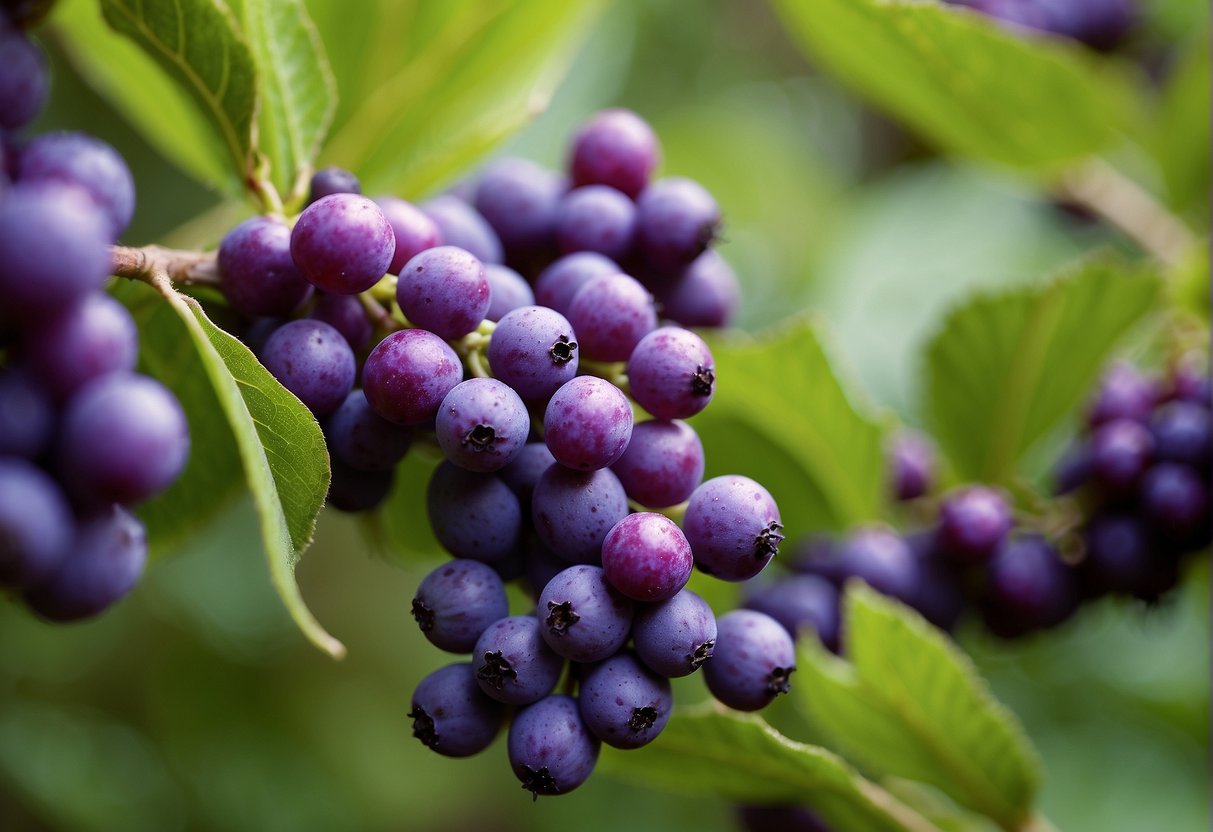
American Beautyberry, also known as Callicarpa americana, is a deciduous shrub that is native to the southeastern United States. This shrub is known for its striking clusters of bright purple berries that appear in the fall, making it a popular choice for landscaping and ornamental use.
Botanical Profile
The American Beautyberry is a medium-sized shrub that can grow up to 6 feet tall and wide. It has simple, opposite leaves that are 2-6 inches long and 1-3 inches wide. The leaves are dark green and have a slightly toothed edge. In the fall, the leaves turn a yellow-green color before falling off.
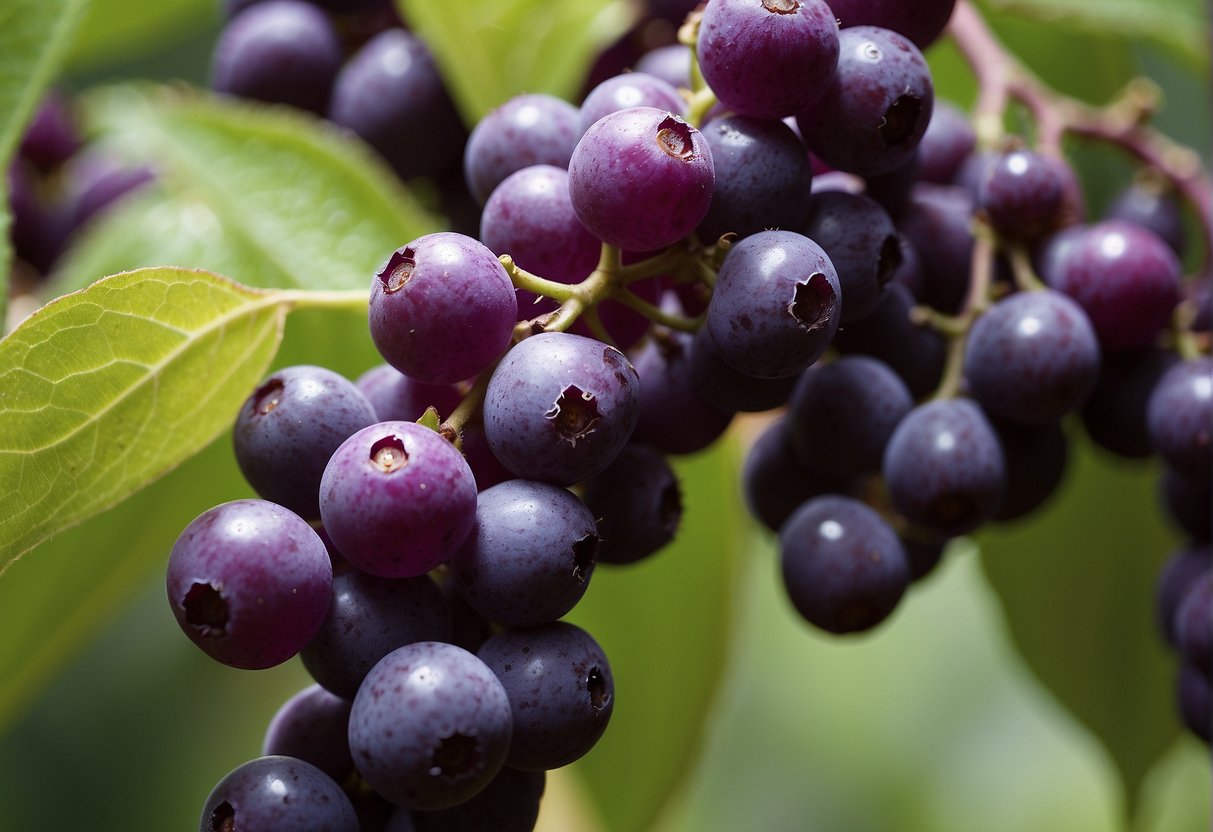
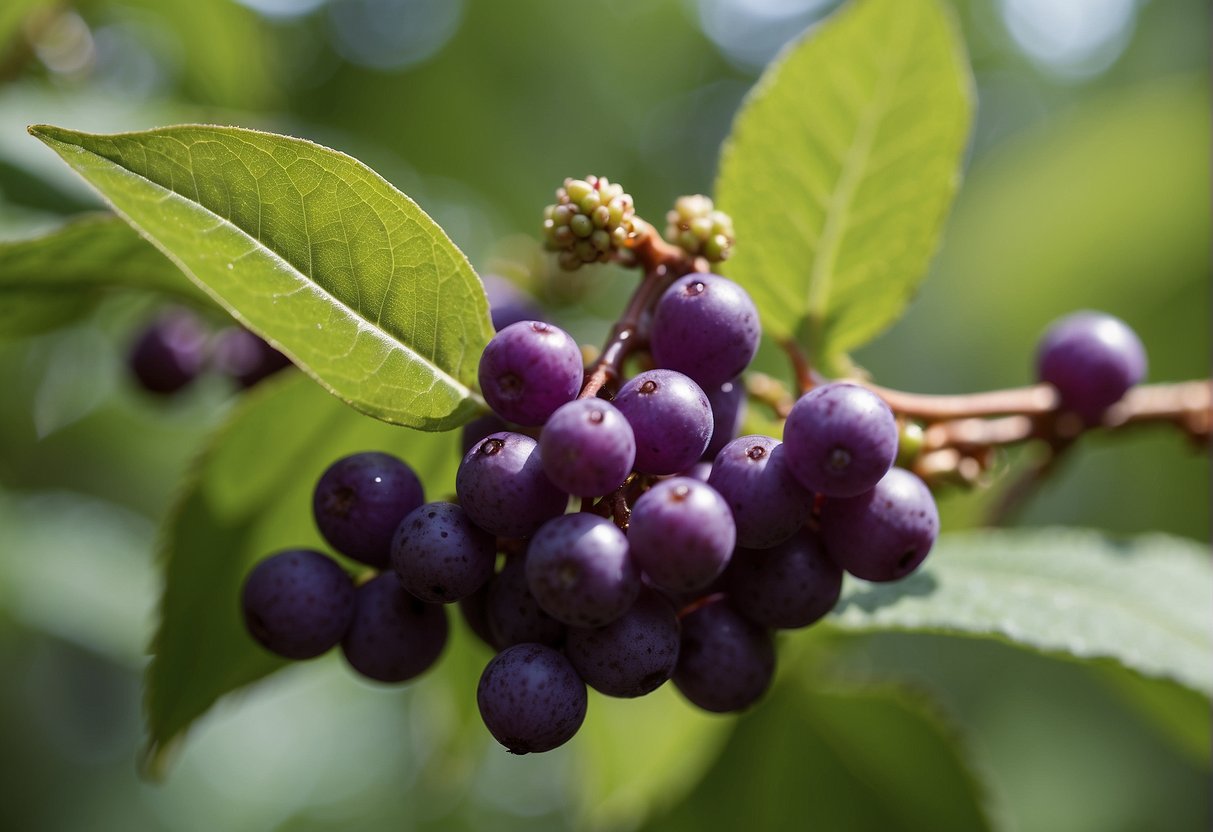
The shrub produces small, pale pink flowers in the summer that are not particularly showy. However, the real attraction of the American Beautyberry is its clusters of bright purple berries that form in the fall. These berries are about 1/4 inch in diameter and are arranged in clusters around the stem.
Native Habitat
The American Beautyberry is native to the southeastern United States, where it can be found growing in a variety of habitats, including woodlands, meadows, and along the edges of streams and rivers. It is most commonly found in the states of Texas, Oklahoma, Arkansas, Louisiana, Mississippi, Alabama, Georgia, Florida, and South Carolina.
In the wild, the American Beautyberry can grow in a wide range of soil types, but it prefers moist, well-drained soils. It is also tolerant of both sun and shade, making it a versatile plant for landscaping and ornamental use.
Overall, the American Beautyberry is a beautiful and hardy shrub that is well-suited for a variety of growing conditions. Whether you are looking to add some color to your garden or simply want to enjoy the natural beauty of this native plant, the American Beautyberry is definitely worth considering.
Planting and Growing Conditions
When it comes to planting and growing American Beautyberry, there are a few key factors that you need to keep in mind. In this section, we will cover the soil requirements, light preferences, and watering needs for this plant.
Soil Requirements
American Beautyberry is a hardy plant that can tolerate a wide range of soil conditions. However, it grows best in well-draining soil with a pH between 5.0 and 6.5. If your soil is heavy or clay-like, you may need to amend it with organic matter to improve drainage.
Light Preferences
American Beautyberry prefers full sun to partial shade. It can tolerate some shade, but too much shade can result in a spindly plant with fewer berries. If you live in a hot climate, you may want to provide some afternoon shade to prevent the leaves from wilting.
Watering Needs
American Beautyberry is a moderately drought-tolerant plant, but it prefers moist soil. Water your plant deeply once a week during dry spells, and make sure the soil is well-draining to prevent root rot. Avoid overwatering, as this can lead to fungal diseases.
Overall, American Beautyberry is a low-maintenance plant that can thrive in a variety of growing conditions. By following these simple guidelines, you can ensure that your plant grows healthy and produces plenty of beautiful berries.
Care and Maintenance
American beautyberry is a low-maintenance shrub that can thrive in a variety of conditions. However, proper care and maintenance can help ensure that your plant grows and looks its best. Here are some guidelines to follow:
Pruning Guidelines
Pruning is an essential part of American beautyberry maintenance. It is recommended to prune the plant in late winter or early spring before new growth begins. This will help shape the shrub and remove any dead or damaged branches. Pruning can also encourage new growth and improve the overall health of the plant.
When pruning American beautyberry, it is important to use sharp, clean tools to avoid damaging the plant. Cut branches at a 45-degree angle just above a leaf node or bud. Avoid cutting too much at once, as this can stress the plant and reduce its vigor.
Fertilization and Mulching
American beautyberry does not require frequent fertilization, but it can benefit from a light application of a balanced, slow-release fertilizer in the spring. Avoid over-fertilizing, as this can lead to excessive growth and reduce the plant’s resistance to pests and diseases.
Mulching is also beneficial for American beautyberry. A layer of organic mulch, such as shredded leaves or pine straw, can help retain moisture in the soil, suppress weeds, and add organic matter to the soil as it decomposes.
Pest and Disease Management
American beautyberry is generally resistant to pests and diseases. However, it can be susceptible to fungal diseases in humid conditions. To prevent fungal diseases, avoid overhead watering and ensure good air circulation around the plant.
If you notice any pests or diseases on your American beautyberry, remove affected leaves or branches and dispose of them in the trash. Do not compost infected plant material, as this can spread the disease. Consider using organic pest control methods, such as insecticidal soap or neem oil, to manage pests.
By following these care and maintenance guidelines, you can help ensure that your American beautyberry grows and thrives for years to come.
Propagation Methods
American beautyberry can be propagated from seeds or cuttings. Both methods can be successful, but rooting cuttings is generally easier and more reliable.
Growing from Seed
If you want to grow American beautyberry from seed, you can collect ripe berries from a mature plant in the fall. The seeds are small and can be difficult to separate from the pulp, so you may want to soak the berries in water for a few days to help loosen the seeds. After cleaning the seeds, you can sow them in a well-draining soil mix and keep them moist until they germinate. It may take up to several months for the seeds to sprout, so be patient.
Rooting Cuttings
Rooting cuttings is a faster and more reliable way to propagate American beautyberry. Softwood cuttings taken in late spring or early summer are the best for rooting. Cuttings should be about 4-6 inches long and taken from the tips of the branches. Remove the leaves from the bottom half of the cutting and dip the cut end in rooting hormone. Then, insert the cutting into a well-draining soil mix and keep it moist until roots develop. This can take several weeks to a few months.
Overall, rooting cuttings is the preferred propagation method for American beautyberry. It is faster, more reliable, and produces plants that are true to the parent plant.
Flowering and Fruiting Characteristics
American Beautyberry is a deciduous shrub that is known for its beautiful berries. The plant produces clusters of small, pink flowers in the summer, which are followed by bright purple berries in the fall. The berries are arranged in clusters around the stem, which gives the plant a unique and attractive appearance.
Bloom Time and Colors
The flowering period of American Beautyberry typically occurs from June to August. During this time, the shrub produces small, pink flowers that are arranged in clusters along the stem. The flowers are not particularly showy, but they do attract pollinators such as bees and butterflies.
Berry Clusters and Wildlife
After the flowering period, American Beautyberry produces clusters of bright purple berries. The berries are arranged in clusters around the stem, and they are a favorite food of many bird species. The clusters of berries are also attractive to other wildlife, such as squirrels and deer.
The berries of American Beautyberry are not edible for humans, but they have been used in traditional medicine to treat a variety of ailments. The berries are said to have anti-inflammatory and antioxidant properties, and they have been used to treat conditions such as fever, dysentery, and rheumatism.
In summary, American Beautyberry is a beautiful and unique shrub that produces clusters of pink flowers and bright purple berries. The plant is a favorite of many bird species and other wildlife, and it has been used in traditional medicine for its purported health benefits.
Landscape Uses and Ornamental Value
American beautyberry is a popular landscape plant that is prized for its ornamental value and beautiful fruit. Here are some landscape uses and design considerations for this plant.
Design Considerations
American beautyberry is a great addition to any garden or landscape because of its unique shape and beautiful fruit. It has a rounded, bushy shape that makes it a great specimen plant. It also works well in mass plantings or as a border plant.
This plant is a great choice for gardens that need a pop of color in the fall. The bright purple fruit stands out against the green foliage and adds a beautiful touch to any garden setting.
Companion Plants
American beautyberry works well with a variety of other plants, including perennials and shrubs. It pairs well with Japanese beautyberry, which has similar fruit but a different growth habit. Other great companion plants include hostas, ferns, and azaleas.
When designing a garden or landscape with American beautyberry, it’s important to consider the plant’s size and shape. It can grow up to 8 feet tall and wide, so make sure to give it plenty of space to grow.
In conclusion, American beautyberry is a versatile and beautiful plant that can add a pop of color to any garden or landscape. Its unique shape and beautiful fruit make it a great choice for mass plantings, borders, or as a specimen plant. When designing with this plant, consider its size and shape, and pair it with other plants that complement its beauty.
Wildlife Interactions and Ecological Impact
American beautyberry is a popular plant among gardeners and nature enthusiasts alike. Not only does it add beauty to any landscape, but it also plays an important role in attracting pollinators and birds while providing natural pest control.
Attracting Pollinators and Birds
American beautyberry is known for attracting a variety of pollinators, including bees, butterflies, and hummingbirds. The plant’s vibrant purple berries and fragrant flowers are particularly attractive to these creatures, making it an excellent addition to any pollinator garden.
In addition to pollinators, American beautyberry also attracts a variety of birds, including the American robin. These birds are known to feed on the plant’s berries, which are a valuable source of food during the fall and winter months.
Natural Pest Control
American beautyberry has also been found to provide natural pest control. The plant contains compounds that are toxic to mosquitoes, making it an effective natural repellent. Additionally, the plant’s leaves can be crushed and applied to the skin to repel mosquitoes.
While the plant doesn’t repel all pests, it has been found to be effective in deterring some animals, such as raccoons and squirrels, from feeding on nearby plants. This can be particularly beneficial for gardeners who want to protect their crops from these animals.
Overall, American beautyberry plays an important role in attracting pollinators and birds while providing natural pest control. By planting this beautiful shrub in your garden, you can help create a thriving ecosystem that benefits both wildlife and humans alike.
Seasonal Changes and Care
If you are growing American beautyberry in your garden, it is important to know how to care for it throughout the year. The following subsections will provide you with some tips on how to care for your beautyberry during different seasons.
Winterizing the Beautyberry
American beautyberry is a hardy plant that can survive in USDA hardiness zones 6 to 10. However, it is still important to take some precautions to protect your plant during the winter months. In late winter, you should prune your plant to remove any dead or damaged branches. This will help promote new growth in the spring. You can also mulch around the base of the plant to help protect the roots from freezing temperatures.
Summer and Fall Considerations
During the summer months, American beautyberry should be kept in partial shade to prevent the leaves from drying out. It is also important to water your plant regularly during periods of drought to prevent the leaves from wilting. In late summer, you can prune your plant to remove any dead or damaged branches and promote new growth.
As fall approaches, the beautyberry will begin to produce its characteristic purple berries. These berries are a favorite food source for birds, so you may want to leave them on the plant for the wildlife to enjoy. However, if you want to harvest the berries for yourself, you should do so before the first frost.
In conclusion, American beautyberry is a hardy and drought-tolerant plant that requires minimal care throughout the year. By following these simple tips, you can ensure that your beautyberry thrives in your garden.
Culinary and Medicinal Uses
American beautyberry is not only known for its beautiful purple berries but also for its culinary and medicinal uses. The leaves, stems, and berries of the plant have been used by Native Americans for centuries for various purposes.
Beautyberry Recipes
The berries of the American beautyberry can be used to make delicious jelly or jam. To make beautyberry jelly, you will need to first gather about 4 cups of the berries. Rinse them and place them in a pot with 4 cups of water. Bring the mixture to a boil and let it simmer for about 20 minutes. Strain the mixture through a cheesecloth and measure out 3 cups of the juice. Add 1 package of pectin and 4 cups of sugar to the juice. Bring the mixture to a boil, stirring constantly until the sugar dissolves. Let it boil for about 1 minute, then remove from heat and pour into jars. Let the jars cool and store in the refrigerator.
Another way to use the berries is to make beautyberry syrup. Simply combine 2 cups of berries, 2 cups of water, and 1 cup of sugar in a pot. Bring the mixture to a boil and let it simmer for about 15 minutes. Strain the mixture and let it cool. Store the syrup in a bottle and use it to flavor cocktails or desserts.
Traditional Remedies
American beautyberry has also been used for its medicinal properties. The leaves and stems of the plant can be used to make a tea that is said to help with fever, diarrhea, and rheumatism. The leaves can also be crushed and applied to the skin to help with insect bites and stings.
The berries of the plant are said to have antioxidant properties and can be used to make a natural insect repellent. Simply crush the berries and apply the juice to your skin to keep insects away.
Overall, American beautyberry is a versatile plant that can be used for both culinary and medicinal purposes. Its beautiful purple berries and leaves make it a unique addition to any garden or landscape.
Varieties and Related Species
Comparing Beautyberry Species
The beautyberry shrub, also known as French mulberry, is a member of the Lamiaceae family and is native to the southeastern United States. There are several varieties of beautyberry, including the American mulberry (Callicarpa americana), Japanese beautyberry (C. japonica), and the dichotoma beautyberry (C. dichotoma).
The American beautyberry (C. americana) is the most common species found in the United States, and it typically grows to be 3-5 feet tall and wide. The Japanese beautyberry (C. japonica) is a smaller shrub that grows to be 2-4 feet tall and wide, while the dichotoma beautyberry (C. dichotoma) can grow up to 10 feet tall and wide.
There are also several related species of beautyberry, including the lactea beautyberry (C. lactea) and the Bodinieri beautyberry (C. bodinieri). The lactea beautyberry is native to China and can grow up to 8 feet tall and wide, while the Bodinieri beautyberry is native to Korea and can grow up to 15 feet tall and wide.
Cultivar Selection
If you are looking to add beautyberry to your landscape, there are several cultivars to choose from. The purple beautyberry (C. dichotoma ‘Issai’) is a popular cultivar that produces bright purple berries in the fall. Another popular cultivar is the ‘Profusion’ beautyberry (C. dichotoma ‘Profusion’), which produces large clusters of pinkish-purple berries.
When selecting a cultivar, it is important to consider the size of the plant, as well as the color and abundance of the berries. Some cultivars, such as the ‘Early Amethyst’ beautyberry (C. dichotoma ‘Early Amethyst’), produce berries earlier in the season than other cultivars.
Overall, beautyberry is a versatile and attractive shrub that can add color and interest to any landscape. Whether you choose a native species or a cultivar, beautyberry is sure to be a standout in your garden.
Frequently Asked Questions
What is the typical height range for an American Beautyberry plant?
American Beautyberry can grow to be 3-8 feet tall and wide, with an average height of 5-6 feet.
How quickly can one expect an American Beautyberry to reach maturity?
American Beautyberry typically reaches maturity in 2-3 years after planting.
What are the ideal growing conditions for American Beautyberry?
American Beautyberry thrives in partial shade to full sun and prefers moist, well-drained soil. It can tolerate a range of soil types, including clay, loam, and sand. It is also drought-tolerant once established.
Is the American Beautyberry considered an invasive species?
No, American Beautyberry is not considered an invasive species. It is native to the southeastern United States and is an important food source for wildlife.
What spacing requirements should be considered when planting American Beautyberry?
When planting American Beautyberry, space them 4-6 feet apart to allow for proper growth and air circulation.
In which hardiness zones can American Beautyberry thrive?
American Beautyberry can thrive in hardiness zones 6-10. It is hardy in the southeastern United States and can tolerate temperatures as low as -10°F.

