
Where to Buy Butterfly Milkweed: A Guide to Finding the Perfect Plant
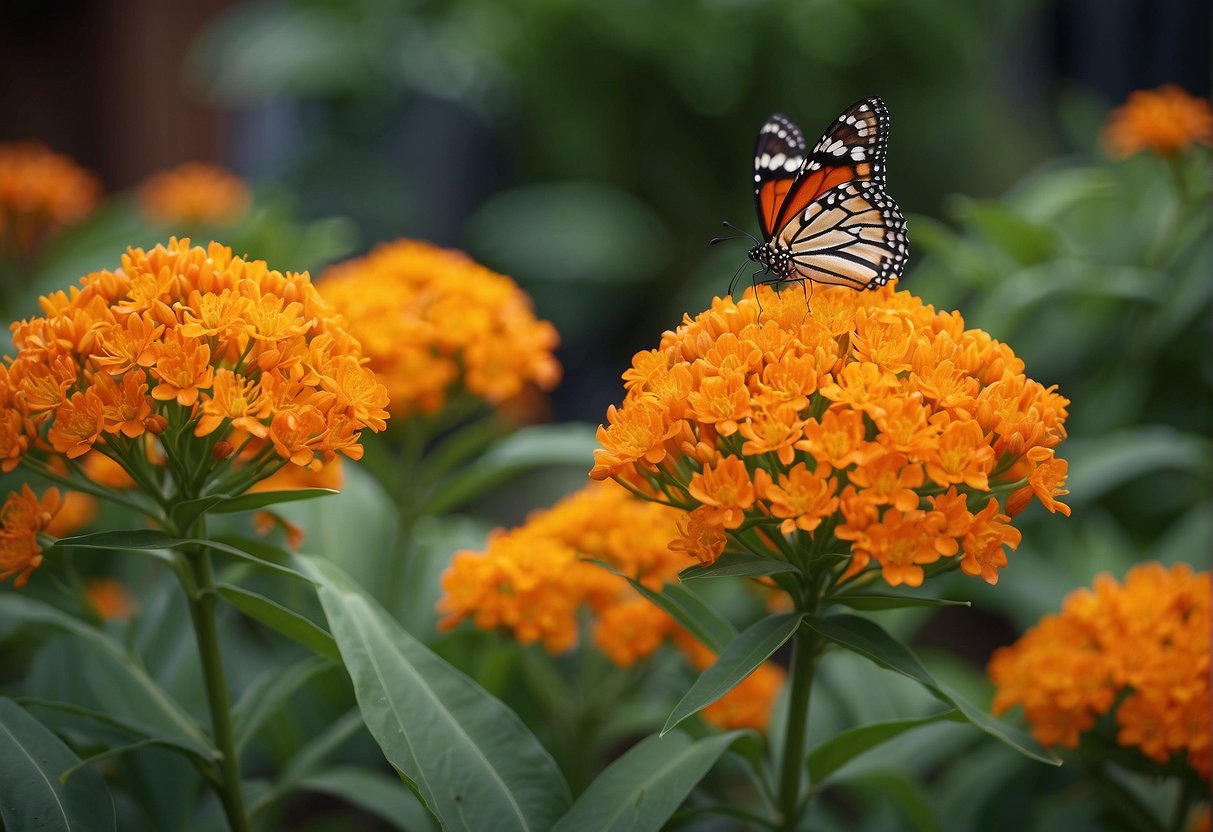
If you’re aiming to lure monarch butterflies into your yard, then including butterfly milkweed is essential. It serves not only as a nutritional source for the monarch caterpillars, but its vibrant orange and yellow blooms are sure to enhance the beauty of any garden. However, you might be wondering where to acquire butterfly milkweed plants for your garden?
One option is to visit your local nursery or garden center. Many of these stores carry butterfly milkweed, especially during the spring and summer months when it is in high demand. You can also check with local plant societies or conservation groups to see if they have any butterfly milkweed for sale.
Another option is to purchase butterfly milkweed seeds online. There are many reputable seed companies that specialize in native plants, including butterfly milkweed. When purchasing seeds, be sure to look for a variety that is native to your region to ensure the best chance of success.
Key Takeaways
- Butterfly milkweed is a crucial plant for attracting monarch butterflies to your garden.
- You can find butterfly milkweed at local nurseries, garden centers, and through online seed companies.
- When purchasing butterfly milkweed seeds, look for a variety that is native to your region for the best chance of success.
Understanding Butterfly Milkweed
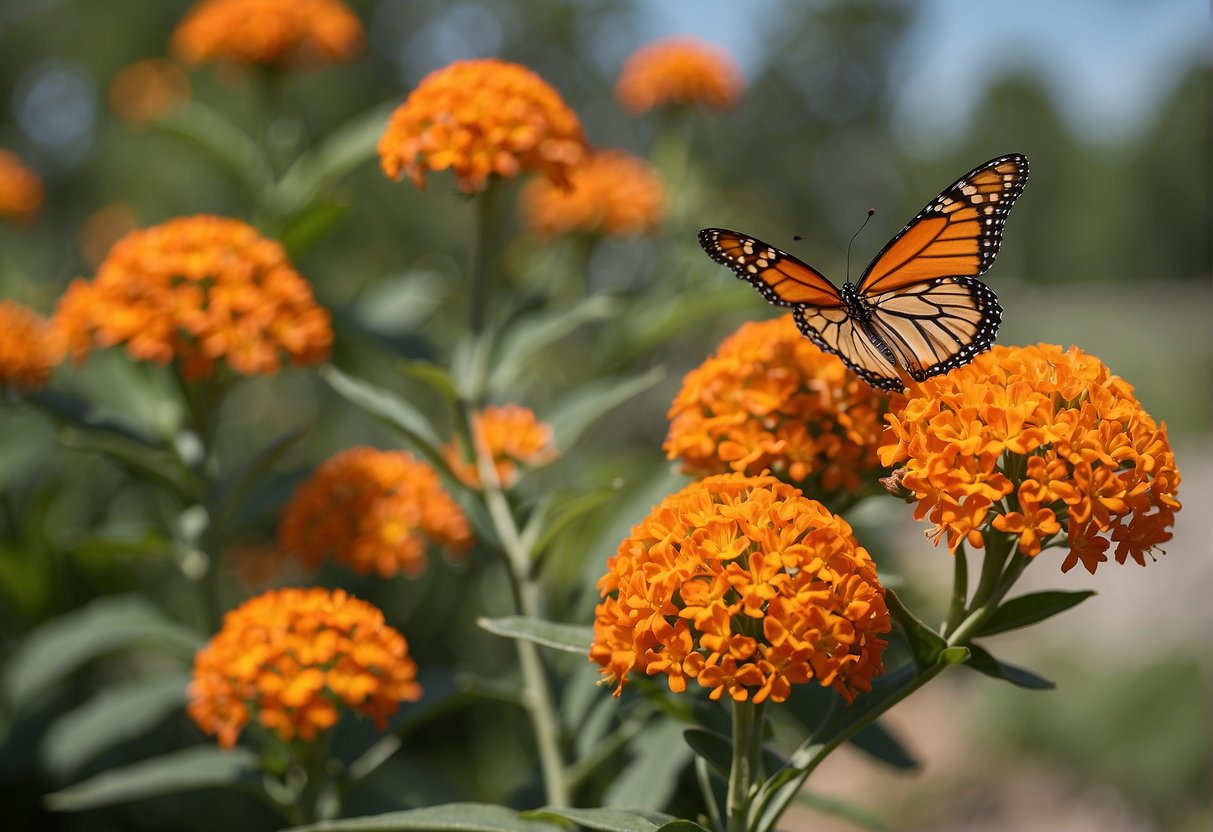
If you are looking to attract monarch butterflies to your garden, butterfly milkweed (Asclepias tuberosa) is a must-have plant. This native perennial is a member of the milkweed family and is easy to grow in most gardens.
Botanical Profile of Asclepias Tuberosa
Butterfly milkweed is a herbaceous perennial that typically grows 1-2 feet tall and wide. It has bright orange flowers that bloom from June to August. The flowers are clustered at the top of the plant and are a great source of nectar for adult monarch butterflies and other pollinators.
The leaves of butterfly milkweed are narrow and lance-shaped, with a slightly hairy texture. The stems are also slightly hairy and can be somewhat sticky to the touch. The plant’s roots are tuberous and can be difficult to transplant, so it’s best to plant them in their permanent location.
Importance for Monarch Butterflies
Butterfly milkweed is an important host plant for monarch caterpillars. Monarch butterflies lay their eggs on the underside of the plant’s leaves, and the emerging caterpillars feed on the leaves until they are ready to form their chrysalis.
In addition to being a host plant, butterfly milkweed is also an important source of nectar for adult monarch butterflies. By planting butterfly milkweed in your garden, you can help support the monarch butterfly population and contribute to their conservation.
Overall, butterfly milkweed is a beautiful and important plant that is easy to grow and care for. By adding it to your garden, you can enjoy its vibrant colors and contribute to the conservation of one of North America’s most beloved butterflies.
Where to Find Butterfly Milkweed
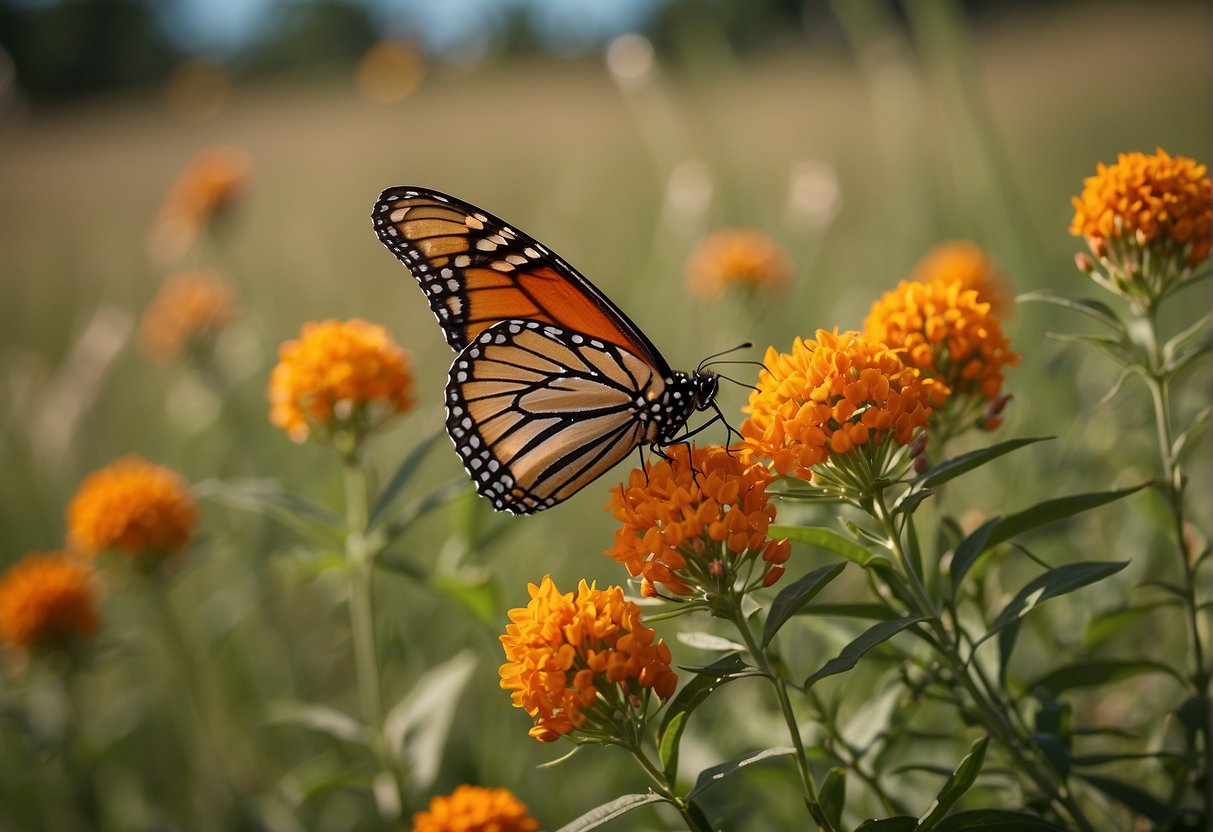
If you’re looking to add butterfly milkweed to your garden, there are several places you can find this beautiful and beneficial plant. Here are some options to consider:
Local Nurseries and Garden Centers
One of the easiest ways to find butterfly milkweed is to visit your local nursery or garden center. Many of these stores carry a variety of native plants, including butterfly milkweed. You can ask the staff for recommendations and advice on how to care for the plant. Some nurseries may even offer delivery or planting services for an additional fee.
Online Retailers and Marketplaces
If you prefer to shop online, there are several retailers and marketplaces that sell butterfly milkweed plants. You can browse through different options, compare prices, and read reviews from other customers. Some popular online stores that carry butterfly milkweed include Amazon, Etsy, and Wayfair. Make sure to check the shipping information and estimated delivery times before making a purchase.
Specialty Native Plant Sellers
For a wider selection of native plants, you can also check out specialty sellers that focus on native species. These sellers may have a more extensive collection of butterfly milkweed plants, including different varieties and sizes. Some examples of specialty native plant sellers include Prairie Moon Nursery and American Meadows. These sellers often have detailed information about the plant’s growing requirements and can offer advice on how to care for it.
Non-Profit Organizations and Seed Exchanges
Another option to consider is non-profit organizations and seed exchanges. These groups often promote the use of native plants and may offer butterfly milkweed seeds or plants for sale. Some examples of non-profit organizations that sell butterfly milkweed include the Xerces Society and the Lady Bird Johnson Wildflower Center. Seed exchanges, such as Seed Savers Exchange, allow you to trade seeds with other gardeners and may have butterfly milkweed seeds available.
No matter where you decide to buy butterfly milkweed, make sure to choose a reputable seller and check the plant’s growing requirements before purchasing. With a little care and attention, you can enjoy the beauty of butterfly milkweed in your garden and help support pollinators in your area.
Planting and Growing Butterfly Milkweed
If you are looking to add butterfly milkweed to your garden, there are a few things you should keep in mind to ensure that your plants thrive. In this section, we will cover the key factors to consider when planting and growing butterfly milkweed.
Selecting the Right Location
Butterfly milkweed thrives in full sun, so it is important to choose a location that receives at least six hours of direct sunlight per day. The plant can tolerate a range of soil types, but it prefers well-draining soil with a pH between 6.0 and 7.0.
Soil Preparation and Requirements
Before planting butterfly milkweed, it is important to prepare the soil properly. Start by removing any weeds or grass from the planting area. Then, loosen the soil to a depth of at least 12 inches and mix in compost or other organic matter to improve soil structure and fertility.
Planting Techniques and Timing
Butterfly milkweed can be planted from seed or as a potted plant. If you are starting from seed, it is important to stratify the seeds first by placing them in a plastic bag with moist sand or vermiculite and storing them in the refrigerator for four to six weeks. This will help to break the seeds’ dormancy and improve germination rates.
When planting, space the plants about 18 to 24 inches apart to allow for adequate airflow and prevent disease. Planting can be done in the spring or fall, but it is best to avoid planting during the hottest months of summer.
Watering and Maintenance
Butterfly milkweed is drought-tolerant and does not require frequent watering. However, it is important to keep the soil moist during the plant’s first growing season to help it establish a strong root system. After that, the plant can typically survive on natural rainfall.
To promote healthy growth and flowering, fertilize butterfly milkweed with a balanced fertilizer in the spring and again in mid-summer. Deadheading spent flowers can also encourage the plant to produce more blooms.
By following these planting and growing tips, you can enjoy the beauty of butterfly milkweed in your garden while providing important habitat for pollinators.
Caring for Butterfly Milkweed
Butterfly milkweed is a beautiful and easy-to-grow plant that can add color and interest to any landscape. With proper care, your butterfly milkweed can thrive and attract butterflies to your garden. Here are some tips for caring for butterfly milkweed:
Fertilization and Feeding
Butterfly milkweed is a low-maintenance plant that doesn’t require much fertilization. However, if you want to give your plant a boost, you can fertilize it in the spring with a balanced fertilizer. Avoid fertilizing too much, as this can cause the plant to grow too tall and flop over.
Pruning and Managing Growth
Butterfly milkweed can grow quite tall, up to three feet in height, and can spread up to two feet wide. To manage growth and prevent the plant from becoming too leggy, you can pinch back the stems in the early spring. This will encourage the plant to bush out and produce more flowers.
Pest and Disease Management
Butterfly milkweed is generally a hardy plant that is not prone to pests or diseases. However, it can be susceptible to aphids and spider mites. If you notice any signs of infestation, you can spray the plant with a mild soap and water solution to control the pests.
Overall, butterfly milkweed is an easy-to-grow plant that can add beauty and interest to your landscape. With proper care, your butterfly milkweed can thrive and attract butterflies to your garden.
Creating a Butterfly-Friendly Habitat
If you want to attract butterflies to your garden, creating a butterfly-friendly habitat is essential. Here are some tips to help you design a garden that will provide a safe and welcoming home for these beautiful creatures.
Designing a Butterfly Garden
When designing a butterfly garden, it’s important to provide a variety of plants that will attract butterflies throughout the growing season. Butterfly milkweed is a great choice because it provides nectar for adult butterflies and leaves for caterpillars to feed on. Other good choices include coneflowers, black-eyed Susans, and asters.
To create a successful butterfly garden, you should also consider the layout of your garden. Butterflies prefer sunny, open areas with shelter from the wind. You can create shelter by planting taller plants around the edges of your garden or by adding a trellis or other structure.
Companion Plants for Butterfly Milkweed
Butterfly milkweed is a beautiful and important plant for pollinators, but it can also benefit from companion plants. Companion plants can help attract more butterflies and other pollinators to your garden, and they can also help improve the health of your soil.
Some good companion plants for butterfly milkweed include:
- Bee balm
- Coreopsis
- Goldenrod
- Joe-Pye weed
- Purple coneflower
Providing Resources for Pollinators
In addition to providing nectar and food for caterpillars, it’s also important to provide other resources for pollinators. This includes water, shelter, and places to lay eggs.
To provide water, you can add a shallow dish or birdbath to your garden. You can also create shelter by leaving dead leaves or other organic matter in your garden, or by adding a butterfly house or other structure.
Finally, to provide a place for butterflies to lay their eggs, you should include host plants in your garden. Host plants are specific plants that caterpillars feed on, and they are essential for the survival of many butterfly species. For example, monarch butterflies lay their eggs on milkweed plants, so including milkweed in your garden is essential if you want to attract monarchs.
By following these tips, you can create a beautiful and welcoming butterfly garden that will provide a safe habitat for these important pollinators.
Environmental Impact and Conservation
Role in the Ecosystem
Butterfly milkweed, also known as Asclepias tuberosa, is a native milkweed species that plays a crucial role in the ecosystem. It is a primary host plant for monarch butterflies, providing them with a place to lay their eggs and a source of food for their caterpillars. In addition, the flowers of butterfly milkweed attract a variety of pollinators, including birds and hummingbirds, which help to maintain a healthy ecosystem.
Conservation Efforts for Monarch Habitats
Monarch butterfly populations have been declining in recent years due to habitat loss and other factors. As a result, there has been a growing effort to conserve monarch habitats and support their populations. One way to do this is by planting native milkweed species like butterfly milkweed in your garden or yard. This can provide monarchs with the habitat they need to thrive and help to ensure their survival.
There are also several conservation organizations working to protect monarch habitats and raise awareness about their importance. These organizations include the Monarch Joint Venture, the Xerces Society for Invertebrate Conservation, and the National Wildlife Federation. By supporting these organizations and their efforts, you can help to ensure a healthy future for monarch butterflies and the ecosystems they inhabit.
In conclusion, butterfly milkweed is an important native milkweed species that plays a crucial role in the ecosystem. By planting it in your garden or yard and supporting conservation efforts for monarch habitats, you can help to ensure a healthy future for these iconic butterflies and the many other species that depend on them.
Additional Considerations
When purchasing butterfly milkweed, there are a few additional considerations to keep in mind to ensure that you have a successful planting experience.
Regional Varieties and USDA Zones
It is important to choose a variety of butterfly milkweed that is suitable for your region and USDA zone. Some varieties may thrive in hot, dry climates, while others may prefer cooler temperatures or more moisture. Be sure to research the specific needs of the variety you are interested in and make sure it is appropriate for your area.
Dealing with Dormancy and Germination
Butterfly milkweed can be a bit tricky to germinate. It is important to follow the instructions carefully and be patient, as it can take several weeks for the seeds to sprout. Additionally, some varieties may go through a period of dormancy before they will germinate. This can be frustrating, but it is important to be patient and wait for the seeds to sprout.
Attracting Other Wildlife
Butterfly milkweed is not only beneficial for butterflies, but it can also attract other types of wildlife to your garden. The bright orange flowers are particularly attractive to hummingbirds, and the plant is also deer resistant, making it a great addition to gardens in areas with high deer populations. Additionally, butterfly milkweed is a host plant for the monarch butterfly, which is an important pollinator and a beautiful addition to any garden.
When planting butterfly milkweed, be sure to choose a variety that is suitable for your region and USDA zone, follow the instructions carefully for germination, and enjoy the benefits of attracting other types of wildlife to your garden.
Frequently Asked Questions
What are reputable sources for purchasing butterfly milkweed seeds?
When looking for reputable sources for purchasing butterfly milkweed seeds, it’s important to do your research. Look for companies that specialize in native plants and have a good reputation for quality products and customer service. Some well-known sources for butterfly milkweed seeds include Prairie Moon Nursery, American Meadows, and Ernst Conservation Seeds.
How do I find butterfly milkweed plants for sale in my area?
One way to find butterfly milkweed plants for sale in your area is to search online for local nurseries or garden centers that specialize in native plants. You can also check with your local chapter of the Native Plant Society or Audubon Society for recommendations. Additionally, many farmers markets and plant sales may have butterfly milkweed plants available for purchase.
Are there any online retailers that specialize in butterfly milkweed?
Yes, there are several online retailers that specialize in butterfly milkweed. Some popular options include Prairie Moon Nursery, American Meadows, and Ernst Conservation Seeds. These companies offer a wide variety of butterfly milkweed seeds and plants, as well as other native plants and wildflowers.
Which nurseries offer the best quality butterfly milkweed?
There are many nurseries that offer high-quality butterfly milkweed plants, but some well-known options include Prairie Nursery, High Country Gardens, and Monarch Watch. These nurseries specialize in native plants and have a reputation for quality products and customer service.
Can butterfly milkweed be purchased at local garden centers?
Yes, butterfly milkweed can often be purchased at local garden centers and nurseries. However, it’s important to make sure that the plants are native and not cultivars or hybrids, as these may not provide the same benefits to pollinators.
Is it possible to buy organic butterfly milkweed plants?
Yes, it is possible to buy organic butterfly milkweed plants. Look for companies that specialize in organic gardening and native plants, such as Prairie Nursery or High Country Gardens. Additionally, many local farmers markets and plant sales may have organic butterfly milkweed plants available for purchase.

