
Where Does American Beautyberry Grow: Native Range and Preferred Habitat
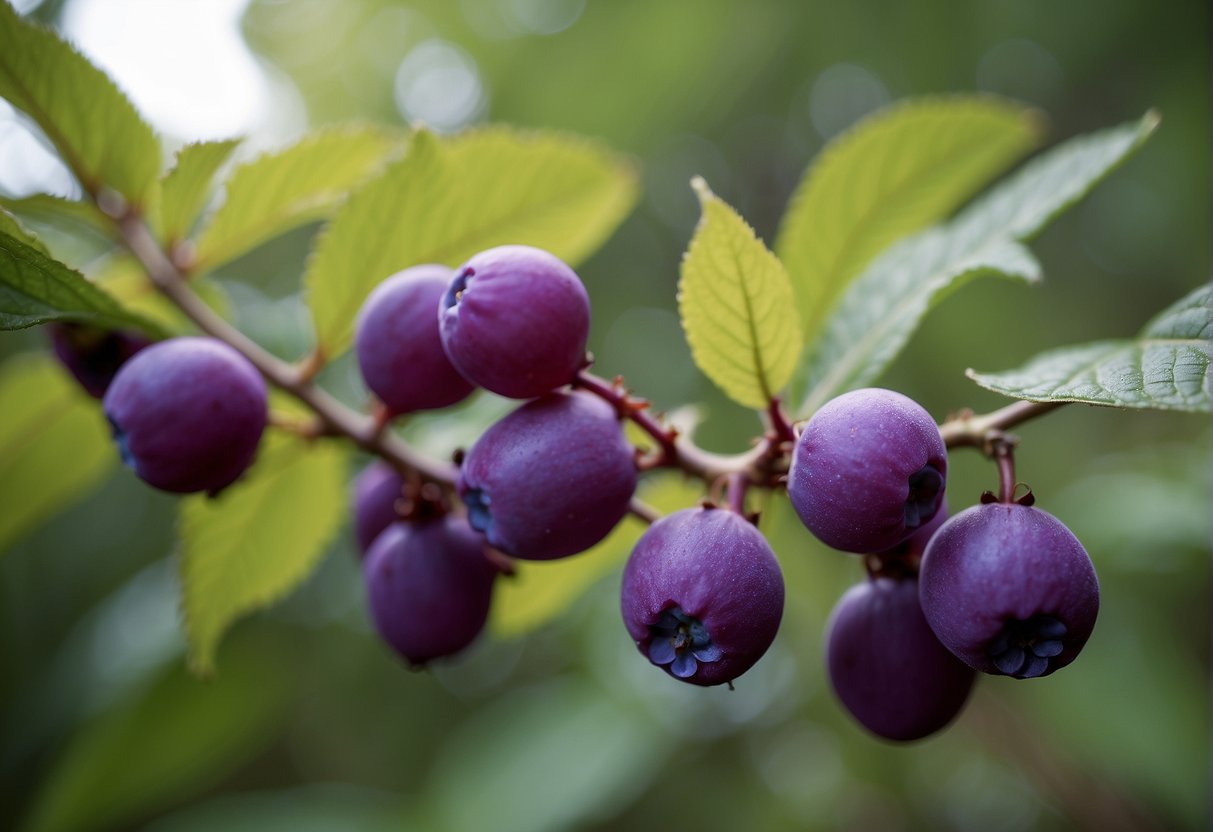
Should you desire to enhance your garden with an exceptional and visually striking plant, consider the American beautyberry (Callicarpa americana). This indigenous shrub is celebrated for its vivid purple berries that cluster along its limbs during the autumn season. However, one might wonder, in which locations does the American beautyberry thrive?
American beautyberry is native to the southeastern United States, from Texas to Florida and up to Maryland. It is found in a variety of habitats, including woodlands, forests, and along the edges of wetlands. The plant is well-adapted to the hot and humid conditions of the region, and can even tolerate occasional flooding.
If you’re interested in growing American beautyberry in your own garden, it’s important to understand its habitat and distribution. By mimicking the plant’s natural environment, you can help ensure its success in your landscape. Keep reading to learn more about this unique and beautiful shrub.
Key Takeaways
- American beautyberry is native to the southeastern United States, from Texas to Maryland.
- The plant is well-adapted to hot and humid conditions, and can tolerate occasional flooding.
- Understanding the plant’s habitat and distribution can help you successfully grow American beautyberry in your own garden.
Botanical Profile
Scientific Classification
American Beautyberry, also known as Callicarpa americana, is a deciduous shrub that belongs to the Lamiaceae family. The genus Callicarpa comprises around 140 species of shrubs and small trees that are native to tropical and subtropical regions of the world.
Physical Characteristics
American Beautyberry is a medium-sized shrub that can grow up to 10 feet tall and wide. It has green leaves that are ovate in shape and around 4 inches long. The leaves are arranged in an opposite pattern on the stem.
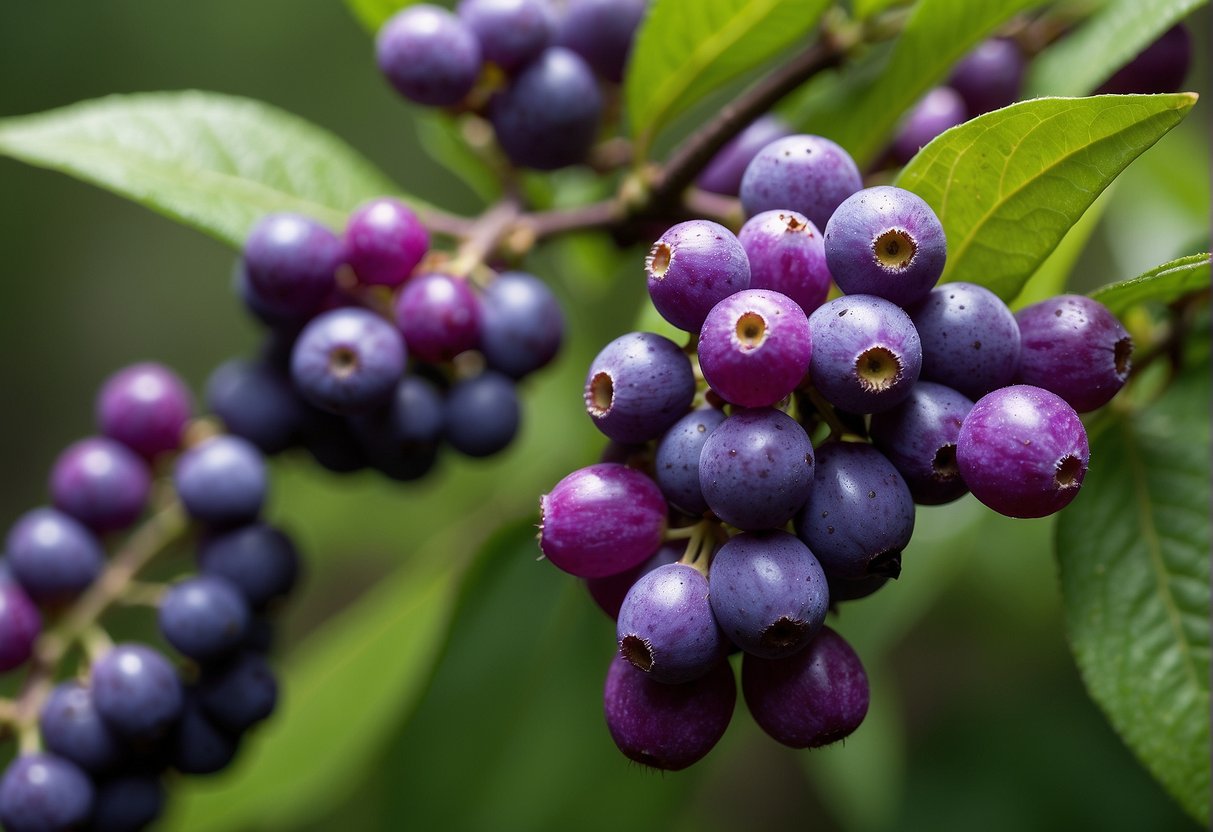
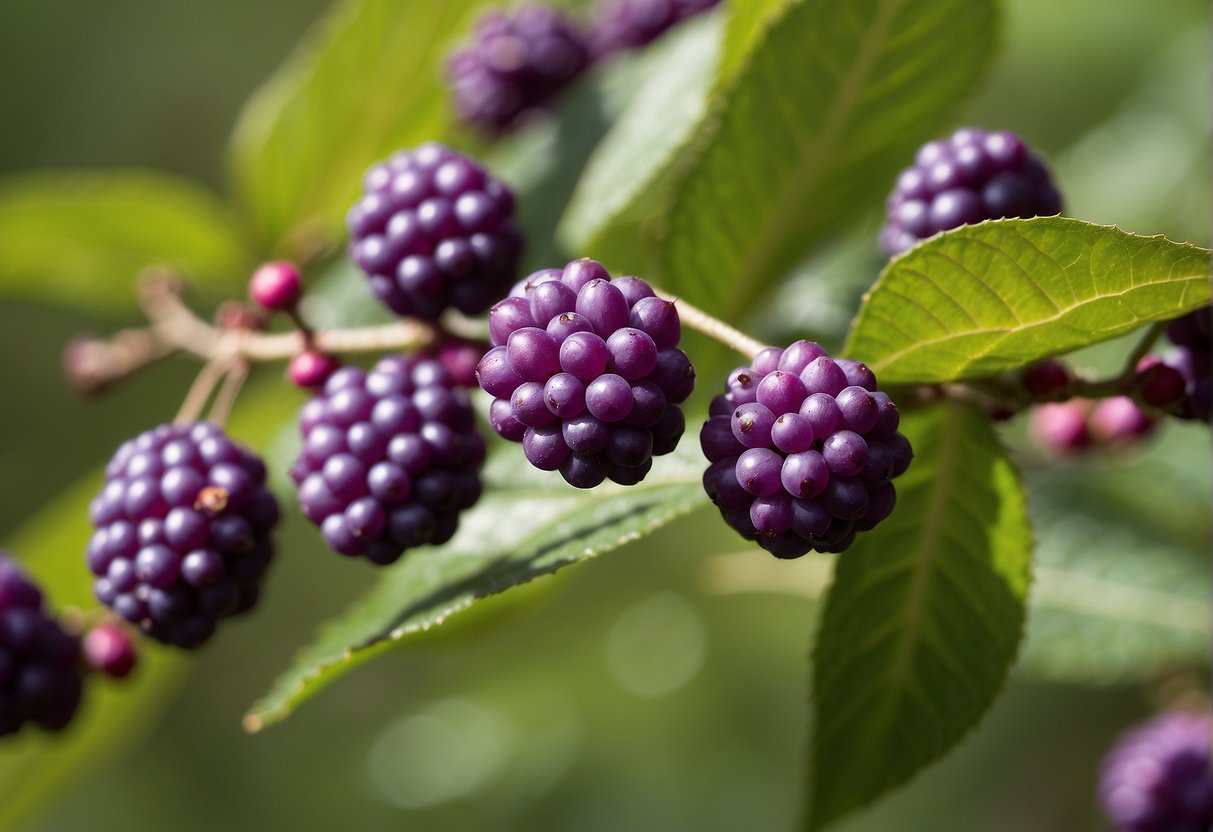
The shrub produces clusters of small, pink or purple flowers in the summer, which are followed by clusters of bright purple berries in the fall. The berries are approximately 1/4 inch in diameter and are tightly packed together in clusters that encircle the stem.
The foliage of American Beautyberry is green and unremarkable, but it is the clusters of purple berries that make this shrub stand out. The berries are not edible, but they are attractive to birds and other wildlife.
In terms of habitat, American Beautyberry is native to the southeastern United States, where it grows in woodlands, along stream banks, and in other moist, shaded areas. It can also be found in other parts of the country, but it is not as common.
Overall, American Beautyberry is an attractive and easy-to-grow shrub that can add a pop of color to your garden in the fall. Its clusters of bright purple berries are a standout feature, and they are sure to attract attention from both humans and wildlife alike.
Habitat and Distribution
If you are looking for American Beautyberry, you can find it growing in the southeastern United States. It is a native plant to North America and is commonly found in forested areas.
Native Regions
American Beautyberry is native to the United States, specifically in the southeastern region. It can be found in areas such as Texas, Oklahoma, Arkansas, Louisiana, Mississippi, Alabama, Georgia, Florida, South Carolina, and North Carolina.
Growth Zones
American Beautyberry grows best in USDA hardiness zones 7 through 10, which are characterized by mild winters and warm summers. It can also be found growing wild in other zones, but it may not thrive as well.
If you are looking to grow American Beautyberry in your own garden, it is important to note that it prefers well-drained soil and partial shade. It can also be propagated through cuttings or seeds.
Overall, American Beautyberry is a beautiful and unique plant that is well-suited to its native regions and growth zones.
Cultivation Requirements
If you are planning to grow American beautyberry, it is important to understand its cultivation requirements. Here are some key factors to consider:
Soil Preferences
American beautyberry prefers a well-drained soil that is moist but not waterlogged. It can tolerate a wide range of soil types, including sandy, loamy, and clay soils. However, it grows best in a slightly acidic soil with a pH range of 5.0 to 6.5.
Light and Temperature
American beautyberry prefers full sun to partial shade. It can tolerate a wide range of temperatures, from hot and humid summers to mild winters. However, it grows best in a warm and humid climate with a temperature range of 60 to 85 degrees Fahrenheit.
Watering and Humidity
American beautyberry requires regular watering during the growing season, especially during periods of drought. However, it is important to avoid overwatering, as this can lead to root rot and other fungal diseases. It also prefers a humid environment, so it is important to maintain a moderate level of humidity around the plant.
Overall, American beautyberry is a relatively easy plant to grow, as long as you provide it with the right conditions. By following these cultivation requirements, you can enjoy the beauty and benefits of this unique and useful plant.
Planting and Propagation
If you’re interested in growing American Beautyberry, you’ll be happy to know that it’s relatively easy to propagate. Here are some tips on how to propagate and plant American Beautyberry.
Propagation Methods
American Beautyberry can be propagated through seed or cuttings. Seeds can be collected from the berries in the fall and planted in the early spring. Cuttings can be taken from new growth in the spring or early summer. Softwood cuttings are the best for propagation, and rooting hormone can be used to increase the success rate.
Optimal Planting Time
The best time to plant American Beautyberry is in the early spring when the soil has warmed up. This will allow the plant to establish itself before the heat of summer arrives. Beautyberry prefers well-drained soil and partial shade. When planting, make sure to space the plants about 3-4 feet apart to allow for growth.
It’s also important to note that American Beautyberry can be grown in pots. This is a great option for those who don’t have a lot of space or want to move the plant around. When planting in a pot, make sure to choose a pot that is at least 18 inches in diameter and use a well-draining potting mix.
Overall, American Beautyberry is a great addition to any garden. With the right care and attention, you can enjoy its beautiful foliage and berries for years to come.
Growth and Maintenance
American beautyberry is a hardy shrub that is native to the southeastern United States. It is a popular choice for landscaping due to its attractive foliage and bright purple berries. Here are some tips on how to properly care for your American beautyberry.
Pruning and Shaping
American beautyberry is best pruned in late winter or early spring before new growth begins. Pruning should be done to remove any dead or damaged wood, as well as to shape the plant. It is important to avoid pruning too much of the new wood, as this will reduce the number of berries produced.
Fertilization and Mulching
American beautyberry does not require much fertilizer, but a light application of compost or slow-release fertilizer in the spring can help promote healthy growth. Mulching around the base of the plant can also help retain moisture and suppress weeds.
Pests and Diseases
American beautyberry is generally resistant to pests and diseases, but it can be susceptible to leaf spot and powdery mildew in humid conditions. Regular watering and good air circulation can help prevent these issues.
Overall, American beautyberry is a low-maintenance plant that requires little care once established. With proper pruning, fertilization, and mulching, your beautyberry will thrive and provide you with beautiful foliage and berries for years to come.
Seasonal Changes
American beautyberry is a deciduous shrub that undergoes seasonal changes throughout the year. Understanding these changes is important for gardeners and nature enthusiasts alike.
Flowering and Fruiting
In the spring, American beautyberry produces small pink flowers that attract pollinators. The bloom time usually occurs from April to June. After successful pollination, the shrub produces clusters of green berries that gradually turn purple as they mature. The fruit set typically occurs in late summer, and fruit production is highest in areas with adequate rainfall.
Fall and Winter Appearance
As the weather turns cooler, the leaves of American beautyberry begin to change color. In the fall, the foliage turns yellow and eventually drops from the plant. However, the purple berries remain on the branches throughout the winter months, providing a colorful contrast to the barren landscape.
If you are looking to add some interest to your winter garden, American beautyberry is an excellent choice. Its purple berries are not only attractive, but they also provide a food source for birds and other wildlife during the colder months.
Overall, American beautyberry is a hardy and versatile shrub that can thrive in a variety of conditions. Whether you are looking to attract pollinators in the spring or add some color to your winter garden, this plant is an excellent choice.
Wildlife and Ecological Benefits
The American beautyberry is a valuable plant in the wildlife garden, attracting birds and butterflies while also providing ecological benefits. Here are some of the ways in which this plant can benefit your garden and local ecosystem.
Attracting Birds and Butterflies
American beautyberry is known for attracting a variety of birds and butterflies to the garden. The plant’s bright purple berries are a favorite of many bird species, including thrushes, robins, and woodpeckers. Butterflies are also attracted to the plant’s nectar-rich flowers, which bloom in the summer months.
Use in Natural Habitats
American beautyberry is an important plant in natural habitats, providing food and shelter for a variety of wildlife species. The plant’s dense foliage provides cover for small animals such as rabbits and quail, while the berries are an important food source for songbirds and other wildlife.
In addition to its benefits for wildlife, American beautyberry is also a natural mosquito repellent, making it a great choice for gardeners looking to reduce their reliance on chemical insecticides.
In summary, American beautyberry is a valuable addition to any wildlife garden or natural habitat. Its attractive berries and nectar-rich flowers make it a favorite of birds and butterflies, while its dense foliage provides cover and shelter for a variety of wildlife species. So, if you’re looking to attract wildlife to your garden while also providing ecological benefits, consider planting American beautyberry today.
Landscape and Garden Uses
If you are looking for a native plant that can add some interest to your garden, American beautyberry (Callicarpa americana) is a great choice. This deciduous shrub is native to the southeastern United States and is known for its striking clusters of purple berries that appear in the fall. Here are some things to consider when using American beautyberry in your landscape or garden.
Design Considerations
American beautyberry is a versatile plant that can be used in a variety of ways in your landscape. It is a medium-sized shrub that typically grows to be 3-6 feet tall and wide, making it a good choice for mass plantings or as a specimen plant. The plant has an open, airy habit and can be used to fill in space in your garden or as a cover plant. It prefers full sun to part shade and can tolerate a range of soil types.
One thing to keep in mind when using American beautyberry in your garden is that it is deciduous, meaning it will lose its leaves in the winter. If you want to maintain some interest in your garden during the winter months, you may want to consider pairing American beautyberry with other plants that have winter interest, such as evergreens or plants with interesting bark or seed heads.
Companion Plants
American beautyberry can be paired with a variety of plants to create a beautiful and functional garden. Here are some companion plants that work well with American beautyberry:
-
Oakleaf hydrangea (Hydrangea quercifolia): This native shrub has beautiful white flowers in the summer and striking red foliage in the fall. It prefers part shade and moist, well-drained soil.
-
Eastern red columbine (Aquilegia canadensis): This native perennial has beautiful red and yellow flowers in the spring and early summer. It prefers part shade and well-drained soil.
-
Switchgrass (Panicum virgatum): This native grass has beautiful blue-green foliage and airy seed heads that turn golden in the fall. It prefers full sun and well-drained soil.
By pairing American beautyberry with these and other native plants, you can create a beautiful and functional garden that supports local wildlife and adds interest to your landscape.
Varieties and Related Species
American Beautyberry Varieties
American Beautyberry, also known as French Mulberry, is a deciduous shrub that is native to the southeastern United States. The plant produces clusters of bright purple berries that are popular with birds and other wildlife. There are several varieties of American Beautyberry, each with its own unique characteristics.
One of the most popular varieties is Callicarpa americana ‘Lactea’, which has white berries instead of purple. This variety is often used in landscaping to provide contrast to other plants and to brighten up shady areas.
Another variety is Callicarpa americana ‘Welch’s Pink’, which has pink berries instead of purple. This variety is less common than the others, but is still popular with gardeners who want to add a unique touch to their landscaping.
Similar Species
There are several related species of Callicarpa that are similar to American Beautyberry. One of the most popular is Callicarpa japonica, which is native to Japan and Korea. This species is often used in landscaping because of its attractive foliage and bright purple berries.
Another related species is Callicarpa dichotoma, which is native to China and Korea. This species is similar to American Beautyberry, but has smaller berries and is less cold hardy.
Overall, American Beautyberry is a popular and attractive plant that is easy to grow and maintain. Whether you are looking for a unique addition to your landscaping or simply want to attract wildlife to your yard, American Beautyberry is an excellent choice.
Frequently Asked Questions
What is the native range of the American beautyberry?
The American beautyberry, also known as Callicarpa americana, is native to the southeastern United States, including states such as Florida, Georgia, and Mississippi. It can also be found in parts of Mexico and Central America.
Can American beautyberry thrive in different climate zones?
While the American beautyberry is native to the southeastern United States, it can also thrive in other climate zones. It can tolerate a wide range of temperatures and can grow in both full sun and partial shade. However, it may not do as well in extremely cold climates.
What are the ideal growing conditions for a beautyberry bush?
The American beautyberry grows best in well-drained soils that are rich in organic matter. It prefers a slightly acidic soil pH between 5.5 and 6.5. The plant can grow in full sun or partial shade, but it may produce more berries in full sun. Regular watering is important, especially during periods of drought.
How does the American beautyberry differ from the Japanese variety?
The American beautyberry and the Japanese beautyberry (Callicarpa japonica) are similar in appearance, but there are some differences. The American beautyberry has larger leaves and produces larger, more vibrant berries. The Japanese beautyberry has smaller leaves and produces smaller, less showy berries.
Are there any common issues associated with growing American beautyberries?
One common issue with growing American beautyberries is deer browsing. The plant is a favorite food of deer, and they may eat the leaves and berries. Another issue is powdery mildew, which can affect the leaves of the plant. Regular pruning and proper spacing can help prevent these issues.
Is the American beautyberry considered an invasive species?
No, the American beautyberry is not considered an invasive species. It is a native plant that provides food and habitat for wildlife. However, it is important to avoid planting it in areas where it could spread and become a nuisance, such as near natural areas or waterways.

