
When Does the Butterfly Milkweed Bloom: A Guide to Its Flowering Season
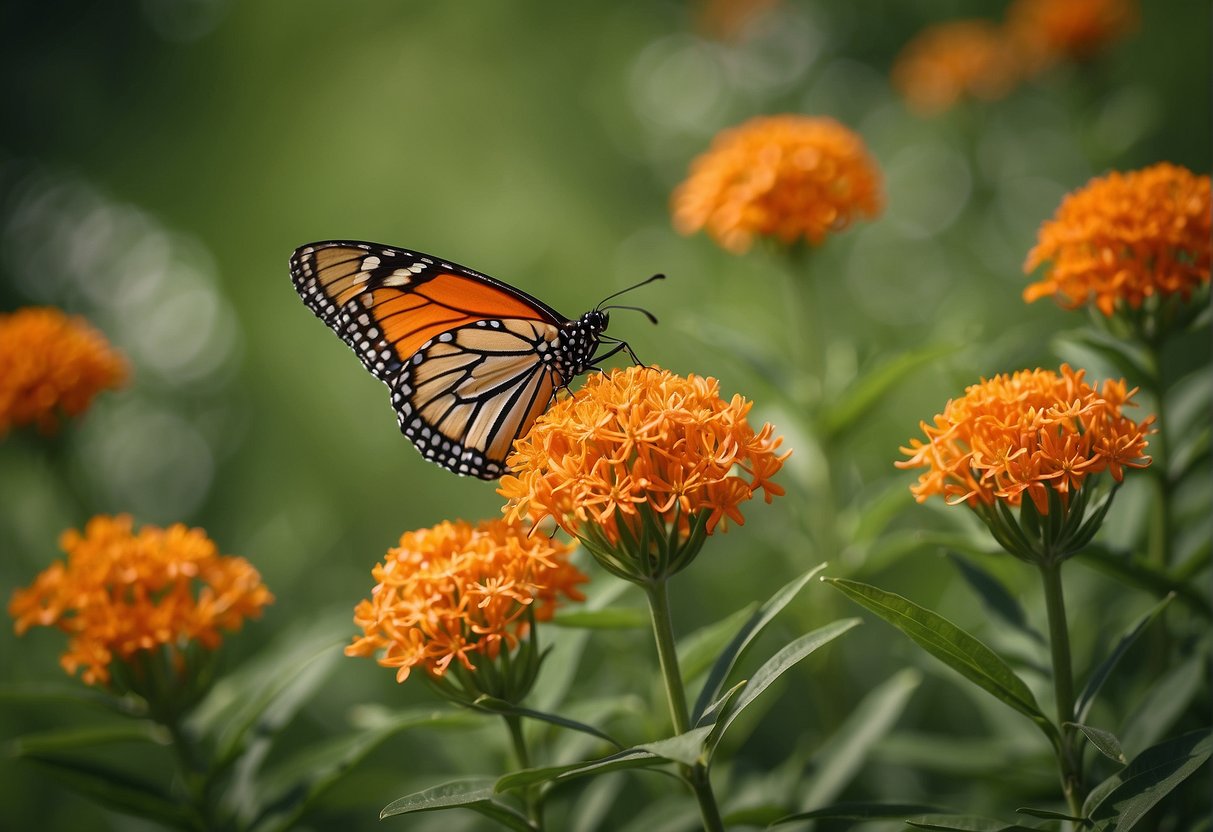
At what time does the butterfly milkweed flower? Known as butterfly weed or butterfly milkweed, Asclepias tuberosa is a perennial native that often graces gardens, meadows, and natural spaces. It’s known for its striking orange blossoms, which are a beloved attraction for butterflies and other pollinating creatures, thus playing a vital role in maintaining the health of the ecosystem. So, when does this gorgeous flora typically show its blooms?
The growth and blooming cycle of butterfly milkweed can vary depending on several factors, such as climate, soil conditions, and planting location. Generally, though, butterfly weed begins to bloom in early summer, typically in June or July. The blooming period can last for several weeks, and the flowers are known to be long-lasting and resilient, even in hot and dry conditions. So, if you’re looking to add some color to your garden or attract pollinators to your yard, butterfly milkweed is a great choice.
Key Takeaways
- Butterfly milkweed, also known as butterfly weed, is a native perennial that blooms in early summer.
- The blooming period can last for several weeks, and the flowers are known to be long-lasting and resilient.
- Butterfly milkweed is a popular choice for gardens, meadows, and natural areas due to its vibrant orange flowers and importance for ecological health.
Botanical Overview
When it comes to the butterfly milkweed, there are a few key things to keep in mind. This herbaceous perennial is a member of the Asclepias genus, which is part of the larger Milkweed family. If you’re looking for a plant that’s easy to care for and can add a pop of color to your garden, this might be the perfect choice.
Scientific Classification
The botanical name for butterfly milkweed is Asclepias tuberosa. It’s classified as a member of the Asclepias genus, which is part of the Apocynaceae family. This plant type is known for its showy flowers and its ability to attract butterflies and other pollinators.
Physical Characteristics
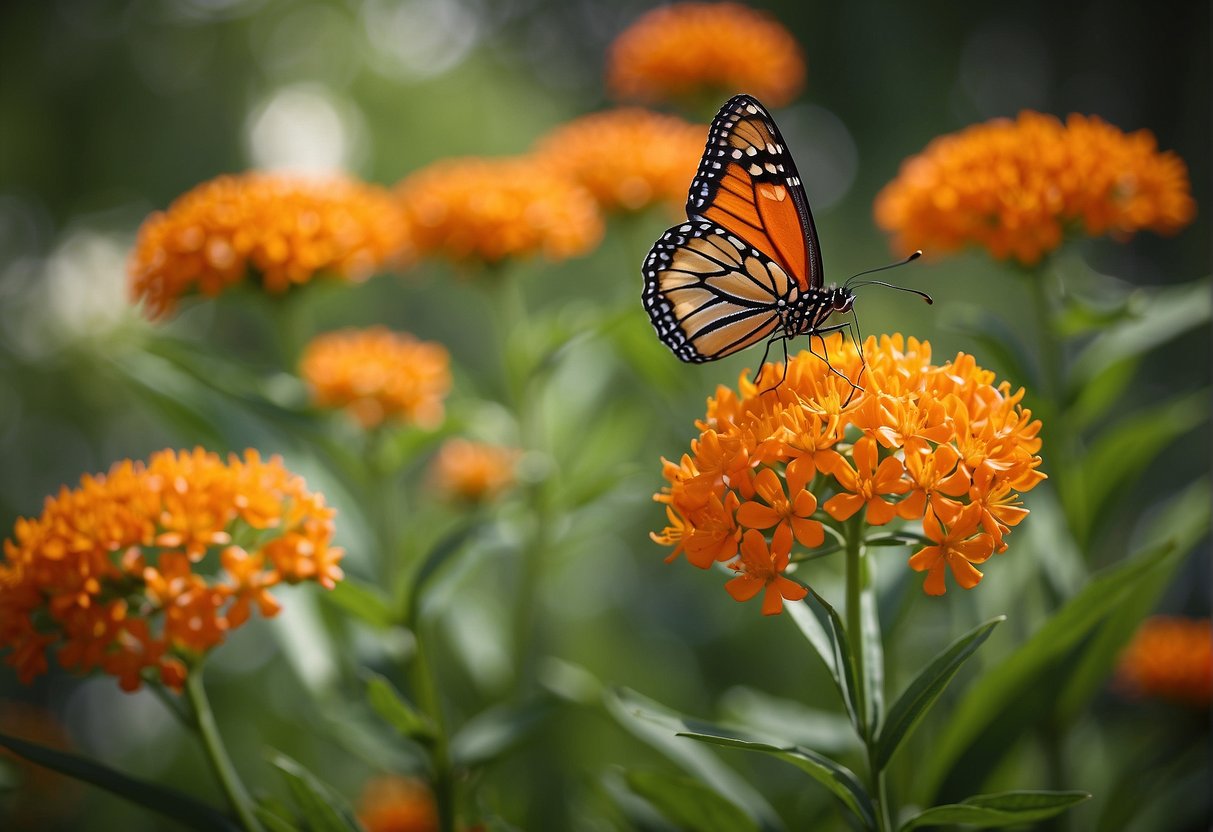
Butterfly milkweed is a perennial that typically grows to be about 1-2 feet tall. It has narrow, lance-shaped leaves that are a bright green color. The flowers are the real star of the show, though. They’re bright orange or yellow and are arranged in clusters at the top of the stem. Each flower has five petals and a distinctive, curved shape.
One of the things that makes butterfly milkweed so special is its ability to attract butterflies. The flowers are a source of nectar for many different species, and the leaves are also a food source for monarch butterfly larvae. This makes it a great choice for anyone who wants to create a butterfly-friendly garden.
Growth and Blooming Cycle
If you’re looking to grow butterfly milkweed, it’s important to understand its growth and blooming cycle. This will help you plan when to plant and when to expect blooms.
Germination and Seedling Stage
Butterfly milkweed seeds typically germinate in the spring, once soil temperatures reach around 70℉. It’s important to note that these seeds have a low germination rate, so it’s best to plant multiple seeds per pot or area.
Once the seeds have germinated, they will enter the seedling stage. During this time, it’s important to keep the soil moist but not waterlogged, and to provide plenty of sunlight. The seedlings will grow slowly during this stage, and it may take several weeks for them to reach a height of a few inches.
Flowering Timeframe
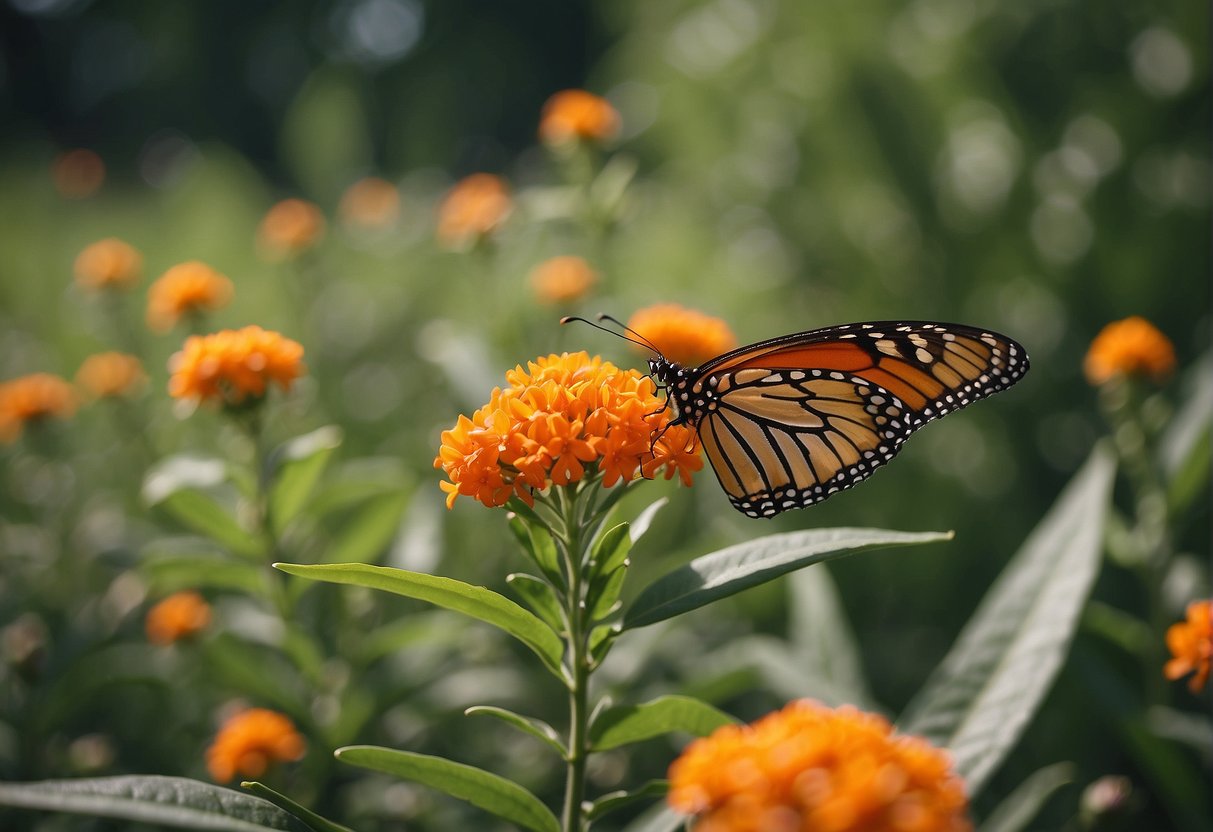
Butterfly milkweed plants typically bloom in the summer, with peak blooming occurring in late June or early July. The blooms are bright orange and attract a variety of pollinators, including butterflies and bees. The blooms will last for several weeks, providing a burst of color and activity in your garden.
Seed Pod Formation
After the blooms have faded, butterfly milkweed plants will begin to form seed pods. These pods will eventually split open, releasing the seeds inside. It’s important to note that butterfly milkweed is a perennial plant, so the same plant will bloom and produce seed pods year after year.
Overall, understanding the growth and blooming cycle of butterfly milkweed can help you successfully grow this beautiful and important plant in your garden. With proper care and attention, you can enjoy its bright blooms and support pollinator populations in your area.
Habitat and Planting Conditions
If you’re interested in growing butterfly milkweed, it’s important to understand the plant’s habitat and planting conditions. Below are some key factors to consider when planting butterfly milkweed:
Soil Requirements
Butterfly milkweed prefers well-drained soil and can thrive in a variety of soil types, including sandy, loamy, and clay soils. However, it’s important to note that butterfly milkweed does not tolerate wet or poorly-drained soils. If you’re planting in heavy clay soils, consider amending the soil with organic matter to improve drainage.
Light and Temperature
Butterfly milkweed needs full sun to thrive. It’s a prairie plant that’s adapted to hot and dry conditions, so it’s important to choose a planting site that receives at least six hours of direct sunlight per day. The plant is also tolerant of a wide range of temperatures, from hot summers to cold winters.
Site Selection
When selecting a site for butterfly milkweed, consider the plant’s natural habitat. Native to North America, butterfly milkweed is often found in prairies, meadows, and along roadsides. It can be grown in a variety of landscapes, including gardens, meadows, and natural areas.
When planting butterfly milkweed, be sure to space plants at least 12-18 inches apart to allow for adequate air circulation and to prevent overcrowding. With the right planting conditions, you can enjoy the beautiful blooms of butterfly milkweed and attract pollinators to your garden.
Planting and Care
When it comes to planting butterfly milkweed, there are a few things you should keep in mind to ensure that your plant thrives. Here are some tips for planting and caring for butterfly milkweed:
Propagation Methods
Butterfly milkweed can be propagated by both seeds and cuttings. If you’re starting from seed, it’s best to sow them directly in the ground in the fall. You can also start them indoors in the spring, but be sure to transplant them outside once the danger of frost has passed.
Watering and Fertilization
Butterfly milkweed prefers well-drained soil, so make sure to plant it in a spot that doesn’t get too waterlogged. Once established, it’s a fairly drought-tolerant plant, but it still needs regular watering during dry spells. Fertilize your plant once a year in the spring with a balanced fertilizer.
Pest and Disease Management
Butterfly milkweed is generally a hardy plant that doesn’t have too many issues with pests or diseases. However, it can be susceptible to aphids and spider mites. If you notice any infestations, you can spray your plant with a solution of water and dish soap to get rid of them. Be aware that butterfly milkweed has a milky sap that can irritate the skin, so it’s a good idea to wear gloves while handling it.
By following these simple tips for planting and caring for butterfly milkweed, you can enjoy this beautiful plant in your garden for years to come.
Ecological Significance
Butterfly milkweed is a crucial plant in many ecosystems due to its ecological significance. The plant plays an essential role in the survival of many pollinators and wildlife.
Pollinators and Wildlife
Butterfly milkweed is a significant source of nectar for various pollinators, such as bees, butterflies, and hummingbirds. The plant’s bright orange flowers attract these pollinators, providing them with the necessary nectar and pollen. The plant’s nectar also serves as a food source for many other insects, including beetles and wasps.
In addition to pollinators, butterfly milkweed is also a host plant for caterpillars. The leaves of the plant serve as the primary food source for monarch butterfly caterpillars. Monarch butterflies lay their eggs on the plant, and the emerging caterpillars feed on the leaves. The plant’s leaves contain toxic chemicals that help protect the caterpillars from predators.
Monarch Butterfly Relationship
The relationship between butterfly milkweed and monarch butterflies is particularly noteworthy. Monarch butterflies rely on the plant for their survival, as it is the primary food source for their caterpillars. The plant’s leaves contain toxic chemicals, which the caterpillars store in their bodies, making them toxic to predators.
Butterfly milkweed is also crucial to the monarch butterfly’s migration. Monarch butterflies migrate from Canada to Mexico each year, and they rely on the plant as a food source during their journey. The plant’s nectar provides the butterflies with the necessary energy to complete their migration.
In conclusion, butterfly milkweed plays a vital role in many ecosystems, providing food and habitat for pollinators and wildlife. The plant’s relationship with monarch butterflies is particularly noteworthy, as it serves as a host plant for their caterpillars and a food source for their migration. By planting butterfly milkweed in your butterfly garden or habitat, you can help support the survival of these essential species.
Conservation and Environmental Impact
Native Plant Importance
Butterfly milkweed is a native plant to North America and plays an important role in the ecosystem. It is a host plant for monarch butterfly larvae and supports a variety of pollinators, including bees and butterflies. As a native plant, it has adapted to the local climate and soil conditions, making it a hardy and sustainable option for landscaping and restoration projects.
In addition, the deep taproot of butterfly milkweed helps to prevent soil erosion and improve soil health, making it a valuable addition to conservation efforts. By planting butterfly milkweed, you can help support the local ecosystem and promote biodiversity in your area.
Invasive Species Concerns
While butterfly milkweed is a valuable native plant, it’s important to be aware of invasive species concerns. Some non-native milkweed species have been introduced to North America and can outcompete native species, potentially harming local ecosystems.
When selecting milkweed species for your garden or restoration project, it’s important to choose native species such as butterfly milkweed. By avoiding non-native species, you can help prevent the spread of invasive plants and promote the health of the local ecosystem.
Overall, butterfly milkweed is a valuable native plant that plays an important role in supporting pollinators and promoting biodiversity. By planting butterfly milkweed and avoiding non-native species, you can help support conservation efforts and protect the environment for future generations.
Frequently Asked Questions
What is the blooming season for Butterfly Milkweed?
Butterfly Milkweed blooms during the summer months, typically from June to August. The exact timing of the blooming season can vary depending on the location and climate. In some areas, the blooming season may begin earlier or later than expected.
How often does Butterfly Milkweed need to be replanted?
Butterfly Milkweed is a perennial plant, which means it grows back year after year. It does not need to be replanted annually. However, it is recommended to divide and replant the plant every three to four years to maintain its health and vigor.
What are the growth requirements for Butterfly Milkweed?
Butterfly Milkweed thrives in well-drained soil and full sun exposure. It can tolerate a range of soil types, including sandy and rocky soils. It is also drought-tolerant and does not require frequent watering once established.
How long does it take for Butterfly Milkweed to reach full maturity?
Butterfly Milkweed can take up to two to three years to reach full maturity. During this time, the plant will develop a deep root system and establish itself in the soil. Once mature, it can grow up to three feet tall and two feet wide.
Can Butterfly Milkweed thrive in partial shade conditions?
Butterfly Milkweed prefers full sun exposure and may not thrive in partial shade conditions. However, it can tolerate some shade, especially in hotter climates, as long as it receives at least six hours of direct sunlight per day.
Is regular pruning necessary for Butterfly Milkweed?
Butterfly Milkweed does not require regular pruning. However, deadheading the plant after blooming can encourage additional blooms and prevent self-seeding. It is also recommended to cut back the plant in the fall to prevent the spread of disease and pests.

