
How to Grow Butterfly Milkweed from Seeds: A Comprehensive Guide
Cultivating butterfly milkweed through seed propagation is an excellent method to enhance the ecosystem and lure gorgeous butterflies into your yard. This indigenous species is simple to cultivate from seeds and flourishes under diverse environmental conditions. Throughout this guide, we’ll walk you through the steps of raising butterfly milkweed from seeds, covering everything from getting to know the plant, to how to nurture it, and aid in supporting the ecosystem.
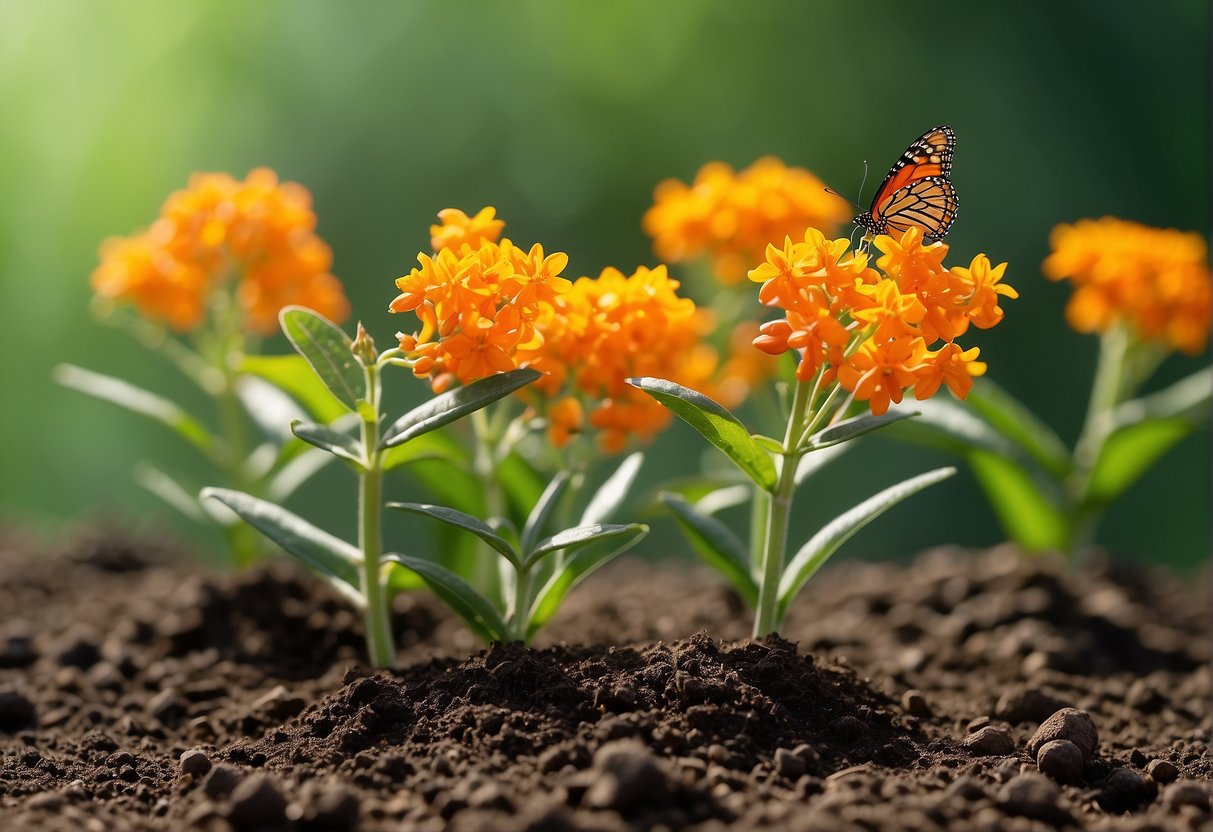
Understanding Milkweed: Before you start growing butterfly milkweed, it’s important to understand the plant and its characteristics. Milkweed is a native plant that is essential to the survival of monarch butterflies, as it is the only plant they lay their eggs on and the primary food source for their larvae. Butterfly milkweed, also known as Asclepias tuberosa, is a type of milkweed that is popular for its bright orange flowers and ability to attract a variety of butterflies and pollinators.
Preparation for Planting: To grow butterfly milkweed from seeds, you will need to prepare the soil and choose the right location for planting. Butterfly milkweed prefers well-draining soil and full sun, so choose a spot in your garden that gets at least six hours of direct sunlight per day. You can also plant butterfly milkweed in containers if you don’t have space in your garden.
Key Takeaways
- Understanding the characteristics of butterfly milkweed is important before planting.
- Preparing the soil and choosing the right location is crucial for successful growth.
- Caring for butterfly milkweed includes regular watering, pruning, and avoiding the use of pesticides.
Understanding Milkweed
Milkweed is a crucial plant for the survival of monarch butterflies. It is the only plant that monarch caterpillars can eat, and it also provides nectar for adult butterflies. In this section, we will discuss the importance of milkweed for monarchs and the different species of milkweed that you can grow.
The Importance of Milkweed for Monarchs
Monarch butterflies are facing a serious decline in population due to habitat loss, pesticide use, and climate change. Planting milkweed is one way that you can help support monarch populations. By providing milkweed, you are creating habitat for monarchs to lay their eggs and for caterpillars to eat. This can help increase the number of monarchs in your area and contribute to their overall survival.
Different Milkweed Species
There are many different species of milkweed, each with its own unique characteristics. Some common milkweed species include butterfly weed, swamp milkweed, asclepias syriaca, asclepias tuberosa, asclepias incarnata, showy milkweed, whorled milkweed, and asclepias verticillata.
Butterfly weed, also known as Asclepias tuberosa, is a popular milkweed species to grow in gardens. It produces bright orange flowers that attract butterflies and other pollinators. Swamp milkweed, or Asclepias incarnata, is another popular species that is native to wetland areas and can tolerate moist soil.
It is important to note that not all milkweed species are native to your area. When selecting a milkweed species to grow, it is best to choose one that is native to your region. Native milkweed species are adapted to the climate and soil conditions of your area and are more likely to thrive in your garden. Plus, they provide important habitat for local wildlife.
Preparation for Planting
Before planting butterfly milkweed seeds, it is important to properly prepare them to ensure successful germination. This involves two main steps: stratification and seed selection/storage.
Stratification Process
Butterfly milkweed seeds require a period of cold stratification in order to break their dormancy and stimulate germination. This process mimics the natural winter conditions that the seeds would experience in their native habitat. To stratify your seeds, follow these steps:
- Moisten a paper towel until it is damp, but not soaking wet.
- Spread your seeds out on the paper towel, leaving some space between each seed.
- Fold the paper towel over the seeds to cover them completely.
- Place the paper towel with the seeds inside a plastic bag or container.
- Label the container with the date and seed variety.
- Place the container in the refrigerator for 4-6 weeks.
During this time, the seeds will absorb moisture and the cold temperature will break down their natural inhibitors, allowing them to germinate when planted.
Seed Selection and Storage
When selecting butterfly milkweed seeds, it is important to choose high-quality, viable seeds. Look for seeds that are plump, firm, and free from damage or discoloration. You can also perform a simple seed viability test by placing a few seeds in a glass of water. The viable seeds will sink to the bottom, while any non-viable seeds will float to the surface.
Proper seed storage is also crucial for maintaining seed viability. Keep your seeds in a cool, dry place, such as a sealed container in the refrigerator. Avoid exposing them to moisture or extreme temperatures, as this can damage the seeds and reduce their viability.
By properly preparing your butterfly milkweed seeds through stratification and careful selection/storage, you can increase your chances of successful germination and a thriving butterfly garden.
Planting Milkweed Seeds
If you want to grow butterfly milkweed from seeds, it’s important to know the right time to plant, the ideal soil and location, and the proper planting process. Here are some tips to help you successfully plant milkweed seeds.
When to Plant
The best time to plant milkweed seeds is in late fall or late spring, when the soil is warm and moist. If you’re starting your seeds indoors, you can plant them any time of year. Just make sure to provide enough light and water to help them grow.
Soil and Location
Butterfly milkweed prefers full sun and well-drained soil. If you’re planting your seeds in a garden, choose a location that gets at least six hours of sunlight each day. If you’re planting in a container, make sure it has drainage holes and use a potting mix that is specifically designed for growing milkweed.
The Planting Process
To plant milkweed seeds, follow these steps:
-
Prepare the soil: Remove any weeds or debris from the planting area and loosen the soil to a depth of about 6 inches.
-
Plant the seeds: Scatter the seeds over the soil and cover them with a thin layer of soil. If you’re planting in a container, plant the seeds about 1/4 inch deep.
-
Water the seeds: Water the soil gently but thoroughly, making sure not to wash away the seeds. Keep the soil moist but not waterlogged until the seeds germinate.
-
Care for the seedlings: Once the seedlings emerge, thin them out so that each plant is about 12-18 inches apart. Water the plants regularly and fertilize them with a balanced fertilizer every few weeks.
By following these tips, you can successfully grow butterfly milkweed from seeds and enjoy the beautiful flowers and wildlife it attracts.
Caring for Milkweed Plants
Growing butterfly milkweed from seeds is a rewarding experience, but it requires proper care to ensure healthy growth and blooming. Here are some essential tips to help you care for your milkweed plants:
Watering and Light Requirements
Milkweed plants require moderate watering, especially during the first few weeks after planting. Once the plants are established, they can tolerate some drought. However, avoid overwatering as it can lead to root rot.
Butterfly milkweed thrives in full sun, so make sure to plant it in a location that receives at least 6 hours of direct sunlight per day. If you live in a hot climate, consider providing some shade during the hottest part of the day to prevent scorching.
Managing Pests and Diseases
Milkweed plants are generally not affected by pests or diseases, but they can attract some insects, including aphids and milkweed bugs. To manage these pests, consider using natural remedies such as neem oil or insecticidal soap. Avoid using toxic pesticides that can harm beneficial insects such as bees and butterflies.
Fertilization and Pruning
Milkweed plants do not require frequent fertilization, but you can apply a balanced fertilizer once or twice a year to promote healthy growth. Avoid using high-nitrogen fertilizers that can stimulate excessive foliage growth at the expense of blooming.
Pruning is not necessary for milkweed plants, but you can remove dead or damaged stems and leaves to promote new growth. If you want to control the size of your milkweed plants, consider cutting back the stems by one-third in late spring.
By following these tips, you can ensure that your butterfly milkweed plants thrive in your garden. Happy gardening!
Supporting the Ecosystem
When you grow butterfly milkweed from seeds, you are not only beautifying your garden but also supporting the ecosystem. Here are some ways that butterfly milkweed can help attract pollinators and beneficial insects, and create a butterfly garden.
Attracting Pollinators and Beneficial Insects
Butterfly milkweed is a great source of nectar for pollinators such as bees, butterflies, and other insects. This plant is also a host plant for monarch butterfly caterpillars, providing a habitat for them to grow and thrive. By planting butterfly milkweed in your garden, you can help support the declining monarch butterfly population and other wildlife.
Creating a Butterfly Garden
Butterfly milkweed is a great addition to a butterfly garden. To create a butterfly garden, choose plants that provide nectar and host plants for caterpillars. Some other great plants to include in a butterfly garden are coneflowers, black-eyed susans, and bee balm. By creating a butterfly garden, you can attract a variety of butterflies and other wildlife to your yard.
In conclusion, growing butterfly milkweed from seeds is a great way to support the ecosystem and attract pollinators and beneficial insects to your garden. By providing a habitat for monarch caterpillars and other wildlife, you can help support the environment and create a beautiful butterfly garden.
Propagation and Expansion
If you want to grow butterfly milkweed from seeds, there are two main methods you can use: seed pod collection and propagation, and using cuttings for growth.
Seed Pod Collection and Propagation
The first step in propagating butterfly milkweed from seed is to collect the seed pods. You can do this in the fall, after the pods have turned brown and started to split open. Once you have collected the pods, you should remove the seeds and let them dry for a few days.
To improve germination rates, you can cold stratify the seeds by placing them in a plastic bag with some damp sand or vermiculite and storing them in the refrigerator for several weeks. After stratification, you can plant the seeds in a well-draining soil mix and keep them moist until they germinate.
Once the seedlings have grown a few inches tall, you can transplant them to their permanent location in the garden. Butterfly milkweed prefers full sun and well-draining soil, so make sure to choose a spot that meets these requirements.
Using Cuttings for Growth
Another way to propagate butterfly milkweed is by using cuttings. This method is especially useful if you have a mature plant that you want to expand or if you want to create a backup plant in case your seeds don’t germinate.
To take cuttings, choose a stem that is at least 6 inches long and has several sets of leaves. Use a clean, sharp pair of scissors or pruning shears to make a clean cut just below a node (where the leaves attach to the stem). Remove the leaves from the bottom half of the cutting, leaving only a few at the top.
Dip the cut end of the stem in rooting hormone and plant it in a well-draining soil mix. Keep the soil moist and the cutting in a warm, bright location (but out of direct sunlight) until it roots. Once it has rooted, you can transplant it to its permanent location in the garden.
Overall, whether you choose to propagate butterfly milkweed from seed or cuttings, the process is relatively straightforward and can yield beautiful results. With a little patience and care, you can expand your butterfly milkweed population and enjoy its vibrant orange blooms year after year.
Milkweed in Different Regions
Adapting to Various Hardiness Zones
Butterfly milkweed is a native plant species in North America and can be found in various regions across the continent. It is a hardy plant that can adapt to different hardiness zones, ranging from zone 3 to 9. Before planting butterfly milkweed seeds, it is important to determine which hardiness zone you live in to ensure the plant can survive in your region.
If you live in a colder region, it is recommended to start the seeds indoors in late winter or early spring. This will give the plants enough time to mature before the first frost. In warmer regions, the seeds can be planted directly in the ground during the spring or fall.
Native vs. Invasive Species
It is important to note that not all milkweed species are native to North America. Some species, such as tropical milkweed, are invasive and can harm the native milkweed population. It is recommended to only plant native milkweed species, such as butterfly milkweed, to help support the monarch butterfly population.
Native milkweed species have evolved with the monarch butterfly and provide the necessary nutrients and habitat for their survival. In addition, native milkweed species produce a milky sap that is toxic to predators, which helps protect the monarch butterfly and other insects that feed on the plant.
In conclusion, growing butterfly milkweed from seeds is a great way to support the monarch butterfly population. By understanding the different regions and hardiness zones, as well as the importance of planting native milkweed species, you can successfully grow butterfly milkweed in your garden.
Safety and Maintenance
Toxicity Concerns for Humans and Pets
Butterfly milkweed is generally safe to grow, but it is important to be aware of potential toxicity concerns. The plant contains a chemical called cardiac glycoside, which can be harmful if ingested in large amounts. While the risk of toxicity is low, it is still important to take precautions when handling the plant.
When working with butterfly milkweed, it is recommended that you wear gloves to protect your skin from any potential irritation. If you have pets or small children, it is also important to keep the plant out of reach to prevent accidental ingestion. If you suspect that your pet has ingested butterfly milkweed, contact your veterinarian immediately.
Overwintering and Annual Care
Butterfly milkweed is a low-maintenance plant that requires minimal care once established. However, it is important to take steps to ensure that the plant survives the winter and comes back strong in the spring.
In the fall, cut back the dead foliage to about 6 inches above the ground. This will help prevent disease and protect the plant from harsh winter weather. If you live in a particularly cold climate, you may want to consider mulching around the base of the plant to provide additional insulation.
In the spring, remove the mulch and any dead foliage that may have accumulated over the winter. Butterfly milkweed is a hardy plant that can withstand a wide range of growing conditions, but it is important to monitor it for signs of disease or pest infestation.
By following these simple maintenance tips, you can enjoy the beauty of butterfly milkweed year after year while keeping your family and pets safe.
Plant Characteristics
Identifying Milkweed Varieties
Butterfly milkweed, also known as Asclepias tuberosa, is a species of milkweed that is native to North America. It is a perennial plant that grows up to 3 feet tall and 1-2 feet wide. The plant has a deep taproot that allows it to tolerate drought conditions. The leaves of butterfly milkweed are narrow and lance-shaped, and they are arranged alternately on the stem. The leaves are also hairy, which helps to protect the plant from insects.
Butterfly milkweed produces clusters of bright orange or yellow flowers that bloom from June to August. The flowers are small and star-shaped, and they are a favorite of butterflies, bees, and other pollinators. After the flowers have been pollinated, the plant produces long, narrow seed pods that contain the seeds of the plant.
Understanding Growth Patterns
Butterfly milkweed is a slow-growing plant that requires patience and care to grow from seed. The seeds of butterfly milkweed are small and light, and they are easily carried by the wind. They require a period of cold stratification to germinate, which means that they need to be exposed to cold temperatures for several weeks before they will sprout.
Once the seeds have germinated, the plant will grow slowly at first. It will take several years for the plant to reach its full size, but once it is established, it will require little maintenance. Butterfly milkweed prefers full sun and well-drained soil, and it is tolerant of a wide range of soil types. It is also drought-tolerant, which makes it an excellent choice for xeriscaping.
In summary, butterfly milkweed is a beautiful and beneficial plant that is easy to grow from seed. By understanding the plant’s characteristics and growth patterns, you can successfully cultivate this plant in your garden and provide a valuable food source for pollinators.
Frequently Asked Questions
What is the best method for germinating butterfly milkweed seeds?
The best method for germinating butterfly milkweed seeds is to start them indoors. Sow the seeds in a seed-starting mix and keep them moist. It’s important to keep the soil temperature between 70-75°F (21-24°C) to ensure proper germination. Once the seedlings have grown a few inches tall, they can be transplanted outdoors.
Can butterfly milkweed be grown indoors from seed, and if so, how?
Yes, butterfly milkweed can be grown indoors from seed. Sow the seeds in a seed-starting mix and keep the soil moist. It’s important to keep the soil temperature between 70-75°F (21-24°C) to ensure proper germination. Once the seedlings have grown a few inches tall, they can be transplanted outdoors.
What are the necessary steps for cold stratifying butterfly milkweed seeds before planting?
Cold stratification is the process of exposing seeds to cold temperatures to simulate winter conditions. To cold stratify butterfly milkweed seeds, mix them with moist sand or vermiculite and place them in a plastic bag. Store the bag in the refrigerator for 4-6 weeks. After the stratification period, sow the seeds in a seed-starting mix and keep them moist.
When is the ideal time of year to plant butterfly milkweed seeds?
The ideal time to plant butterfly milkweed seeds is in the fall, after the first frost. This allows the seeds to undergo a natural cold stratification process over the winter. If planting in the spring, it’s important to cold stratify the seeds before sowing.
Is it possible to grow butterfly milkweed directly in the ground from seeds?
Yes, it is possible to grow butterfly milkweed directly in the ground from seeds. Sow the seeds in well-draining soil and keep the soil moist. It’s important to keep the soil temperature between 70-75°F (21-24°C) to ensure proper germination. Once the seedlings have grown a few inches tall, thin them out to allow for proper spacing.
What are the instructions for growing butterfly milkweed in pots from seeds?
To grow butterfly milkweed in pots from seeds, sow the seeds in a potting mix and keep the soil moist. It’s important to keep the soil temperature between 70-75°F (21-24°C) to ensure proper germination. Once the seedlings have grown a few inches tall, transplant them to larger pots or outdoors. Make sure the pots have good drainage and are placed in a sunny location.

