
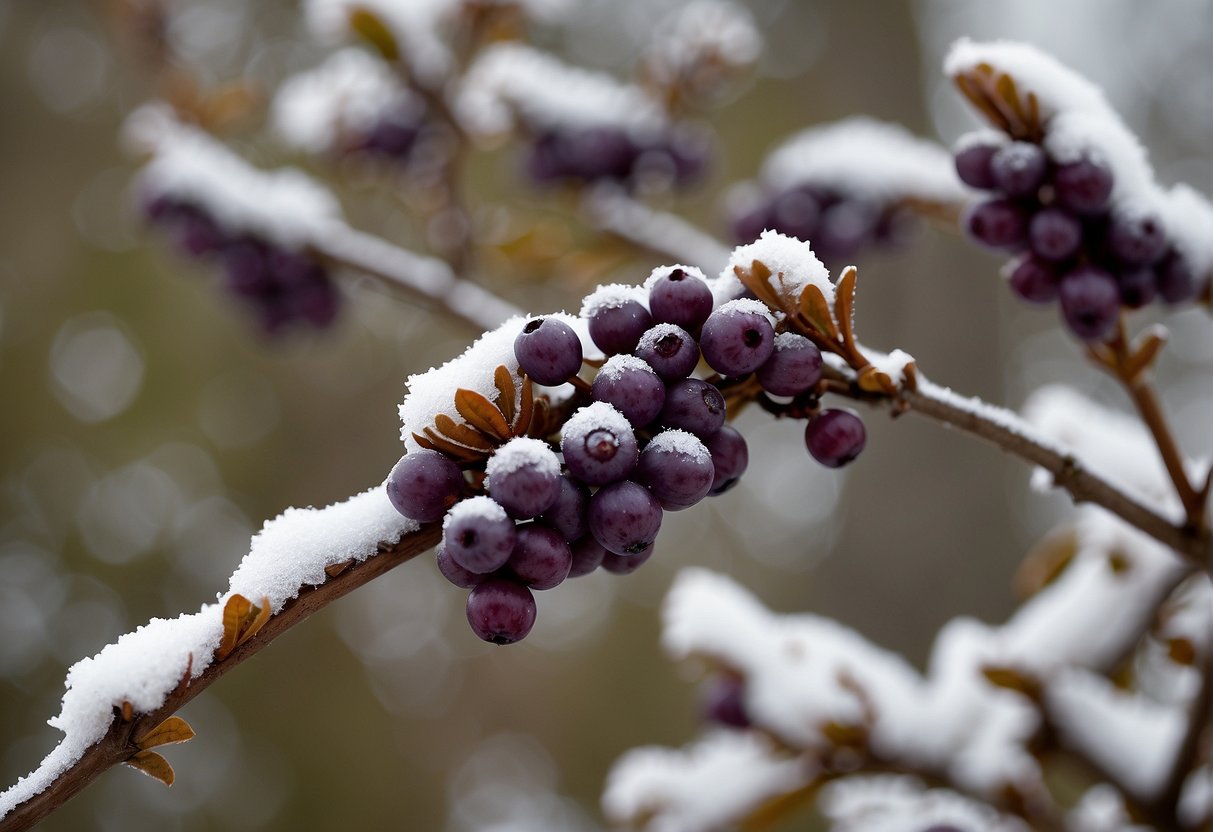
When to Prune Beautyberry Bushes: A Guide for Gardeners
Maintaining your beautyberry bushes involves considering pruning as a crucial factor. Implementing the right pruning methods can enhance the health of your plant, lead to more vivid leaves, and prolong its life. Nonetheless, determining the optimal time to prune your beautyberry bushes might seem challenging. In this article, we’ll explore the ideal period for pruning your beautyberry bushes, and provide an overview of simple pruning strategies and advice to assist you in nurturing your plant.
Understanding Beautyberry
Beautyberry (Callicarpa) is a genus of shrubs and small trees that are native to the Americas and East Asia. They are known for their striking purple or pink berries that grow in clusters along the stems of the plant. Beautyberry bushes are relatively easy to care for and can thrive in a variety of soil types and light conditions. However, proper pruning is essential to maintain the health and aesthetic appeal of the plant. In the next section, we will delve into the basics of pruning and how to care for your beautyberry.
Key Takeaways
- Pruning is an essential aspect of maintaining the health and aesthetic appeal of your beautyberry bushes.
- The best time to prune your beautyberry bushes is in late winter or early spring.
- Proper pruning techniques can help your plant grow healthier, produce more vibrant foliage, and increase its overall lifespan.
Understanding Beautyberry
Species Overview
Beautyberry, also known as Callicarpa, is a genus of shrubs native to North America and Southeast Asia. The American beautyberry (Callicarpa americana) is a popular native species in the southeastern United States, while the Japanese beautyberry (Callicarpa dichotoma) and French mulberry (Callicarpa bodinieri) are commonly grown in other regions. There are also several varieties and cultivars of beautyberry available, such as Welch’s Pink.
Optimal Growing Conditions
Beautyberry shrubs prefer well-drained soil and partial shade, although they can tolerate full sun in cooler climates. They are relatively low-maintenance plants, but they benefit from regular watering during dry spells. Beautyberry is also known for its ability to attract birds, as the bright purple berries are a favorite food source.
Significance of Pruning
Pruning is an important part of maintaining healthy and attractive beautyberry shrubs. Proper pruning can help control the size and shape of the plant, promote new growth, and increase berry production. It is recommended to prune beautyberry in late winter or early spring before new growth begins. Remove any dead or damaged branches, as well as any crossing or rubbing branches. You can also selectively prune to encourage a fuller, more compact shape.
Overall, understanding the basic characteristics and needs of beautyberry shrubs can help you grow healthy and beautiful plants that will provide years of enjoyment.
Pruning Basics
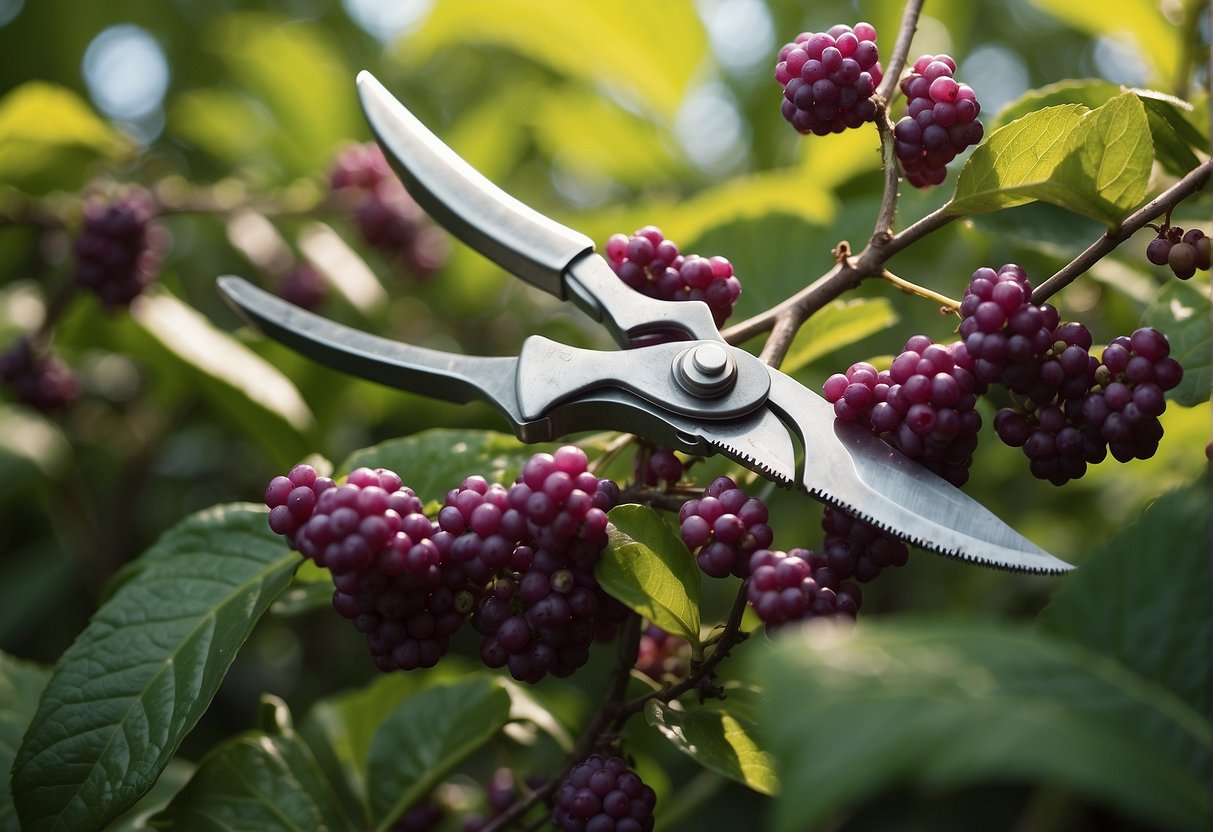
When it comes to pruning beautyberry bushes, there are a few basics that you should keep in mind. Proper pruning will help to keep your bushes healthy and looking their best.
Best Time to Prune
The best time to prune your beautyberry bushes is in late winter or early spring, before new growth begins. This will allow you to shape the bush and remove any dead or damaged branches without damaging new growth.
Tools for Pruning
To prune your beautyberry bushes, you will need a few basic tools. Loppers are great for cutting thicker branches, while pruning shears are ideal for smaller branches. Make sure that your tools are sharp and clean before you begin pruning.
Pruning Techniques
When pruning your beautyberry bushes, it’s important to use the right techniques. Start by removing any dead or damaged branches, cutting them back to healthy wood. Next, remove any branches that are crossing or rubbing against each other. Finally, shape the bush by cutting back any long, straggly branches.
Pruning can also be used to rejuvenate an older beautyberry bush. To do this, cut back the entire bush to about 6 inches above the ground in late fall or early winter. This will encourage new growth in the spring and help to keep the bush healthy for years to come.
By following these pruning basics, you can help to keep your beautyberry bushes healthy and looking their best.
Caring for Beautyberry
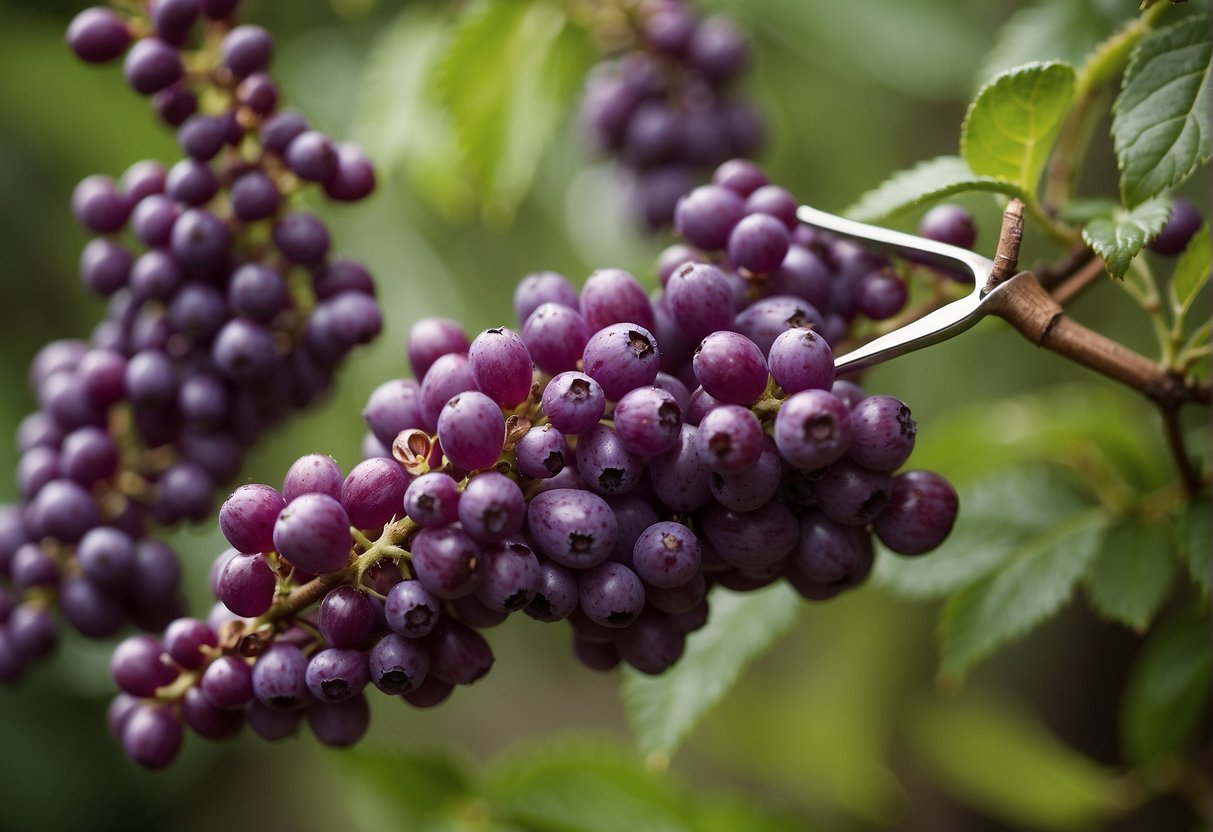
Beautyberry bushes are a beautiful addition to any garden, with their vibrant purple berries and delicate pink flowers. These shrubs are relatively low maintenance, but they do require some care to thrive.
Soil and Water Requirements
Beautyberry bushes prefer well-drained soil that is rich in organic matter. They can tolerate a range of soil types, but they thrive in slightly acidic soil with a pH between 5.5 and 6.5. It is important to ensure that the soil is moist but not waterlogged, as standing water can cause root rot.
Water your beautyberry bush deeply once a week, or more frequently during hot, dry weather. Be sure to water the soil around the plant, rather than the leaves, to prevent fungal diseases.
Sunlight and Temperature
Beautyberry bushes prefer full sun to partial shade, but they can tolerate some shade. They are hardy in zones 6 to 10, and can tolerate temperatures as low as -10°F (-23°C).
Fertilization and Mulching
Fertilize your beautyberry bush in the spring with a balanced fertilizer, such as a 10-10-10 or 20-20-20 blend. Apply the fertilizer around the base of the plant, and water it in well.
Mulching around the base of the plant can help to conserve moisture and suppress weeds. Use a layer of organic mulch, such as shredded leaves or bark chips, and apply it to a depth of 2 to 3 inches.
By following these simple care guidelines, you can help your beautyberry bush to thrive and produce an abundance of beautiful berries year after year.
Aesthetic and Health Maintenance
When it comes to beautyberry bushes, pruning is an important part of maintaining their health and aesthetic appeal. By pruning at the right time and in the right way, you can promote blooms and berries while also managing disease and pest problems.
Promoting Blooms and Berries
If you want your beautyberry bush to produce an abundance of flowers and berries, it’s important to prune it at the right time. The best time to prune is in late winter or early spring, before new growth begins. This will allow you to remove any dead or damaged wood and shape the plant to your desired size and shape.
When pruning, be sure to remove any branches that are crossing or rubbing against each other, as well as any weak or spindly growth. This will help to promote healthy growth and encourage the plant to produce more blooms and berries.
Disease and Pest Management
While beautyberry bushes are generally hardy and resistant to disease and pests, they can still be susceptible to certain problems. To help prevent these issues, it’s important to practice good maintenance habits, such as pruning regularly and keeping the area around the plant clean and free of debris.
If you do notice any signs of disease or pest problems, such as yellowing leaves or insect infestations, it’s important to take action right away. This may involve pruning away affected branches or using an appropriate pesticide or fungicide to treat the problem.
By following these tips for aesthetic and health maintenance, you can help your beautyberry bush to thrive and produce beautiful blooms and berries for years to come.
Propagation and Planting
If you’re interested in propagating beautyberry bushes, there are a few methods you can try. The most common method is through softwood cuttings. Cuttings should be taken in the summer when the plant is actively growing. Make sure to take cuttings from healthy, disease-free plants. Dip the cuttings in rooting hormone and plant them in a well-draining soil mix. Keep the soil moist and the cuttings in a warm, bright location. Roots should develop in 4-6 weeks.
Another way to propagate beautyberry is through seed. Collect the berries in the fall and extract the seeds. Sow the seeds in a well-draining soil mix and keep the soil moist. Germination should occur in 2-4 weeks.
Beautyberry Propagation Methods
There are two main methods for propagating beautyberry: softwood cuttings and seed. Softwood cuttings are taken in the summer and rooted in a well-draining soil mix. Seeds are collected in the fall and sown in a well-draining soil mix.
Planting and Spacing
When planting beautyberry, make sure to choose a location with well-draining soil and full sun to partial shade. The mature size of beautyberry can vary depending on the cultivar, but most will reach a height and width of 4-6 feet. To create a mass planting, space the bushes 4-6 feet apart. Beautyberry can also be grown in containers, but make sure to choose a large enough container to accommodate the mature size of the plant.
Landscape and Wildlife Benefits
Beautyberry shrubs are a great addition to any garden, not only for their attractive green leaves but also for their stunning flower color. However, beautyberry bushes also offer a range of landscape and wildlife benefits that make them an excellent choice for any garden design.
Attracting Birds and Wildlife
Beautyberry bushes are known for their ability to attract a variety of birds and other wildlife. The bright purple berries that appear in the fall are a favorite food source for many bird species, including bluebirds, robins, and thrushes. Additionally, the dense foliage of the beautyberry shrub provides excellent cover and nesting sites for birds and other small animals.
Using Beautyberry in Garden Design
Beautyberry shrubs are versatile plants that can be used in a variety of garden designs. They are particularly well-suited for use in borders and woodland areas, where their bright foliage and purple berries can add a pop of color to the landscape. Additionally, beautyberry bushes can be used to create natural screens and hedges, providing both beauty and privacy to your outdoor space.
When it comes to garden design, it’s important to choose plants that not only look great but also offer a range of benefits to the local ecosystem. Beautyberry bushes are a great choice for anyone looking to create a beautiful and wildlife-friendly garden.
Special Considerations
When it comes to pruning beautyberry bushes, there are a few special considerations to keep in mind. These considerations include managing invasive species and understanding the different beautyberry varieties and cultivars.
Managing Invasive Species
One important consideration when pruning beautyberry bushes is managing invasive species. While beautyberry is not considered an invasive plant, it is important to be aware of any invasive species that may be growing in your area. Invasive species can quickly take over an area, crowding out native plants and disrupting the local ecosystem.
If you are pruning beautyberry bushes in an area where invasive species are present, it is important to take steps to prevent the spread of these plants. This may include removing any invasive species you come across while pruning, or taking steps to control their spread.
Beautyberry Varieties and Cultivars
Another important consideration when pruning beautyberry bushes is understanding the different varieties and cultivars available. Beautyberry bushes come in a variety of colors and sizes, and different varieties may have different pruning needs.
For example, Welch’s Pink beautyberry is a popular cultivar that produces bright pink berries. This variety prefers partial shade and may require more pruning than other varieties to maintain its shape.
Lactea beautyberry, on the other hand, is a hardier variety that can tolerate full sun and light shade. This variety may require less pruning than other varieties to maintain its shape.
When pruning beautyberry bushes, it is important to understand the specific needs of your particular variety or cultivar. This will help ensure that you are pruning your bushes correctly and promoting healthy growth.
Overall, by keeping these special considerations in mind, you can ensure that your beautyberry bushes remain healthy and vibrant for years to come.
Frequently Asked Questions
What is the best time of year to prune beautyberry bushes?
The best time to prune beautyberry bushes is in late winter or early spring, before new growth begins. This is typically between late February and early March in most regions. Pruning during this time allows the plant to focus its energy on producing new growth and flowers during the upcoming growing season.
How should I properly prune a beautyberry bush?
When pruning a beautyberry bush, start by removing any dead, diseased, or damaged wood. Then, selectively remove some of the oldest stems to encourage new growth. Cut back the remaining stems to a height of 12-18 inches. Make sure to use clean, sharp pruning shears to make clean cuts and avoid damaging the plant.
Can beautyberry bushes be pruned during winter?
It is not recommended to prune beautyberry bushes during winter, as this can cause damage to the plant. Pruning during the winter months can expose the plant to cold temperatures and increase the risk of frost damage. It is best to wait until late winter or early spring to prune a beautyberry bush.
Is it necessary to prune beautyberry bushes annually?
Pruning beautyberry bushes annually is not necessary, but it can help to maintain the plant’s shape and promote healthy growth. If left unpruned, beautyberry bushes can become overgrown and lose their shape. Pruning can also help to remove dead or diseased wood and promote new growth.
What are the signs that a beautyberry bush needs pruning?
Signs that a beautyberry bush needs pruning include overgrown or misshapen branches, dead or diseased wood, and reduced flowering. Pruning can help to promote new growth and improve the plant’s overall health and appearance.
Are there any specific pruning techniques for Callicarpa varieties?
Callicarpa varieties, including beautyberry bushes, should be pruned using the same techniques as other shrubs. Start by removing any dead, diseased, or damaged wood, and then selectively remove some of the oldest stems to encourage new growth. Cut back the remaining stems to a height of 12-18 inches. Avoid over-pruning, as this can reduce flowering and damage the plant.

