
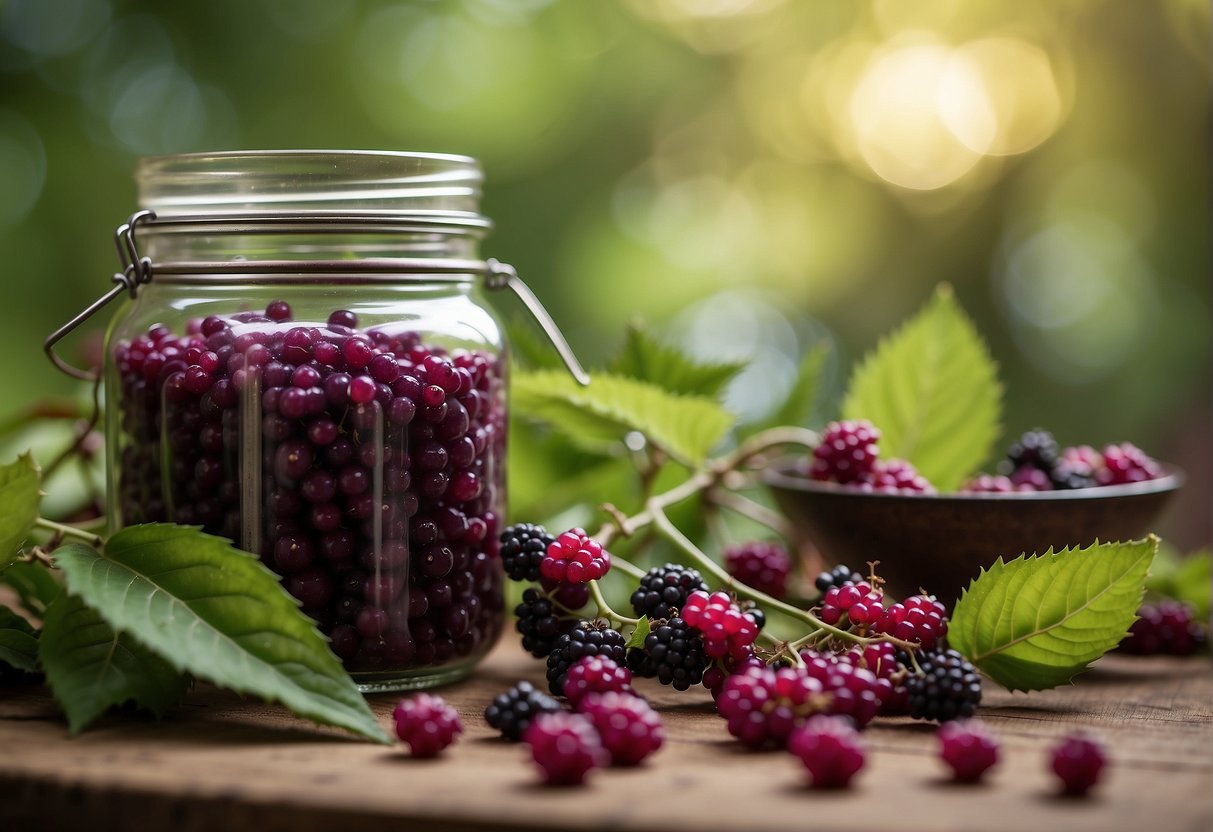
Beautyberry Tincture: How to Make It at Home
Should natural remedies catch your interest, you’re likely familiar with the concept of a beautyberry tincture. This concoction, crafted from the foliage and fruits of the beautyberry bush, is celebrated for its healing qualities and has a long history of use among Native American tribes in the southeastern part of the United States. This piece will delve into the advantages of employing beautyberry tincture, outline the steps to create it, and discuss its various uses.
Understanding Beautyberry
Beautyberry, also known as Callicarpa americana, is a plant native to the southeastern United States. It grows in the wild and can also be cultivated in gardens. The plant produces clusters of bright purple berries that are rich in antioxidants and other beneficial compounds. Beautyberry has been used for centuries by indigenous people for various medicinal purposes, including treating fever, dysentery, and rheumatism.
Health Benefits and Medicinal Uses
Beautyberry is known for its anti-inflammatory, antiviral, and antibacterial properties. It has been used to treat a variety of ailments, including colds, flu, and digestive issues. Beautyberry tincture is a popular way to consume the plant’s beneficial compounds and has been used to treat everything from insect bites to menstrual cramps.
Key Takeaways
- Beautyberry tincture is made from the leaves and berries of the beautyberry plant, which is native to the southeastern United States.
- The plant has a long history of use in traditional medicine and is known for its anti-inflammatory, antiviral, and antibacterial properties.
- Beautyberry tincture can be used to treat a variety of ailments, including colds, flu, and digestive issues.
Understanding Beautyberry
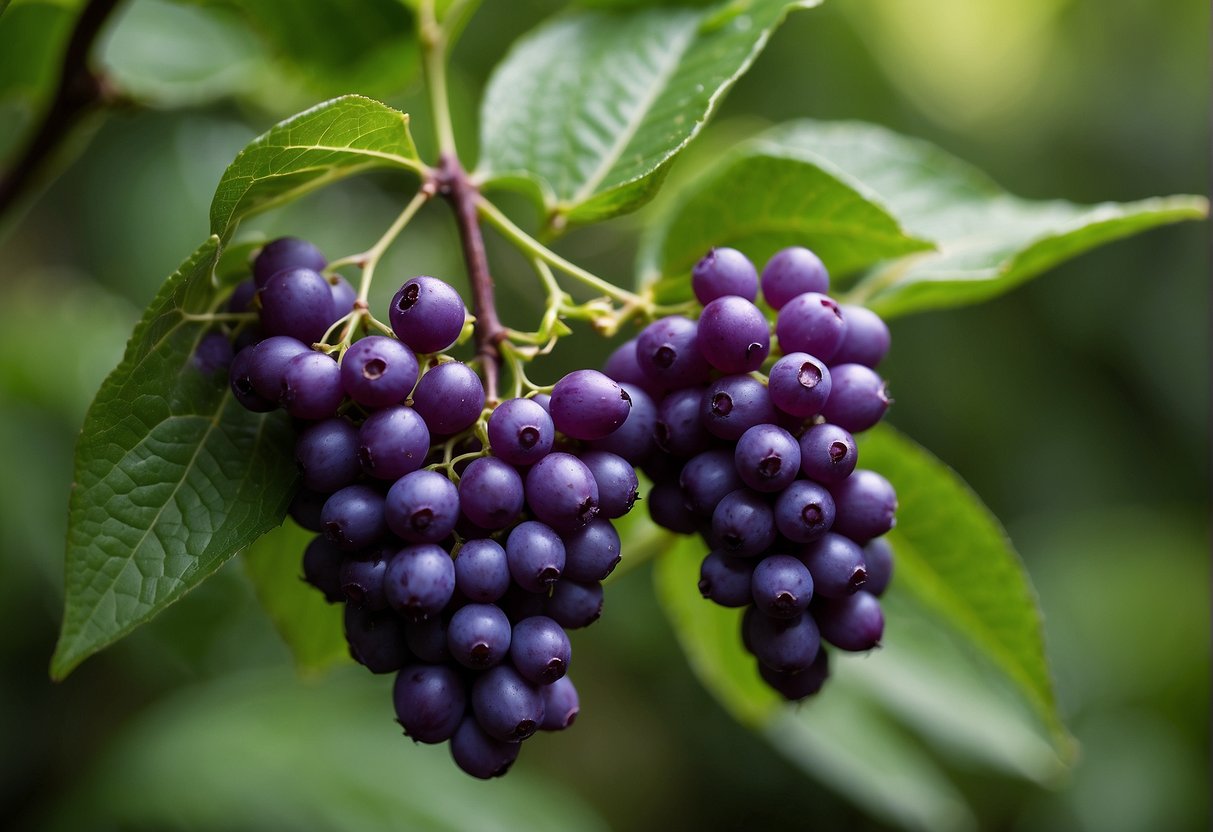
Beautyberry, also known as Callicarpa americana, is a deciduous shrub native to the southeastern United States. The plant is known for its striking purple berries, which grow in clusters along the stems and branches.
Botanical Profile
The beautyberry plant typically grows to be 3-5 feet tall and wide, with long, arching branches. The leaves are simple and opposite, and can range in color from light green to yellow-green. The plant blooms in the summer, producing small, pink or white flowers that are not particularly showy.
The berries are the most distinctive feature of the beautyberry plant. They are about the size of a pea and have a bright, metallic purple color. The berries are not edible, but they have been used for medicinal purposes by Native Americans for centuries.
Historical Use by Native Americans
The beautyberry plant has a long history of use by Native American tribes, including the Choctaw, Creek, Koasati, and Seminole. The berries were used to treat a variety of ailments, including colic, fever, and rheumatism. The leaves and roots of the plant were also used in traditional medicine.
Cultivation and Harvesting
Beautyberry is a relatively easy plant to grow, and can be cultivated in most areas of the southeastern United States. The plant prefers partial shade and moist, well-drained soil. It can be propagated from seed or from cuttings.
The berries are typically harvested in the fall, after they have ripened and turned a deep purple color. They can be used to make a tincture, which is a concentrated liquid extract that is made by soaking the berries in alcohol or vinegar.
Overall, beautyberry is a fascinating plant with a rich history of use by Native Americans. If you are interested in growing and harvesting your own beautyberry, be sure to do your research and follow proper cultivation and harvesting techniques.
Health Benefits and Medicinal Uses
Antioxidant and Anti-Inflammatory Effects
Beautyberry tincture is known for its potent antioxidant and anti-inflammatory properties. The tincture contains compounds like flavonoids and phenolic acids that help to reduce inflammation in the body and fight oxidative stress. This makes it an excellent natural remedy for conditions like rheumatism, fever, and infections.
Antibacterial and Antiviral Properties
The beautyberry plant has been traditionally used to treat bacterial and viral infections. Recent studies have shown that beautyberry tincture has antibacterial and antiviral properties that can help to fight against harmful pathogens. In fact, the tincture has been found to be effective against MRSA, a type of bacteria that is resistant to many antibiotics.
Traditional Remedies for Common Ailments
Beautyberry tincture has been used in traditional medicine for centuries to treat a variety of common ailments. The tincture is believed to be effective in treating conditions like malaria, fever, and rheumatism. It is also used to boost the immune system and promote overall health and well-being.
Overall, beautyberry tincture is a natural remedy that has many health benefits and medicinal properties. Its antioxidant, antibacterial, and antiviral effects make it a powerful tool in fighting against harmful pathogens and reducing inflammation in the body. If you are looking for a natural way to improve your health and well-being, beautyberry tincture may be worth considering.
Beautyberry Tincture Preparation
Ingredients and Equipment
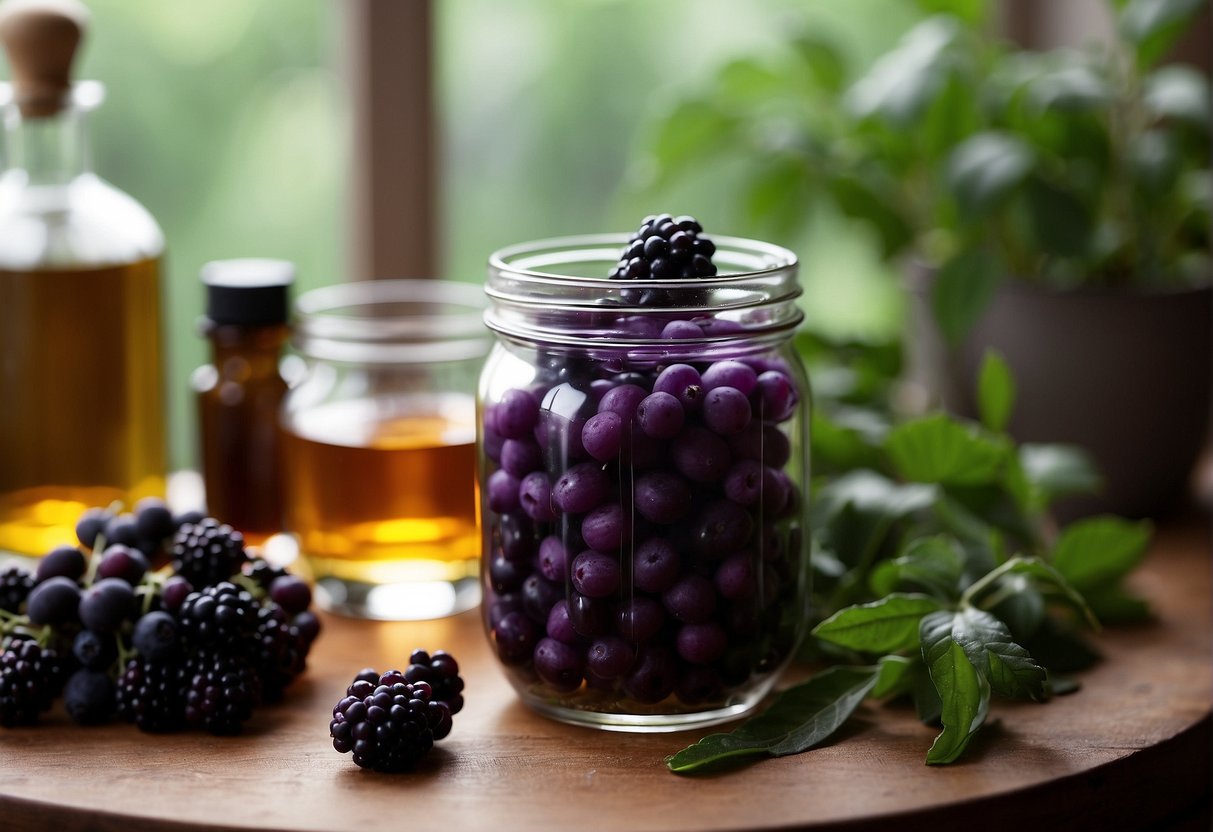
To prepare beautyberry tincture, you will need the following ingredients and equipment:
- Fresh or dried beautyberries
- High-proof alcohol (such as vodka or Everclear)
- Sugar (optional)
- Cheesecloth
- Glass jar with a tight-fitting lid
Step-by-Step Guide
-
Start by thoroughly washing the beautyberries and removing any stems or leaves. If you are using dried beautyberries, skip this step.
-
Crush the beautyberries using a mortar and pestle or a food processor. This will help release their juices and make them easier to infuse.
-
Place the crushed beautyberries in a glass jar. Fill the jar about halfway full.
-
Pour enough alcohol over the beautyberries to cover them completely. If you are using fresh berries, you may need to add a little bit of water to the jar to help the alcohol penetrate the berries.
-
If desired, add sugar to the jar. This will help balance out the tartness of the beautyberries and make the tincture more palatable.
-
Seal the jar tightly with a lid and shake it vigorously to mix the ingredients.
-
Store the jar in a cool, dark place for at least 4 weeks. Shake the jar every few days to help the ingredients infuse.
-
After 4 weeks, strain the tincture through a cheesecloth to remove any solids. Squeeze the cheesecloth to extract as much liquid as possible.
-
Transfer the tincture to a clean glass jar and store it in a cool, dark place until ready to use.
Storage and Preservation
Beautyberry tincture can be stored in a cool, dark place for up to 2 years. To extend its shelf life, store it in the refrigerator or freezer. When properly stored, beautyberry tincture can retain its potency and flavor for a long time.
Practical Applications of Beautyberry Tincture
Beautyberry tincture has a wide range of practical applications, from repelling insects to treating skin conditions and internal ailments.
As an Insect Repellent
Beautyberry tincture has been used for centuries as a natural insect repellent. The active ingredient in beautyberry, callicarpenal, has been shown to be effective against mosquitoes and ticks. To use as an insect repellent, simply apply a small amount of the tincture to your skin or clothing before going outdoors.
Skin Care and Conditions
Beautyberry tincture can also be used to treat a variety of skin conditions, including eczema and insect bites. The anti-inflammatory properties of beautyberry can help reduce redness and swelling, while the natural compounds in the plant can help soothe and heal damaged skin. To use as a skin treatment, apply the tincture directly to the affected area.
Internal Use and Dosage
In addition to its external applications, beautyberry tincture can also be taken internally to treat a variety of ailments. The tincture has been used to treat nausea, dysentery, and even malarial fevers. However, it is important to note that beautyberry can cause an allergic reaction in some people, so it is important to start with a small dosage and monitor your body’s response.
When taking beautyberry tincture internally, it is recommended to dilute it in water or juice before consuming. The dosage will vary depending on the individual and the ailment being treated, so it is best to consult with a healthcare professional before starting a beautyberry tincture regimen.
In summary, beautyberry tincture has a variety of practical applications, from repelling insects to treating skin conditions and internal ailments. However, it is important to use caution when using beautyberry tincture and to consult with a healthcare professional before starting a new regimen.
Safety and Side Effects
When using beautyberry tincture, it is important to be aware of potential allergies and reactions, as well as any contraindications or interactions with other medications or supplements you may be taking. Here are some important things to keep in mind:
Potential Allergies and Reactions
While beautyberry is generally considered safe for most people, there is always a risk of allergic reactions. If you have a known allergy to plants in the Lamiaceae family, such as mint or lavender, you may be more likely to have an allergic reaction to beautyberry. Symptoms of an allergic reaction may include rash, hives, itching, swelling, difficulty breathing, or dizziness. If you experience any of these symptoms after taking beautyberry tincture, stop use immediately and seek medical attention.
Contraindications and Interactions
Beautyberry tincture may interact with certain medications or supplements, so it is important to talk to your healthcare provider before taking it if you are currently taking any medications or supplements. Additionally, there are some contraindications to be aware of. For example, beautyberry tincture may lower blood pressure, so it should not be taken by individuals with low blood pressure or those taking medication to lower blood pressure. It is also not recommended for use during pregnancy or while breastfeeding.
Overall, beautyberry tincture is considered safe when used as directed. However, it is always important to be aware of potential side effects and to talk to your healthcare provider before taking any new supplements or medications. If you experience any adverse reactions, stop use immediately and seek medical attention.
Complementary Uses of Beautyberry
Beautyberry is not only a beautiful plant but also has a variety of complementary uses. Here are some of the ways you can utilize beautyberry in your daily life.
Culinary Delights
Beautyberry is not only an ornamental plant but also an edible one. Its berries have a slightly sweet and astringent flavor and can be used in a variety of culinary delights. You can make beautyberry jelly, beautyberry recipes, beautyberry tea, and even beautyberry jello.
To make beautyberry jelly, you will need to harvest the berries and boil them with sugar and pectin. The result is a delicious jelly that can be used as a spread on toast or as a glaze for meats.
Beautyberry tea is another popular way to enjoy the plant’s flavor. Simply steep the leaves and berries in hot water for a few minutes and enjoy the refreshing taste.
Ornamental Landscaping
Beautyberry is a stunning plant that can add an extra touch of beauty to your garden. Its vibrant purple berries are a sight to behold and can attract a variety of birds and other wildlife.
You can use beautyberry in a variety of ways in your landscaping. Plant it as a hedge or border, or use it as a focal point in your garden. Its bright purple berries can add a pop of color to any landscape.
Overall, beautyberry is a versatile plant that can be used in a variety of ways. Whether you’re looking to add some flavor to your cooking or some beauty to your garden, beautyberry is a great choice.
Conservation and Sustainability
When it comes to making beautyberry tincture, it’s important to consider the conservation and sustainability of the beautyberry plant. Beautyberry is native to the southeastern United States and is an important plant for both wildlife and humans.
If you’re foraging for beautyberry, it’s important to only take what you need and leave the rest for the wildlife that rely on it for food. Additionally, make sure to only harvest from areas where it’s legal to do so and avoid areas that have been sprayed with pesticides or other chemicals.
To ensure the sustainability of the beautyberry plant, consider growing your own. Beautyberry is easy to grow and can thrive in a variety of conditions. By growing your own, you can ensure a steady supply of beautyberry without putting additional strain on wild populations.
When making your beautyberry tincture, consider using organic alcohol and other ingredients to minimize the impact on the environment. By making conscious choices, you can enjoy the benefits of beautyberry while also supporting its conservation and sustainability.
Frequently Asked Questions
What are the steps for creating a beautyberry tincture?
To create a beautyberry tincture, you will need fresh or dried beautyberry leaves, stems, and berries. First, chop the plant material into small pieces and place them in a glass jar. Next, cover the plant material with high-proof alcohol, such as vodka or grain alcohol. Finally, seal the jar and store it in a cool, dark place for several weeks, shaking it occasionally. After a few weeks, strain the liquid and store the tincture in a dark glass bottle.
How can beautyberry tincture be incorporated into a daily wellness routine?
Beautyberry tincture can be added to water, tea, or juice and consumed daily as a natural supplement. It can also be used topically by applying it to the skin to soothe insect bites, rashes, and other skin irritations.
What are the potential health benefits of using beautyberry tincture?
Beautyberry tincture is believed to have anti-inflammatory and antioxidant properties, making it useful for reducing inflammation, boosting the immune system, and improving overall health. It is also used to treat skin conditions, such as eczema and psoriasis, and to relieve pain and swelling.
Can beautyberry tincture be used as a natural mosquito repellent, and if so, how?
Yes, beautyberry tincture can be used as a natural mosquito repellent. To use it, dilute the tincture with water and apply it to the skin or clothing. It is important to note that while beautyberry tincture may repel mosquitoes, it is not a substitute for other mosquito repellents such as DEET.
What is the proper dosage for consuming beautyberry tincture?
The proper dosage of beautyberry tincture depends on the individual’s age, weight, and health status. It is recommended to start with a small dose and gradually increase it as needed. Consult with a healthcare professional before using beautyberry tincture.
Are there any special considerations when harvesting beautyberries for tincture preparation?
When harvesting beautyberries for tincture preparation, it is important to only use the leaves, stems, and berries of the plant. Avoid using any other parts of the plant, as they may be toxic. Additionally, make sure to properly identify the plant and harvest it from a clean, pesticide-free environment.

