
What is a Beautyberry Bush? A Clear Explanation
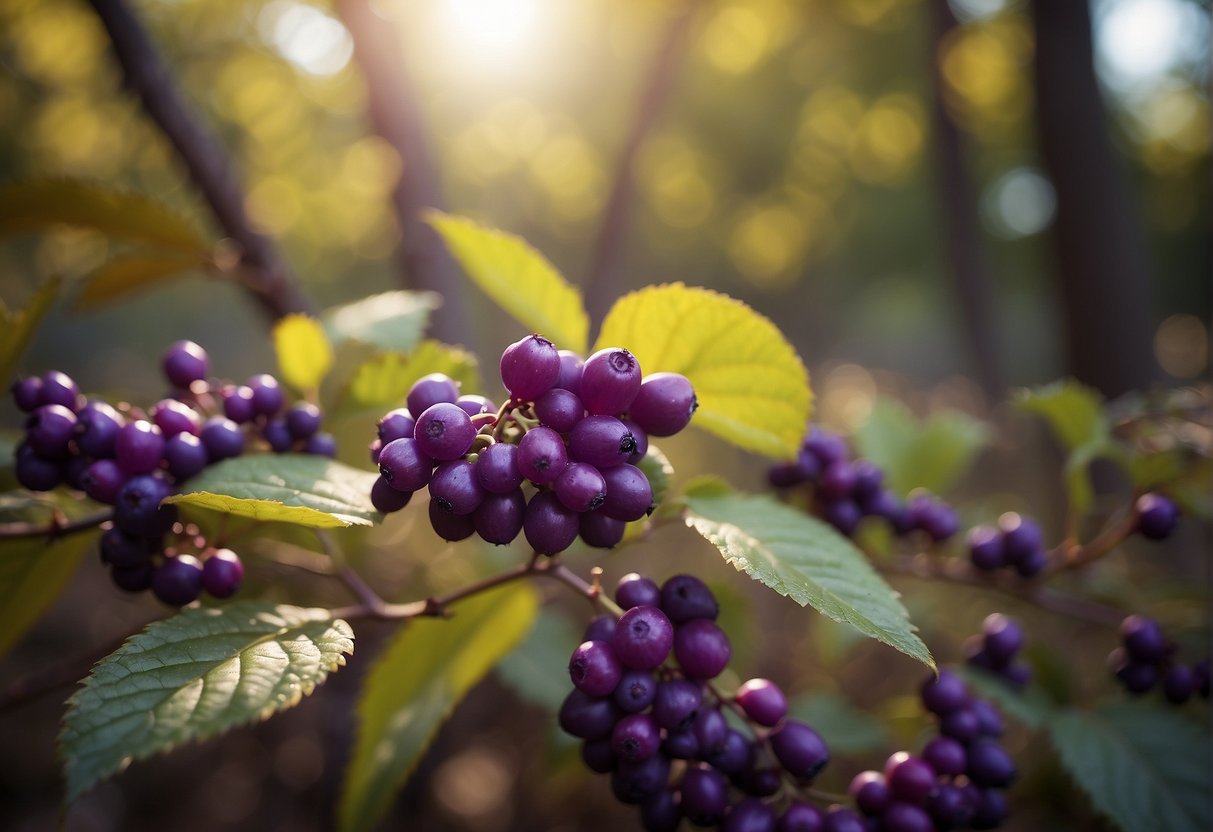
Should you be in search of a shrub that introduces a burst of color and intrigue to your outdoor space, take a moment to appreciate the charm of the beautyberry bush. Known scientifically as Callicarpa americana, this deciduous shrub hails from the southeastern regions of the United States. It earns its name from the captivating purple berries that emerge in clusters on its stems come autumn.
Beautyberry is a relatively low-maintenance plant that’s easy to grow, making it a great choice for novice gardeners. In addition to its attractive berries, it also produces small, pale pink flowers in the summer. But what really sets this plant apart is its unique appearance – the berries are such a vibrant shade of purple that they almost look artificial. In this article, we’ll take a closer look at beautyberry and explore some of its key characteristics, as well as tips for growing and caring for it in your own garden.
Key Takeaways
- Beautyberry is a deciduous shrub native to the southeastern United States, known for its striking purple berries that appear in the fall.
- This low-maintenance plant is easy to grow and produces small, pale pink flowers in the summer.
- Beautyberry adds a pop of color and interest to any landscape, and its unique appearance makes it a standout choice for gardeners looking for something a little different.
Understanding Beautyberry
If you are looking for an ornamental shrub that will add beauty to your garden, the Beautyberry bush is an excellent choice. This deciduous shrub is known for its striking clusters of bright purple berries that appear in the fall. In this section, we will explore the botanical profile of the Beautyberry and the different varieties and species that exist.
Botanical Profile
The Beautyberry belongs to the genus Callicarpa, which is part of the Lamiaceae family. This genus includes about 140 species of shrubs and small trees that are native to temperate and tropical regions of the world. The Beautyberry is a deciduous shrub that can grow up to 6 feet tall and wide. It has simple, opposite leaves that are 2-6 inches long and 1-3 inches wide. The flowers of the Beautyberry are small, pink or white, and bloom in the summer. However, it is the berries that make this plant so unique. The berries are about 1/4 inch in diameter and are produced in clusters that can be up to 6 inches long.
Varieties and Species
There are several species of Beautyberry, including the American Beautyberry (Callicarpa americana), the Japanese Beautyberry (Callicarpa japonica), Callicarpa dichotoma, and Callicarpa bodinieri. The American Beautyberry is the most common species in the United States and is native to the southeastern part of the country. It is a hardy shrub that can tolerate a wide range of soil types and growing conditions. The Japanese Beautyberry, on the other hand, is native to China, Korea, and Japan. It is a smaller shrub that is often grown as an ornamental plant in gardens and parks.
There are also different types of Beautyberry cultivars that have been developed for their unique characteristics. For example, the ‘Lactea’ cultivar has white berries instead of the typical purple ones, while the ‘Profusion’ cultivar has larger berries and is more resistant to pests and diseases.
In conclusion, the Beautyberry bush is a beautiful and unique addition to any garden. With its striking clusters of purple berries and its hardy nature, it is sure to be a standout feature in your landscape. Whether you choose the American or Japanese species or one of the many cultivars available, you are sure to enjoy the beauty and benefits of this wonderful plant.
Growing Beautyberry
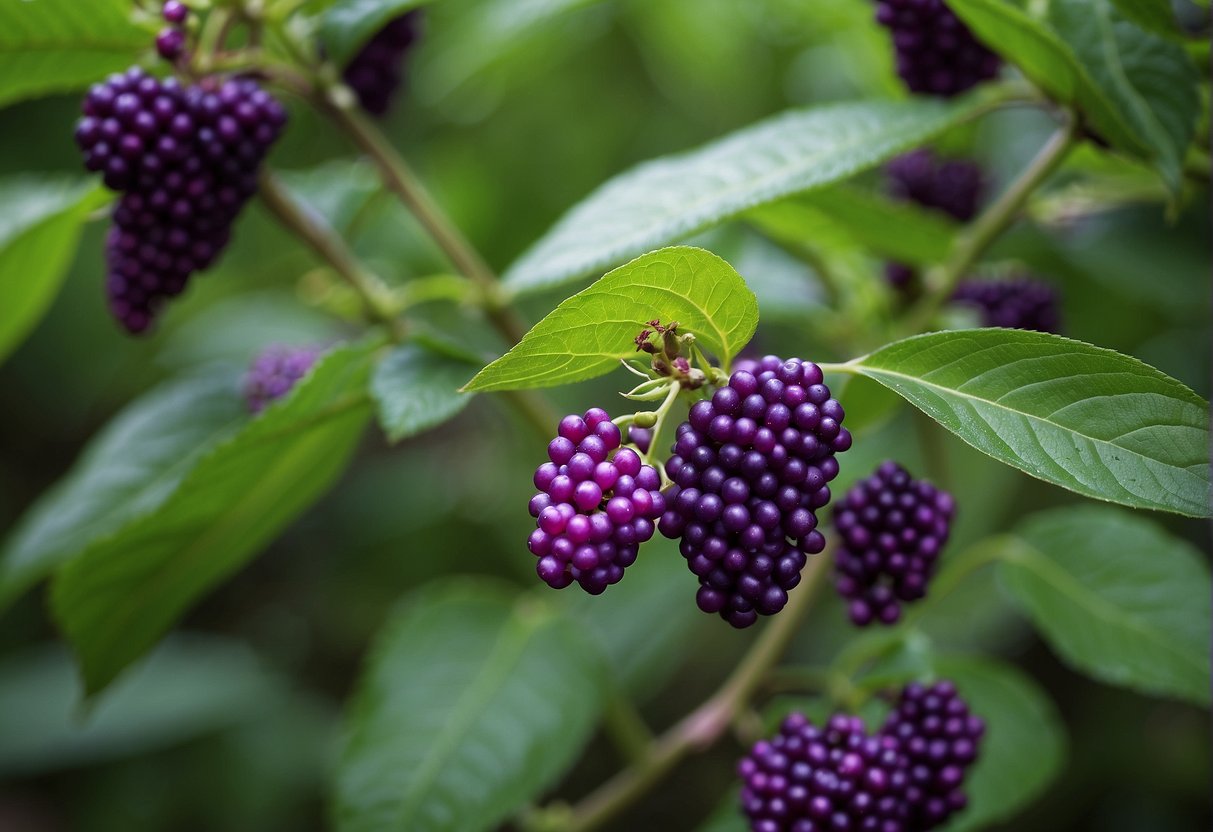
If you’re looking to add a pop of color to your garden, the beautyberry bush is a great option. Here are some guidelines to help you grow your own:
Planting Guidelines
Beautyberry bushes can be grown from seeds, cuttings, or by layering. If you’re starting from seeds, they should be planted in the spring in well-draining soil that is rich in organic matter. If you’re using cuttings, be sure to use rooting hormone to help them take root. When planting, make sure to give each bush enough space to grow, as they can get quite large.
Watering and Moisture
Beautyberry bushes prefer consistent moisture, but not overly wet soil. Water them regularly, especially during dry spells, and make sure the soil stays moist but not waterlogged. Adding mulch around the base of the plant can help retain moisture.
Climate and Hardiness
Beautyberry bushes are hardy in zones 6-10 and prefer a humid climate. They do well in the southeastern United States, but can also be grown in other regions with similar climates. They can tolerate full sun to partial shade, but prefer some shade during the hottest parts of the day.
Overall, beautyberry bushes are relatively easy to grow and maintain. With the right conditions, you can enjoy their vibrant purple berries for years to come.
Caring for Beautyberry
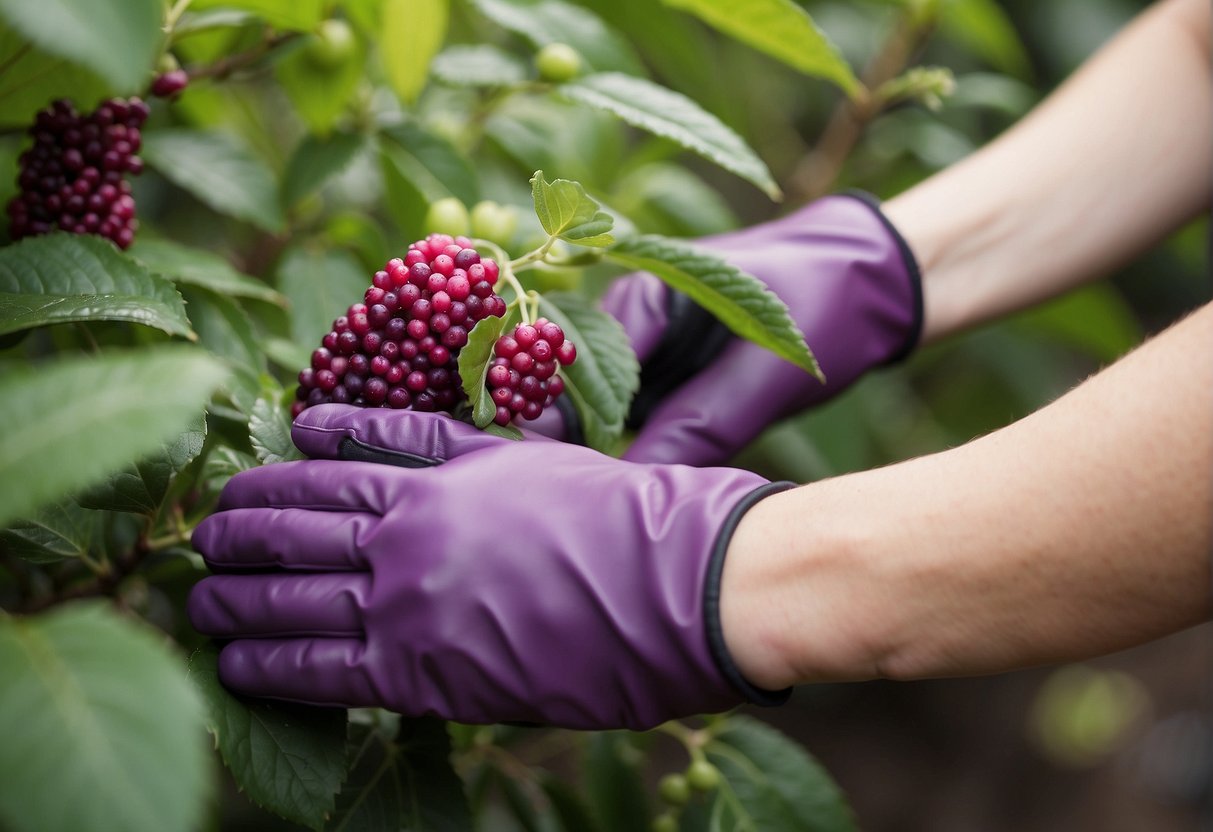
If you have decided to add a beautyberry bush to your garden, it is important to know how to care for it properly. Here are a few tips to keep your beautyberry healthy and looking its best.
Pruning and Maintenance
Beautyberry bushes require minimal pruning and maintenance. You can prune the plant in late winter or early spring to remove any dead or damaged wood. To encourage new wood growth, you can prune the plant back to about 6 inches from the ground. However, if you prefer a more natural look, you can skip pruning altogether.
Soil and Fertilization
Beautyberry bushes prefer well-drained soil with a pH between 5.0 and 6.5. If your soil is not within this range, you can amend it with lime to raise the pH or sulfur to lower it. The plant does not require much fertilizer, but you can add a slow-release fertilizer in early spring if you wish.
Pests and Diseases
Beautyberry bushes are generally pest and disease-resistant, but they can occasionally be affected by common garden pests such as aphids and spider mites. If you notice any problems, you can treat them with insecticidal soap or neem oil.
One unique benefit of beautyberry bushes is that they can repel mosquitoes. The leaves contain a natural insecticide that can help keep mosquitoes at bay. However, it is important to note that the plant must be crushed or bruised to release the insecticide, so simply having the plant in your garden may not be enough to repel mosquitoes.
Overall, caring for a beautyberry bush is relatively easy and straightforward. With minimal pruning, well-drained soil, and occasional fertilization, your plant should thrive and provide you with beautiful purple berries in the late summer and early fall.
Beautyberry Characteristics
Beautyberry is a deciduous shrub that is known for its striking foliage, flowers, and berries. It has arching branches that grow up to 6 feet tall and wide, making it an ideal choice for landscaping. In this section, we will take a closer look at the characteristics of the beautyberry bush.
Foliage and Stem
The beautyberry bush has green leaves that are oval-shaped and have a pointed tip. The leaves are arranged in an opposite pattern and have a slightly serrated edge. The stem of the beautyberry bush is square-shaped, and it is covered with fine hairs. The stem and foliage of the beautyberry bush are not only attractive but also fragrant.
Flowers and Berries
The beautyberry bush produces clusters of small flowers that bloom in the summer. The flowers are pink, purple, violet, or lavender, and they attract pollinators such as butterflies and bees. After the flowers have bloomed, the bush produces clusters of purple berries that are about the size of a pea. The berries are arranged in a circular pattern around the stem and are held close to the foliage. In the fall, the beautyberry bush produces white berries that are also attractive.
The beautyberry bush is a beautiful addition to any garden or landscape. Its green leaves and arching branches add interest to the garden throughout the year. The flowers and berries of the beautyberry bush are particularly striking, and they add a pop of color to the garden. The bloom time of the beautyberry bush is from summer to fall, making it an ideal choice for those who want to enjoy the beauty of the garden during this time.
Beautyberry in the Landscape
If you are looking for a low-maintenance shrub that provides interest in your garden or landscape, the beautyberry bush (Callicarpa spp.) might be a great option for you. This deciduous shrub is native to the southeastern United States and is known for its clusters of bright purple berries that appear in September and October.
Wildlife and Ecology
Beautyberry bushes are a great addition to any landscape that values wildlife and ecology. The berries are a favorite food source for birds, such as robins, bluebirds, and mockingbirds. The shrub also attracts other wildlife, including squirrels, raccoons, and foxes.
Ornamental Uses
While beautyberry bushes are great for wildlife and ecology, they also have ornamental uses. The bright purple berries provide a pop of color in the fall landscape and can be used in floral arrangements. The shrub’s arching branches and green leaves make it an attractive addition to any garden or landscape, especially when planted in groups or as a hedge.
If you are looking for a shrub that requires little maintenance, beautyberry bushes are a great choice. They are tolerant of shade and can grow in a variety of soil types. Plant them in a spot that receives partial shade to full sun for the best results. Overall, beautyberry bushes are a great addition to any landscape that values wildlife and ecology, as well as ornamental beauty.
Propagation Techniques
If you’re interested in growing your own beautyberry bush, you’ll be happy to know that propagation is relatively easy. There are a few different techniques you can use, depending on your preferences and what materials you have available.
Cuttings
One of the most common ways to propagate a beautyberry bush is by taking cuttings. This involves snipping off a piece of the plant and encouraging it to grow roots. You can take cuttings from a mature beautyberry bush in the spring or early summer.
To take a cutting, choose a stem that is at least 6 inches long and has several leaves. Cut the stem at a 45-degree angle just below a node. Remove any leaves from the bottom half of the stem. Dip the cut end in rooting hormone and plant it in a pot filled with moist potting soil. Keep the soil moist and place the pot in a warm, bright spot. In a few weeks, the cutting should start to grow roots.
Seed
Another way to propagate a beautyberry bush is by planting seeds. You can collect seeds from mature beautyberry bushes in the fall. The seeds are small and black.
To plant the seeds, fill a pot with moist potting soil and sprinkle the seeds on top. Cover the seeds with a thin layer of soil. Keep the soil moist and place the pot in a warm, bright spot. In a few weeks, the seeds should start to sprout.
Rooting Hormone
Rooting hormone can be used to increase the success rate of both cuttings and seed propagation. Rooting hormone is a powder or liquid that contains plant hormones that encourage root growth. Dip the cut end of a cutting or the base of a seedling in rooting hormone before planting it in soil.
Potting
When propagating a beautyberry bush, it’s important to use a good potting soil. Look for a soil that is well-draining and contains plenty of organic matter. You can also add perlite or sand to the soil to improve drainage.
In summary, propagating a beautyberry bush can be done through cuttings or seeds, with the help of rooting hormone and good potting soil. With a little patience and care, you can grow your own beautyberry bush and enjoy its beautiful purple berries.
Beautyberry Throughout the Seasons
The beautyberry bush is a versatile plant that adds beauty to your garden throughout the year. Here is a brief overview of what you can expect from this plant during different seasons:
Spring
In the spring, the beautyberry bush produces new leaves and stems. The leaves are a bright green color and provide a fresh burst of color to your garden. This is also the time when the plant begins to develop flower buds.
Summer
During the summer months, the beautyberry bush is in full bloom. The flowers are small and white, and they attract bees and other pollinators to your garden. The leaves remain a vibrant green color, and the plant continues to grow and fill out.
Fall
Fall is when the beautyberry bush truly shines. The plant produces vibrant purple berries that are both beautiful and functional. The berries are a favorite food source for birds, and they add a pop of color to your garden as the leaves begin to change color and fall.
Winter
In the winter, the beautyberry bush goes dormant. The leaves fall off, and the plant appears to be dead. However, the roots are still alive and the plant will come back to life in the spring.
September and October
September and October are the prime months for the beautyberry bush. This is when the plant produces the most berries, and the leaves begin to change color. The purple berries are a beautiful contrast to the red, yellow, and orange leaves, and they add a unique touch to your fall garden.
Overall, the beautyberry bush is a great addition to any garden. It provides beauty throughout the year and is easy to care for. Whether you are looking for a plant that attracts pollinators, feeds birds, or simply adds a pop of color to your garden, the beautyberry bush is a great choice.
Common Questions and Tips
If you are considering planting a beautyberry bush, you may have some questions about how to care for it. Here are some common questions and tips to help you get started:
How much water does a beautyberry bush need?
Beautyberry bushes are drought-tolerant and can survive with little water once established. However, they will produce more berries if they receive regular watering during the growing season. Water deeply once or twice a week, depending on your climate and soil type.
What is the difference between a beautyberry bush and a French mulberry?
Beautyberry bushes are sometimes called French mulberry, but they are not the same plant. French mulberry is a common name for Callicarpa japonica, while beautyberry refers to Callicarpa dichotoma. Both plants are in the same family and have similar growth habits, but they have different leaf shapes and berry colors.
How do I prune a beautyberry bush?
Beautyberry bushes should be pruned in late winter or early spring before new growth begins. Remove any dead or damaged branches, then cut back the remaining branches by about a third to encourage bushier growth and more berries. You can also prune for shape or size if needed.
Can I grow a beautyberry bush in a container?
Yes, beautyberry bushes can be grown in containers as long as the container is large enough and has good drainage. Use a high-quality potting mix and water regularly, but be careful not to overwater or let the roots sit in standing water. You may need to repot your beautyberry bush every few years to prevent it from becoming root-bound.
Are beautyberry bushes deer-resistant?
Beautyberry bushes are not deer-resistant, but they are less attractive to deer than some other plants. You can try spraying your plants with a deer repellent or using physical barriers to protect them from deer damage.
By following these tips and answering these common questions, you can enjoy the beauty and benefits of a beautyberry bush in your garden.
Frequently Asked Questions
How do you care for a beautyberry bush?
Beautyberry bushes are generally low maintenance and easy to care for. They prefer well-drained soil and full sun to partial shade. Watering is only necessary during prolonged periods of drought. Pruning is optional, but can be done in late winter or early spring to encourage new growth and maintain the shape of the bush.
Are beautyberries safe to consume?
While beautyberries are not typically consumed by humans, they are not considered toxic. However, some people may experience digestive discomfort if they eat large quantities of the berries. It is always recommended to consult with a healthcare professional before consuming any new food or supplement.
What are the medicinal uses of beautyberry?
Beautyberries have a long history of use in traditional medicine for a variety of ailments. They are believed to have anti-inflammatory and antimicrobial properties, and have been used to treat conditions such as fever, dysentery, and rheumatism. However, more research is needed to fully understand the potential medicinal benefits of beautyberries.
How large can a beautyberry bush grow?
Beautyberry bushes can vary in size depending on the species and growing conditions. They can range from 3 to 8 feet in height and width. Regular pruning can help control the size of the bush and promote healthy growth.
Can beautyberry bushes become invasive?
Some species of beautyberry, such as the American beautyberry (Callicarpa americana), have the potential to become invasive in certain areas. It is important to research the specific species and local regulations before planting beautyberry bushes.
Are beautyberry plants harmful to pets?
Beautyberry plants are not considered toxic to pets, but they should still be planted in areas where pets cannot easily access them. Ingesting large quantities of the berries or leaves can cause digestive discomfort in pets. It is always recommended to consult with a veterinarian before introducing any new plants to your pet’s environment.

