
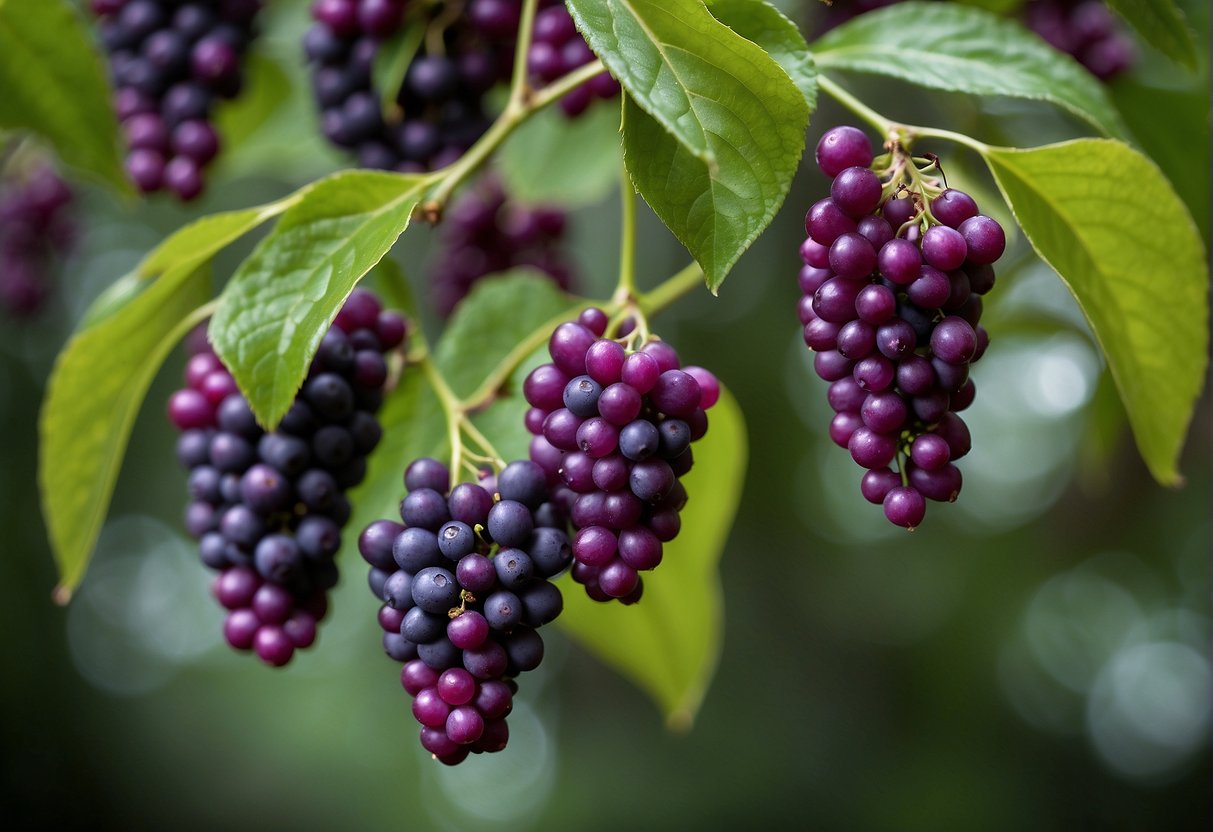
What Does Beautyberry Look Like: A Visual Guide
If you’re curious about the appearance of beautyberry, you’re certainly not in the minority. This eye-catching bush is celebrated for its vivid purple berries, which make a remarkable addition to any garden space. But what additional information should be on your radar regarding this distinctive shrub? In this piece, we’ll delve into the botanical characteristics of beautyberry, including its preferred growth conditions, care and upkeep requirements, and beyond.
Beautyberry, also known as Callicarpa americana, is a deciduous shrub that is native to the southeastern United States. Its most distinctive feature is its clusters of bright purple berries, which typically appear in late summer or early fall. These berries are not only visually striking, but also serve as an important food source for wildlife. But what else should you know about this plant?
Key Takeaways
- Beautyberry is a deciduous shrub native to the southeastern United States, known for its clusters of bright purple berries.
- This plant prefers partial shade and moist, well-drained soil, and is relatively low-maintenance once established.
- Beautyberry is a versatile plant that can be used in a variety of landscape settings, and is a valuable addition to any garden that values wildlife habitat.
Botanical Profile
Species Overview
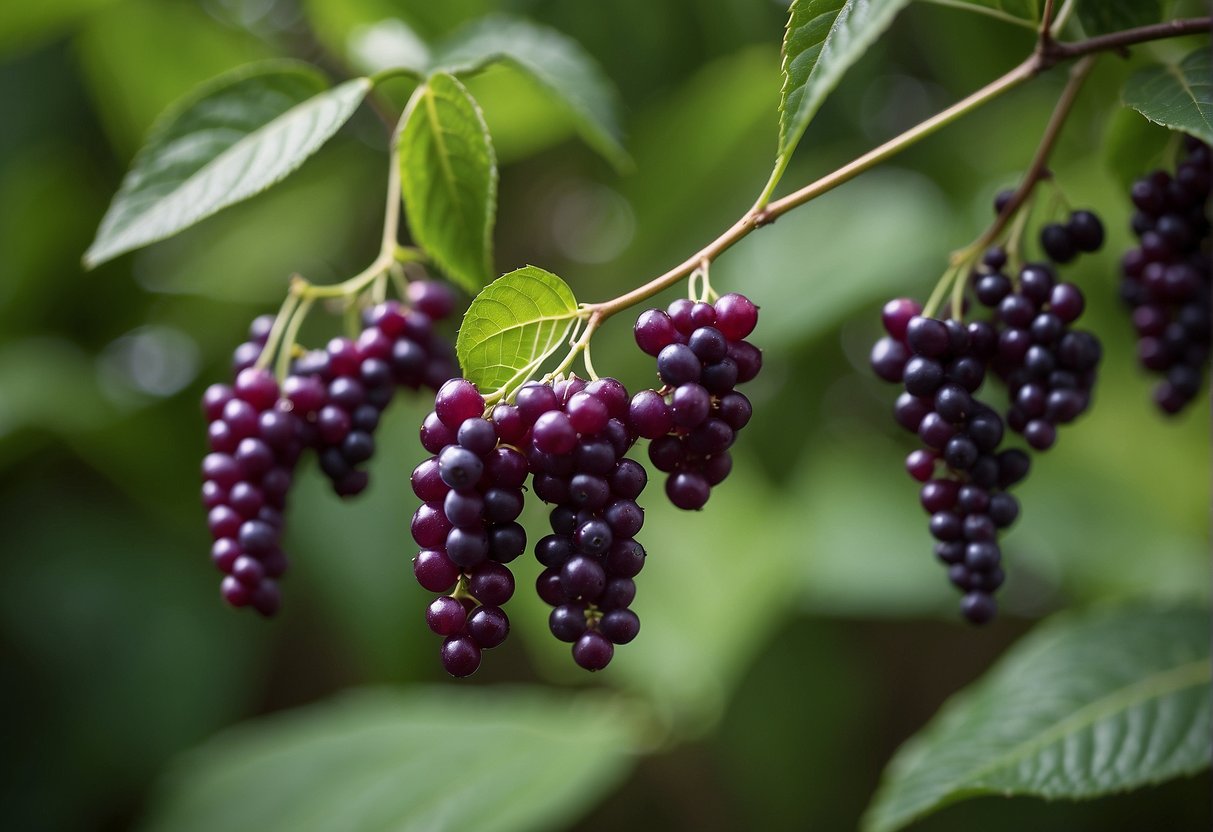
Beautyberry, scientifically known as Callicarpa, is a genus of shrubs that belong to the mint family. There are around 140 species of beautyberry distributed across the globe, with most of them found in Asia and North America. The most commonly known species is Callicarpa americana, which is native to the southeastern United States.
Plant Characteristics
Beautyberry is a deciduous shrub that grows up to 6 feet tall and wide. It has a rounded shape and a dense growth habit, making it an ideal choice for hedges and borders. The plant’s stems are square-shaped and have a greenish-brown color.
Foliage Description
The foliage of beautyberry is one of its most attractive features. The leaves are simple, opposite, and have an oval shape. The leaves are bright green in color and have a slightly serrated edge. During the fall season, the leaves turn yellow and drop from the plant.
Bloom Characteristics
Beautyberry blooms in the summer season, with the bloom time varying depending on the species. The flowers are small and pink in color, and they grow in clusters along the stem. While the flowers are not particularly showy, they are still a nice addition to the plant’s overall appearance.
Purple Berries
One of the most striking features of beautyberry is its berries. The plant produces clusters of small, round berries that are a bright, metallic purple color. The berries are not edible but are a popular choice for decorative purposes. They persist throughout the fall season, adding a pop of color to the garden.
In conclusion, beautyberry is a deciduous shrub that is known for its attractive foliage, pink flowers, and metallic purple berries. It is a low-maintenance plant that can thrive in a variety of soil types and light conditions. Whether you’re looking to add some color to your garden or create a natural hedge, beautyberry is an excellent choice.
Growing Conditions
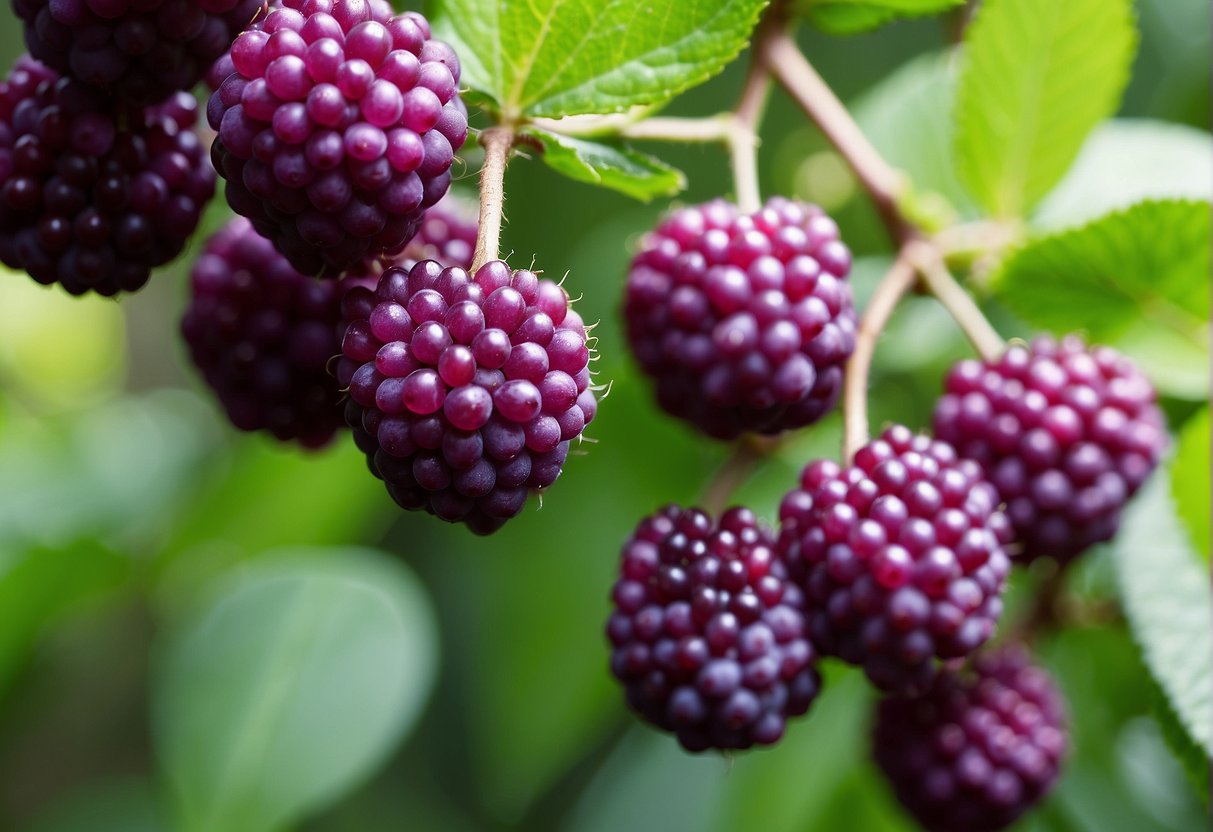
If you’re interested in growing beautyberry, it’s important to understand the growing conditions required for this plant. Here are some key factors to consider when planting beautyberry:
Light Requirements
Beautyberry plants require full sun to partial shade. They grow best in areas with bright, filtered light, and they can tolerate some shade. If you plant beautyberry in full sun, make sure to water it regularly, as it can dry out quickly.
Soil Preferences
Beautyberry prefers well-drained soil, with a pH range of 6.0 to 7.0. It can grow in a variety of soil types, including sandy, loamy, and clay soils. However, it does not tolerate wet or poorly drained soils, so make sure the soil is well-draining.
Watering Needs
Beautyberry plants require moist soil, but not waterlogged soil. Water your beautyberry plant regularly, especially during periods of drought or high temperatures. However, be careful not to overwater, as this can lead to root rot.
Temperature and Humidity
Beautyberry plants can tolerate a wide range of temperatures, from hot summers to cold winters. They are hardy in USDA zones 6 to 10. However, they prefer moderate humidity levels, so make sure to plant them in an area with good air circulation.
Overall, beautyberry is a relatively easy plant to grow, as long as you provide it with the right growing conditions. With proper care, your beautyberry plant will reward you with beautiful purple berries and attractive foliage.
Plant Care and Maintenance
Taking care of your beautyberry plant is essential for it to thrive and produce the beautiful berries it is known for. Here are some guidelines to follow for proper plant care and maintenance.
Pruning Guidelines
Pruning your beautyberry plant is crucial for its health and appearance. Prune your plant in late winter or early spring before new growth begins. Remove any dead, diseased, or damaged branches, and cut back any overgrown branches to maintain a desirable shape. Avoid pruning too much of the plant, as this can reduce berry production.
Fertilization and Mulching
Fertilizing your beautyberry plant can help it grow and produce more berries. Apply a balanced fertilizer in the spring and again in the summer. Mulching around the base of the plant can help retain moisture and prevent weeds from growing. Use organic mulch such as bark or compost and apply a layer about 2-3 inches thick.
Pest and Disease Management
Beautyberry plants are relatively pest and disease resistant, but they can still be affected by certain problems. Keep an eye out for pests such as aphids, spider mites, and scale insects. If you notice any pests, treat the plant with an insecticidal soap or oil. Diseases such as powdery mildew and leaf spot can also occur, so make sure to remove any infected leaves and treat the plant with a fungicide if necessary.
Winter Care
Beautyberry plants can survive cold temperatures, but they may need some extra care during the winter months. Water the plant deeply before the ground freezes to help it withstand the cold. Applying a layer of mulch around the base of the plant can also help insulate the roots. If you live in an area with heavy snowfall, gently brush off any snow that accumulates on the branches to prevent breakage.
By following these guidelines for plant care and maintenance, you can ensure that your beautyberry plant remains healthy and produces beautiful berries year after year.
Propagation Methods
If you want to propagate beautyberry, you have a few options to choose from. In this section, we’ll cover three popular methods: seed propagation, cuttings propagation, and transplanting techniques.
Seed Propagation
If you’re starting from scratch, you can grow beautyberry from seed. To do so, you’ll need to collect the berries in the fall and extract the seeds. Once you have the seeds, you can start the germination process indoors in the late winter or early spring. Here are the basic steps:
- Soak the seeds in water for 24 hours.
- Sow the seeds in a potting mix and cover with a thin layer of soil.
- Water the seeds regularly and keep them in a warm, bright location.
- After a few weeks, the seeds should start to sprout.
Cuttings Propagation
Another way to propagate beautyberry is through cuttings. This method is best done in the summer when the plant is actively growing. Here’s what you need to do:
- Take a cutting from new wood or softwood.
- Dip the cut end in rooting hormone.
- Plant the cutting in a potting mix and keep it moist.
- Place the cutting in a warm, bright location.
- After a few weeks, the cutting should start to form roots.
Transplanting Techniques
If you already have a mature beautyberry plant, you can also propagate it through transplanting. This method involves digging up a portion of the plant and transplanting it to a new location. Here’s how to do it:
- Choose a healthy, mature plant.
- Dig up a portion of the plant, making sure to include some roots.
- Plant the portion in a new location with well-draining soil.
- Water the plant regularly until it becomes established.
Overall, beautyberry is a relatively easy plant to propagate. Whether you choose to grow from seed, cuttings, or transplanting, you’ll be rewarded with a beautiful and unique addition to your garden.
Landscape Uses
If you’re looking for a shrub that can add both ornamental appeal and wildlife attraction to your garden, then the beautyberry is a great choice. Here are some landscape uses and garden design tips for this attractive and useful plant.
Ornamental Appeal
The beautyberry is prized for its striking appearance. Its bright purple berries are clustered along the arching branches of the plant, creating a stunning display that can last well into the fall. This makes it an excellent choice for adding interest to your garden, especially in the later months of the year.
The beautyberry can also be used as a specimen plant, thanks to its unique shape and arching branches. It can be planted in groups or as a single focal point in your garden to create a dramatic effect.
Wildlife Attraction
The beautyberry is a favorite of birds and butterflies, making it an excellent choice for attracting wildlife to your garden. The berries are a source of food for many bird species, and the flowers provide nectar for butterflies and other pollinators.
Garden Design Tips
When planting beautyberry, it’s important to choose a location that offers part shade and average, well-drained soil. The plant can tolerate a range of soil types, but it prefers a slightly acidic pH.
To create a visually appealing garden design, consider pairing beautyberry with other plants that have contrasting foliage or flowers. For example, the bright purple berries of the beautyberry can be complemented by the yellow blooms of goldenrod or the red leaves of burning bush.
Overall, the beautyberry is an excellent choice for gardeners looking to add both beauty and function to their landscape. With its striking appearance and ability to attract wildlife, it’s a plant that is sure to impress.
Varieties and Cultivars
If you’re looking to add some color to your garden, the beautyberry plant is a great choice. With its distinctive clusters of bright purple berries, this plant is sure to catch your eye. But did you know that there are several different varieties and cultivars of the beautyberry plant? Let’s take a closer look.
American Beautyberry Varieties
The most common beautyberry plant is the American beautyberry (Callicarpa americana). This native plant is found in the southeastern United States and produces vibrant purple berries in the fall. There are several cultivars of the American beautyberry, including ‘Welch’s Pink’ and ‘Pearl Glam’. ‘Welch’s Pink’ has pink berries instead of the usual purple, while ‘Pearl Glam’ has larger, more abundant berries.
Other Callicarpa Species
In addition to the American beautyberry, there are several other species of Callicarpa that are grown for their colorful berries. Callicarpa bodinieri, for example, is a Chinese species that produces dark purple berries. Callicarpa japonica, or Japanese beautyberry, is another popular species that produces bright purple berries. Callicarpa lactea, or French mulberry, is a species from Southeast Asia that produces white berries.
Hybrid and Cultivar Selection
If you’re looking for something a little different, there are also several hybrid and cultivar selections of the beautyberry plant. One popular cultivar is ‘Violet’, which has deep purple berries and a compact growth habit. Another cultivar is ‘Profusion’, which produces an abundance of bright purple berries. ‘Early Amethyst’ is another popular cultivar that produces berries earlier in the season than other varieties.
In summary, the beautyberry plant comes in a variety of shapes, sizes, and colors. Whether you prefer the classic American beautyberry or are looking for something a little more unique, there is sure to be a variety or cultivar that catches your eye.
Ecological Impact
Native Habitat Significance
Beautyberry is a native plant of North America and is commonly found in the southeastern United States. It is known for its striking purple berries that grow in clusters along the stems. The plant is an important source of food for many wildlife species such as birds, deer, and small mammals. The berries are high in fat and protein, making them a valuable source of nutrition during the winter months.
Beautyberry also plays a significant role in the ecosystem by providing shelter and habitat for many insect species. The plant’s leaves and stems host a variety of insects, including caterpillars, which are an important food source for birds and other animals.
Pollinator Support
Beautyberry is an important plant for bees and other pollinators. The flowers of the plant are rich in nectar and attract a variety of bees and other insects. The pollinators help to ensure that the plant produces fruit, which is essential for the survival of many wildlife species.
Beautyberry also supports cross-pollination, which is important for the genetic diversity of the plant and the health of the ecosystem. The plant prefers native soil and friable soil, which means that it is best suited to grow in its natural habitat. By growing beautyberry in your garden, you can help to support local wildlife and promote a healthy and diverse ecosystem.
In summary, beautyberry is a valuable plant for the ecosystem and provides food and habitat for many wildlife species. By planting beautyberry in your garden, you can help to support local pollinators and promote a healthy and diverse ecosystem.
Practical Tips and Considerations
Planting and Spacing
When planting beautyberries, it is important to choose a location that receives full sun to partial shade. Beautyberries are hardy in zones 6-10 and prefer well-drained soil that is rich in organic matter. Before planting, make sure to prepare the soil by adding compost or other organic matter to improve soil quality.
When it comes to spacing, beautyberries should be planted at least 3-5 feet apart to allow for proper air circulation and growth. This spacing also allows the beautyberry to maintain its natural shape and form without becoming too crowded or overgrown.
Soil Preparation
To ensure the long-term growth and health of your beautyberry, proper soil preparation is crucial. Beautyberries prefer soil that is well-drained and rich in organic matter. Before planting, amend the soil with compost or other organic matter to improve soil quality and drainage.
It is also important to note that beautyberries are low maintenance and do not require frequent fertilization. In fact, over-fertilization can lead to excessive growth and a less attractive plant.
Long-term Growth
Beautyberries are relatively easy to care for and require minimal maintenance once established. They are also known for their ability to propagate easily, making them a great addition to any garden.
To propagate beautyberries, simply take a cutting from the plant in early spring and plant it in a well-drained soil mixture. Keep the cutting moist and in a warm, sunny location until it begins to root.
With proper care and maintenance, beautyberries can grow up to 6 feet tall and wide, providing a beautiful and unique addition to any garden or landscape.
Frequently Asked Questions
What are the distinct features of beautyberry plants in different seasons?
Beautyberry plants have distinct features that vary with the seasons. During the spring and summer, the plant has small pink or white flowers that grow in clusters. In the fall, the plant produces clusters of bright purple berries that are around 1/4 inch in diameter. The leaves of the plant are oval-shaped and have a slightly fuzzy texture. In the winter, the plant loses its leaves and becomes dormant.
How can one differentiate between Asian and American beautyberry species?
Asian beautyberry species have smaller leaves and berries than American beautyberry species. The berries on Asian beautyberry plants are also a paler shade of purple than those on American beautyberry plants. Additionally, the stems of Asian beautyberry plants are more slender than those of American beautyberry plants.
What are the potential health benefits or uses of beautyberry?
Beautyberry has been used in traditional medicine to treat a variety of ailments, including fever, rheumatism, and colic. The plant contains compounds that have anti-inflammatory and antioxidant properties. Some studies have suggested that beautyberry may have potential as a natural insect repellent.
Are there any known toxic effects of beautyberry to humans or pets?
While beautyberry is generally considered safe, the leaves and berries of the plant contain compounds that can cause gastrointestinal upset if ingested in large quantities. It is recommended that you avoid consuming the plant or giving it to your pets.
What are common plants that resemble beautyberry?
There are several plants that resemble beautyberry, including the purpleleaf sand cherry, the purpleleaf plum, and the purple chokeberry. However, these plants do not produce the distinctive clusters of bright purple berries that are characteristic of beautyberry.
What are the ideal growing conditions for a beautyberry bush?
Beautyberry plants prefer well-drained soil and partial shade. They can tolerate a range of soil types, but prefer slightly acidic soil. The plant is relatively low-maintenance and can be grown in a variety of climates, although it is most commonly found in the southeastern United States.

