
What are Yucca Looking Octopus Plants: A Guide to Understanding Their Unique Characteristics
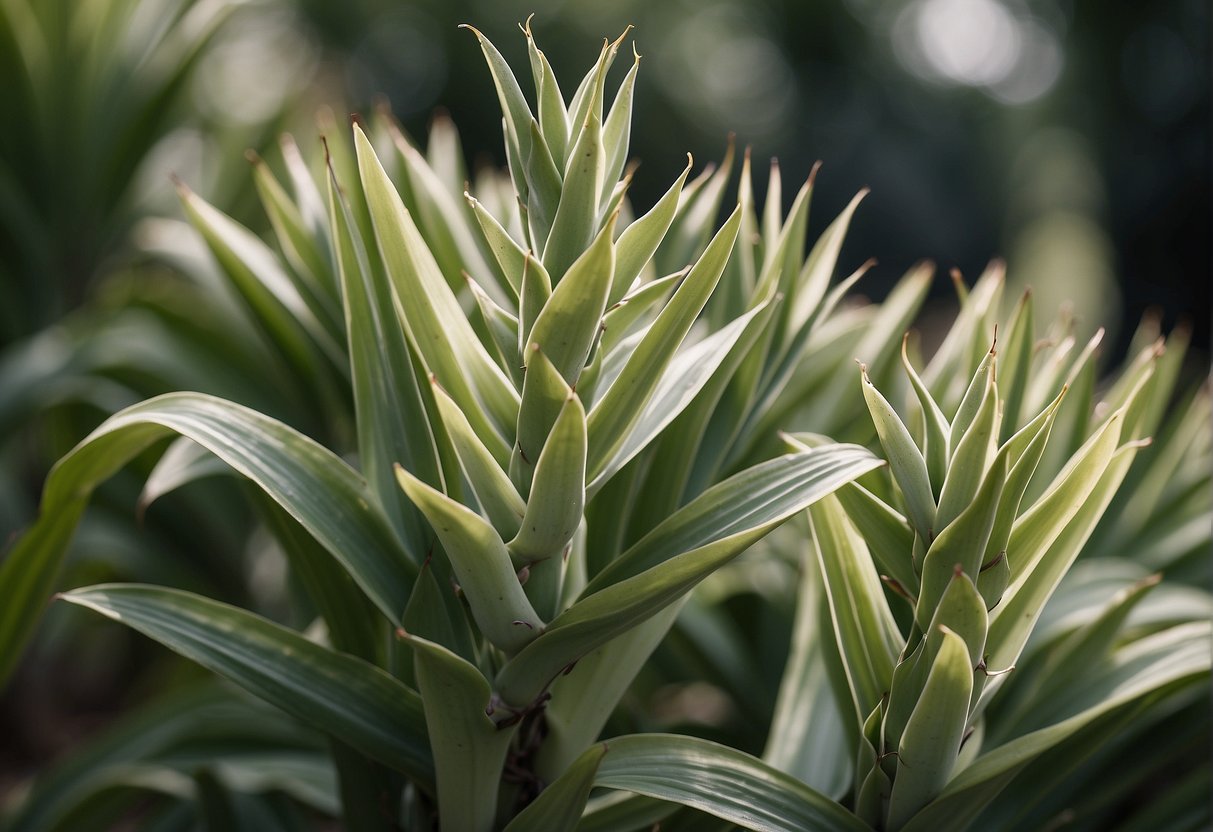
Yucca plants have become a favorite among garden enthusiasts and property owners wishing to infuse their outdoor spaces with a desert-like charm. Recognized for their elongated, sword-shaped foliage and skyward-pointing flowers that may grow to several feet tall, these plants add a distinct flair to any landscape. Nevertheless, it’s worth noting there exists another plant commonly mistaken for the yucca, namely the octopus plant, which bears a resemblance to the yucca.
Despite their similar appearance, yucca-looking octopus plants are not actually yucca plants at all. Rather, they belong to the genus Dasylirion and are native to the southwestern United States and Mexico. These plants are known for their unique foliage, which resembles the tentacles of an octopus and can grow up to several feet in length. In addition to their striking appearance, yucca-looking octopus plants are also prized for their hardiness and drought tolerance, making them an excellent choice for arid climates.
Key Takeaways
- Yucca-looking octopus plants are not actually yucca plants, but rather belong to the genus Dasylirion.
- These plants are known for their unique foliage that resembles the tentacles of an octopus.
- Yucca-looking octopus plants are prized for their hardiness and drought tolerance, making them an excellent choice for arid climates.
Understanding Yucca Plants
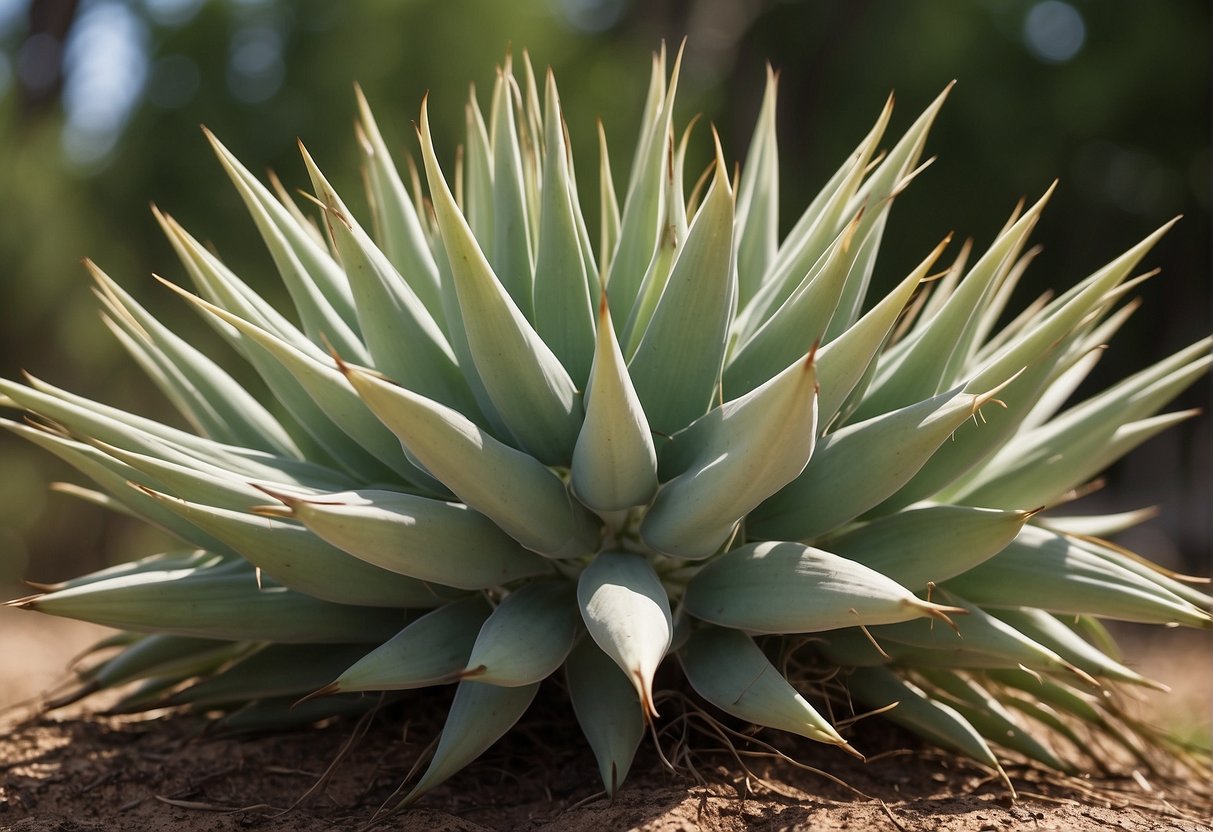
Yucca plants are a genus of perennial shrubs and trees that belong to the family Asparagaceae. They are native to arid regions of North and Central America and the Caribbean. Yucca plants are characterized by their sword-shaped leaves, which grow in a rosette pattern at the base of the plant. They also produce tall, spiky flower stalks that are covered in bell-shaped flowers.
Defining Characteristics
Yucca plants are known for their tough, drought-resistant nature. They have adapted to survive in harsh desert environments by storing water in their leaves and developing deep root systems. Yucca plants are also resistant to pests and diseases, making them a popular choice for landscaping in arid regions.
One of the most distinctive features of yucca plants is their sharp, pointed leaves. These leaves are often used in traditional medicine to treat a variety of ailments, including skin conditions, headaches, and arthritis. Yucca plants are also used in Native American ceremonies and are considered to have spiritual significance.
Types and Species
There are many different types of yucca plants, each with its own unique characteristics. Some of the most popular species include:
- Yucca filamentosa: This species is known for its sharp, spiky leaves and tall flower stalks. It is commonly used in landscaping and is native to the southeastern United States.
- Yucca aloifolia: Also known as Spanish bayonet, this species is characterized by its long, sword-shaped leaves and tall, branching flower stalks. It is native to the southeastern United States and the Caribbean.
- Yucca elephantipes: This species is also known as the giant yucca or spineless yucca. It has a thick, trunk-like stem and long, sword-shaped leaves. It is native to Central America and Mexico and is often used as a houseplant.
- Yucca gloriosa: This species is known for its striking, variegated leaves and tall, branching flower stalks. It is native to the southeastern United States and is commonly used in landscaping.
- Yucca rostrata: Also known as the beaked yucca, this species is characterized by its blue-green, spiky leaves and tall, branching flower stalks. It is native to northern Mexico and is often used in landscaping.
Other popular yucca species include the soaptree yucca, Spanish dagger, and Joshua tree. Each species has its own unique characteristics and is well-suited to different growing conditions.
Cultivation and Care
Planting and Soil Requirements
When planting yucca looking octopus plants, it is important to choose a well-drained soil that is not too rich in nutrients. These plants grow best in soil that is slightly acidic to neutral with a pH range of 6.0 to 7.0. You can add sand or gravel to the soil to improve drainage. Make sure to plant the yucca looking octopus plants in a location that receives full sun.
Watering and Sunlight Needs
Yucca looking octopus plants are drought-tolerant and do not require frequent watering. However, it is important to water them deeply once a week during the growing season to ensure healthy growth. These plants thrive in full sun and require at least 6 hours of direct sunlight per day.
Temperature and Hardiness Zones
Yucca looking octopus plants are hardy in USDA zones 7 to 11 and can tolerate temperatures as low as 10°F (-12°C). These plants prefer warm temperatures and do not tolerate frost or freezing temperatures.
Maintenance and Pruning
Yucca looking octopus plants require minimal maintenance and pruning. Remove any dead or damaged leaves as they appear. You can also prune the plant to control its size and shape. Fertilize the plant once a year with a slow-release fertilizer in the spring.
Overall, yucca looking octopus plants are easy to grow and care for. With the right soil, watering, sunlight, and maintenance, these plants can thrive and add unique texture to any garden or landscape.
Design and Aesthetics
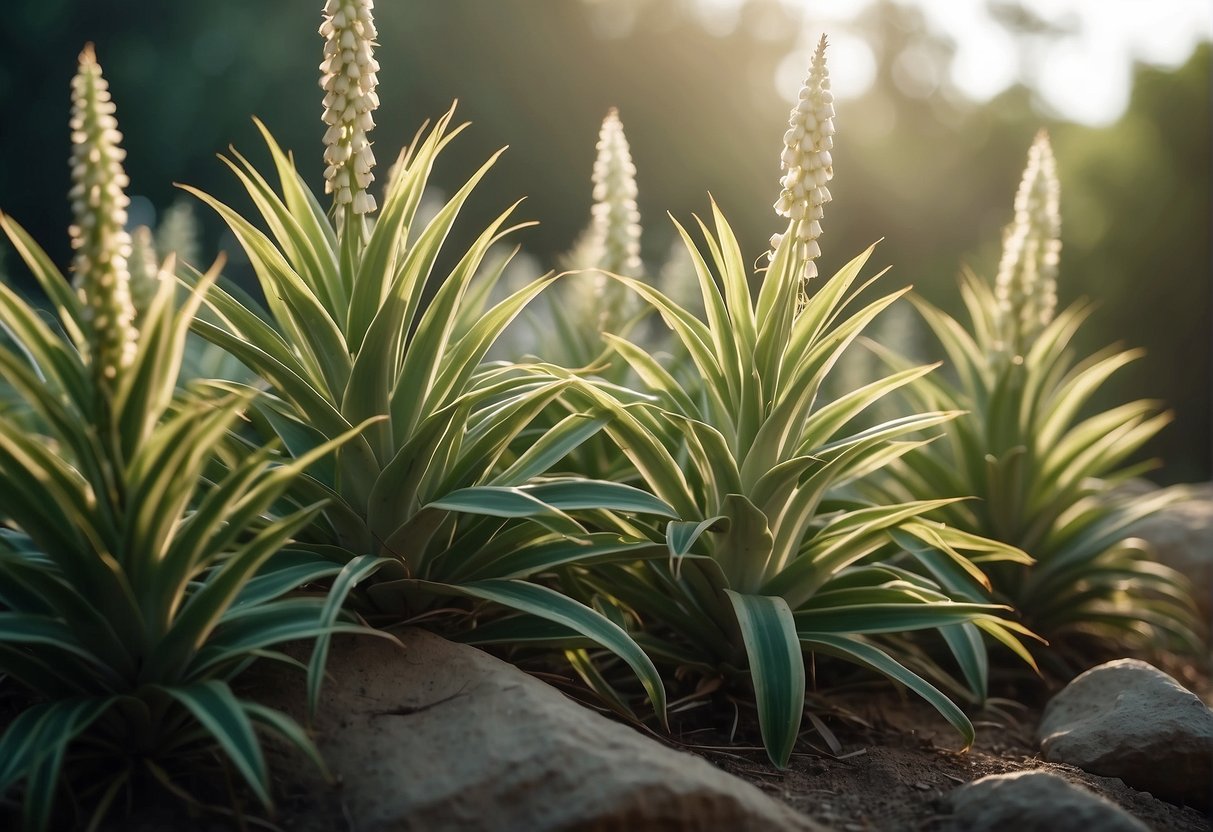
When it comes to design and aesthetics, yucca looking octopus plants are a great addition to any garden or indoor space. These plants come in a variety of colors, textures, and sizes, making them versatile and easy to incorporate into any design.
Garden and Landscape Use
Yucca looking octopus plants are a popular choice for garden design due to their low-maintenance nature and ability to thrive in a variety of conditions. They are commonly used as a focal point in garden beds or as a border plant. These plants are also great for adding texture to a garden with their spiky leaves and interesting foliage.
In terms of bloom time, yucca looking octopus plants typically produce flowers in the summer months. The flowers come in a range of colors, including cream, white, and yellow, and can add a pop of color to any garden.
Indoor and Ornamental Applications
Yucca looking octopus plants are also a great choice for indoor and ornamental applications. They are often used as houseplants due to their low-maintenance nature and ability to thrive in low light conditions.
One popular variety of yucca looking octopus plant is the spineless yucca plant. This plant is a great option for indoor use as it does not have any sharp spines that can be harmful to pets or children.
Another popular variety is the variegated yucca plant, which has blue-green foliage with yellow stripes. This plant adds a pop of color and texture to any indoor space.
Overall, yucca looking octopus plants are a great choice for anyone looking to add a unique and low-maintenance plant to their garden or indoor space. With their interesting foliage, spiky leaves, and colorful flowers, these plants are sure to make a statement.
Propagation and Problems
Methods of Propagation
Yucca looking octopus plants can be propagated through stem cuttings or by division. Stem cuttings should be taken during the growing season and allowed to dry for a few days before planting. The cuttings should be planted in well-draining soil and kept in a warm, humid environment until roots have formed. Division is best done in the spring, when the plant is actively growing. Carefully remove the plant from its container and separate the individual plants, making sure each has a healthy root system.
Common Pests and Diseases
Yucca looking octopus plants are generally hardy and resistant to pests and diseases, but there are a few issues to be aware of. Root rot can be a problem if the plant is overwatered or planted in soil that doesn’t drain well. To prevent root rot, make sure the soil is well-draining and water only when the top inch of soil is dry. Scale insects can also be a problem, especially if the plant is grown in a low humidity environment. To control scale, wipe the leaves with a damp cloth or use an insecticidal soap.
In colder climates, the plant may be susceptible to damage from freezing temperatures. However, some varieties, such as the Hesperaloe parviflora and Yucca rigida, are cold hardy and can withstand freezing temperatures.
Overall, yucca looking octopus plants are easy to propagate and care for, making them a great addition to any succulent collection. They are showy and fragrant, and can be grown in baskets or as part of a cacti and succulent garden. With proper care and attention, you can enjoy these unique plants for years to come.
Frequently Asked Questions
How can I identify different types of yucca plants?
Yucca plants are known for their sword-like leaves and tall, spiky appearance. However, there are many different types of yucca plants with varying leaf shapes, sizes, and colors. To identify different types of yucca plants, look for distinguishing features such as leaf color, leaf shape, and flower appearance. You can also consult a plant identification guide or ask a knowledgeable plant expert for assistance.
What are some common issues with indoor yucca plants and how can I address them?
Indoor yucca plants can be susceptible to issues such as overwatering, underwatering, pests, and diseases. To address these issues, ensure that your yucca plant is planted in well-draining soil and water it only when the top inch of soil is dry. Monitor your plant for signs of pests or diseases and address them promptly with appropriate treatments.
What are the best practices for outdoor yucca plant care?
Outdoor yucca plants thrive in well-draining soil and full sun exposure. Water your outdoor yucca plant deeply but infrequently, allowing the soil to dry out between watering. Prune your plant as needed to remove dead or damaged foliage and promote healthy growth.
What benefits do yucca plants provide when grown indoors?
Yucca plants are not only aesthetically pleasing, they also provide a number of benefits when grown indoors. Yucca plants are known for their air-purifying properties, helping to remove toxins from the air and improve indoor air quality. They also require minimal care, making them a low-maintenance option for indoor plant enthusiasts.
Which plants are commonly confused with yucca plants?
Plants such as agave, dracaena, and aloe vera are often confused with yucca plants due to their similar appearance. However, these plants have distinct differences in leaf shape and growth habit. Consult a plant identification guide or ask a knowledgeable plant expert for assistance in identifying plants that may be confused with yucca plants.
What steps should I follow to properly care for a gigantea yucca plant?
Gigantea yucca plants require well-draining soil and full sun exposure. Water deeply but infrequently, allowing the soil to dry out between watering. Prune your plant as needed to remove dead or damaged foliage and promote healthy growth. Additionally, fertilize your plant once per year with a balanced fertilizer to promote healthy growth.

