
What Animals Eat American Beautyberry: A Comprehensive Guide
If you have a passion for gardening or a love for nature, you might wonder which animals feed on American beautyberry. Recognized for its eye-catching purple berries, this bush is a favored option for both decorative landscaping and natural wildlife habitats. Not only does it enhance the aesthetic appeal of a garden, but it also serves as a vital source of nourishment for a variety of animals.
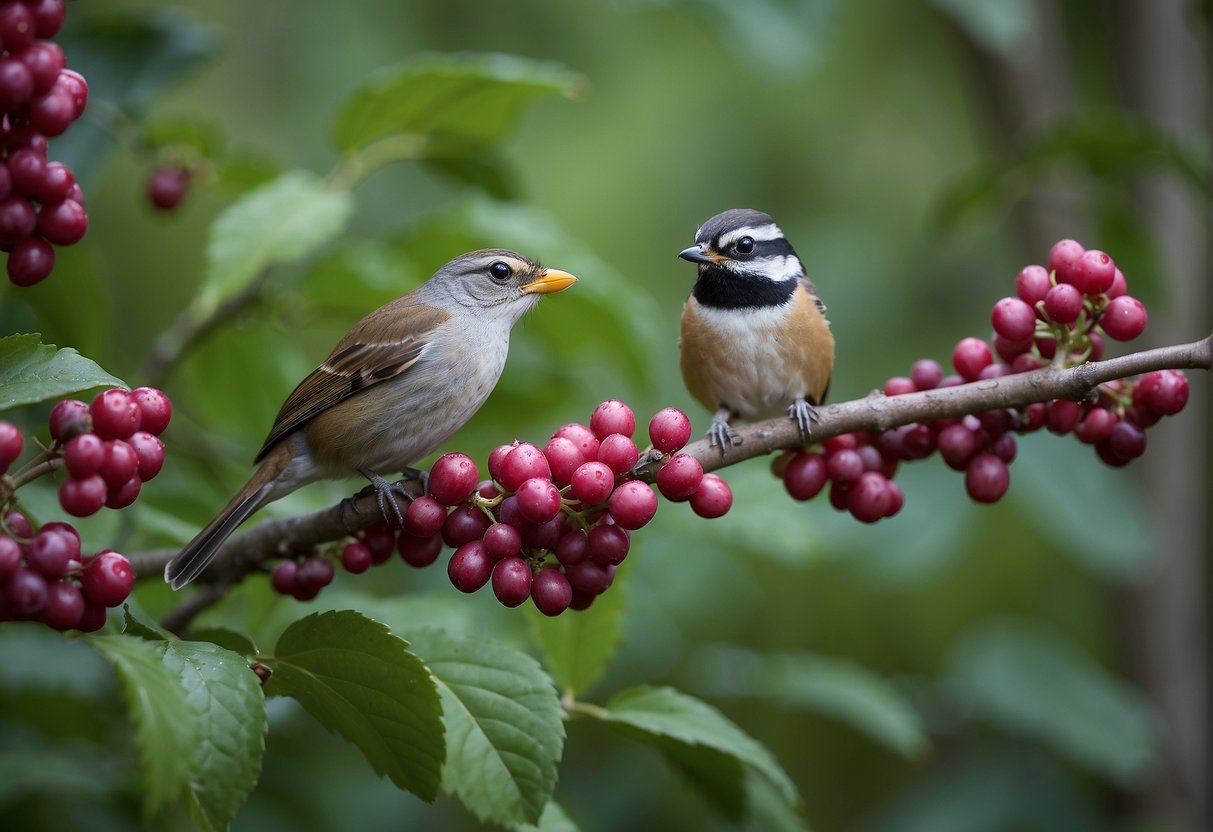
One of the most well-known animals that eat American beautyberry is the bird. Many species, including the northern mockingbird, cedar waxwing, and American robin, are attracted to the bright purple berries. In fact, the berries are so important to birds that they will often strip a shrub bare in a matter of hours. But birds aren’t the only ones that enjoy this tasty treat. Other animals, such as deer, squirrels, and raccoons, have also been known to munch on the berries.
Key Takeaways
- American beautyberry is an important food source for many different animals, including birds, deer, squirrels, and raccoons.
- The bright purple berries are a popular choice for wildlife gardens and can attract a variety of bird species.
- While the berries are a tasty treat for many animals, they are not toxic to humans and can be used in a variety of culinary applications.
Botanical Profile
If you’re curious about what animals eat American beautyberry, it’s important to first understand the botanical profile of this deciduous shrub.
Scientific Classification
The scientific name for American beautyberry is Callicarpa americana. It belongs to the family Lamiaceae, which includes other plants like mint and sage.
Physical Characteristics
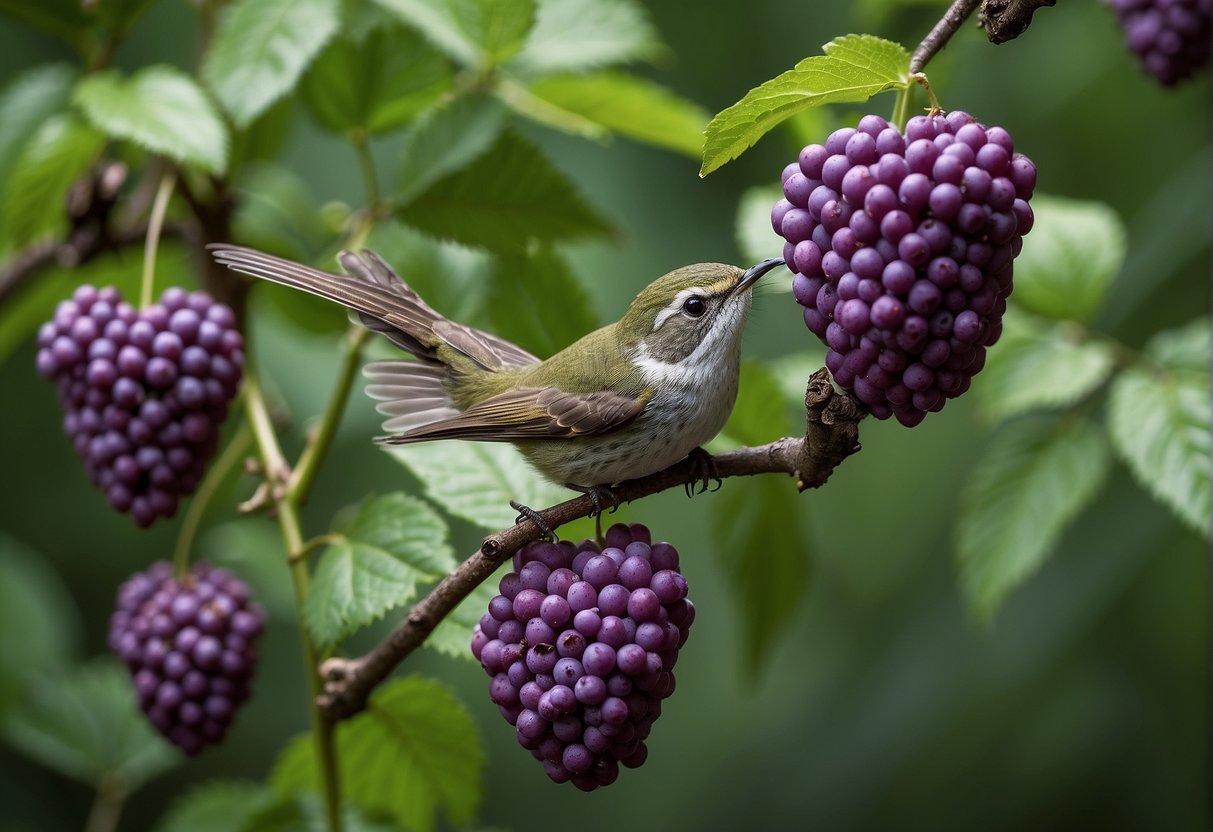
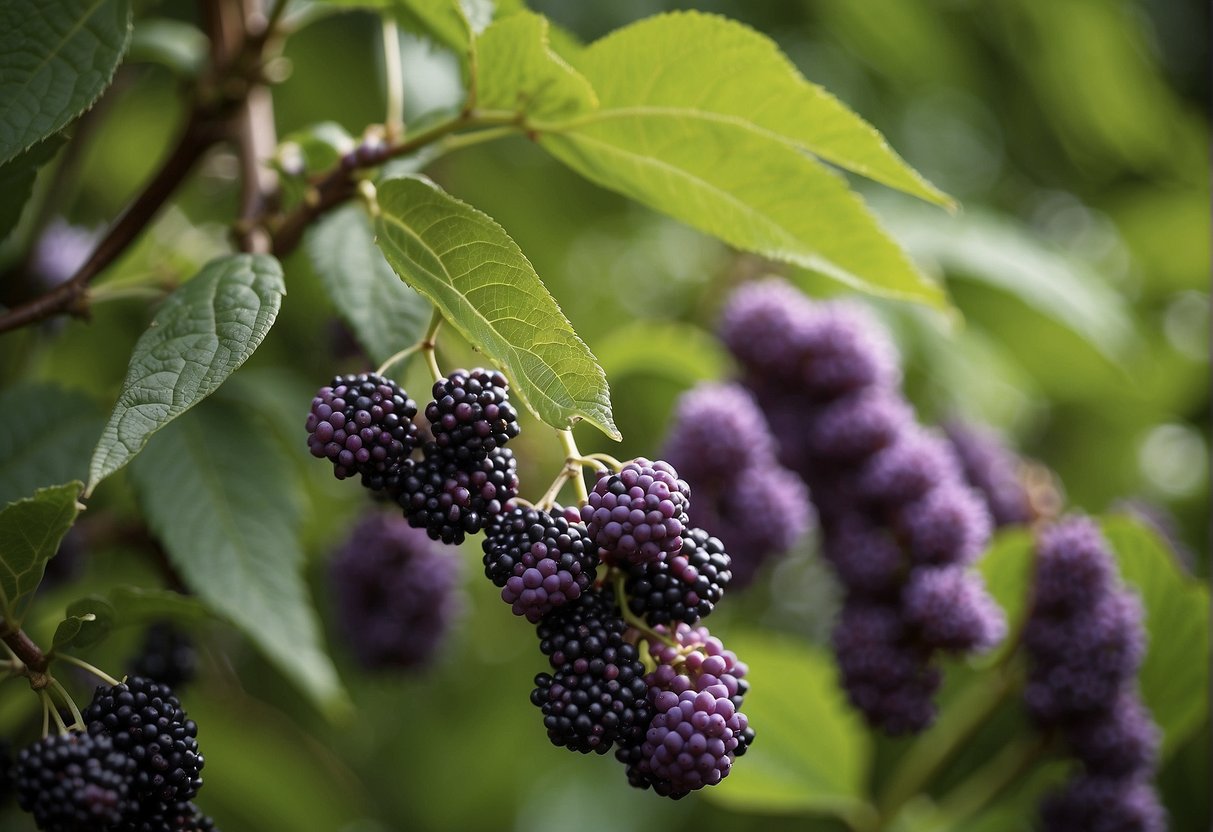
American beautyberry is a native shrub that typically grows to be 3-6 feet tall and wide. Its leaves are simple and opposite, with a toothed margin. The flowers are small and pinkish-purple, and they bloom in the summer. However, it’s the purple berries that are the most distinctive feature of this plant. The berries grow in clusters around the stem and can persist on the plant well into the winter.
Native Habitat
American beautyberry is native to the southeastern United States, where it grows in a variety of habitats including woodlands, savannas, and floodplains. It prefers moist, well-drained soils and can tolerate both sun and shade.
Understanding the botanical profile of American beautyberry can help you better understand what animals may be attracted to this plant. Its purple berries are a common food source for a variety of wildlife, including birds, deer, raccoons, and squirrels.
Cultivation and Care
Soil Requirements
American beautyberry is a hardy plant and can grow in a variety of soils. However, it prefers well-draining soils that are rich in organic matter. You can amend the soil with compost or aged manure to improve its quality. The ideal pH range for growing American beautyberry is between 5.5 and 6.5.
Sunlight and Watering
American beautyberry prefers full sun or partial shade. It can tolerate some shade, but it will produce fewer flowers and fruits. When it comes to watering, American beautyberry is a drought-tolerant plant. However, it will benefit from regular watering during prolonged dry spells. Water the plant deeply once a week during the growing season.
Pruning and Maintenance
American beautyberry requires minimal pruning and maintenance. You can prune the plant in late winter or early spring to remove any dead or damaged branches. You can also prune the plant to control its size or shape. American beautyberry is a fast-growing plant, so it may require more frequent pruning to keep it under control.
Propagation Methods
American beautyberry can be propagated from cuttings or seeds. If you want to propagate the plant from cuttings, take a 4- to 6-inch cutting from a healthy plant in late spring or early summer. Remove the lower leaves and dip the cutting in rooting hormone before planting it in a well-draining soil mix. Keep the soil moist and the cutting in a bright, warm location until it roots.
If you want to propagate the plant from seeds, collect the berries in the fall and remove the pulp. Soak the seeds in water for 24 hours before planting them in a well-draining soil mix. Keep the soil moist and the seeds in a bright, warm location until they germinate.
Wildlife Interactions
American beautyberry is a popular food source for many animals. The plant’s berries are high in carbohydrates and provide a valuable source of nutrition for wildlife. Here are some of the wildlife interactions associated with American beautyberry:
Birds and Berries
Birds are the primary consumers of American beautyberry. Many species of birds, including robins, blue jays, and mockingbirds, feed on the plant’s berries. The berries are an important food source for birds, especially during the fall and winter months when other food sources are scarce.
Mammalian Foragers
Deer, raccoons, and opossums are some of the mammals that feed on American beautyberry. These animals are attracted to the plant’s fruit because of its high sugar content. In addition, small mammals such as squirrels and chipmunks also consume the plant’s seeds.
Pollinators and Insects
American beautyberry is also an important food source for pollinators and insects. Bees and butterflies are attracted to the plant’s flowers, which provide a valuable source of nectar. Insects such as ants and beetles also feed on the plant’s leaves and stems.
Overall, American beautyberry plays an important role in the ecosystem as a food source for a variety of wildlife. Its berries are a valuable source of nutrition for birds and mammals, while its flowers provide nectar for pollinators and insects.
Landscape Uses
American beautyberry is a versatile plant that can be used in a variety of landscape settings. Its unique beauty and utility make it a popular choice for gardeners, landscapers, and homeowners alike. Here are some ways you can use this plant in your landscape.
Ornamental Value
American beautyberry is prized for its ornamental value. Its bright purple berries are a striking addition to any landscape, and its attractive foliage adds texture and interest. This plant can be used as a specimen or accent plant, or planted in mass for a dramatic effect. It also pairs well with other native plants, and looks great in naturalized or wild gardens.
Wildlife Gardening
American beautyberry is an important food source for wildlife, particularly birds and small mammals. The berries are high in fat and protein, and provide a much-needed energy boost during the fall and winter months. By planting this shrub in your yard, you can attract a variety of wildlife to your garden, including songbirds, woodpeckers, and squirrels.
Erosion Control
American beautyberry is a great choice for erosion control. Its deep root system helps hold soil in place, and its dense foliage helps prevent soil erosion. This plant is also drought-tolerant, making it an ideal choice for areas that receive little rainfall. It can be planted in mass to create a natural barrier against erosion, or used as a groundcover to stabilize slopes and hillsides.
In summary, American beautyberry is a valuable addition to any landscape. Its ornamental value, wildlife gardening benefits, and erosion control properties make it a versatile and useful plant for gardeners and landscapers. Whether you’re looking to add color and texture to your garden, attract wildlife, or prevent erosion, American beautyberry is an excellent choice.
Regional Significance
Southeastern United States
American beautyberry is a common shrub found in the southeastern United States, particularly in Florida, Texas, Maryland, and Arkansas. In this region, it is an important food source for a variety of wildlife, including birds, small mammals, and insects. Some of the most common animals that eat American beautyberry in the southeastern United States include white-tailed deer, raccoons, opossums, and squirrels.
Beyond Native Range
Outside of its native range, American beautyberry is also an important food source for wildlife. In Bermuda, for example, it is a major food source for the Bermuda buckeye butterfly. In Cuba and Mexico, it is known to be eaten by a variety of bird species, including the Cuban emerald and the Mexican jay.
Overall, American beautyberry is an important food source for wildlife in many parts of the world. Its bright purple berries are a valuable source of nutrition for a variety of animals, and its importance as a food source should not be overlooked.
Challenges and Solutions
Pests and Diseases
American beautyberry attracts a number of pests and diseases that can damage its leaves and berries. Some of the common pests include spider mites, aphids, and whiteflies. These pests can cause discoloration and deformation of the leaves, and in severe cases, they can cause defoliation of the plant.
To prevent pest infestations, you can use insecticidal soap or neem oil. These organic solutions are effective in controlling pests and are safe for the environment. It is important to apply these solutions as soon as you notice any signs of infestation to prevent the spread of pests.
In addition to pests, American beautyberry is also prone to fungal diseases such as powdery mildew and leaf spot. These diseases can cause discoloration and defoliation of the plant, reducing its overall health and vigor. To prevent fungal diseases, it is important to maintain good air circulation around the plant and avoid overhead watering. If you notice any signs of fungal diseases, you can use fungicides to control the spread of the disease.
Environmental Stressors
American beautyberry is a hardy plant that can tolerate a wide range of environmental conditions. However, it can be affected by drought, cold, and dappled shade.
Drought can cause wilting and leaf drop in American beautyberry. To prevent drought stress, it is important to water the plant regularly and deeply. Mulching around the base of the plant can also help retain moisture in the soil.
Cold temperatures can also damage American beautyberry, especially in areas with harsh winters. To protect the plant from cold stress, you can cover it with a blanket or burlap during the winter months.
Finally, American beautyberry prefers full sun, but it can tolerate dappled shade. However, prolonged periods of shade can reduce the plant’s overall health and vigor. To prevent shade stress, it is important to plant American beautyberry in a location with at least 4-6 hours of direct sunlight per day.
By taking these steps to prevent pests and diseases and manage environmental stressors, you can ensure that your American beautyberry plant remains healthy and produces an abundance of beautiful berries.
Harvesting and Usage
Edible Applications
American beautyberry has a unique taste that is both sweet and tart. The berries can be eaten raw or cooked, and are often used in jelly and jam recipes. To harvest the berries, wait until they turn a bright magenta color and are soft to the touch. Then, gently pull the berries off the stem. Be sure to wash the berries thoroughly before consuming them.
Medicinal and Other Uses
American beautyberry has been used for centuries by Native Americans for medicinal purposes. The leaves and stems of the plant can be crushed and rubbed on the skin to act as a natural mosquito repellent. The berries have also been used to treat a variety of ailments, including fever, rheumatism, and dysentery. Some people even use the leaves and stems to make tea, which is said to have a calming effect on the body.
In addition to its medicinal properties, American beautyberry has other uses as well. The fruit can be used as a natural dye, producing a vibrant purple color. The plant is also a popular ornamental, with its bright magenta berries adding a pop of color to gardens and landscapes.
Overall, American beautyberry is a versatile plant that has a variety of uses. Whether you’re looking to make jelly, repel mosquitoes, or add some color to your garden, this plant is definitely worth considering.
Varieties and Cultivars
American beautyberry is a popular shrub that is known for its bright purple berries. There are several varieties and cultivars of American beautyberry, each with their own unique characteristics.
Popular Cultivars
One of the most popular cultivars of American beautyberry is the Pearl Glam variety. This cultivar is known for its large, white berries that are produced in abundance. The Pearl Glam variety is also resistant to deer and other wildlife, making it a great choice for those who live in areas with high populations of these animals.
Another popular cultivar of American beautyberry is the Lactea variety. This cultivar is known for its violet-colored berries and its ability to thrive in a variety of soil types. The Lactea variety is also resistant to many common diseases and pests, making it a low-maintenance choice for gardeners.
New Developments
In recent years, there have been several new developments in American beautyberry cultivars. One of these new cultivars is the Magenta variety. This cultivar is known for its bright pink berries and its ability to attract a wide variety of birds and other wildlife.
Another new development in American beautyberry cultivars is the Lilac Flowers variety. This cultivar is known for its beautiful lilac-colored flowers, which bloom in the spring and summer months. The Lilac Flowers variety also produces small, pink berries that are a favorite of many birds.
Overall, there are many varieties and cultivars of American beautyberry to choose from, each with their own unique characteristics. Whether you are looking for a low-maintenance shrub or one that is highly attractive to wildlife, there is sure to be a cultivar that meets your needs.
Frequently Asked Questions
Which bird species feed on American beautyberry seeds?
Several bird species are known to feed on American beautyberry seeds. Some of the most common ones include the northern cardinal, eastern bluebird, and gray catbird. These birds are attracted to the bright purple berries and may visit the plants repeatedly during the fall and winter months.
Are American beautyberry plants consumed by wildlife during the winter months?
Yes, American beautyberry plants are a valuable food source for many wildlife species during the winter months. Birds, squirrels, and other small mammals may feed on the berries, while deer and rabbits may browse on the leaves and stems.
What type of mammals commonly eat American beautyberry leaves?
White-tailed deer are one of the most common mammal species to feed on American beautyberry leaves. Other mammals, such as rabbits and opossums, may also browse on the leaves.
Which animals are known to feed on American beautyberry in the southern United States?
In addition to the bird and mammal species mentioned above, other animals that may feed on American beautyberry in the southern United States include raccoons, foxes, and skunks. These animals may be attracted to the plant’s berries or foliage.
How do deer interact with American beautyberry plants?
Deer are known to browse on American beautyberry leaves and stems, particularly during the fall and winter months when other food sources may be scarce. However, they may also help to disperse the plant’s seeds by consuming the berries and then depositing them elsewhere.
Are American beautyberry bushes at risk of being eaten by rabbits?
Yes, rabbits may browse on American beautyberry bushes, particularly when other food sources are limited. However, the extent of damage caused by rabbits will depend on factors such as the size of the plant and the population density of rabbits in the area.

