
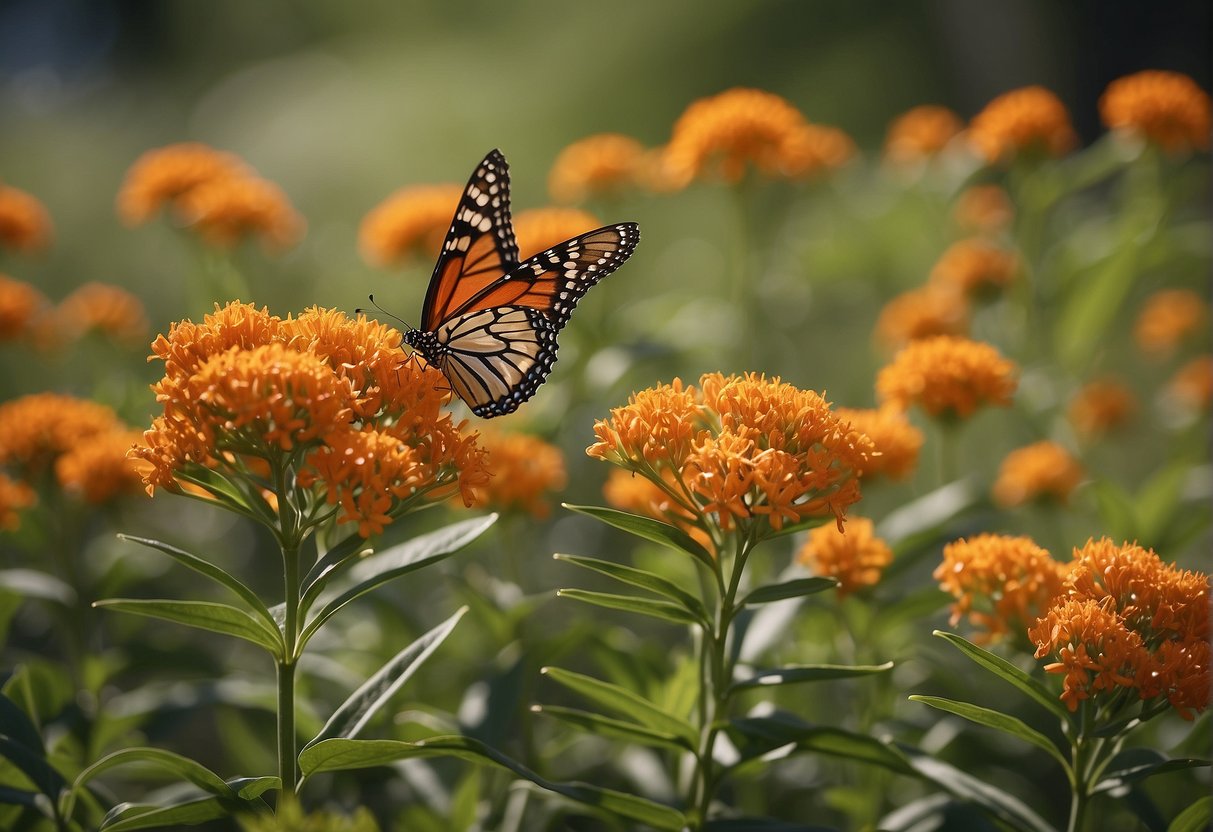
How Far Apart to Plant Butterfly Milkweed: Expert Tips
Regarding sowing butterfly milkweed, the distance between plants is crucial. This indigenous bloom is beloved by monarch butterflies, and incorporating it in your garden aids in bolstering their numbers. However, the question arises, what is the optimal spacing for butterfly milkweed to ensure its thriving growth and maximum advantage to butterflies?
Understanding butterfly milkweed and its growth habits is the first step in determining proper spacing. Butterfly milkweed, also known as Asclepias tuberosa or butterfly weed, is a perennial plant that can grow up to three feet tall and two feet wide. It produces bright orange flowers that bloom from midsummer to early fall, and its leaves are an important food source for monarch butterfly caterpillars.
To prepare for planting butterfly milkweed, you’ll want to choose a sunny location with well-draining soil. It’s also important to remove any weeds or grass from the planting area, as they can compete with the milkweed for nutrients and water. Once you’ve prepared the area, you can move on to planting guidelines to ensure your butterfly milkweed thrives.
Key Takeaways
- Proper spacing is important when planting butterfly milkweed to ensure healthy growth and support for monarch butterflies.
- Understanding butterfly milkweed and its growth habits is key to determining the right spacing for your garden.
- Preparation for planting and following planting guidelines can help ensure the success of your butterfly milkweed and its benefits for monarch butterflies.
Understanding Butterfly Milkweed
Botanical Profile
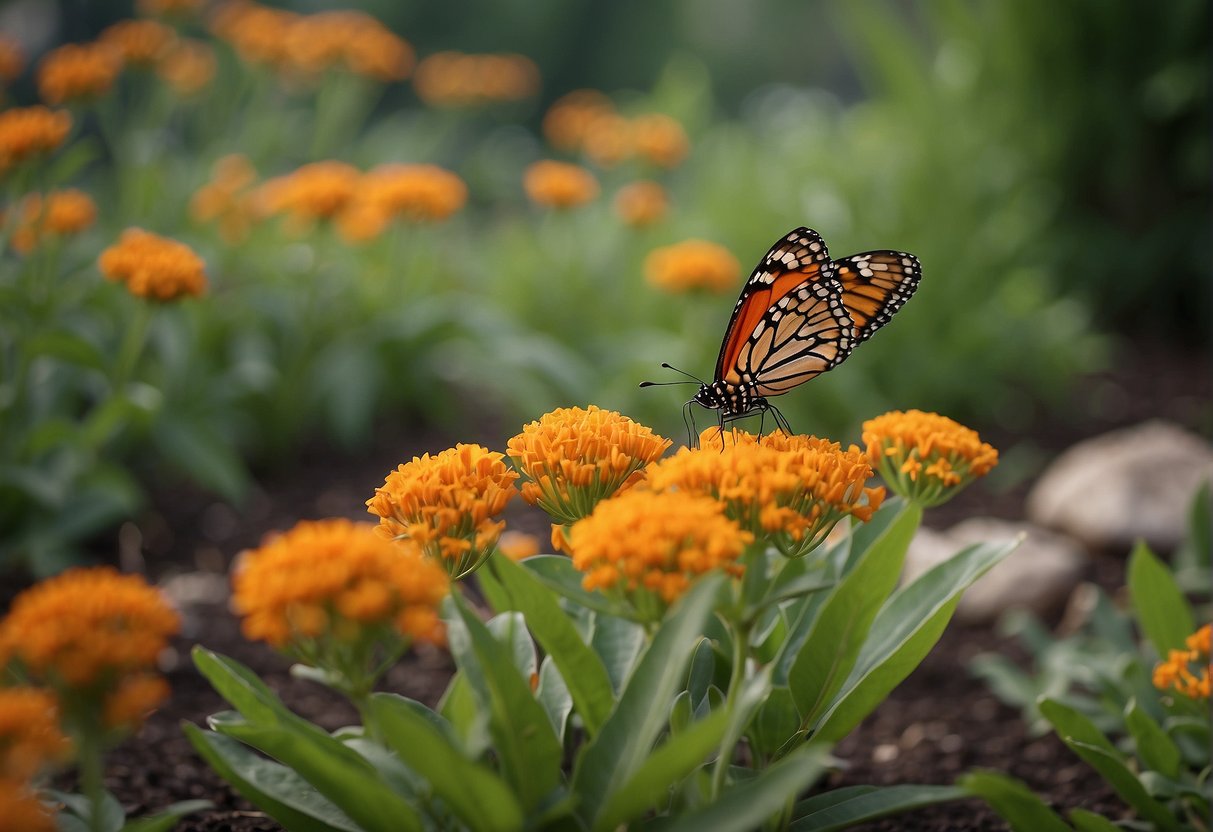
Butterfly milkweed, also known as Asclepias tuberosa, is a species of milkweed that belongs to the genus Asclepias. It is a perennial plant that grows up to 1-2 feet tall and 1-2 feet wide. The leaves are narrow and lance-shaped, while the flowers are bright orange and bloom in clusters from June to August.
Habitat and Native Range
Butterfly milkweed is native to North America and can be found in a variety of habitats, including prairies, meadows, and roadsides. It is commonly found in the eastern and central regions of North America, from Florida to Ontario and from the Atlantic coast to the Great Plains.
Benefits to Wildlife
Butterfly milkweed is an important plant for wildlife, especially butterflies and pollinators. It is a host plant for the monarch butterfly, as well as other species of butterflies and moths. The flowers provide nectar for a variety of pollinators, including bees, butterflies, and hummingbirds.
If you are planning to create a butterfly garden, planting butterfly milkweed is a great way to attract monarch butterflies and other pollinators. It is also a low-maintenance plant that requires full sun and well-drained soil.
When planting butterfly milkweed, it is important to space the plants at least 12-18 inches apart to allow for proper growth and development. This will ensure that the plants have enough space to spread out and provide habitat for wildlife.
In conclusion, butterfly milkweed is a beautiful and important plant for wildlife that can be easily incorporated into a butterfly garden. By understanding its botanical profile, native range, and benefits to wildlife, you can create a thriving habitat for monarch butterflies and other pollinators.
Preparation for Planting
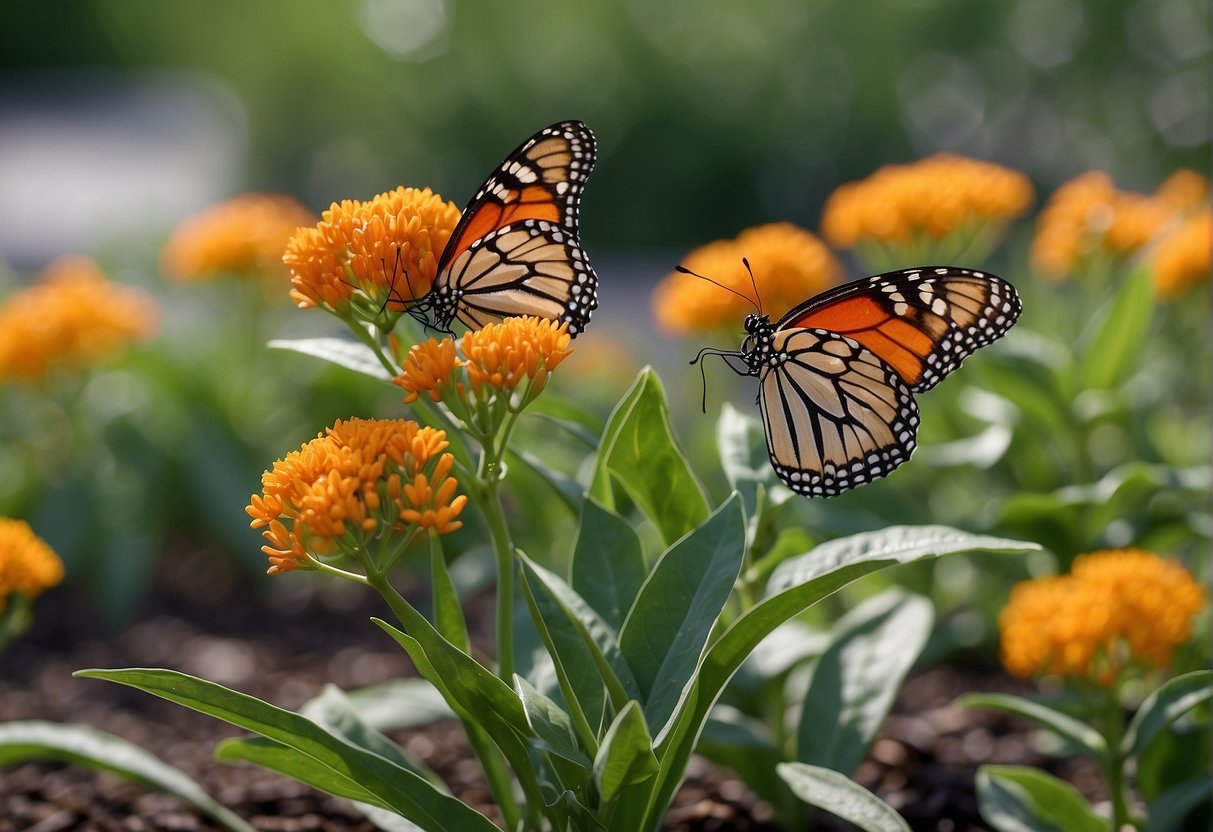
When it comes to planting butterfly milkweed, proper preparation is key to ensure successful growth. This section will cover the necessary steps to prepare for planting, including seed stratification, soil requirements, and selecting a planting site.
Seed Stratification
Butterfly milkweed seeds require stratification, which is the process of exposing the seeds to a period of cold and moist conditions to simulate winter. This process helps to break down the seed coat and trigger germination. To stratify your butterfly milkweed seeds, place them in a plastic bag with a damp paper towel and store in the refrigerator for 4-6 weeks before planting.
Soil Requirements
Butterfly milkweed prefers well-drained soil, so it is important to choose a location with soil that is not too wet. If your soil is heavy or clay-like, consider adding sand or compost to improve drainage. Butterfly milkweed can tolerate dry soil, but it is important to make sure the soil stays moist during the germination process.
Selecting a Planting Site
When selecting a planting site for your butterfly milkweed, choose a location that receives full sun. This plant thrives in direct sunlight and will not do well in shady areas. Consider the overall landscape of your garden and choose a spot that will allow the butterfly milkweed to grow and spread without interfering with other plants.
By following these preparation steps, you will be well on your way to successfully planting butterfly milkweed in your garden.
Planting Guidelines
When planting butterfly milkweed, it is important to follow specific guidelines to ensure optimal growth and development. Here are some guidelines to consider when planting Asclepias tuberosa:
Optimal Spacing
Butterfly milkweed should be planted 12-18 inches apart to allow for proper growth and development. This spacing provides enough room for the plant to spread out and receive adequate sunlight, while also preventing overcrowding.
Transplanting Seedlings
If you are transplanting seedlings, it is important to do so in the spring after the danger of frost has passed. Make sure to dig a hole that is deep enough to accommodate the root system of the seedling. Gently place the seedling into the hole and cover it with soil, making sure to water it thoroughly.
Watering and Fertilization
Butterfly milkweed requires moderate watering, especially during the first year of growth. Water the plant deeply once a week, making sure to avoid getting water on the leaves. Fertilization is not necessary, but if you choose to fertilize, use a balanced fertilizer and apply it sparingly.
By following these planting guidelines, you can ensure that your butterfly milkweed will grow and thrive. Remember to provide adequate spacing, transplant seedlings in the spring, and water and fertilize as needed. With proper care, your butterfly milkweed will reach its full height and produce beautiful flowers that attract butterflies and other pollinators.
Milkweed Maintenance
Butterfly milkweed is a hardy plant that requires minimal maintenance, making it a popular choice for gardeners. However, proper care is necessary to ensure the plant’s health and longevity. In this section, we will discuss essential tips for maintaining your milkweed plants.
Pruning and Deadheading
Pruning is an essential aspect of milkweed maintenance. It helps to keep the plant healthy and promotes new growth. You should prune your milkweed plants in the spring before they start to grow actively. Cut back any dead or damaged stems to the ground level, leaving only healthy stems. Deadheading is also necessary to encourage new blooms. Cut off the spent flowers once they have died to promote the growth of new flowers.
Managing Pests and Diseases
Milkweed plants are susceptible to pests and diseases, such as aphids, milkweed bugs, and beetles. The best way to manage pests is to inspect your plants regularly and remove any infected parts immediately. You can also use insecticidal soap to control aphids and other pests. Diseases like leaf spot and powdery mildew can be prevented by providing good air circulation and avoiding overhead watering.
Overwintering and Annual Care
Butterfly milkweed is a perennial plant that requires annual care to ensure its survival. In the fall, cut back the stems to about 6 inches above the ground. Cover the plant with a layer of mulch to protect it from freezing temperatures. In the spring, remove the mulch and wait for new growth to emerge. You can also fertilize your milkweed plants in the spring to promote healthy growth.
In conclusion, proper milkweed maintenance is essential for the health and longevity of your plants. By following these tips, you can ensure that your milkweed plants thrive and provide a beautiful habitat for butterflies and other pollinators.
Propagation Methods
If you want to add butterfly milkweed to your garden, there are a few different propagation methods you can try. In this section, we’ll cover two common methods: growing from seeds and cuttings/division.
Growing from Seeds
One of the easiest ways to propagate butterfly milkweed is by growing it from seeds. You can either purchase seeds or collect them from mature plants. If you’re collecting seeds, wait until the seed pods have turned brown and are starting to split open. Then, gently remove the seeds and let them dry for a few days before sowing.
To sow the seeds, you can either start them indoors in the early spring or sow them directly in the ground in the fall. If you’re starting them indoors, sow the seeds in a seed-starting mix and keep them moist until they germinate. Once the seedlings have developed a few true leaves, you can transplant them into larger containers or directly into the ground.
If you’re sowing the seeds directly in the ground, make sure the soil is well-draining and free of weeds. Sow the seeds about 1/4 inch deep and keep the soil moist until the seedlings emerge. Thin the seedlings to about 12-18 inches apart once they have developed a few true leaves.
Cuttings and Division
Another way to propagate butterfly milkweed is by taking cuttings or dividing mature plants. This method is best done in the spring or fall when the plant is not actively growing.
To take cuttings, select a healthy stem and cut it just below a leaf node. Remove the lower leaves and dip the cut end in rooting hormone. Plant the cutting in a pot filled with moist potting soil and keep it moist until it develops roots. Once the cutting has developed roots, you can transplant it into a larger pot or directly into the ground.
To divide mature plants, dig up the entire plant and gently separate the roots into smaller sections. Make sure each section has a few healthy stems and roots. Replant the sections in well-draining soil and keep them moist until they establish themselves.
Overall, butterfly milkweed is a relatively easy plant to propagate. Whether you choose to grow it from seeds or take cuttings/divide mature plants, with a little patience and care, you can enjoy this beautiful plant in your garden for years to come.
Environmental Considerations
When planting butterfly milkweed, it is important to consider the environmental impact. This section will cover some of the environmental considerations you should keep in mind when planting butterfly milkweed.
Invasive Potential
Butterfly milkweed is not considered to be an invasive species, but it is important to plant it in appropriate areas. Asclepias species, including butterfly milkweed, can spread easily and may become invasive in some areas. To prevent this, it is recommended that you plant butterfly milkweed in areas where it is native or has been introduced and is not considered invasive.
Toxicity Precautions
Butterfly milkweed contains a toxic milky sap that can cause irritation and toxicity to pets and humans. To avoid any potential health hazards, it is recommended that you wear gloves when handling butterfly milkweed. Additionally, it is important to keep pets away from the plant to prevent any accidental ingestion.
When planting butterfly milkweed, it is also important to consider the toxicity of the plant. While butterfly milkweed is a native plant and is not considered toxic to wildlife, it can be toxic to humans and pets if ingested. As a precaution, it is recommended that you wash your hands thoroughly after handling the plant and avoid touching your face or mouth.
Overall, planting butterfly milkweed can be a great way to support the environment and attract butterflies to your garden. However, it is important to be aware of the potential environmental impact and take precautions to avoid any potential health hazards.
Companion Planting and Design
When it comes to planting butterfly milkweed, companion planting can be a great way to enhance the beauty of your garden or landscape. Companion planting involves planting different species of plants together that have mutually beneficial relationships. In this section, we will discuss suitable companion plants and aesthetic considerations to keep in mind when designing your garden or landscape.
Suitable Companion Plants
Butterfly milkweed can be planted alongside other plants that have similar growing conditions and complement its vibrant orange flowers. Some suitable companion plants include:
- Coreopsis: This plant has similar growing conditions to butterfly milkweed and produces bright yellow flowers that complement the orange flowers of butterfly milkweed.
- Prairie clover: This plant is a great addition to a prairie garden and produces pink or purple flowers that contrast well with the orange flowers of butterfly milkweed.
- Coneflower: This plant has similar growing conditions to butterfly milkweed and produces flowers in a variety of colors, including pink, purple, and white.
In addition to these plants, it’s important to consider flower color and fragrance when selecting companion plants. Try to choose plants with complementary flower colors and fragrances that will create a cohesive and pleasant scent in your garden.
Aesthetic Considerations
When designing your garden or landscape, there are a few aesthetic considerations to keep in mind. First, consider the size and shape of your garden or container. Butterfly milkweed can grow up to 2-3 feet tall and wide, so be sure to give it enough space to grow and thrive.
Another consideration is the overall color scheme of your garden or landscape. Butterfly milkweed’s vibrant orange flowers can be paired with plants that have complementary colors, such as blue or purple. This will create a visually pleasing and cohesive look.
Finally, consider the fragrance of your plants. Butterfly milkweed does not have a strong fragrance, so consider planting fragrant plants nearby to enhance the overall scent of your garden.
By following these companion planting and design tips, you can create a beautiful and thriving garden or landscape with butterfly milkweed as the centerpiece.
Frequently Asked Questions
What is the recommended spacing for butterfly milkweed in a garden setting?
The recommended spacing for butterfly milkweed in a garden setting is 12-18 inches apart. This spacing allows each plant to receive enough sunlight, water, and nutrients to grow and thrive.
Can butterfly milkweed be grown successfully indoors, and what spacing is necessary?
Butterfly milkweed can be grown successfully indoors, but it requires a lot of light and space. For indoor growing, it’s recommended to plant one seedling per 6-inch pot or one mature plant per 12-18 inch pot.
What considerations should be taken when planting butterfly milkweed in California?
When planting butterfly milkweed in California, it’s important to choose a location that receives full sun and has well-draining soil. In some areas, it may be necessary to provide supplemental water during periods of drought.
Is fall a suitable time to plant butterfly milkweed, and how does spacing differ?
Fall is a suitable time to plant butterfly milkweed, but spacing should be adjusted to accommodate the plant’s growth during the winter months. Plants should be spaced 18-24 inches apart to allow for winter growth and expansion.
How much room is needed to grow butterfly milkweed in containers?
Butterfly milkweed can be grown in containers, but it requires a container that is at least 12 inches deep and 18 inches wide. This allows enough room for the plant’s root system to develop and for the plant to grow to its full size.
What are the growth habits of butterfly milkweed, and how does this affect planting density?
Butterfly milkweed has a clumping growth habit and can spread up to 24 inches wide. This should be taken into consideration when planting, and the recommended spacing of 12-18 inches should be followed to allow each plant to grow and spread without overcrowding.

