
How to Propagate a Beautyberry Bush: Expert Tips and Techniques
If you aim to enhance your garden with vibrant hues and appealing visuals, consider the beautyberry bush a superb option. This plant, with its striking purple berries and verdant leaves, can introduce a magical ambiance to your garden area. However, if you’re contemplating the propagation of your beautyberry bush, you might be unsure of the initial steps. Luckily, the propagation technique is quite simple, and with just a bit of dedication and nurturing, you can successfully cultivate new plants that will prosper.
To begin, it’s essential to understand the beautyberry bush’s growth habits and requirements. This plant is native to the southeastern United States and thrives in warm, humid climates. It prefers partial shade but can tolerate full sun in cooler regions. Beautyberry bushes are typically low-maintenance and disease-resistant, making them an excellent choice for novice gardeners. However, it’s essential to choose healthy, mature plants for propagation to ensure the best possible outcome.
Once you’ve chosen your plants, you’ll need to prepare them for propagation. This involves selecting the right time of year, gathering the necessary tools and supplies, and ensuring that your plants are healthy and well-nourished. With the right preparation and technique, you can successfully propagate your beautyberry bushes and create a stunning display of color and texture in your garden.
Key Takeaways
- Understanding the beautyberry bush’s growth habits and requirements is essential for successful propagation.
- Proper preparation, including choosing healthy plants and gathering necessary tools, is critical for successful propagation.
- With the right technique and care, you can create new beautyberry bushes that will thrive and add color to your garden.
Understanding Beautyberry

Species Overview
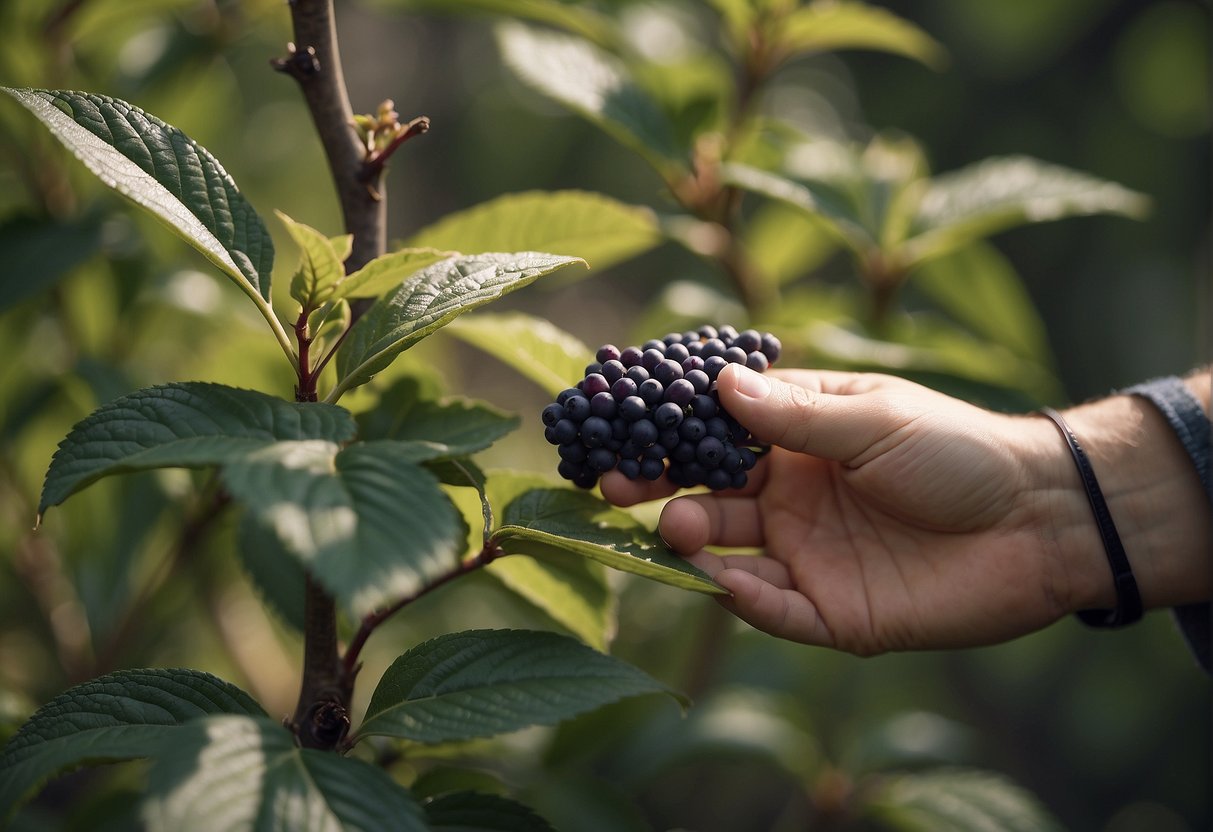
Beautyberry, also known as American beautyberry or Callicarpa americana, is a deciduous shrub native to North America. It belongs to the mint family and can grow up to 6 feet tall and wide. The plant produces clusters of small, pink or white flowers in the summer, followed by bright purple berries in the fall. The berries are a favorite food of many wildlife species, including birds, deer, and squirrels.
Optimal Growing Conditions
Beautyberry is a hardy plant that can grow in a variety of conditions. It prefers well-drained soil and partial shade, but can also tolerate full sun and moist soil. The plant is drought-tolerant once established and can survive in hardiness zones 6 to 10. Beautyberry is often used in landscaping due to its attractive foliage and berries.
Significance in Ecosystem
Beautyberry plays an important role in the ecosystem. Its berries provide a food source for many wildlife species, which helps to promote biodiversity. The plant also provides shelter for birds and other small animals. Beautyberry is often found in forest understories, where it helps to stabilize soil and prevent erosion.
In summary, beautyberry is a versatile and attractive shrub that can thrive in a variety of growing conditions. Its importance in the ecosystem cannot be overstated, as it provides food and shelter for many wildlife species. Whether you are looking to add beautyberry to your landscape or simply appreciate its significance in the forest, this plant is a valuable addition to any outdoor space.
Propagation Basics
If you want to propagate a beautyberry bush, there are a few things you should keep in mind. Propagation is the process of growing new plants from existing ones. It can be a great way to expand your garden or share plants with friends and family.
Propagation Methods
There are several ways to propagate a beautyberry bush, including:
- Stem cuttings: This method involves taking a cutting from the stem of the plant and rooting it in soil or water.
- Layering: This method involves bending a stem down to the ground and covering it with soil. The stem will eventually develop roots and can be separated from the parent plant.
- Division: This method involves separating the plant into smaller sections and replanting them.
Each method has its own advantages and disadvantages, so it’s important to choose the one that’s right for you.
Choosing the Right Time for Propagation
The best time to propagate a beautyberry bush is in the spring or early summer when the plant is actively growing. This is when the plant has the most energy for root development and new growth.
When choosing a stem cutting, look for a healthy stem with several leaves. Make sure the stem is at least 4-6 inches long and has no flowers or fruit. Cut the stem at a 45-degree angle just below a node (where a leaf attaches to the stem).
With these propagation basics in mind, you can successfully grow new beautyberry bushes and expand your garden.
Preparing for Propagation
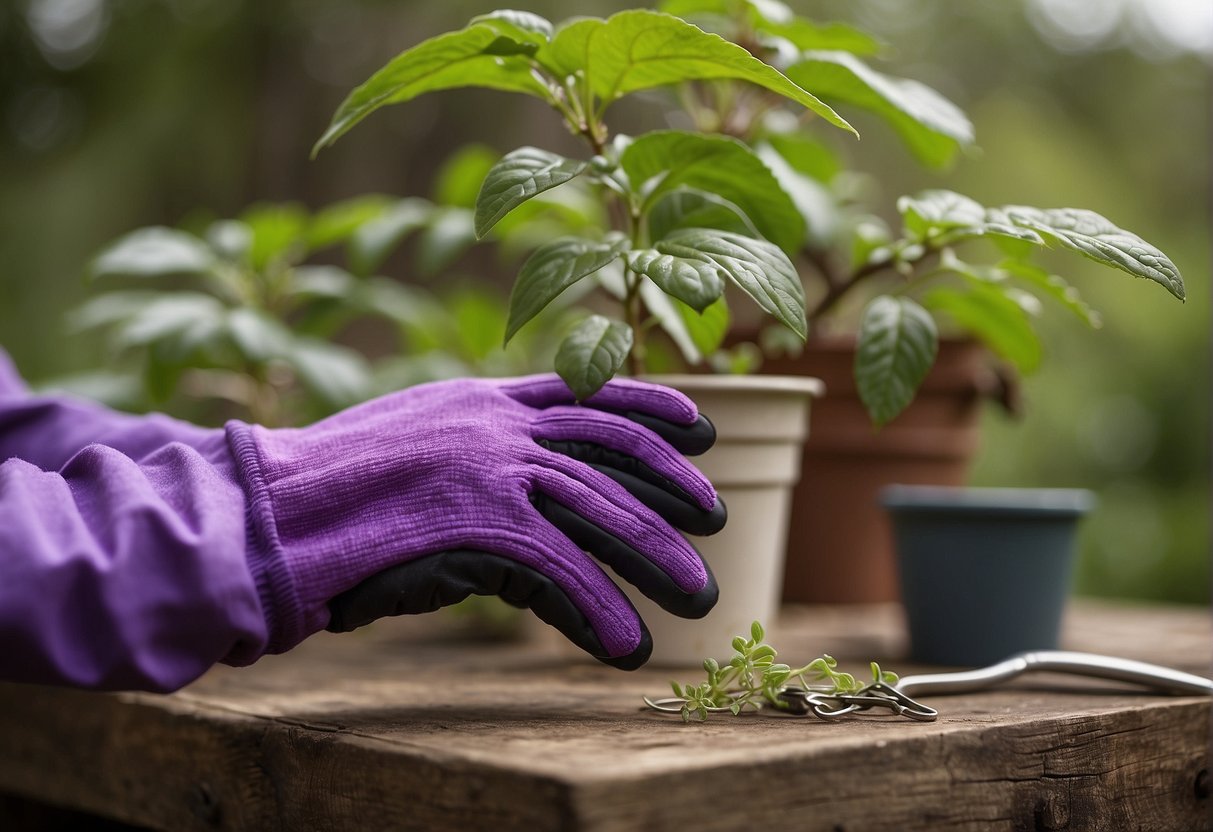
Before propagating your beautyberry bush, you need to prepare the right materials and environment to ensure success. This section will cover the material selection and creating the right environment for propagation.
Material Selection
To propagate beautyberry bush, you will need the following materials:
- Softwood or stem cuttings: These should be taken from the current year’s growth and should be around 4-6 inches long.
- Potting mix: Use a well-draining potting mix that is moist but not waterlogged.
- Rooting hormone: This helps to stimulate root growth.
- Perlite or vermiculite: These can be added to the potting mix to improve drainage.
- Peat moss: This can be added to the potting mix to improve water retention.
- Rooting hormone powder: This can be used instead of liquid rooting hormone.
- Humidity dome: This can be used to create a humid environment for the cuttings.
Creating the Right Environment
To create the right environment for propagation, follow these steps:
- Fill a pot with the potting mix and add perlite or vermiculite and peat moss if desired.
- Dip the cuttings in rooting hormone powder or liquid and plant them in the potting mix.
- Water the cuttings and cover them with a humidity dome to create a humid environment.
- Place the pot in indirect light and maintain a temperature of around 70-75°F.
- Keep the potting mix moist but not waterlogged by watering the cuttings regularly.
- After 4-6 weeks, the cuttings should have developed roots and can be transplanted into individual pots or directly into the garden.
By following these steps and using the right materials, you can successfully propagate your beautyberry bush and enjoy its beautiful foliage and berries.
Propagation Techniques
If you are looking to propagate your beautyberry bush, there are two main methods to choose from: seed propagation and cutting propagation.
Seed Propagation
To propagate your beautyberry bush from seed, you will need to collect the fruit in the fall when it is fully ripe. Remove the seeds from the fruit and clean them thoroughly. You can then plant the seeds in seedling trays filled with a well-draining potting mix. Cover the seeds with a thin layer of soil and water them lightly.
To aid in germination, you may want to stratify the seeds by placing them in the refrigerator for a few weeks before planting. Keep the seedling trays in a warm, bright location and water them regularly. With proper care, your beautyberry seeds should germinate within a few weeks.
Cutting Propagation
Cutting propagation is another effective method for propagating beautyberry bushes. To start, take cuttings from new wood in the spring or early summer. Cuttings should be approximately 4-6 inches long and should include at least two nodes.
Dip the cut end of the cutting in rooting hormone and plant it in a well-draining potting mix. Cover the pot with a plastic bag to create a humid environment and place it in a warm, bright location. After a few weeks, your cuttings should begin to root.
Once your cuttings have developed a healthy root system, you can transplant them into larger pots or directly into your garden. With proper care, your new plants should thrive and grow into beautiful beautyberry bushes.
Overall, propagating beautyberry bushes is a simple and rewarding process. Whether you choose to use seed propagation or cutting propagation, with a little patience and care, you can easily create new plants to enjoy in your garden.
Post-Propagation Care
After successfully propagating your beautyberry bush, it is important to provide proper care to ensure its healthy growth and development. Here are some essential post-propagation care tips that you should follow:
Watering and Feeding
Water your beautyberry bush regularly, especially during its first growing season. Make sure the soil is moist but not waterlogged as it can lead to root rot. Fertilize your bush with a balanced fertilizer in early spring and mid-summer to encourage healthy growth and fruit production.
Pruning and Shaping
Prune your beautyberry bush in late winter or early spring to remove any damaged or diseased branches. You can also shape your bush by selectively pruning to encourage new growth and maintain its desired shape. Regular pruning will also help to increase fruit production.
Transplanting and Acclimatization
If you need to transplant your beautyberry bush, do it in early spring or late fall when the plant is dormant. Make sure to dig a hole that is twice as wide as the root ball and add organic matter to the soil for better drainage. After transplanting, water your bush regularly and provide shade for the first few weeks to help it acclimate to its new environment.
By following these post-propagation care tips, you can ensure that your beautyberry bush remains healthy and attractive for years to come. Regular maintenance and proper care will help to prevent damage and diseases and promote healthy growth and fruit production.
Troubleshooting Common Issues
If you’re having trouble propagating your beautyberry bush, there are a few common issues that you may encounter. Here are some troubleshooting tips to help you get back on track:
Pest and Disease Management
Pests and diseases can be a major problem when propagating beautyberry bushes. Here are some common issues and how to deal with them:
- Aphids: These small insects feed on the sap of the plant and can cause stunted growth and distorted leaves. You can control aphids by spraying the plant with a mixture of water and dish soap.
- Spider mites: These tiny mites can cause yellowing and wilting of the leaves. You can control spider mites by spraying the plant with a mixture of water and neem oil.
- Powdery mildew: This fungal disease can cause a white powdery coating on the leaves. You can control powdery mildew by spraying the plant with a mixture of water and baking soda.
Environmental Stress Factors
Environmental stress factors can also cause problems when propagating beautyberry bushes. Here are some common issues and how to deal with them:
- Sun exposure: Beautyberry bushes prefer full sun to partial shade. If your plant is not getting enough sunlight, it may not grow properly. If it’s getting too much direct sunlight, it may become stressed and wilt. Make sure your plant is getting the right amount of sun for its needs.
- Temperature: Beautyberry bushes prefer moist, well-drained soil and moderate temperatures. If the soil is too dry or too wet, or if the temperature is too hot or too cold, the plant may become stressed and stop growing. Make sure your plant is in a suitable environment.
- Moisture and Drainage: Beautyberry bushes prefer moist, well-drained soil. If the soil is too dry or too wet, the plant may become stressed and stop growing. Make sure your plant is getting the right amount of water and that the soil is draining properly.
By following these troubleshooting tips, you can help ensure that your beautyberry bush grows strong and healthy.
Conclusion
By following the steps outlined in this article, you can successfully propagate an American Beautyberry bush in your garden. This ornamental plant is known for its clusters of purple berries that attract birds and add a pop of color to your landscape.
Propagating a Beautyberry bush is a simple and effective way to expand your garden without spending a lot of money. By taking cuttings from an established plant and rooting them in soil, you can create new plants that will thrive in your garden.
Whether you are a seasoned gardener or a beginner, propagating a Beautyberry bush is a fun and rewarding project. With a little bit of patience and care, you can enjoy the beauty of this plant and the benefits it provides to the wildlife in your area.
Frequently Asked Questions
What are the steps for propagating a beautyberry bush from cuttings?
To propagate a beautyberry bush from cuttings, you will need to take a 4-6 inch cutting from a healthy plant during the spring or early summer. Remove all the leaves from the bottom half of the cutting, dip it in rooting hormone, and place it in moist potting soil. Keep the soil moist and in a warm, shaded area until roots develop.
How long does it take for beautyberry cuttings to root in water?
Beautyberry cuttings can take 2-4 weeks to root in water. Change the water every few days to keep it fresh and prevent mold growth. Once roots have developed, transfer the cutting to a pot with well-draining soil and keep it in a warm, shaded area until it establishes.
Can you grow a beautyberry bush from seeds, and if so, how?
Yes, you can grow a beautyberry bush from seeds. Collect the berries in the fall and remove the seeds from the pulp. Soak the seeds in water for 24 hours before planting them in moist potting soil. Keep the soil moist and in a warm, shaded area until seedlings emerge.
When is the ideal time to plant beautyberry seeds?
The ideal time to plant beautyberry seeds is in the fall, after the berries have ripened and the seeds have been collected. Plant the seeds in moist potting soil and keep them in a warm, shaded area until they germinate.
What is the best method to start a new beautyberry plant?
The best method to start a new beautyberry plant is by taking cuttings from a healthy plant during the spring or early summer. Root the cuttings in moist potting soil and keep them in a warm, shaded area until they establish.
What conditions are required for a beautyberry bush to thrive after planting?
Beautyberry bushes thrive in well-draining soil with partial shade to full sun exposure. They require regular watering, especially during dry periods. Prune the plant in early spring to promote new growth and remove any dead or diseased branches.

