
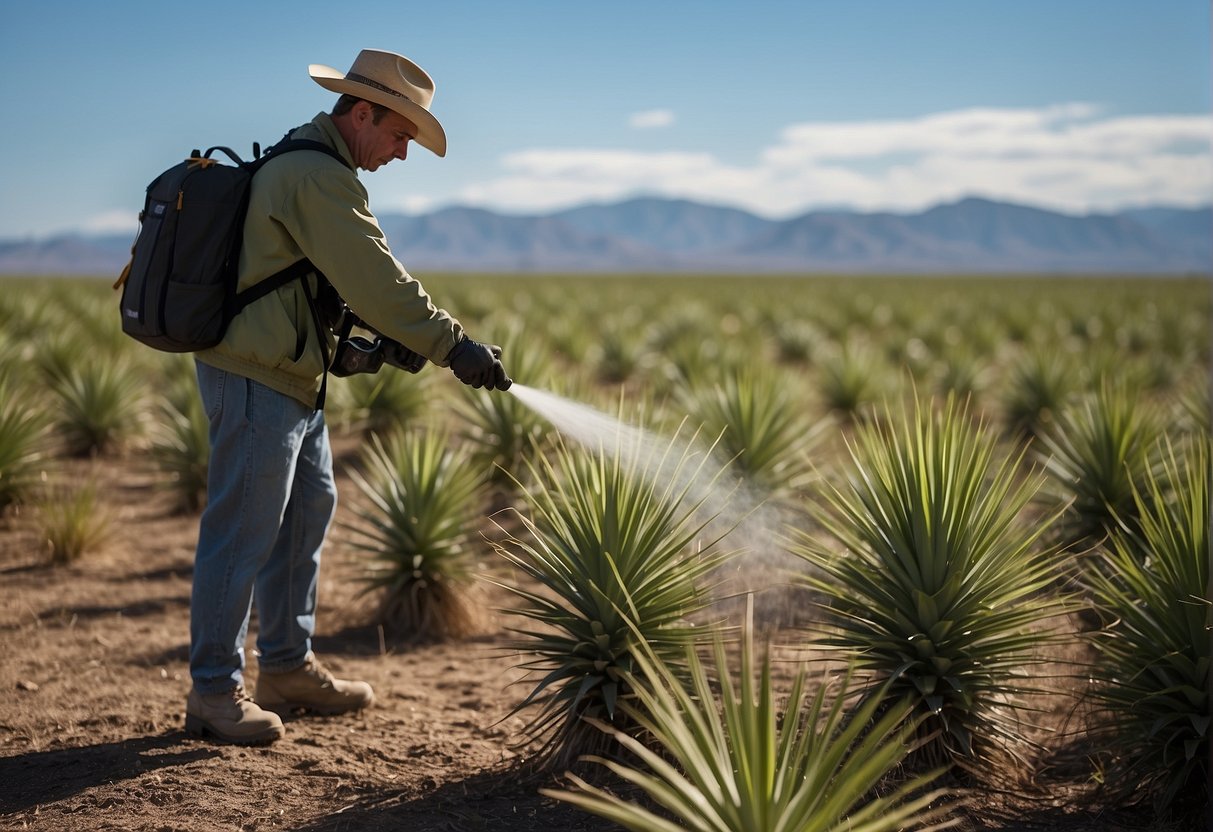
What to Use to Kill Yucca Plants: Effective Methods and Tips
Should you find yourself with a yucca plant that no longer fits in its designated area or you’re just looking to dispose of it, you might be curious about the most effective method for eliminating it. There exists a variety of tactics to successfully get rid of yucca plants, both through physical and chemical means. In this piece, we will examine the various strategies for exterminating yucca plants and address some common inquiries regarding the elimination process.
Mechanical removal methods involve physically removing the plant and its roots from the ground. This can be a good option for small yucca plants or those that are growing in easily accessible areas. However, larger yucca plants may require more effort to remove, and you’ll need to make sure you remove the entire root system to prevent regrowth. Chemical control strategies involve using herbicides to kill the plant. This method can be effective for larger yucca plants or those that are difficult to remove manually. However, it’s important to use herbicides carefully and follow all safety precautions to avoid damaging surrounding plants or harming the environment.
Key Takeaways
- Mechanical removal methods involve physically removing the plant and its roots from the ground.
- Chemical control strategies involve using herbicides to kill the plant.
- When removing yucca plants, it’s important to consider the size of the plant, its location, and the potential impact on surrounding plants and the environment.
Mechanical Removal Methods
If you want to kill yucca plants, mechanical removal methods are a good option. These methods involve physically removing the plant and its root system from the ground. Here are some mechanical removal methods you can use:
Digging and Cutting
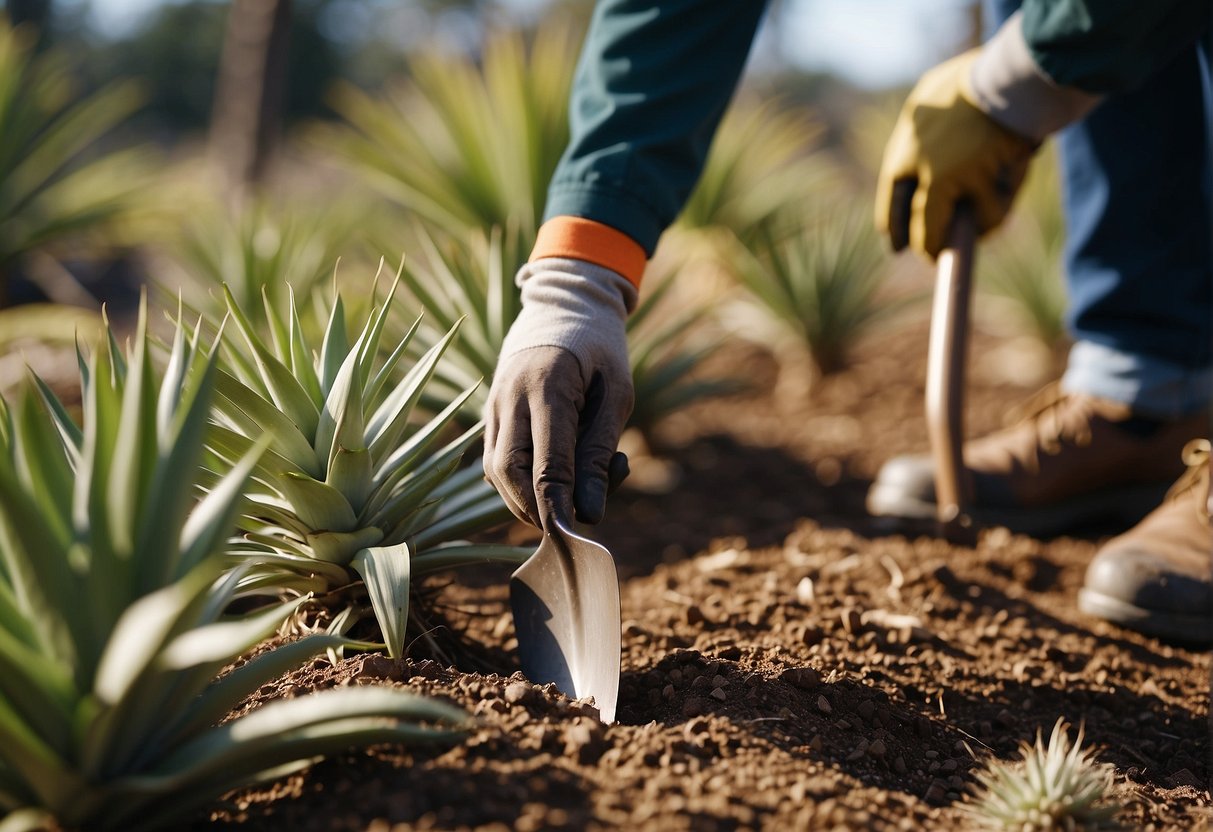
One way to remove yucca plants is by digging them up with a shovel. Make sure you dig deep enough to get the entire root system. You can also use pruning shears to cut the plant down to the ground. This method is best for small yucca plants and is not recommended for larger ones.
Suffocation Techniques
Another way to kill yucca plants is by suffocating them. This involves covering the plant with cardboard, mulch, or a plastic sheet to block out sunlight. Without sunlight, the plant cannot perform photosynthesis, which will eventually kill it. Be patient with this method, as it may take several weeks or even months for the plant to die.
Dealing with Regrowth
After removing a yucca plant, it is important to deal with regrowth. The plant may sprout new growth from its roots, which can be persistent and difficult to eradicate. To prevent new growth, make sure you remove the entire root system and cover the area with mulch or a plastic sheet.
Safety Precautions
When using mechanical removal methods to kill yucca plants, it is important to take safety precautions. Wear protective clothing and equipment, such as gloves and eye protection, to avoid getting injured by the plant’s sharp leaves. Be cautious when using sharp tools, such as pruning shears and shovels, and make sure you dispose of the plant properly.
Chemical Control Strategies
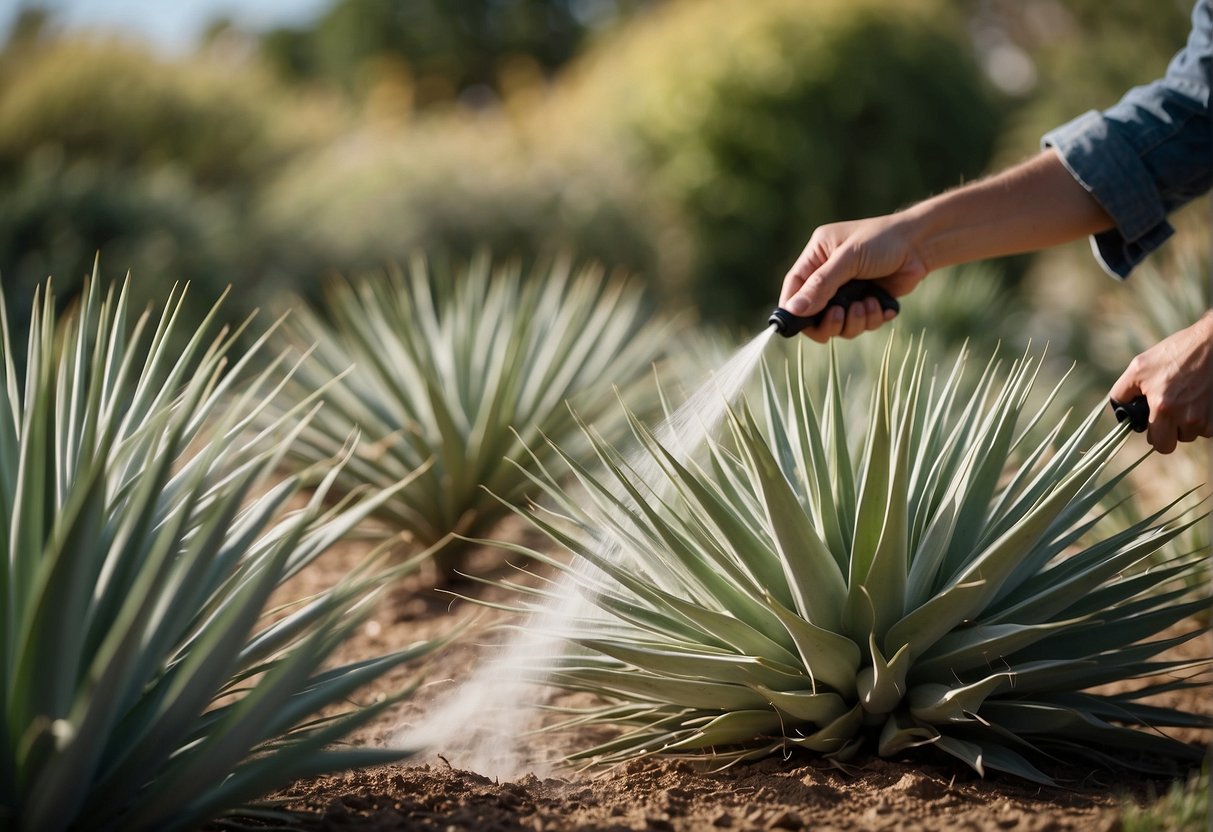
If you have tried manual removal methods and they have failed, you may need to resort to chemical control strategies to kill yucca plants. Chemical control is a more aggressive method and should be used with caution. It is important to select the right herbicide, apply it correctly, and consider the environmental impact.
Selecting the Right Herbicide
Glyphosate is a non-selective herbicide that is effective in killing yucca plants. Roundup is a popular brand of glyphosate herbicide that can be applied directly to the plant or to the soil around the roots. For larger yucca plants, a stump killer containing glyphosate can be used to kill the root system.
Triclopyr is another non-selective herbicide that can be used to kill yucca plants. It is often used in a herbicide mixture with glyphosate for maximum effectiveness.
When selecting a herbicide, it is important to read the label carefully and follow the instructions for use. Some herbicides may not be safe to use in certain environments, such as near water sources or in vegetable gardens.
Application Techniques
To apply herbicides to a yucca plant, use a sprayer or paintbrush to apply the herbicide directly to the leaves or stem of the plant. For larger plants, apply the herbicide to the cut stump to kill the root system.
To prevent the herbicide from spreading to other plants in the landscape, cover nearby plants with plastic sheeting or cardboard before applying the herbicide.
Environmental Considerations
Herbicides can have a negative impact on the environment, so it is important to consider the environmental impact before using them. Avoid using herbicides near water sources or in areas where they may harm wildlife.
To minimize the environmental impact, use herbicides sparingly and only when necessary. Consider using alternative methods, such as manual removal or planting drought-tolerant perennial shrubs, to control invasive species in your landscaping.
Mixing herbicides with vegetable oil or diesel fuel can increase their effectiveness, but it can also increase the risk of environmental contamination. Use caution when using these methods and follow the instructions carefully.
Frequently Asked Questions
What natural methods are effective for killing yucca plants?
Natural methods for killing yucca plants include manually digging them up, cutting the plant off at the base and applying a natural herbicide such as vinegar or boiling water to the roots. These methods may take longer to see results, but they are environmentally friendly and safe for use around pets and children.
Is vinegar a viable solution for eliminating yucca roots?
Yes, vinegar can be an effective solution for eliminating yucca roots. However, it may take multiple applications to completely kill the plant. To use vinegar as a natural herbicide, apply it directly to the yucca plant’s roots and surrounding soil. Be sure to wear protective gloves and clothing when handling vinegar.
Can boiling water be used to eradicate yucca roots?
Boiling water can be used to eradicate yucca roots, but it may not be as effective as other natural herbicides. To use boiling water, pour it directly onto the yucca plant’s roots and surrounding soil. This method may need to be repeated multiple times to see results.
What herbicides are recommended for yucca plant removal?
Herbicides containing glyphosate or triclopyr are recommended for yucca plant removal. These chemicals are effective at killing the plant’s roots and preventing regrowth. However, they should be used with caution and according to the manufacturer’s instructions.
How can one effectively remove a large yucca plant?
To effectively remove a large yucca plant, it is recommended to hire a professional landscaper or tree removal service. Attempting to remove a large yucca plant on your own can be dangerous and may result in injury or damage to surrounding property.
Does diesel function as a yucca plant killer?
While diesel may be effective at killing yucca plants, it is not recommended for use as a herbicide. Diesel is highly flammable and can be hazardous to the environment and human health. It is best to use safer, more environmentally friendly methods for yucca plant removal.

