
How Long Do Red Yucca Plants Bloom in Arizona: A Comprehensive Guide
If you reside in Arizona and are curious about the duration of the bloom period for red yucca plants, this is the perfect spot for you. Recognized also as Hesperaloe parviflora, the red yucca is favored across Arizona for its appealing looks and minimal upkeep needs. Throughout this piece, we will delve into the flowering cycle of the red yucca and offer advice on how to maintain their health and vibrancy.
Red yucca plants are known for their long-lasting blooms that can last up to six months. However, the exact blooming period can vary depending on several factors such as the climate, soil conditions, and the age of the plant. In general, red yucca plants bloom from late spring to early fall, with the peak blooming period occurring in late spring and early summer. With proper care and maintenance, you can extend the blooming period of your red yucca plant and enjoy its beautiful flowers for longer.
Key Takeaways
- Red yucca plants are known for their long-lasting blooms that can last up to six months.
- The blooming period can vary depending on several factors such as the climate, soil conditions, and the age of the plant.
- With proper care and maintenance, you can extend the blooming period of your red yucca plant and enjoy its beautiful flowers for longer.
Red Yucca Plant Characteristics
Botanical Profile and Distribution
Red yucca (Hesperaloe parviflora) is a popular succulent plant that is native to the Chihuahuan desert in southwestern Texas and northern Mexico. It is a species of perennial plant that belongs to the Agavaceae family. The plant is commonly grown in Arizona and other parts of the United States.
Physical Description
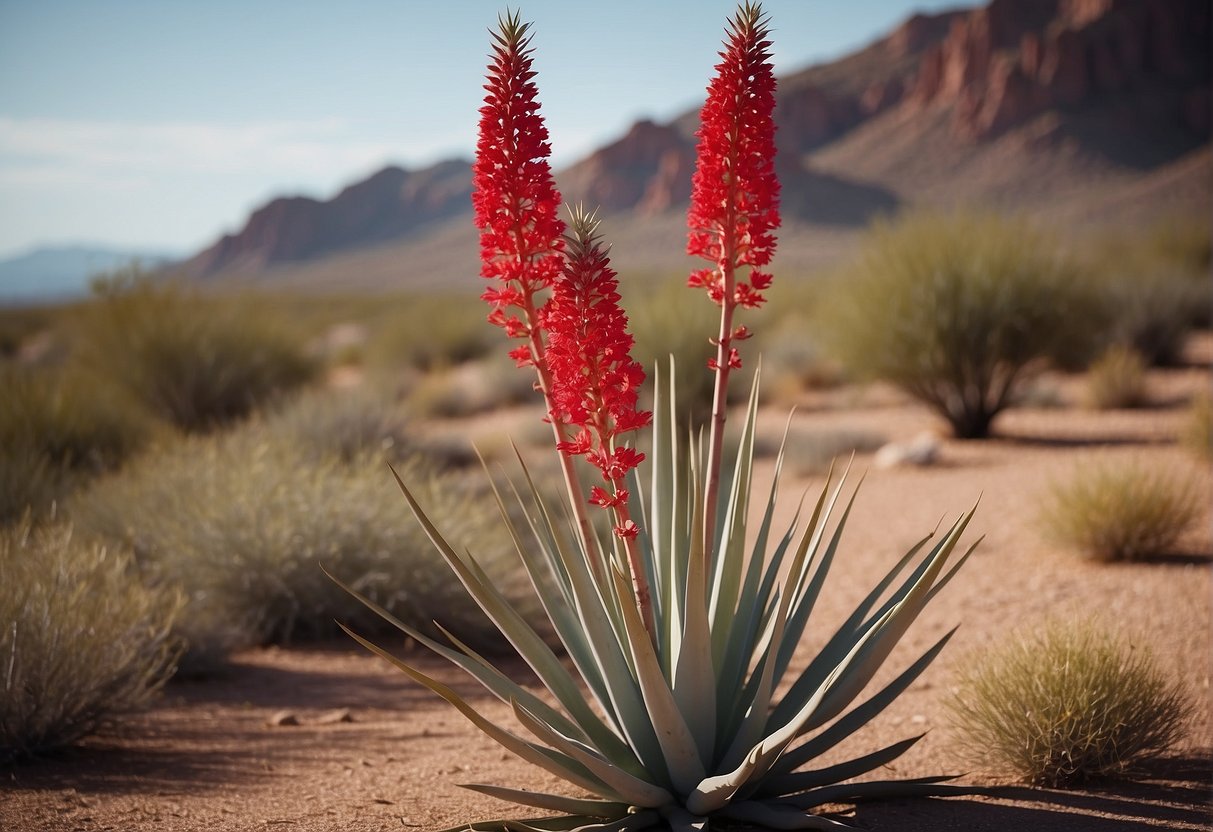
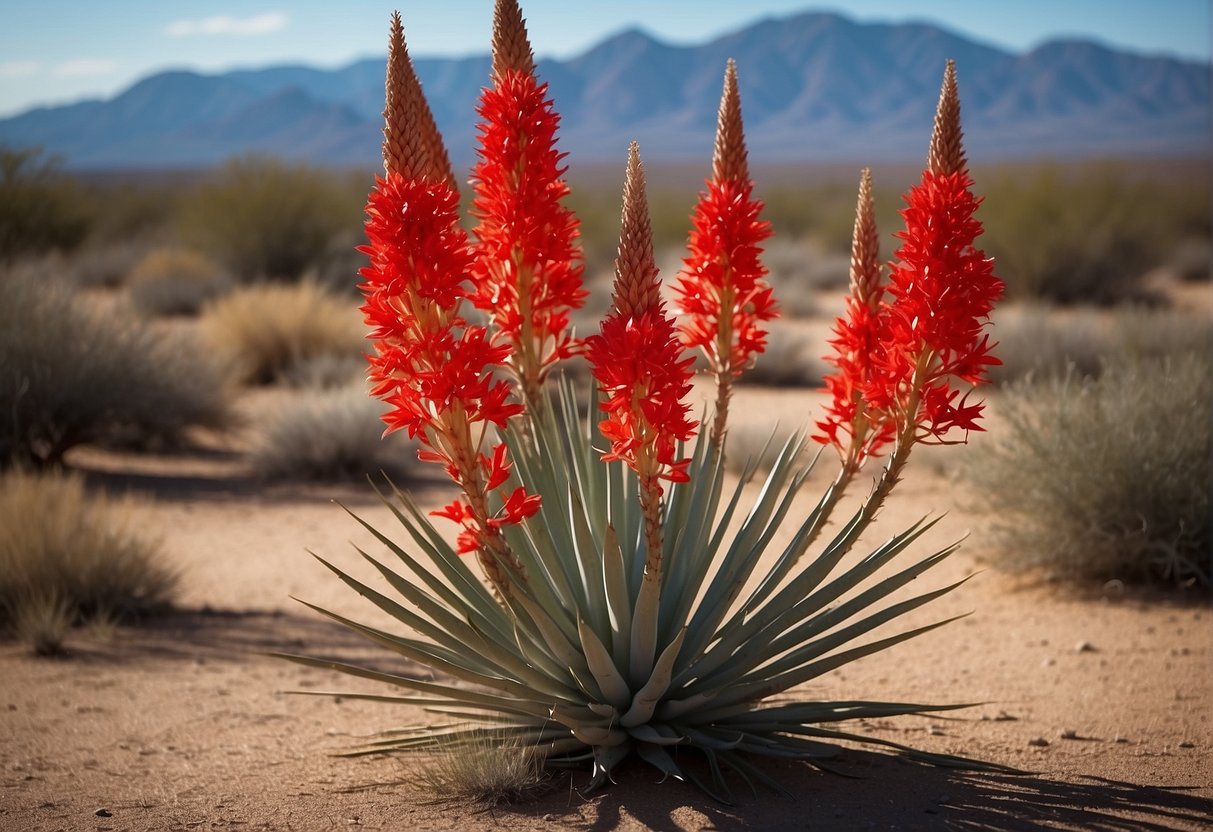
Red yucca is an evergreen plant that features long, narrow leaves that are green in color. The leaves are about 2 feet long and 1 inch wide, and they grow in a rosette pattern. The plant produces long stalks that can grow up to 5 feet tall, and these stalks bear clusters of red flowers that bloom from spring through fall. The flowers are tubular in shape and about 2 inches long, and they are often pollinated by hummingbirds.
Red yucca is available in several cultivars, including those with yellow or pink flowers. The plant is low-maintenance and tolerant of drought, making it a popular choice for landscaping in arid regions. Its foliage and flowers add color and texture to gardens and landscapes, and it is often planted as a border or accent plant. Overall, red yucca is an attractive and hardy plant that can thrive in a variety of conditions.
Cultivation and Care
Planting and Growth Conditions
Red yucca plants thrive in full sun and well-drained soil. They can tolerate a range of soil types but prefer soil that is slightly acidic to neutral. When planting, make sure to space the plants at least three feet apart to allow for proper growth and air circulation.
In Arizona, red yuccas bloom from late spring through fall. They are drought-tolerant and can survive in hot and dry conditions. However, they do require some water during prolonged droughts to maintain their blooms.
Maintenance and Pruning
Red yuccas are hardy and low-maintenance plants. They do not require regular fertilization and can survive without pruning. However, removing the spent flower stalks can encourage new blooms to form.
If your red yucca plant starts to produce pups, you can separate them from the main clump and plant them elsewhere in your garden or landscape.
Bloom Characteristics
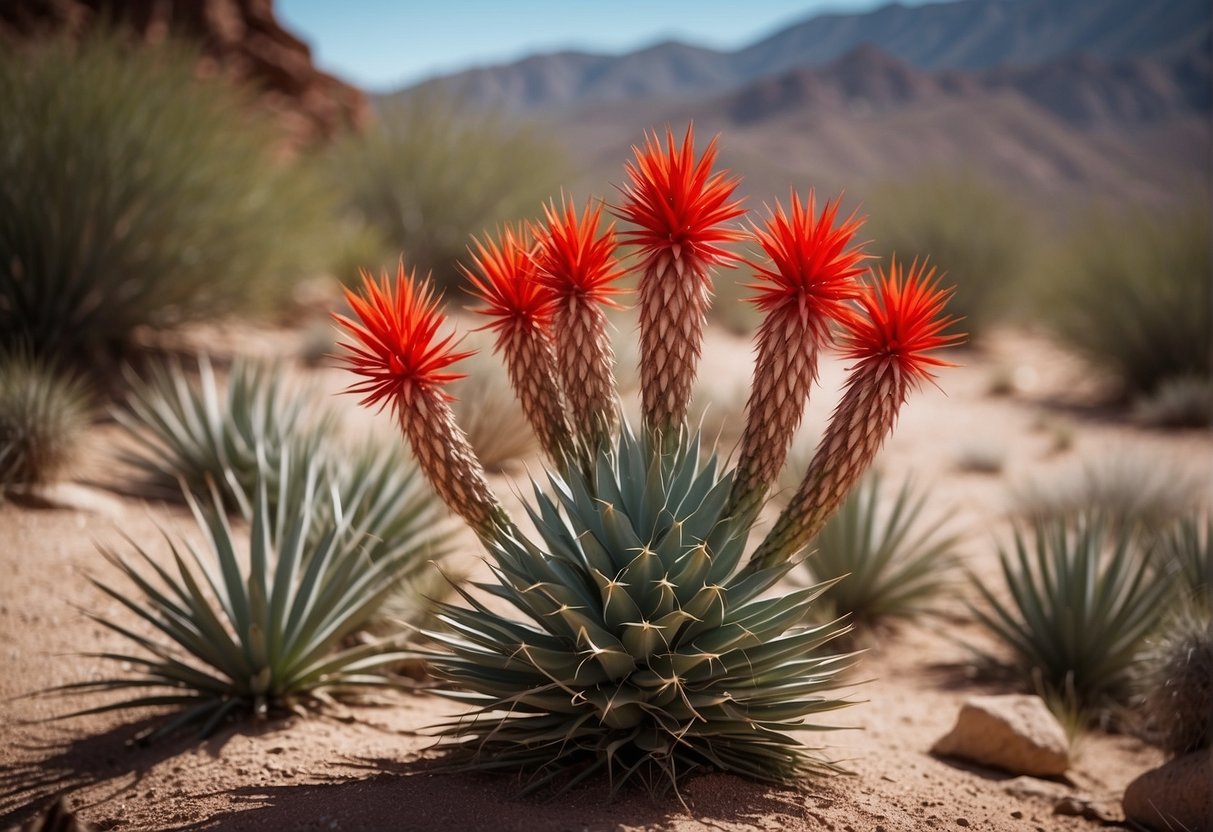
The flower color of red yuccas can vary from pink to red, and sometimes even yellow. The blooms are tubular and attract hummingbirds and other pollinators. The flower stalks can reach up to five feet tall and add a dramatic element to any garden or landscape.
Overall, red yuccas are a stunning and drought-tolerant plant that can add beauty to any outdoor space. With proper care and maintenance, they can bloom for several months and bring joy to your garden year after year.
Frequently Asked Questions
What is the typical blooming period for Red Yucca in Arizona?
Red Yucca plants typically bloom from late spring through early fall in Arizona. The blooming period can vary depending on the weather conditions and the location of the plant. However, you can expect your Red Yucca to bloom for several months during the year.
How should Red Yucca be cared for in Arizona’s climate?
Red Yucca plants are drought-tolerant and can survive in Arizona’s hot and dry climate. They require well-draining soil and minimal watering. You should avoid overwatering your Red Yucca as it can lead to root rot. Additionally, Red Yucca plants prefer full sun exposure and can benefit from occasional fertilization.
What are common issues with Red Yucca growth and how can they be addressed?
One common issue with Red Yucca growth is the presence of pests such as spider mites and aphids. These pests can be controlled with insecticidal soap or neem oil. Another issue is fungal diseases such as root rot and leaf spot. These can be prevented by ensuring proper drainage and avoiding overwatering.
What steps should be taken after a Red Yucca has finished flowering?
After your Red Yucca has finished flowering, you can remove the spent flower stalks to encourage new growth. Additionally, you can prune any dead or damaged leaves to maintain the plant’s appearance. However, be careful not to remove too much of the plant as it can affect its overall health.
What are the cold tolerance levels for Red Yucca plants?
Red Yucca plants are hardy to USDA zones 5-11 and can tolerate temperatures as low as -10°F. However, prolonged exposure to freezing temperatures can damage the plant’s leaves and flowers. If you live in an area with harsh winters, it may be best to protect your Red Yucca with a layer of mulch or move it indoors.
How often should Red Yucca plants be trimmed or pruned?
Red Yucca plants do not require frequent pruning or trimming. However, you can remove any dead or damaged leaves as needed to maintain the plant’s appearance. Additionally, you can trim the plant’s flower stalks after they have finished blooming to encourage new growth.

