
What is Butterfly Milkweed? A Guide to Understanding this Native Wildflower
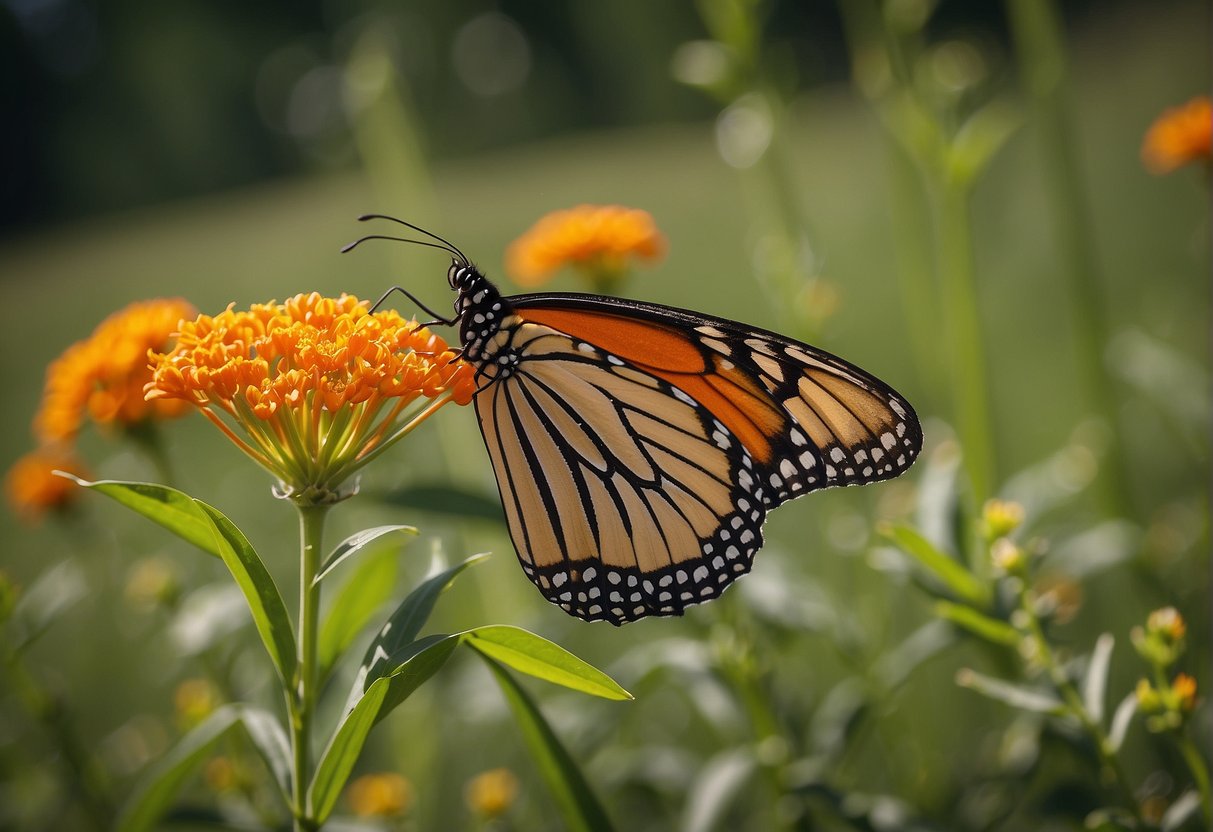
Should you desire to brighten up your garden and aid local pollinating species at the same time, consider incorporating butterfly milkweed (Asclepias tuberosa). This perennial is beloved by monarch butterflies and various other pollinators, rendering it an attractive option for those aiming to attract more wildlife to their gardens. However, what is butterfly milkweed, and why is it considered to be so remarkable?
Butterfly milkweed is a member of the Asclepias family, which includes over 100 species of milkweed plants. As its name suggests, butterfly milkweed is a favorite of butterflies, particularly monarchs. The plant’s bright orange flowers and long blooming period make it a popular choice for gardeners looking to attract these beautiful insects. But butterfly milkweed isn’t just a pretty face – it’s also an important host plant for monarch caterpillars, providing essential food and habitat for these threatened insects.
Key Takeaways
- Butterfly milkweed is a member of the Asclepias family and a favorite of monarch butterflies.
- The plant’s bright orange flowers and long blooming period make it a popular choice for gardeners looking to attract pollinators.
- Butterfly milkweed is an important host plant for monarch caterpillars, providing essential food and habitat for these threatened insects.
Botanical Profile
Genus and Species
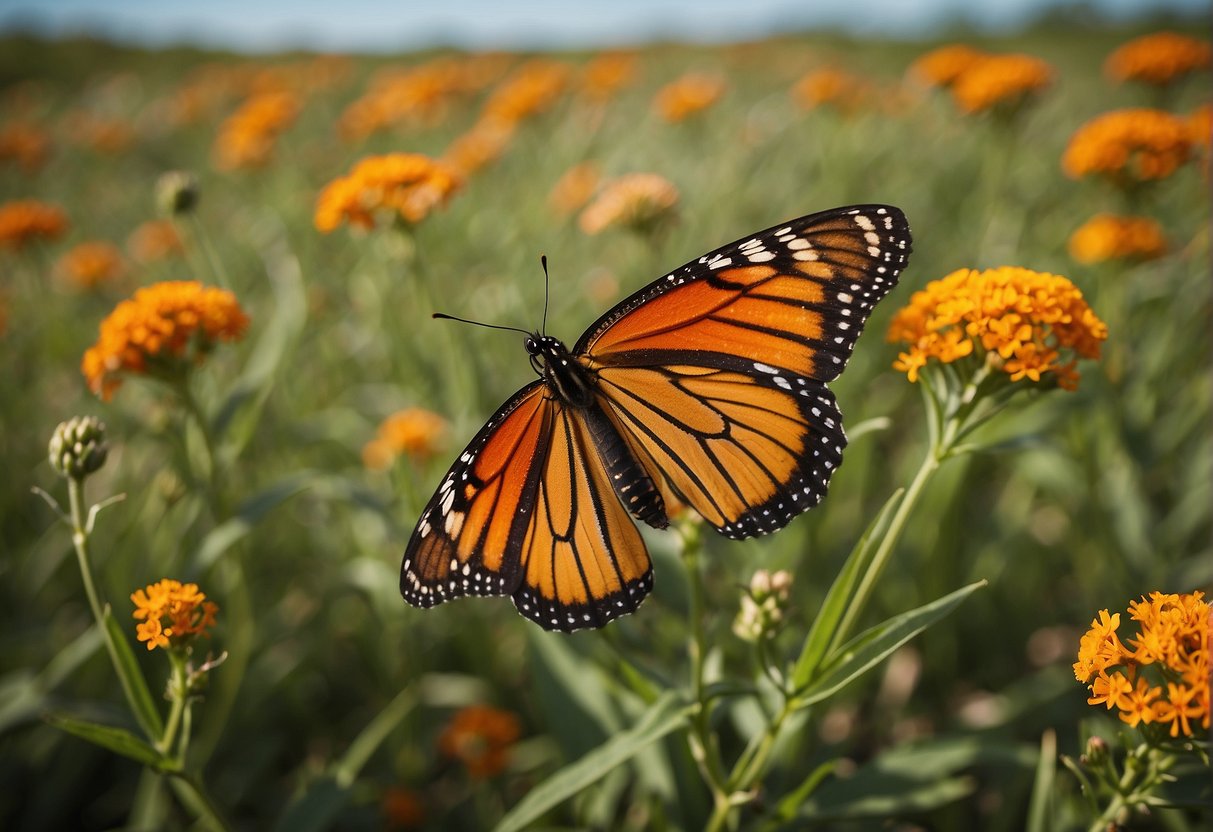
Butterfly milkweed, also known as Asclepias tuberosa, belongs to the genus Asclepias, which is a member of the milkweed family, Asclepiadaceae. Asclepias is a genus of herbaceous perennial plants that are native to North America, Africa, and South America.
Common Names
Butterfly milkweed has several common names, including butterfly weed, orange milkweed, and pleurisy root. The name “butterfly weed” comes from the fact that the plant is a favorite of butterflies and other pollinators.
Plant Type
Butterfly milkweed is an herbaceous perennial that grows up to 2-3 feet tall and 1-2 feet wide. It has a deep taproot and upright stems that are covered in narrow, lance-shaped leaves. The leaves are arranged in whorls around the stem and are a grayish-green color. In the summer, the plant produces clusters of bright orange flowers that are 2-3 inches wide. The flowers are followed by long, narrow seed pods that split open when ripe, releasing numerous seeds with silky, white hairs that help them disperse in the wind.
Overall, butterfly milkweed is an attractive and easy-to-grow plant that is a great addition to any garden or landscape. Its bright orange flowers are a beautiful sight in the summer, and its ability to attract pollinators makes it an important plant for ecological restoration projects.
Habitat and Growth
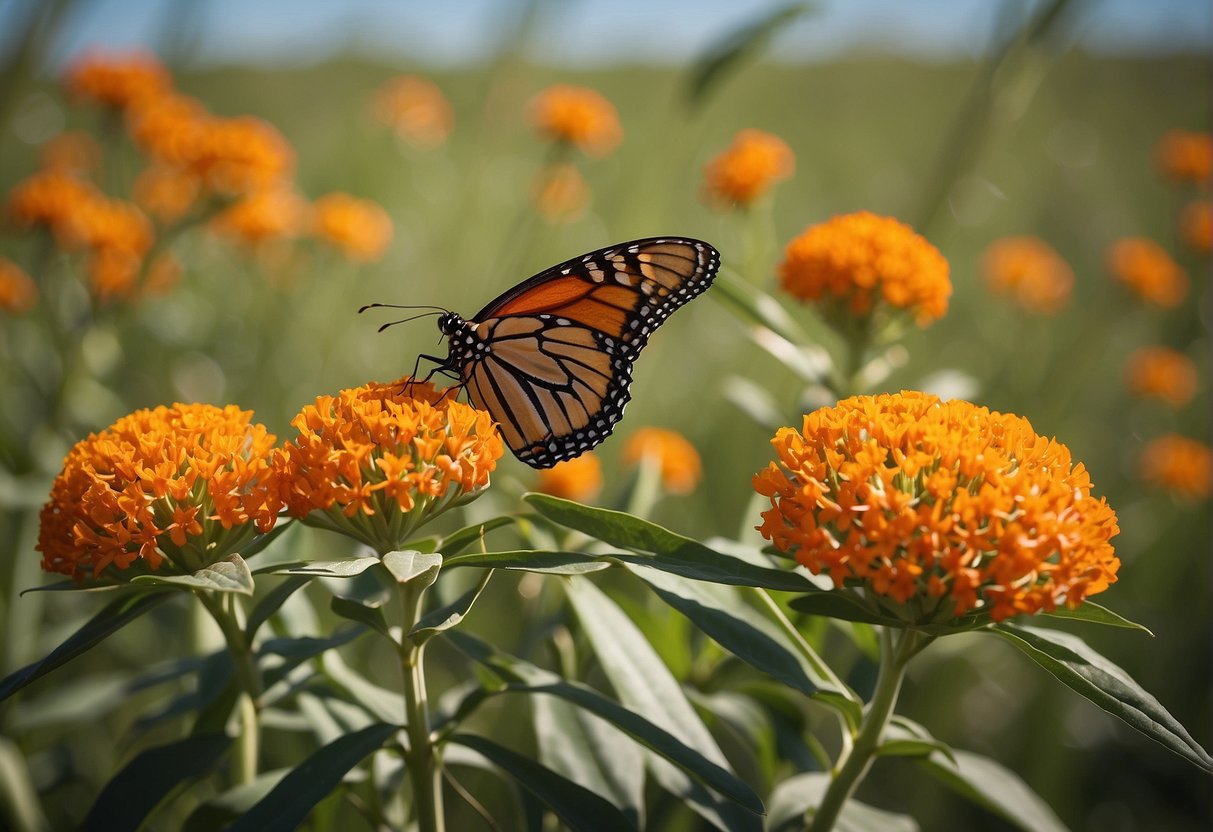
Butterfly milkweed (Asclepias tuberosa) is a native plant that is commonly found in dry, open areas such as prairies, meadows, and fields across the eastern and central regions of North America. It is a hardy perennial that can grow up to three feet tall and two feet wide.
Native Regions
Butterfly milkweed is native to regions of North America ranging from southern Canada to northern Mexico. It is commonly found in the Great Plains, the Midwest, and the eastern United States.
Preferred Soil Conditions
Butterfly milkweed prefers well-drained, dry to medium soil conditions. It can tolerate poor soil and drought conditions, but prefers soils that are not too rich or fertile. The plant is not tolerant of wet soils or standing water.
Sun Exposure and Temperature
Butterfly milkweed requires full sun exposure to thrive and does not tolerate shade. It is also tolerant of a wide range of temperatures, from hot and dry to cool and moist. The plant is hardy in USDA zones 3-9, making it a good choice for a wide range of landscape settings.
In summary, butterfly milkweed is a hardy, native plant that prefers dry, well-drained soil and full sun exposure. It can tolerate a wide range of temperatures and is a good choice for a variety of landscape settings.
Physical Characteristics
Appearance
Butterfly milkweed, also known as Asclepias tuberosa, is a beautiful perennial plant that is native to North America. It is a member of the milkweed family and is known for its bright orange flowers. The plant has a unique appearance with its upright stems and clusters of flowers.
Height and Size
Butterfly milkweed can grow up to 2-3 feet tall and 1-2 feet wide. It has a deep taproot that can reach up to 1-2 feet in length, which makes it drought-tolerant and able to survive in harsh conditions. The plant is also known for its ability to attract butterflies, hence its name.
Flower Description
The bright orange flowers of butterfly milkweed are the main attraction of this plant. They are small, about 1-2 inches in diameter, and grow in clusters at the top of the stems. The flowers have five petals that curve upwards and a central crown that is bright orange in color. The flowers bloom from June to September and are a great addition to any garden.
Overall, butterfly milkweed is a beautiful and unique plant that is easy to grow and care for. Its bright orange flowers and ability to attract butterflies make it a popular choice for gardeners.
Reproduction
Butterfly milkweed, like many other plants, reproduces through seeds. The plant produces pods that contain seeds, and these pods usually mature in late summer. The seeds are brown and flat and have a tuft of silky hairs attached to them, which helps them to disperse in the wind.
Seed Production
The plant produces a large number of seeds, and each pod contains about 40-50 seeds. The seeds are viable for about three years and can be stored in a cool, dry place until you are ready to sow them.
Pollination Process
Butterfly milkweed is pollinated by a variety of insects, including bees, butterflies, and moths. The flowers are bright orange and have a sweet, nectar-rich scent that attracts pollinators. The flowers are also arranged in a way that makes them easy for pollinators to access.
Stratification Techniques
Butterfly milkweed seeds require stratification, which is a process that mimics the natural winter conditions that the seeds would experience in the wild. This process is necessary to break the seed’s dormancy and promote germination. To stratify butterfly milkweed seeds, you can place them in a plastic bag with a moistened paper towel and store them in the refrigerator for 4-6 weeks. After stratification, you can sow the seeds in the spring.
Overall, butterfly milkweed is a hardy and self-sufficient plant that is easy to grow. With the right care and attention, you can enjoy its beautiful flowers and help support pollinators in your garden.
Ecological Importance
Butterfly milkweed is not only beautiful to look at, but it also plays an important role in the ecosystem. Here are some ways in which butterfly milkweed is ecologically significant:
Attracting Wildlife
Butterfly milkweed is a popular nectar source for many species of butterflies, including the iconic monarch butterfly. The bright orange flowers of the butterfly milkweed are particularly attractive to adult monarchs, who rely on nectar to fuel their long migrations. In addition to butterflies, other insects such as bees and wasps also visit the flowers to collect nectar and pollen.
Butterfly milkweed is also a host plant for monarch caterpillars. Female monarchs lay their eggs on the leaves of the butterfly milkweed, and when the eggs hatch, the caterpillars feed on the leaves. By providing a host plant for monarchs, butterfly milkweed helps support the entire monarch life cycle.
Role in Ecosystem
Butterfly milkweed plays an important role in the ecosystem by providing food and habitat for a variety of wildlife. In addition to butterflies and other insects, the seeds of butterfly milkweed are eaten by birds and small mammals.
Butterfly milkweed is also a valuable plant for prairie restoration projects. As a native plant, butterfly milkweed is well adapted to the local environment and can help restore biodiversity to degraded ecosystems. By planting butterfly milkweed, you can help support local wildlife and contribute to the conservation of this important species.
Gardening with Butterfly Milkweed
Butterfly milkweed is a beautiful and easy-to-grow plant that can add color and texture to any garden. Here are some tips for gardening with butterfly milkweed:
Landscape Uses
Butterfly milkweed is a great addition to any garden, especially if you want to attract butterflies. It can also be used in meadow or prairie gardens, as it is a native plant that thrives in dry soil. Additionally, butterfly milkweed can be grown in containers or as a border plant.
Cultivation Tips
Butterfly milkweed prefers well-drained soil and full sun, but it can also tolerate some shade. It is drought-tolerant, so it doesn’t require a lot of water once established. If you’re starting from seed, it’s best to sow them indoors in the early spring and transplant them outside after the last frost. Seedlings should be spaced about 12 inches apart.
Transplanting and Propagation
Transplanting butterfly milkweed is best done in the fall or early spring. Make sure to dig up the entire root system and replant it at the same depth. Propagation can also be done by dividing the plant in the spring or fall. Simply dig up the plant and separate the roots into smaller clumps.
In summary, butterfly milkweed is a versatile plant that can add beauty and attract butterflies to any garden. With its drought tolerance and easy cultivation, it’s a great choice for both novice and experienced gardeners alike.
Conservation and Threats
Environmental Concerns
Butterfly milkweed faces a number of environmental concerns that threaten its survival. One of the biggest threats is habitat loss due to development, agriculture, and other human activities. This loss of habitat can lead to a decline in the population of milkweeds, which can have a cascading effect on the ecosystem.
Another concern is the use of pesticides and chemicals, which can harm not only the milkweed but also the insects that rely on it for survival. Pesticides can also kill off predators that help control other pests, leading to a further imbalance in the ecosystem.
Protection Efforts
To protect butterfly milkweed and other milkweeds, conservation efforts have been put in place. The U.S. Fish and Wildlife Service has listed several species of milkweeds, including butterfly milkweed, as threatened or endangered. This designation provides legal protection for the plants and their habitat.
Native American tribes have also played a role in the conservation of milkweeds. Many tribes have used milkweeds for medicinal and cultural purposes for centuries and have worked to protect the plants and their habitat.
Efforts have also been made to control invasive species that can outcompete milkweeds for resources. This includes removing invasive plants and reintroducing milkweeds to areas where they have been lost.
Overall, conservation efforts are crucial to ensure the survival of butterfly milkweed and other milkweeds. By protecting the plants and their habitat, we can help maintain a healthy and balanced ecosystem for generations to come.
Cultural and Historical Significance
Traditional Uses
Butterfly milkweed, a member of the milkweed family, has been used traditionally for medicinal purposes. Its roots were used by Native Americans as a remedy for pleurisy, a respiratory disease. The roots were also used to treat other ailments such as asthma, bronchitis, and rheumatism.
Symbolism and Folklore
Butterfly milkweed has a rich history of symbolism and folklore. In Greek mythology, Asclepius, the god of medicine, used milkweed to heal wounds and cure illnesses. The plant was also believed to have magical properties that could ward off evil spirits.
In the Midwest, butterfly milkweed is seen as a symbol of summer and is often used in gardens and landscaping. Its bright orange flowers attract butterflies and other pollinators, making it a popular choice for those who want to support local wildlife.
Overall, butterfly milkweed has played an important role in traditional medicine and folklore. Its bright colors and ability to attract pollinators have made it a beloved plant in many cultures.
Plant Care and Maintenance
When it comes to taking care of butterfly milkweed, there are a few things you need to keep in mind. Proper care and maintenance will help ensure that your plants stay healthy and vibrant year after year.
Watering and Fertilizing
Butterfly milkweed prefers well-drained soil and does not tolerate wet feet. It is important to water your plants deeply but infrequently, allowing the soil to dry out between waterings. During periods of drought, you may need to water more frequently.
Fertilizing is not necessary for butterfly milkweed, as it can actually harm the plant. Over-fertilization can cause excessive leaf growth and reduce flower production. If you do decide to fertilize, use a low-nitrogen fertilizer in late spring.
Managing Pests and Diseases
Butterfly milkweed is generally pest and disease-resistant, but it can occasionally fall prey to aphids or other insects. If you notice aphids on your plants, you can simply wash them off with a strong stream of water. Avoid using pesticides, as they can harm beneficial insects like bees and butterflies.
One thing to keep in mind is that butterfly milkweed has a milky sap that can be irritating to the skin. Wear gloves when handling the plant to avoid any potential skin irritation.
Pruning and Seasonal Care
In late fall, after the plant has gone dormant, you can cut back the stems to about 6 inches above the ground. This will help prevent the plant from becoming too woody and encourage new growth in the spring.
During the growing season, you can deadhead spent blooms to encourage the plant to produce more flowers. This will also help prevent the plant from going to seed too quickly.
Overall, butterfly milkweed is a low-maintenance plant that can provide years of beauty and enjoyment in your garden. With proper care and attention, you can help ensure that your plants thrive and attract plenty of butterflies and other pollinators to your yard.
Frequently Asked Questions
How does butterfly milkweed differ from other milkweed species?
Butterfly milkweed (Asclepias tuberosa) is a species of milkweed that is native to North America. It differs from other milkweed species in several ways. Firstly, it has bright orange flowers that bloom in the summer. Secondly, its leaves are narrow and lance-shaped, unlike the broad leaves of other milkweed species. Finally, it has a taproot that makes it more drought-tolerant than other milkweed species.
What characteristics identify butterfly milkweed?
Butterfly milkweed can be identified by its bright orange flowers and narrow, lance-shaped leaves. Its stems are also hairy and upright, growing up to three feet tall. The plant has a taproot that makes it more drought-tolerant than other milkweed species.
Is butterfly milkweed toxic to humans or animals?
Butterfly milkweed is not toxic to humans or animals. However, it contains cardiac glycosides that can be toxic if ingested in large quantities. It is not recommended to consume any part of the plant.
How tall does butterfly milkweed typically grow?
Butterfly milkweed typically grows up to three feet tall. Its stems are hairy and upright, and it has a taproot that makes it more drought-tolerant than other milkweed species.
When does butterfly milkweed typically bloom?
Butterfly milkweed typically blooms in the summer, from June to August. Its bright orange flowers are a favorite of many pollinators, including butterflies, bees, and hummingbirds.
Can butterfly milkweed be considered an invasive plant?
Butterfly milkweed is not considered an invasive plant. It is a native species that provides important habitat for many pollinators. However, it is important to avoid planting it in areas where it could displace other native species.

