
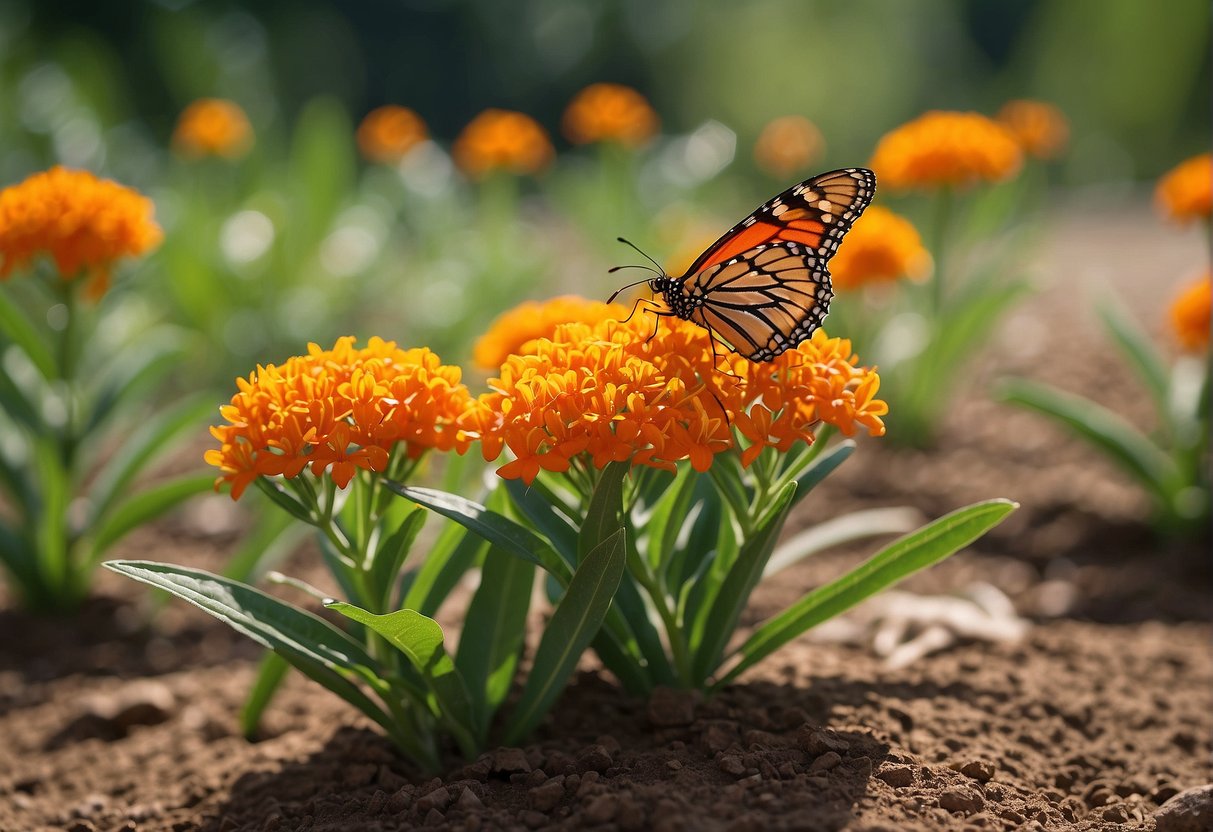
How to Grow Butterfly Milkweed: A Comprehensive Guide
Cultivating butterfly milkweed is an excellent method for drawing in pollinators and enhancing the look of your garden. Known scientifically as Asclepias tuberosa, butterfly milkweed is a perennial native to North America. It’s a plant that’s simple to care for, appealing to gardeners of all skill levels, from beginners to the more seasoned.
To successfully grow butterfly milkweed, it is important to understand its unique characteristics and requirements. This includes selecting the right site, preparing the soil, and planting the seeds or plants at the appropriate time. Additionally, caring for butterfly milkweed involves proper watering, fertilizing, and pruning techniques. By following these steps, you can create a thriving butterfly milkweed garden that will attract a variety of pollinators and wildlife.
Key Takeaways
- Understanding the unique characteristics and requirements of butterfly milkweed is essential for successful growth.
- Proper site selection, soil preparation, and planting techniques are crucial for establishing a healthy butterfly milkweed garden.
- Caring for butterfly milkweed involves proper watering, fertilizing, and pruning techniques to ensure optimal growth and attract pollinators and wildlife.
Understanding Butterfly Milkweed
If you’re looking for a native plant to add to your garden, consider butterfly milkweed. This species, known by its botanical name Asclepias tuberosa, is a member of the milkweed family and is native to North America. Here’s what you need to know to successfully grow butterfly milkweed in your garden.
Botanical Profile
Butterfly milkweed is a perennial plant that can grow up to three feet tall and two feet wide. It has bright orange flowers that bloom in mid-summer and attract a variety of pollinators, including butterflies and bees. The leaves are long and narrow with a slightly fuzzy texture, and the stems are thick and sturdy.
Habitat and Native Regions
Butterfly milkweed is a native wildflower that can be found in prairies, meadows, and other open areas throughout much of North America. It is well adapted to a variety of soil types and can tolerate drought and heat. In the wild, butterfly milkweed is an important food source for monarch butterfly caterpillars.
If you’re interested in growing butterfly milkweed in your garden, it’s important to choose a location that receives full sun and has well-draining soil. You can start the seeds indoors in the spring or sow them directly in the garden in the fall. Once established, butterfly milkweed requires little maintenance and can be a beautiful addition to any garden.
Site Selection and Preparation
Choosing the Right Location
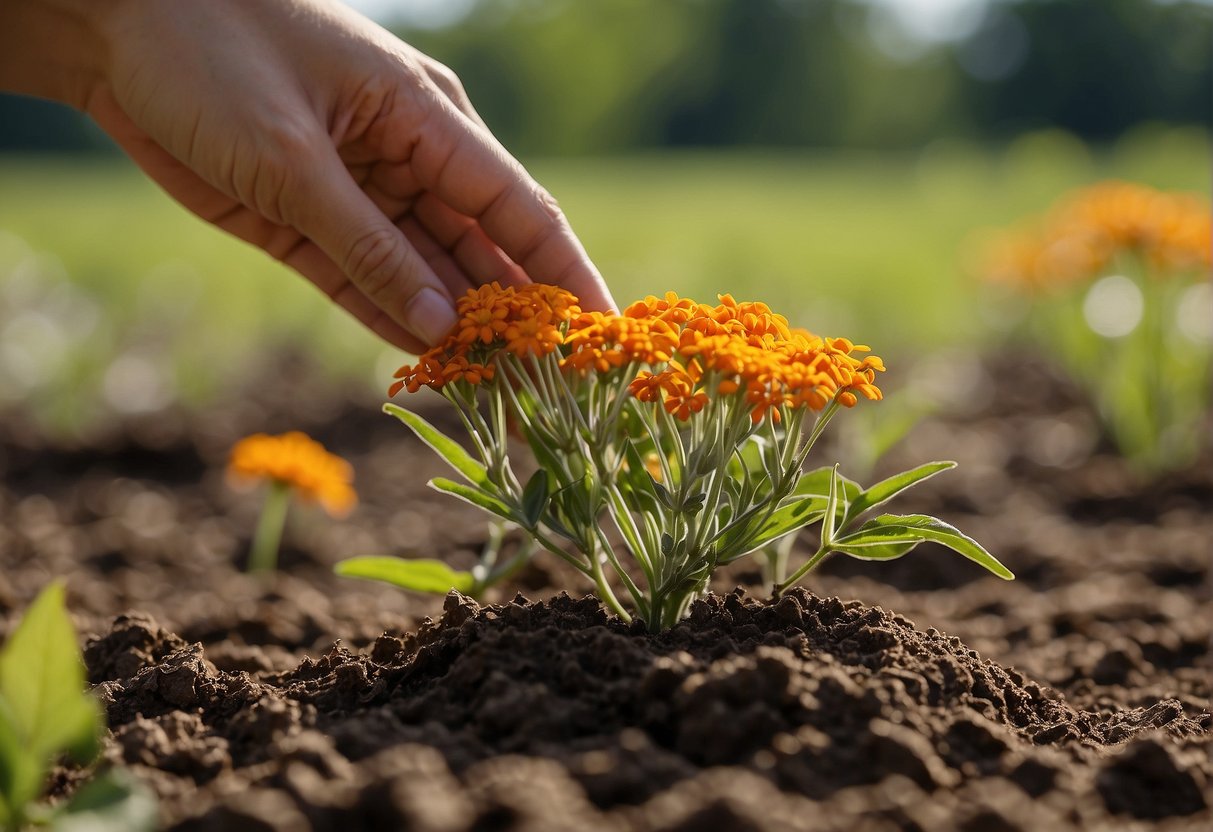
When selecting a location for your butterfly milkweed, it is important to choose a spot that receives full sun. This plant requires at least 6 hours of direct sunlight each day to thrive. Look for an area in your garden that is not shaded by trees or buildings.
Additionally, consider your hardiness zone when choosing a location. Butterfly milkweed is hardy in zones 3-9, so make sure your garden falls within this range.
Soil Requirements
Butterfly milkweed prefers well-drained soil, so it is important to choose a location with soil that drains well. If your garden has poor drainage, consider amending the soil with compost or sand to improve drainage.
It is also important to consider the type of soil in your garden. Butterfly milkweed prefers well-draining soil, but it can tolerate a range of soil types, including poor soil. However, it is important to avoid planting in soil that is consistently waterlogged, as this can lead to root rot.
Before planting, prepare the soil by removing any weeds or debris and loosening the soil to a depth of at least 6 inches. This will help the roots establish more easily and allow for better water and nutrient absorption.
Planting Butterfly Milkweed
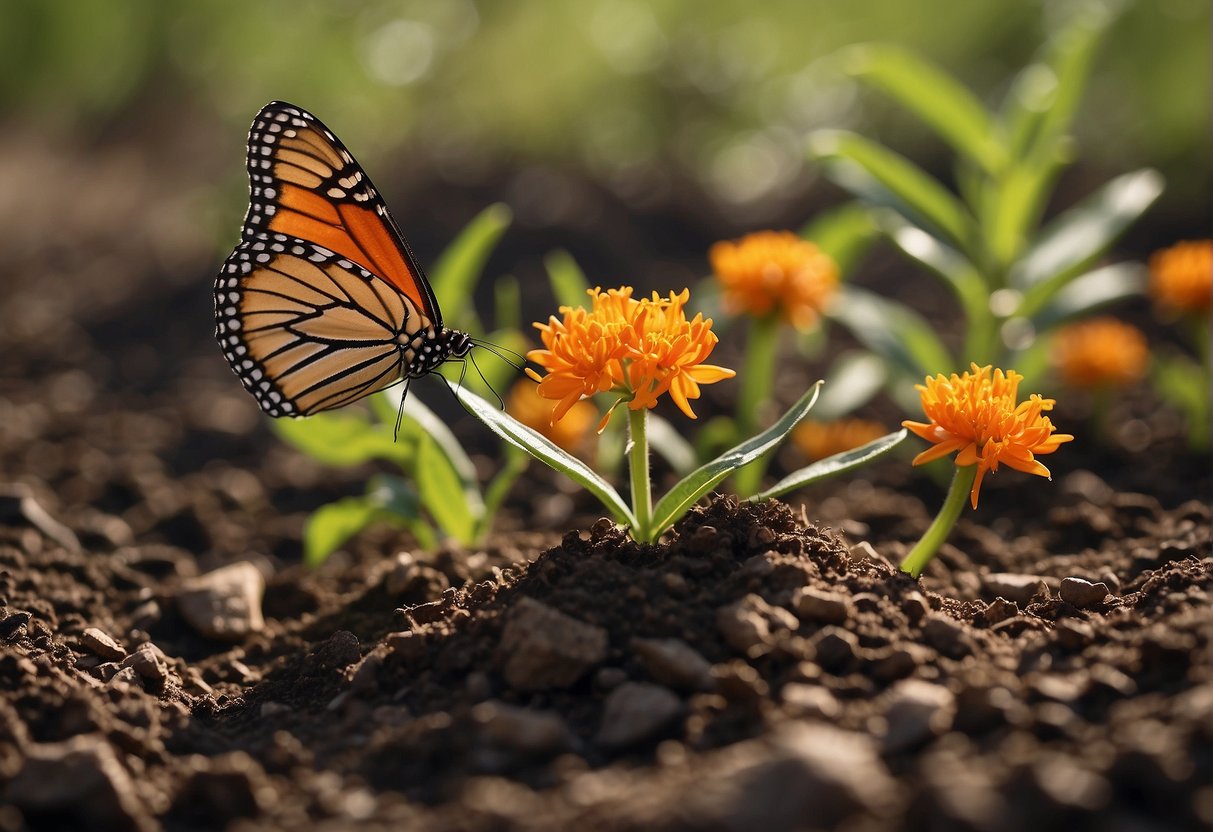
Butterfly milkweed is a beautiful and vibrant plant that is easy to grow in your garden. Here are two ways to plant butterfly milkweed: starting from seeds and using cuttings.
Starting from Seeds
To start growing butterfly milkweed from seeds, you will need to stratify the seeds first. This means that you will need to mimic the natural winter conditions that the seeds would experience in the wild. To do this, place the seeds in a plastic bag with some damp sand or vermiculite, and then put the bag in the refrigerator for 4-6 weeks.
Once the seeds have been stratified, you can plant them in your garden. Choose a sunny spot with well-draining soil. Sow the seeds 1/4 inch deep and 12-18 inches apart. Water the soil regularly, but be careful not to overwater.
The seeds will germinate in 7-21 days, depending on the temperature and moisture level. Once the seedlings are 2-3 inches tall, thin them out so that they are spaced 18-24 inches apart. This will give them enough room to grow and thrive.
Using Cuttings
Another way to propagate butterfly milkweed is by using cuttings. Take a cutting from a healthy plant in the spring or early summer. Cut a stem that is 4-6 inches long, and remove the leaves from the bottom half of the stem.
Dip the cut end of the stem in rooting hormone, and then plant it in a pot with well-draining soil. Water the soil regularly, and keep the pot in a sunny spot.
The cutting should root in 2-4 weeks. Once it has rooted, you can transplant it into your garden. Choose a sunny spot with well-draining soil, and plant the cutting at the same depth it was in the pot. Water the soil regularly, but be careful not to overwater.
By following these simple steps, you can easily grow butterfly milkweed in your garden. Whether you choose to start from seeds or use cuttings, you will be rewarded with a beautiful and vibrant plant that will attract butterflies and other pollinators to your garden.
Caring for Butterfly Milkweed
When it comes to caring for butterfly milkweed, there are a few things you need to keep in mind. Proper watering and fertilization, managing pests and diseases, and pruning and maintenance are all important aspects of milkweed care.
Watering and Fertilization
Butterfly milkweed requires well-drained soil and regular watering. It is important to avoid overwatering, as this can lead to root rot. During the growing season, you should water your milkweed once a week, or more often if the weather is particularly hot and dry.
Fertilization is also important for healthy milkweed growth. You can use a balanced fertilizer, such as a 10-10-10 or 20-20-20 blend, once a month during the growing season. Be sure to follow the instructions on the fertilizer package carefully, as over-fertilization can be harmful to your plants.
Managing Pests and Diseases
Like any plant, butterfly milkweed is susceptible to pests and diseases. Common milkweed pests include aphids and milkweed bugs. You can manage these pests by using insecticidal soap or neem oil, or by introducing natural predators such as ladybugs or lacewings.
Milkweed diseases can include fungal infections and bacterial wilt. To prevent these diseases, it is important to avoid overwatering and to provide good air circulation around your plants. If you do notice signs of disease, you can remove infected leaves or plants and dispose of them carefully to prevent the spread of the disease.
Pruning and Maintenance
Pruning and maintenance are important for keeping your milkweed healthy and attractive. You can prune your milkweed in the spring to remove any dead or damaged branches, or to shape the plant as desired. It is also important to remove any spent blooms to encourage continued blooming throughout the growing season.
Overwintering your milkweed is also important for maintaining healthy plants year after year. In colder climates, you can mulch around the base of your plants to protect the roots from freezing temperatures. In warmer climates, you may not need to take any special steps to overwinter your milkweed.
By following these tips for caring for butterfly milkweed, you can enjoy healthy, vibrant plants that will attract butterflies and other pollinators to your garden.
Encouraging Pollinators and Wildlife
Attracting Butterflies and Bees
Butterfly milkweed is a great choice for gardeners looking to attract butterflies and bees to their garden. The bright orange flowers of the butterfly milkweed are a favorite of many species of butterflies, including monarch butterflies. Bees and other pollinators are also attracted to the nectar-rich flowers of the butterfly milkweed.
To attract butterflies and bees, plant butterfly milkweed in a sunny location with well-draining soil. Grouping several plants together can create a larger target for pollinators to find. You can also add other plants that attract butterflies and bees to your garden, such as coneflowers, black-eyed Susans, and bee balm.
Supporting Monarch Butterfly Population
Monarch butterflies are in decline due to habitat loss and other factors. Butterfly milkweed is a host plant for monarch butterfly larvae, making it an important plant for supporting the monarch butterfly population.
To support monarch butterflies, plant butterfly milkweed in your garden and avoid using pesticides. Monarch butterflies lay their eggs on the leaves of butterfly milkweed, and the larvae feed on the leaves. By providing a safe habitat for monarch butterflies, you can help support their population.
In addition to planting butterfly milkweed, you can also support monarch butterflies by providing a source of water and shelter in your garden. Butterflies and other pollinators need a place to rest and hide from predators, so adding a few small shrubs or a butterfly house can provide a safe haven for them.
Overall, planting butterfly milkweed and other plants that attract butterflies and bees can not only create a beautiful butterfly garden, but also support important pollinators and wildlife in your area.
Designing Your Garden with Butterfly Milkweed
If you’re looking to add some color and attract butterflies to your garden, butterfly milkweed is a great choice. This plant is easy to grow and maintain, and it adds a pop of orange to your landscape. Here are some things to consider when designing your garden with butterfly milkweed.
Landscape Considerations
Butterfly milkweed does best in full sun, so make sure to choose a spot in your garden that gets at least six hours of direct sunlight per day. It also prefers well-drained soil, so avoid areas with standing water or heavy clay soil.
When planting butterfly milkweed, it’s important to give it enough space to grow. This plant can reach up to three feet tall and two feet wide, so make sure to give it enough room to spread out. You can also plant it in containers if you don’t have space in your garden.
Companion Planting
Butterfly milkweed is a great addition to any butterfly garden, but it also works well when planted with other species. Some good companion plants for butterfly milkweed include:
- Coneflowers
- Black-eyed Susans
- Bee balm
- Salvia
These plants all have similar growing requirements and they attract pollinators, so they make great companions for butterfly milkweed.
When designing your garden, consider planting butterfly milkweed in a patch rather than scattered throughout your garden. This will create a focal point and make it easier for butterflies to find the plant.
In conclusion, butterfly milkweed is a great choice for anyone looking to add some color and attract butterflies to their garden. By considering the landscape and companion planting, you can create a beautiful and functional garden that benefits both you and the environment.
Common Challenges and Solutions
Dealing with Toxic Sap
One of the biggest challenges of growing butterfly milkweed is dealing with its toxic sap. The milky sap that oozes from the plant when it is damaged can be irritating to the skin and eyes, and can even cause nausea and vomiting if ingested. To avoid any problems, it’s important to take precautions when handling the plant.
When pruning butterfly milkweed, wear gloves and long sleeves to protect your skin from the sap. If you do get sap on your skin, wash the affected area with soap and water immediately. If you get sap in your eyes, flush them with water for at least 15 minutes and seek medical attention if necessary.
Controlling Invasive Growth
Butterfly milkweed is a self-seeding plant that can quickly become invasive if not properly controlled. To prevent this from happening, it’s important to deadhead the plant regularly to prevent it from producing too many seeds. Deadheading involves removing the spent flowers before they can produce seeds.
If you do want to allow your butterfly milkweed to self-seed, make sure to keep a close eye on the plant and remove any seedlings that appear outside of the desired growing area. You can also plant butterfly milkweed in containers to prevent it from spreading too far.
Another way to control invasive growth is to plant common milkweed nearby. Common milkweed is a host plant for milkweed bugs and other insects that can help keep butterfly milkweed in check. Just be careful not to plant common milkweed too close to your butterfly milkweed, as it can also be invasive.
Frequently Asked Questions
What are the optimal conditions for growing butterfly milkweed?
Butterfly milkweed grows best in full sunlight and well-draining soil. It can tolerate a range of soil types, from sandy to clay, but prefers a slightly acidic to neutral pH. It is also drought-tolerant and can withstand hot temperatures.
Can butterfly milkweed be grown successfully in containers?
Yes, butterfly milkweed can be grown in containers as long as the container is at least 12 inches deep and wide. Use a well-draining potting mix and water regularly to keep the soil moist, but not waterlogged. Container-grown plants may require more frequent watering than those planted in the ground.
How long does it take for butterfly milkweed to bloom after planting?
Butterfly milkweed typically blooms in its second year of growth, but may bloom in its first year under optimal conditions. However, it is important to note that butterfly milkweed is a slow-growing plant and may take several years to reach its full size and blooming potential.
What care is required to maintain a healthy butterfly milkweed plant?
Butterfly milkweed requires little maintenance once established. Water regularly during the first year of growth to help the plant establish its root system. After that, it is drought-tolerant and only needs to be watered during periods of extended drought. Fertilizer is not necessary, but a light application of compost or well-rotted manure in the spring can help promote healthy growth. Deadheading spent flowers can encourage continued blooming throughout the summer.
Is it necessary to prune butterfly milkweed, and if so, how?
Butterfly milkweed does not require pruning, but dead stems and foliage can be removed in the fall or early spring to promote new growth. Avoid pruning the plant during the growing season, as this can disrupt its blooming cycle and reduce its attractiveness to pollinators.
Are there any common pests or diseases that affect butterfly milkweed?
Butterfly milkweed is relatively pest and disease-free, but it may be susceptible to aphids and spider mites. These pests can be controlled with insecticidal soap or neem oil. Root rot can be a problem in poorly-draining soil, so be sure to plant in well-draining soil and avoid over-watering.

