
How Milkweed Attracts Monarch Butterflies
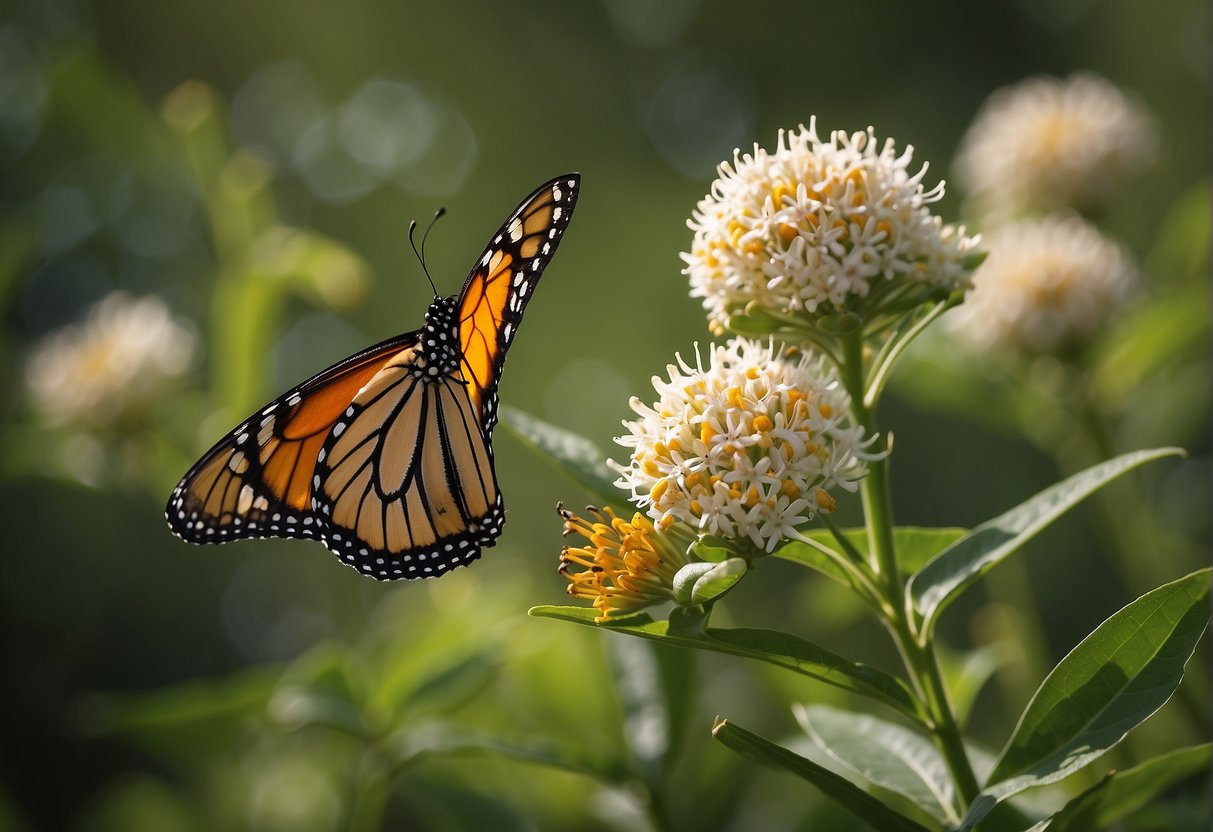
Should you have had the opportunity to observe a monarch butterfly, you are likely aware of their stunning beauty and elegant flight. These insects are distinguished by their striking orange and black wings. However, it might be less known that they share a unique connection with milkweed. Milkweed represents a crucial plant vital for the survival of monarch butterflies. In this article, we aim to delve into the ways in which milkweed draws monarch butterflies and the reasons behind its critical role in their survival.
Milkweed is a unique plant that has evolved to attract monarch butterflies. The plant produces a sticky, milky sap that contains toxins that are harmful to most insects. However, monarch butterflies have developed a resistance to these toxins and are able to feed on the leaves and flowers of the milkweed plant without being harmed. In fact, milkweed is the only plant that monarch butterflies will lay their eggs on, and the caterpillars that hatch from these eggs will only eat milkweed leaves. This symbiotic relationship between milkweed and monarch butterflies is essential to the survival of both species.
Key Takeaways
- Milkweed is essential to the survival of monarch butterflies.
- Monarch butterflies have evolved to feed on milkweed despite its toxic properties.
- The symbiotic relationship between milkweed and monarch butterflies is crucial for the survival of both species.
The Symbiotic Relationship
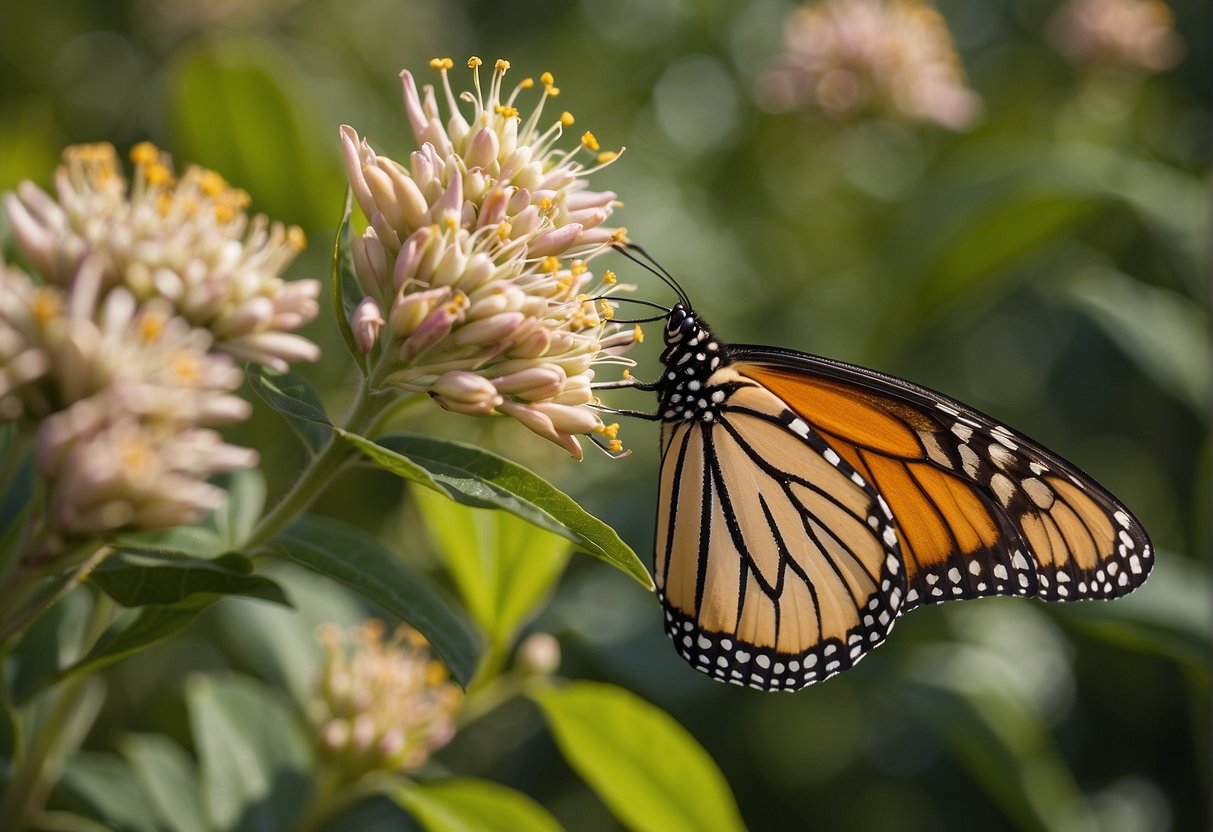
Milkweed and the monarch butterfly have a unique relationship that is essential for the survival of the species. The monarch butterfly is dependent on milkweed as its host plant, and milkweed, in turn, relies on the monarch butterfly for pollination.
Milkweed as the Monarch’s Host Plant
Milkweed is the only plant that monarch butterflies lay their eggs on, and it is the sole source of food for monarch caterpillars. The leaves of the milkweed plant contain toxic chemicals that are ingested by the caterpillars, providing them with a defense mechanism against predators.
The milkweed plant also provides a suitable environment for the monarch butterfly to lay its eggs. The female butterfly carefully selects a milkweed plant and deposits a single egg on the underside of a leaf. The egg hatches into a caterpillar, which feeds on the milkweed leaves until it is ready to pupate.
Lifecycle Support from Egg to Adult Butterfly
The lifecycle of the monarch butterfly is intimately tied to the milkweed plant. After hatching, the caterpillar goes through several molts before it forms a chrysalis. The chrysalis hangs from the milkweed plant, and after a few weeks, the adult butterfly emerges.
Once the adult butterfly emerges, it continues to rely on the milkweed plant for survival. The nectar from the milkweed flowers is a crucial source of food for the butterfly, providing it with the energy it needs for mating and migration.
In conclusion, the relationship between milkweed and the monarch butterfly is a perfect example of symbiosis in nature. The milkweed plant provides a safe haven and food for the monarch butterfly, and the butterfly, in turn, pollinates the milkweed plant. Without milkweed, the monarch butterfly would not survive, and without the monarch butterfly, the milkweed plant would not thrive.
Milkweed Characteristics Attracting Monarchs
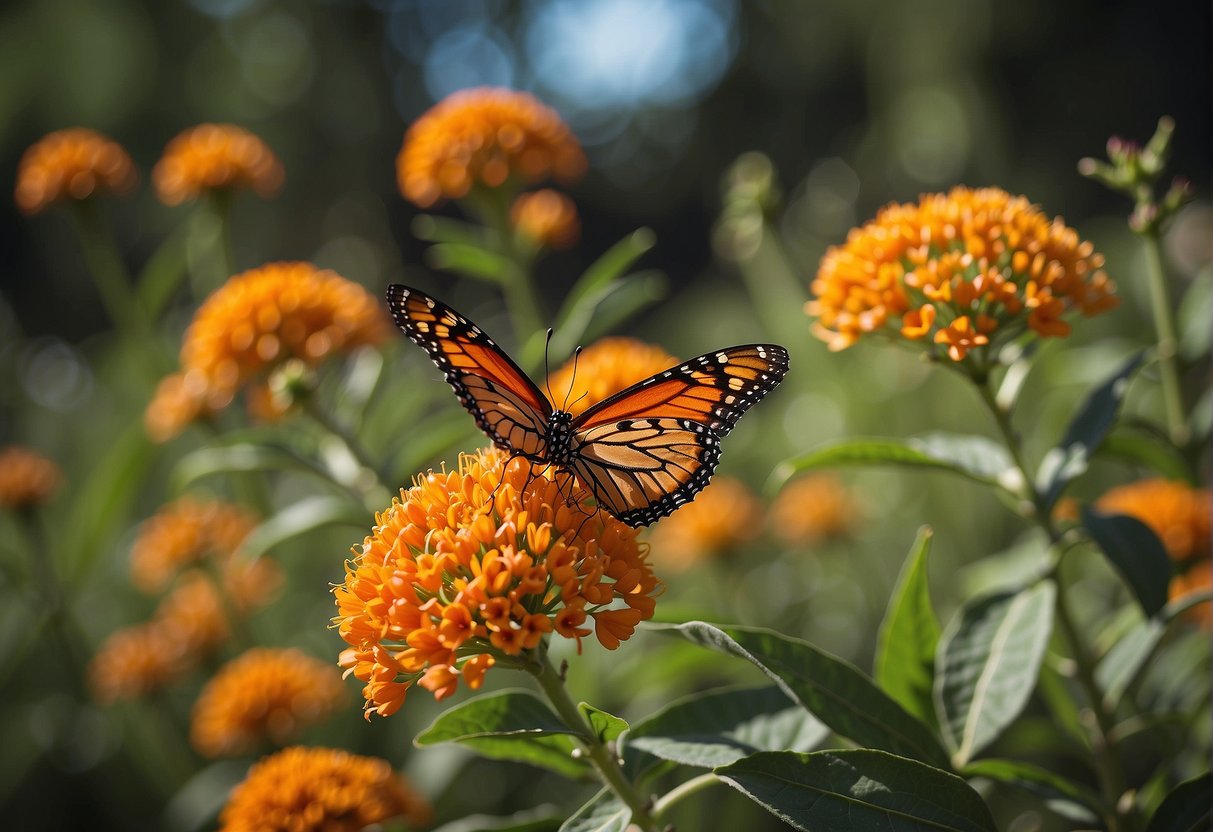
Milkweed is a vital plant for the survival of monarch butterflies. The plant is a source of food and a breeding ground for the monarchs. The milkweed plant has several characteristics that attract the monarch butterfly.
Floral Architecture and Nectar Production
Milkweed species have unique floral architecture that attracts the monarch butterfly. The flowers of the milkweed plant have a complex structure that provides a landing platform for the butterfly. The flowers also produce a sweet nectar that serves as a food source for the monarchs. The nectar is rich in nutrients, which are essential for the growth and development of the butterfly.
Chemical Properties and Defense Mechanisms
Milkweed is a toxic plant that contains a chemical called cardiac glycoside. The chemical is toxic to most animals, but the monarch butterfly has evolved to be able to tolerate it. The monarchs store the toxic chemical in their bodies, which makes them unpalatable to predators. The toxic chemical also serves as a defense mechanism for the milkweed plant, as it deters herbivores from feeding on it.
In addition to the toxic chemical, the milkweed plant also has a defense mechanism in the form of sap. The sap of the milkweed plant is sticky and can trap insects that try to feed on it. The sap also contains toxins that are harmful to insects, which serves as another defense mechanism for the plant.
In conclusion, milkweed is an essential plant for the survival of the monarch butterfly. The plant’s unique floral architecture and nectar production, as well as its toxic and chemical defense mechanisms, make it an ideal breeding ground and food source for the monarchs.
Propagation and Cultivation of Milkweed
If you want to attract monarch butterflies to your garden or habitat, planting milkweed is a great option. Milkweed plants are easy to propagate and cultivate, and they provide essential food and habitat for monarch butterflies.
Planting Milkweed in Gardens and Habitats
When planting milkweed, it’s important to choose a sunny location with well-draining soil. Milkweed seeds can be planted directly in the ground in the spring or fall, or you can start them indoors in the winter and transplant them outside in the spring.
To plant milkweed seeds, simply scatter them on the soil surface and lightly cover them with soil. Water the seeds regularly until they germinate, which usually takes around 7-14 days. Once the seedlings have grown a few inches tall, thin them out to one plant every 12-18 inches.
Milkweed plants can also be propagated by taking stem cuttings in the summer. Simply cut a stem from a mature plant, remove the leaves from the bottom few inches of the stem, and plant it in a pot filled with moist soil. Keep the soil moist and the cutting in a warm, sunny location until it roots and starts to grow.
Seed Dispersal and Germination
Milkweed plants produce seeds in pods that split open when they are mature. The seeds are attached to silky fibers that help them disperse in the wind. If you want to collect milkweed seeds, wait until the pods have turned brown and dry before harvesting them.
To germinate milkweed seeds, they need to go through a process called stratification, which mimics the natural winter conditions that the seeds would experience in the wild. To stratify milkweed seeds, place them in a plastic bag with some moist soil or vermiculite and put them in the refrigerator for 4-6 weeks. After stratification, plant the seeds as described above.
Overall, milkweed plants are easy to propagate and cultivate, making them a great addition to any garden or habitat. By planting milkweed, you can help support the monarch butterfly population and enjoy the beauty of these fascinating insects.
Ecological Impact and Conservation
Milkweed’s Role in Biodiversity and Ecosystems
Milkweed plays a crucial role in supporting biodiversity and ecosystems. It serves as a host plant for the monarch butterfly, which is an important pollinator and indicator species. Monarch butterflies rely on milkweed to lay their eggs and feed their caterpillars. In turn, birds and other wildlife rely on monarch butterflies as a food source. The presence of milkweed also helps to support other pollinators, such as bees and hummingbirds, which play a vital role in maintaining healthy ecosystems.
Milkweed is also important for weed control. As a native plant, it is well adapted to local environments and can outcompete invasive species. This helps to maintain the balance of native plant communities and prevent the loss of biodiversity.
Conservation Efforts and Restoration Projects
Conservation efforts and restoration projects have been implemented to protect and restore milkweed populations. These efforts are critical for the survival of monarch butterflies and other pollinators, as well as the preservation of native plant communities.
One such effort is the Monarch Joint Venture, a partnership of federal and state agencies, non-governmental organizations, and academic programs working to conserve monarch butterflies and their habitats. The Monarch Joint Venture has implemented a variety of conservation strategies, including habitat restoration, education and outreach, and research.
Restoration projects have also been implemented at the local level. These projects involve the planting of native milkweed and other pollinator-friendly plants in parks, gardens, and other public spaces. This not only helps to support pollinators but also provides opportunities for community engagement and education.
Overall, the conservation of milkweed and its associated species is critical for maintaining healthy ecosystems and preserving biodiversity. By supporting conservation efforts and participating in restoration projects, you can help to protect these important plants and the wildlife that depend on them.
Challenges and Threats
Environmental Threats and Climate Change
As a milkweed plant, you face numerous environmental threats that can impact your ability to attract monarch butterflies. One of the biggest threats is climate change, which can cause changes in temperature and rainfall patterns. As a result, your native range may shift, and you may not be able to grow in areas where monarchs need you the most.
In addition to climate change, other environmental threats such as drought, floods, and extreme weather events can also impact your growth and survival. These threats can reduce the availability of nectar and pollen, which monarchs need to survive.
Pesticides and Loss of Natural Habitats
Another major threat to your ability to attract monarchs is the use of pesticides. Pesticides can kill off the insects that monarchs rely on for food, and they can also kill off the milkweed plants themselves. In addition, loss of natural habitats due to urbanization and agriculture can reduce the availability of milkweed plants, making it harder for monarchs to find the food and shelter they need.
To combat these threats, it is important to plant milkweed in areas where monarchs are known to breed and migrate. You can also reduce your use of pesticides and support conservation efforts to protect natural habitats. By taking these steps, you can help ensure that monarchs have the resources they need to thrive and continue their remarkable migration.
Practical Tips for Gardeners and Conservationists
Choosing the Right Milkweed Species
When it comes to selecting the right milkweed species for attracting monarch butterflies, it is important to choose native species that are adapted to your region. Some of the best milkweed species for monarchs include Common Milkweed, Swamp Milkweed, and Butterflyweed.
Consider planting a variety of milkweed species in your garden to provide a diverse habitat for monarchs. It is also important to purchase milkweed seeds or plants from a reputable supplier to ensure that they are not treated with pesticides that can harm monarchs.
Optimizing Conditions for Growth and Attraction
Milkweed plants thrive in full sun and well-draining soil, but they can also tolerate wet soil and drought conditions once established. To optimize milkweed growth and attraction, make sure to plant milkweed in a location that receives at least six hours of sunlight per day.
Water your milkweed plants regularly, especially during the first growing season. Once established, milkweed plants are drought-tolerant and do not require as much water.
In addition to providing a habitat for monarch butterflies, milkweed plants also attract a variety of other pollinators such as bees and butterflies. By planting milkweed in your garden, you can help support biodiversity and conservation efforts in your region.
Overall, planting milkweed is a simple and effective way to attract monarch butterflies to your garden and help support their population. By following these practical tips, you can create a thriving habitat for monarchs and other pollinators in your community.
Frequently Asked Questions
What specific characteristics of milkweed make it attractive to monarch butterflies?
Milkweed is the sole host plant for monarch butterfly larvae, and it contains toxins that make the larvae and adult butterflies unpalatable to predators. Monarch butterflies have evolved to lay their eggs on milkweed plants, and the larvae feed exclusively on the leaves of milkweed plants. The nectar of milkweed flowers also provides a valuable food source for adult monarch butterflies.
How does the presence of milkweed influence monarch butterfly migration?
Milkweed plays a critical role in the monarch butterfly’s annual migration. Monarch butterflies rely on milkweed plants to lay their eggs and for the larvae to feed on. The presence of milkweed along the migration route provides important rest stops for the adult butterflies to refuel on nectar. Without milkweed plants, the monarch butterfly population would decline, and their migration would be jeopardized.
What role does milkweed play in the monarch butterfly’s lifecycle and reproduction?
Milkweed is essential to the monarch butterfly’s lifecycle and reproduction. The female monarch butterfly lays her eggs on the underside of milkweed leaves, and the larvae feed exclusively on the leaves of milkweed plants. The toxins in milkweed make the larvae and adult butterflies unpalatable to predators, which increases their chances of survival. Milkweed also provides nectar for adult monarch butterflies, which is vital for their energy needs.
How do monarch butterflies benefit from consuming milkweed?
The toxins in milkweed plants are stored in the monarch butterfly’s body, making them unpalatable to predators. The toxins also provide the monarch butterfly with a natural defense against parasites and diseases. Milkweed also contains important nutrients and minerals that are essential for the monarch butterfly’s health and survival.
Can monarch butterflies thrive on any other plants besides milkweed?
Monarch butterflies cannot thrive on any other plants besides milkweed. Milkweed is the sole host plant for monarch butterfly larvae, and the larvae feed exclusively on the leaves of milkweed plants. While adult monarch butterflies can feed on the nectar of other flowering plants, milkweed is the only plant that provides the necessary nutrients for the monarch butterfly’s survival.
What are the consequences of planting non-native milkweed for local monarch populations?
Planting non-native milkweed can have negative consequences for local monarch populations. Non-native milkweed species may not provide the necessary nutrients for the monarch butterfly’s survival and may not be as effective in deterring predators. Non-native milkweed may also disrupt the natural balance of the ecosystem and compete with native plant species. It is important to plant native milkweed species to support the health and survival of local monarch populations.

