
What is Beautyberry Good For: Benefits and Uses
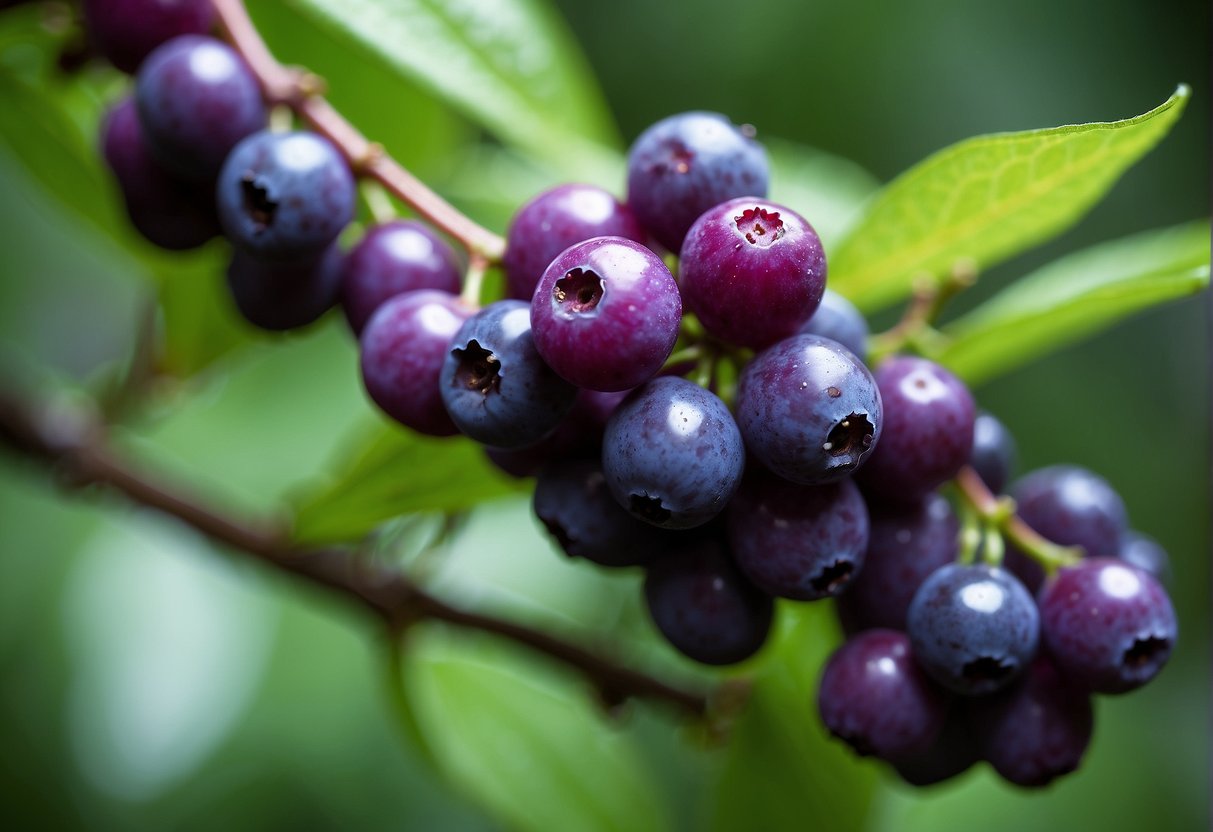
Should you be in search of a plant that is not only visually appealing but also serves practical purposes, the American beautyberry (Callicarpa americana) could be an excellent choice. This indigenous shrub is adorned with vivid purple berry clusters that are not only aesthetically pleasing but useful as well. For generations, Native Americans and others have utilized the beautyberry’s leaves, stems, and roots for medicinal benefits, a practice which recent studies have begun to validate in terms of traditional applications.
The beautyberry is a member of the mint family, and it grows wild in the southeastern United States. It can reach heights of up to 8 feet, and it produces clusters of berries that can be up to 5 inches long. The berries are high in antioxidants, and they have been used to treat a variety of ailments, including fever, dysentery, and rheumatism. The leaves and stems have also been used to make teas and poultices that can help relieve pain and inflammation.
Key Takeaways
- American beautyberry is a native shrub that produces clusters of bright purple berries.
- The berries are high in antioxidants and have been used for medicinal purposes for centuries.
- The leaves, stems, and roots of the beautyberry have also been used for their medicinal properties.
Botanical Profile
Species and Varieties
Beautyberry, scientifically known as Callicarpa, is a genus of shrubs and small trees that belong to the mint family Lamiaceae. There are approximately 140 species of Callicarpa, with the American Beautyberry and Japanese Beautyberry being the most well-known and commonly cultivated species.
The American Beautyberry, also known as Callicarpa americana, is native to the southeastern United States and is a deciduous shrub that can grow up to 8 feet tall. The Japanese Beautyberry, also known as Callicarpa japonica, is native to China, Japan, and Korea and is a deciduous shrub that can grow up to 10 feet tall.
Physical Characteristics
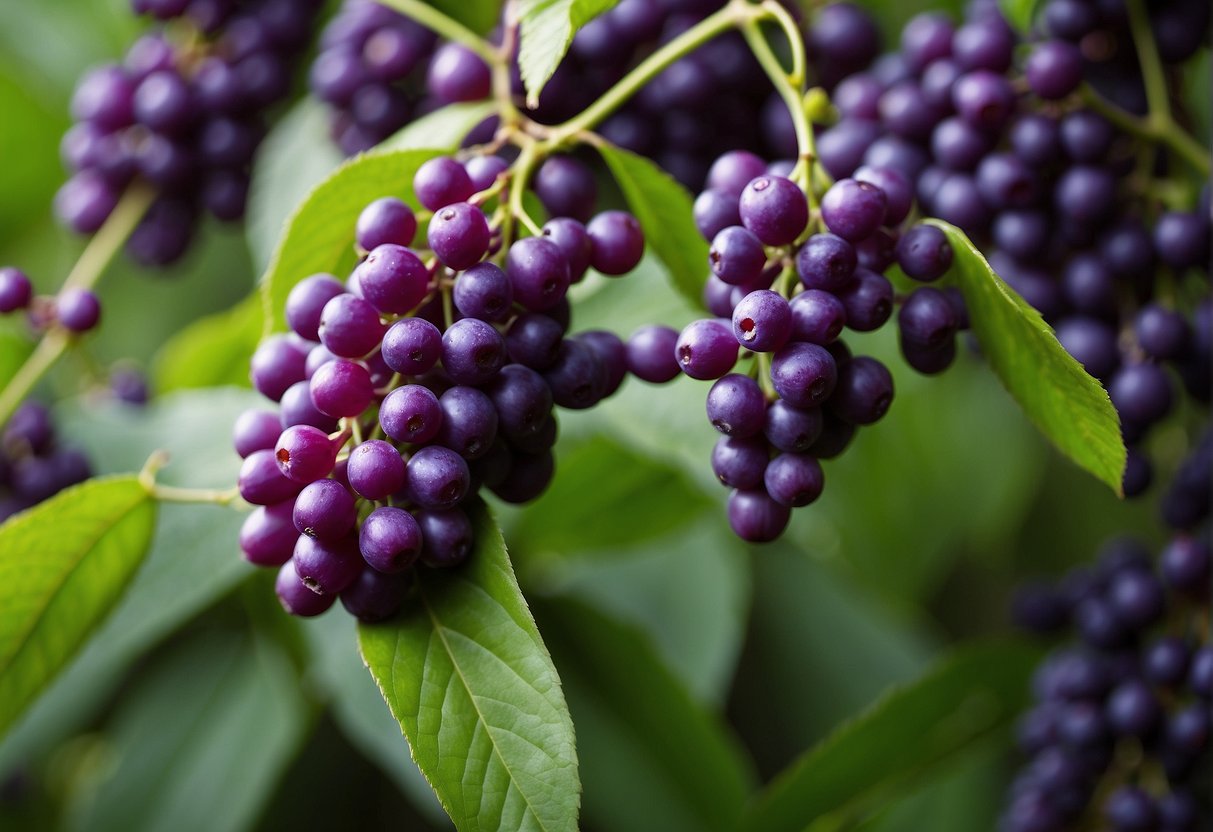
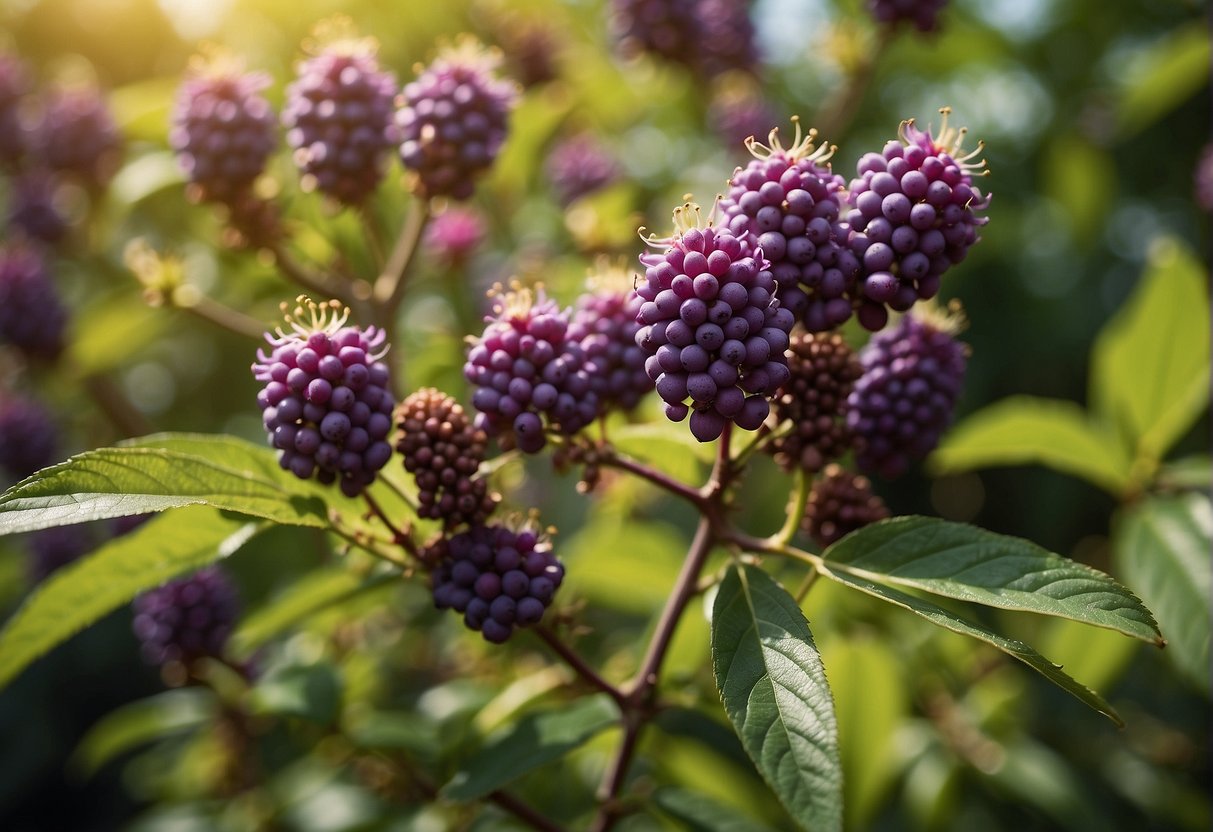
The beautyberry shrub is characterized by its brightly colored purple berries that grow in clusters around the stem. Some varieties of beautyberry produce pink or white berries instead of purple. The leaves of the beautyberry shrub are typically green and have a slightly serrated edge. The flowers of the beautyberry shrub are small and inconspicuous, with colors ranging from pink to white.
The beautyberry shrub is a popular ornamental plant due to its attractive berries and foliage. It is also used in traditional medicine for its anti-inflammatory and antioxidant properties. However, further research is needed to fully understand the potential health benefits of beautyberry.
Cultivation
If you’re interested in growing beautyberry in your garden, it’s important to be aware of the planting and growing conditions, maintenance and care, and propagation techniques necessary to ensure its healthy growth.
Planting and Growing Conditions
Beautyberry is a shrub that thrives in full sun to partial shade. It prefers well-drained soil with a pH range of 6.0 to 7.0, but can tolerate a range of soil types. It’s important to note that beautyberry is a native plant in the southeastern United States, and is hardy in USDA hardiness zones 6 through 10.
Maintenance and Care
Beautyberry requires moderate watering, and should be watered regularly during periods of drought. Late winter is the best time to prune the shrub, as it blooms on new growth. Beautyberry is generally disease and insect resistant, but may be susceptible to some pests such as Japanese beetles.
Propagation Techniques
Beautyberry can be propagated through seeds, stem cuttings, or layering. If you choose to grow from seed, it’s important to note that germination can be slow and erratic. Stem cuttings can be rooted in a rooting hormone and placed in a potting mix. Layering involves burying a low branch of the shrub in soil to encourage rooting.
In summary, beautyberry is a hardy shrub that can be grown in a range of soil types and light conditions. With moderate watering and pruning, it can thrive in your garden. Propagation can be achieved through seeds, stem cuttings, or layering.
Landscape Uses
If you are looking for a plant that can add both beauty and functionality to your landscape, then beautyberry is an excellent choice. This plant is not only visually appealing, but it also attracts wildlife, making it a great addition to any garden.
Ornamental Value
The beautyberry plant is highly valued for its ornamental value. The clusters of small flowers that bloom in the summer are followed by bright, colorful berries in the fall and winter. These berries can range in color from light pink to deep purple, making them a striking addition to any garden.
In addition to the colorful berries, the foliage of the beautyberry plant is also quite attractive. The leaves are a bright green color and are arranged in an alternating pattern along the stem. When new growth appears in the spring, the leaves have a reddish tint that adds even more visual interest to the plant.
Wildlife Attraction
Beautyberry is also an excellent choice for attracting wildlife to your garden. The berries of the plant are a food source for many birds, including songbirds, making it a great addition to a pollinator garden.
In addition to providing food for birds, the plant also attracts pollinators such as bees and butterflies. The small flowers that bloom on the plant in the summer are a valuable source of nectar for these insects.
If you live in North America, particularly in the southeastern United States or Florida, then beautyberry is a great native plant to add to your garden. It is well-adapted to the climate and soil conditions of these regions, making it an easy plant to care for.
Beautyberry is also a great choice if you are looking to create a naturalistic garden. The plant grows well in thickets and can be used to create a natural border or screen. Its small flowers and colorful berries add visual interest to any garden, making it a valuable addition to any landscape.
Ecological Benefits
Beautyberry is not only a beautiful plant, but it also provides several ecological benefits. In this section, we will discuss two of the most significant ecological benefits of beautyberry: pest and insect control and supporting biodiversity.
Pest and Insect Control
Beautyberry has been found to have natural insect-repelling properties. The leaves of the beautyberry plant contain compounds that repel pests such as mosquitoes and ticks. These compounds are also effective against other insects that can cause damage to crops and gardens.
Several studies have shown that beautyberry extracts can be used as an effective insect repellent. In fact, beautyberry extracts have been found to be just as effective as commercial insect repellents containing DEET. This makes beautyberry a great alternative for those who want to avoid using synthetic insect repellents.
Supporting Biodiversity
Beautyberry is also an important plant for supporting biodiversity. The plant provides habitat for a wide range of wildlife, including birds, butterflies, and other insects. The berries of the beautyberry plant are a food source for many animals, including birds and small mammals.
Furthermore, beautyberry is an important plant for supporting pollinators. The plant produces nectar-rich flowers that attract bees, butterflies, and other pollinators. By supporting pollinators, beautyberry helps to ensure the health and survival of many plant species.
In conclusion, beautyberry is not only a beautiful plant but also provides several ecological benefits. Its natural insect-repelling properties make it a great alternative to synthetic insect repellents, and it is also an important plant for supporting biodiversity.
Harvesting and Usage
When it comes to harvesting beautyberries, it is best to wait until August or later when the berries have ripened and turned a bright, vibrant purple color. The berries can be easily plucked from the bush and used for various purposes.
Edible Uses
Beautyberries are edible and have a slightly bitter taste with a hint of sweetness. They can be eaten raw or used in cooking to make beautyberry jelly, wine, and other delicious treats. Beautyberry jelly is a popular way to use these berries and is often compared to grape jelly in flavor. Some people even refer to beautyberries as “Welch’s Pink” due to their resemblance to the popular grape juice.
Medicinal and Other Uses
Aside from their culinary uses, beautyberries have also been used for medicinal purposes. Some people believe that the leaves and stems of the plant can be used as a mosquito repellent, and the berries themselves have been used to treat various ailments such as fever, colic, and rheumatism.
It is important to note that while beautyberries are generally safe to consume, some people may have an allergic reaction to them. As with any new food, it is best to start with a small amount and monitor your body’s reaction.
If you are interested in propagating your own beautyberry bush, it is best to do so in the fall or early spring. Cuttings can be taken from the plant and rooted in a well-draining soil.
Overall, beautyberries are a versatile and useful plant with a range of culinary and medicinal uses. Whether you are looking to make beautyberry jelly or use the plant as a natural mosquito repellent, there are many ways to enjoy this beautiful and beneficial plant, especially in Texas where it is commonly known as the French Mulberry.
Frequently Asked Questions
What are the skin benefits of beautyberry?
Beautyberry contains high levels of antioxidants, which can help protect your skin from free radical damage and premature aging. Some studies suggest that beautyberry extracts can also help reduce inflammation and improve skin hydration.
What are the purported magical properties of beautyberry?
While beautyberry has been used in traditional medicine for centuries, there is no scientific evidence to support any magical or mystical properties associated with the plant.
How can you incorporate beautyberry into recipes?
Beautyberry has a tart, slightly sweet flavor that pairs well with other fruits and berries. You can use fresh or dried beautyberries to make jams, jellies, and sauces. You can also infuse beautyberry into syrups, vinegars, and cocktails.
Are there any health benefits associated with consuming beautyberry?
Beautyberry contains compounds that have been shown to have anti-inflammatory, antimicrobial, and anticancer properties. However, more research is needed to fully understand the potential health benefits of consuming beautyberry.
Is it safe to eat beauty berries raw?
While beautyberries are generally safe to eat, they have a bitter taste and can cause stomach upset if consumed in large quantities. It is best to cook or process beautyberries before consuming them.
Does the beautyberry plant have mosquito repellent properties?
While some people claim that beautyberry leaves or extracts can repel mosquitoes, there is no scientific evidence to support this claim. It is best to use proven mosquito repellents to protect yourself from mosquito bites.

