
What is a Beautyberry? A Guide to the Shrub’s Characteristics and Uses
If gardening or landscaping piques your interest, you might be familiar with the beautyberry plant. This plant is a favored option for infusing gardens with vibrant colors and appeal, and it’s also recognized for its healing qualities. However, what really is a beautyberry, and what distinguishes it as unique?
Beautyberry, also known as Callicarpa, is a genus of plants that includes around 140 species. The most commonly grown species is Callicarpa americana, which is native to the southeastern United States. The plant is known for its bright purple berries, which grow in clusters along the stems. These berries are a favorite food source for birds and other wildlife, and they’re also used in traditional medicine to treat a variety of ailments.
Beautyberry is a relatively easy plant to grow, and it’s well-suited to a variety of growing conditions. It prefers moist, well-drained soil and partial shade, but it can also tolerate full sun and drier soil. The plant is typically grown as a shrub, and it can reach heights of up to 6 feet. In addition to its ornamental value, beautyberry is also an important plant for ecological reasons, as it provides food and habitat for a variety of wildlife species.
Key Takeaways
- Beautyberry is a genus of plants that includes around 140 species, with Callicarpa americana being the most commonly grown.
- The plant is known for its bright purple berries, which are used in traditional medicine and are a favorite food source for wildlife.
- Beautyberry is easy to grow and provides both ornamental and ecological benefits.
What Is a Beautyberry?
If you are unfamiliar with the beautyberry, it is a shrub that is known for its strikingly beautiful berries. The beautyberry, also known as Callicarpa americana, is a native plant found in the southeastern United States. It is a deciduous shrub that can grow up to 6 feet tall and wide.
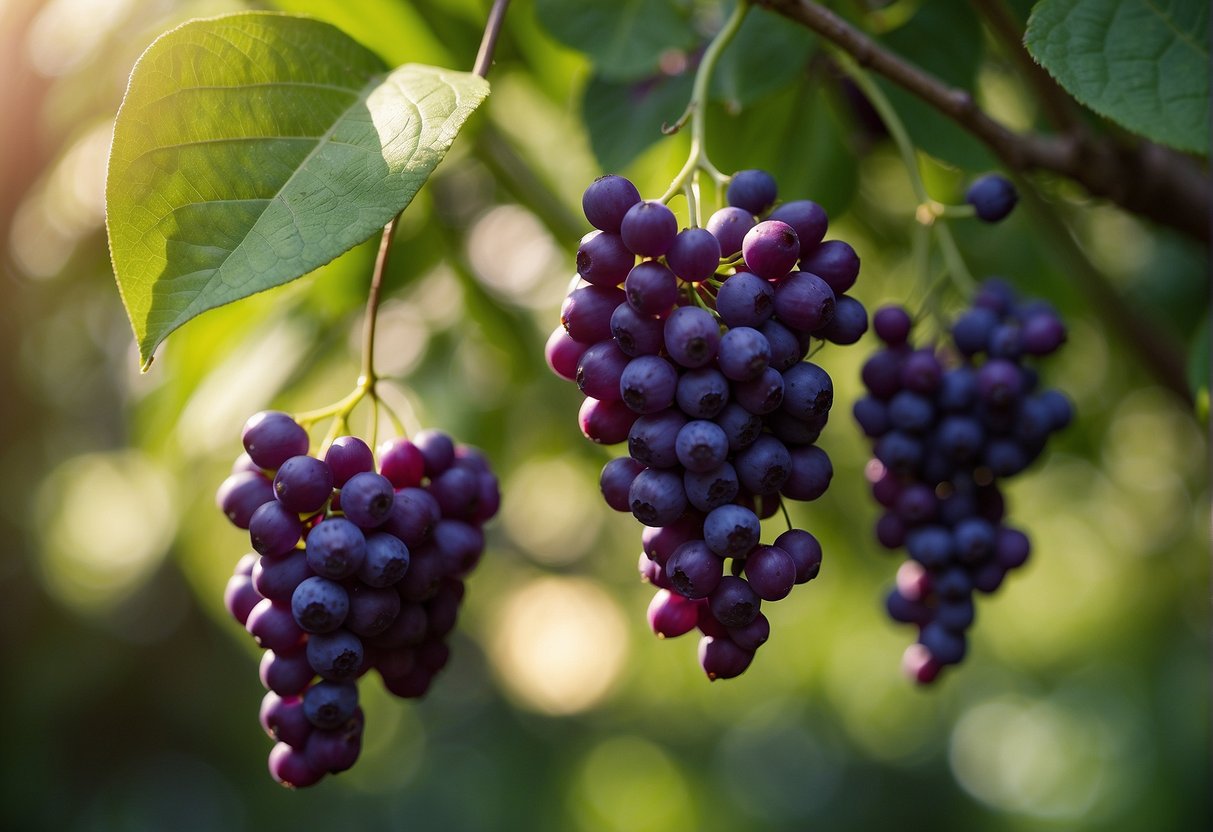
The beautyberry is most commonly known for its clusters of bright purple berries that adorn the plant in the fall. These berries are not only beautiful, but they also attract a variety of wildlife, including birds and deer.
In addition to its aesthetic appeal, the beautyberry has also been used for medicinal purposes by Native Americans. The leaves and roots of the plant were used to treat a variety of ailments, including fever, rheumatism, and dysentery.
Overall, the beautyberry is a beautiful and useful plant that is native to the southeastern United States. Whether you are looking to add some color to your landscape or are interested in the plant’s medicinal properties, the beautyberry is definitely worth considering.
Botanical Profile
Species Overview
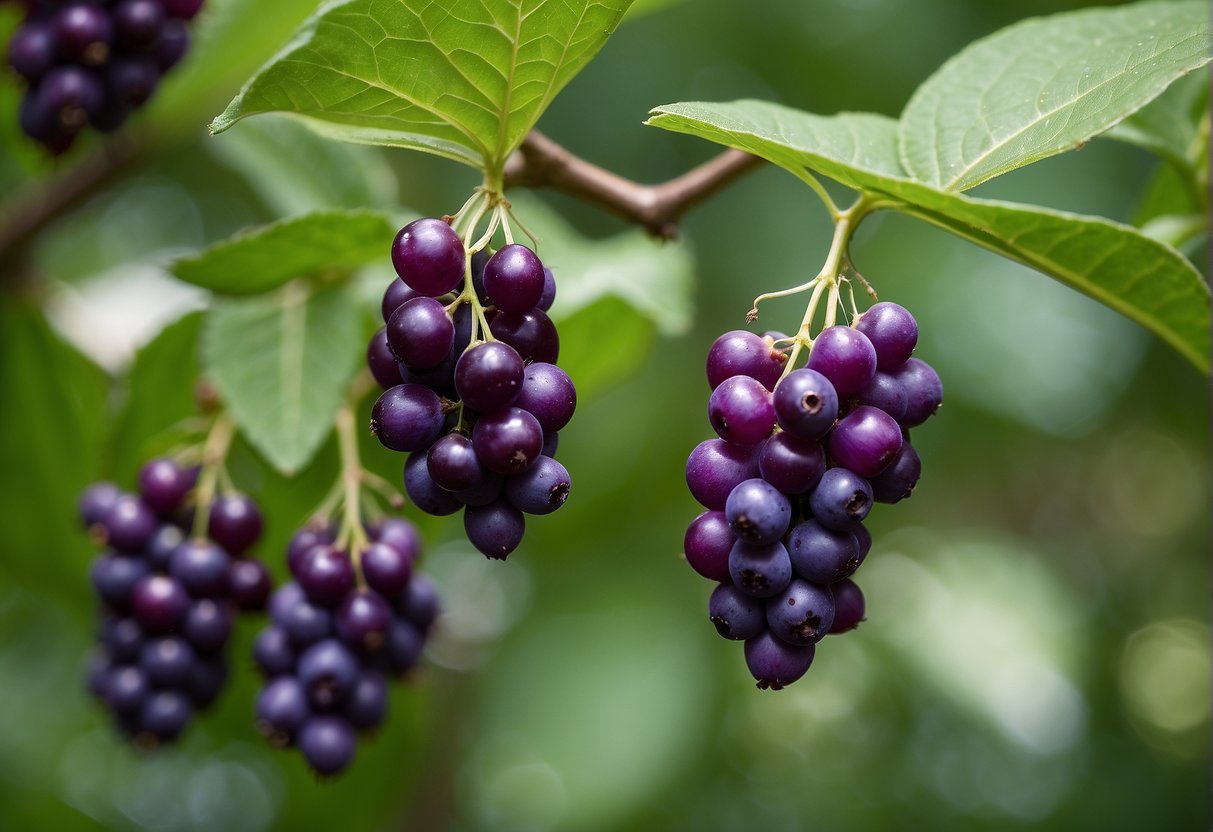
Beautyberry is a common name for plants belonging to the genus Callicarpa, which comprises approximately 140 species of shrubs and small trees. These plants are known for their colorful and attractive berries, which can range from bright purple to white. The two most commonly known species of beautyberry are the American beautyberry (Callicarpa americana) and the Japanese beautyberry (Callicarpa japonica).
Classification
Callicarpa species are members of the Lamiaceae family, which includes many other aromatic plants such as mint and basil. The American beautyberry is native to the southeastern United States, while the Japanese beautyberry is native to eastern Asia. Another species of beautyberry, Callicarpa dichotoma, is native to China and Japan.
The American beautyberry is a deciduous shrub that can grow up to 9 feet tall and wide. It has large, ovate leaves and clusters of bright purple berries that are produced in the fall. The Japanese beautyberry is also a deciduous shrub, but it is smaller, growing up to 6 feet tall and wide. Its leaves are smaller and more pointed than those of the American beautyberry, and its berries are a lighter shade of purple.
In conclusion, beautyberry is a genus of shrubs and small trees that are known for their colorful and attractive berries. The American beautyberry, Japanese beautyberry, and Callicarpa dichotoma are the most commonly known species. These plants belong to the Lamiaceae family and are native to different regions of the world.
Growing Beautyberry
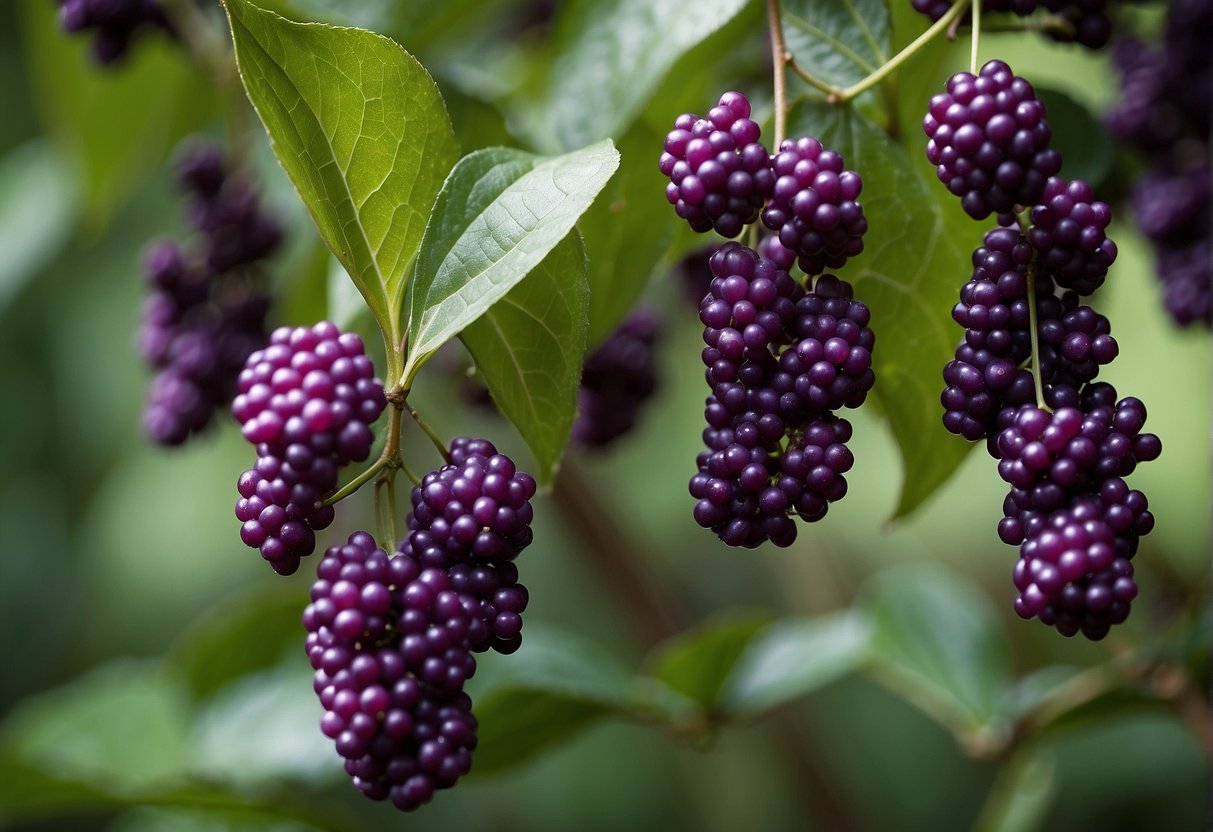
If you’re looking for a low-maintenance, attractive shrub to add to your garden, beautyberry might be just what you need. These shrubs are known for their striking purple berries that appear in the fall, making them a great addition to any landscape.
Planting Instructions
When planting beautyberry, it’s important to choose a location that gets full sun. The shrub can tolerate partial shade, but it won’t produce as many berries. Make sure the soil is well-draining and has a pH between 6.0 and 7.0. Dig a hole that is twice as wide as the root ball and just as deep. Place the shrub in the hole and backfill with soil, making sure to tamp down the soil around the roots.
Care and Maintenance
Beautyberry is a low-maintenance shrub, but it still requires some care to thrive. Water the shrub regularly, especially during dry spells. Fertilize in the spring with a balanced fertilizer. Prune the shrub in late winter or early spring to remove any dead or damaged branches. This will encourage new growth and help keep the shrub looking neat and tidy.
Propagation Methods
Beautyberry can be propagated from cuttings or seeds. To propagate from cuttings, take a 4- to 6-inch cutting from a healthy shrub in the summer. Dip the cutting in rooting hormone and plant it in a pot filled with well-draining soil. Keep the soil moist and place the pot in a bright, but indirect, location. The cutting should root in 4 to 6 weeks. To propagate from seeds, collect the berries in the fall and remove the seeds. Plant the seeds in pots filled with well-draining soil and keep the soil moist. The seeds should germinate in 2 to 3 weeks.
Ornamental Uses
The beautyberry is a versatile plant that can be used in a variety of ornamental settings. Here are some ways you can incorporate this plant into your garden or landscape.
Garden Design
Beautyberries are an excellent choice for adding color and texture to your garden. The bright purple berries are a standout feature that can be used to create eye-catching focal points or to add interest to a border. The deciduous shrub also has arching branches that give it a graceful, flowing appearance.
One way to use beautyberries in your garden design is to plant them in mass groupings. This creates a bold statement and allows the purple berries to stand out even more. You can also use them as a backdrop for other plants, or as a border along a walkway or garden bed.
Landscape Features
In addition to their ornamental value, beautyberries also have practical uses in the landscape. The berries are a favorite food source for many types of wildlife, including birds and deer. This makes them an excellent choice for naturalizing an area or creating a wildlife garden.
Beautyberries are also a great choice for adding interest to your fall landscape. The bright purple berries persist well into the fall, creating a colorful display that lasts well beyond the growing season. The flowers of the beautyberry are also a lovely addition to your garden in the summer months.
Overall, the beautyberry is a versatile and attractive plant that can be used in a variety of ornamental settings. Whether you are looking to create a bold statement with mass plantings or to add interest to your fall landscape, the beautyberry is an excellent choice.
Cultivars and Varieties
Popular Types
Beautyberries are available in a range of cultivars and varieties, each with its unique characteristics. Some of the most popular types include Callicarpa americana, Japanese beautyberry, and Callicarpa bodinieri.
Callicarpa americana, also known as American beautyberry, is native to the southeastern United States and is hardy in zones 6 to 10. It prefers well-drained soil and can grow up to 6 feet tall. The fruit of this variety is a vibrant purple color and is known for its use in traditional medicine.
Japanese beautyberry, on the other hand, is a showy shrub that can grow up to 6 feet tall and wide. It is hardy in zones 5 to 8 and prefers well-drained soil. The fruit of this variety is a bright magenta color and is often used in floral arrangements.
Callicarpa bodinieri is a deciduous shrub that can grow up to 10 feet tall and wide. It is hardy in zones 5 to 8 and prefers well-drained soil. This variety produces clusters of small, pink flowers in the summer, which are followed by bright purple fruit in the fall.
Choosing the Right Beautyberry
When choosing a beautyberry cultivar, it’s essential to consider your hardiness zone and soil type. Some varieties are more tolerant of specific soil types, while others may require well-drained soil. It’s also important to consider the size of the shrub and the color of the fruit.
If you’re looking for a compact shrub, ‘Welch’s Pink’ is an excellent choice. This variety grows up to 3 feet tall and wide and produces pink fruit in the fall. ‘Early Amethyst’ is another compact cultivar that grows up to 4 feet tall and wide and produces deep purple fruit.
For larger shrubs, ‘Profusion’ is a popular choice. This variety can grow up to 8 feet tall and wide and produces an abundance of bright purple fruit. It is hardy in zones 5 to 8 and prefers well-drained soil.
Overall, beautyberries are an excellent addition to any garden or landscape. With a range of cultivars and varieties to choose from, you’re sure to find the perfect beautyberry for your needs.
Ecological Significance
The beautyberry plant has great ecological significance due to its ability to attract wildlife and provide a native habitat for various species. In this section, we will explore the different ways in which this plant contributes to the ecosystem.
Wildlife Attraction
The beautyberry plant is known for its bright purple berries, which are a favorite food source for many wildlife species. Birds, in particular, are attracted to the plant and feed on its berries, helping to spread its seeds and promote its growth. In addition, other wildlife such as squirrels and deer have also been known to feed on the berries.
Native Habitat
The beautyberry plant is native to the southeastern United States and is an important part of the region’s ecosystem. It provides a native habitat for a variety of wildlife species and helps to support biodiversity in the area. By planting beautyberry in your yard or garden, you can help to create a natural habitat for native wildlife and promote a healthy ecosystem.
Overall, the beautyberry plant is an important contributor to the ecosystem, providing food and habitat for wildlife in the southeastern United States and other parts of North America. By understanding its ecological significance, we can appreciate the important role that this plant plays in our environment.
Harvesting and Usage
Beautyberry is a versatile plant that has many uses. The berries can be harvested and used in a variety of ways. Here are some of the most common ways to use beautyberry:
Edible Applications
The berries of the beautyberry plant are edible and have a tart, sweet flavor. They can be eaten raw or cooked. Some people enjoy the taste of the berries, while others find them too tart. The berries can be used to make jam, jelly, and wine. They can also be added to fruit salads or used as a garnish.
When making jam or jelly, it’s important to note that the berries are low in pectin, so you may need to add some pectin or use a combination of beautyberries and other fruits that are high in pectin. Beautyberry wine is made by fermenting the berries with sugar and yeast.
Medicinal and Other Uses
Beautyberry has a long history of medicinal use in traditional medicine. The leaves, stems, and roots of the plant have been used to treat a variety of ailments, including fever, dysentery, and rheumatism. The berries are believed to have astringent properties and have been used to treat mosquito bites and other insect stings.
In addition to its medicinal uses, beautyberry is also used as an ornamental plant. It is popular in gardens and landscaping due to its attractive foliage and bright purple berries. The plant is also used as a natural insect repellent for horses and other animals.
Overall, beautyberry is a versatile plant that has many uses. Whether you’re looking to add some tartness to your cooking or treat an insect bite, beautyberry is a plant worth exploring.
Challenges and Solutions
Common Pests and Diseases
Beautyberries are generally hardy plants and are not commonly affected by pests or diseases. However, there are a few issues that you may encounter.
One of the most common pests that can affect beautyberries is the Japanese beetle. These beetles can cause significant damage to the leaves and fruit of the plant. To combat this problem, you can use insecticidal soap or neem oil to deter the beetles.
Another pest that can be a problem for beautyberries is the spider mite. These tiny pests can cause the leaves to turn yellow and fall off. You can control spider mites by spraying the plant with a strong jet of water or using insecticidal soap.
As for diseases, beautyberries are susceptible to fungal diseases such as powdery mildew. This can cause a white powdery coating to form on the leaves and stems. To prevent powdery mildew, make sure the plant has good air circulation and avoid overhead watering.
Environmental Stress
Beautyberries are generally hardy plants, but they can be affected by environmental stress. One of the most common issues is drought stress. If the plant is not receiving enough water, the leaves may wilt and the fruit may not develop properly. To prevent this, make sure the plant is watered regularly during dry periods.
Another environmental issue that can affect beautyberries is cold stress. While the plants are generally hardy to USDA hardiness zones 6-10, they may experience damage if exposed to extreme cold temperatures. To protect the plant, cover it with a blanket or burlap during cold snaps.
Finally, beautyberries may struggle in clay soil. This type of soil can be heavy and compact, making it difficult for the plant to establish roots. To improve the soil, add organic matter such as compost or leaf mold. This will help to improve drainage and provide nutrients to the plant.
In summary, while beautyberries are generally hardy plants, they can be affected by pests, diseases, and environmental stress. By taking a few simple steps to prevent and control these issues, you can enjoy a healthy and beautiful plant in your garden.
Beautyberry Around the World
Beautyberry is a plant that is found in various regions of the world. It is known for its brightly colored berries that are usually purple, pink, or white. In this section, we will explore the regional variations of beautyberry in different parts of the world.
Regional Variations
Texas
In Texas, beautyberry is a popular ornamental plant that is often used in gardens and landscaping. The plant is known for its attractive foliage and bright purple berries, which add a pop of color to any garden. Beautyberry is also used in traditional medicine in Texas to treat a variety of ailments, including headaches and fevers.
Bermuda
In Bermuda, beautyberry is known as “wild coffee” and is used to make a tea that is believed to have medicinal properties. The tea is made by boiling the leaves and stems of the plant. Beautyberry is also used in Bermuda as a natural insect repellent.
Cuba
In Cuba, beautyberry is known as “mirto” and is used in traditional medicine to treat a variety of ailments, including stomach problems and skin conditions. The plant is also used in Cuba as a natural insect repellent.
China
In China, beautyberry is known as “zǐjīn” and is used in traditional Chinese medicine to treat a variety of ailments, including rheumatism and arthritis. The plant is also used in China as a natural insect repellent.
Maryland
In Maryland, beautyberry is a popular ornamental plant that is often used in gardens and landscaping. The plant is known for its attractive foliage and bright purple berries, which add a pop of color to any garden. Beautyberry is also used in traditional medicine in Maryland to treat a variety of ailments, including fevers and dysentery.
Florida
In Florida, beautyberry is a popular ornamental plant that is often used in gardens and landscaping. The plant is known for its attractive foliage and bright purple berries, which add a pop of color to any garden. Beautyberry is also used in traditional medicine in Florida to treat a variety of ailments, including headaches and fevers.
Mexico
In Mexico, beautyberry is known as “acicalis” and is used in traditional medicine to treat a variety of ailments, including skin conditions and insect bites. The plant is also used in Mexico as a natural insect repellent.
Bahamas
In the Bahamas, beautyberry is known as “fiddlewood” and is used in traditional medicine to treat a variety of ailments, including diarrhea and stomach problems. The plant is also used in the Bahamas as a natural insect repellent.
Overall, beautyberry is a versatile plant that is used for a variety of purposes around the world. Whether it is used for its medicinal properties or as an ornamental plant, beautyberry is a beautiful and useful addition to any garden or landscape.
Frequently Asked Questions
How can beautyberry plants be used in landscaping?
Beautyberry plants are popular in landscaping due to their attractive foliage and bright purple berries. They can be used as a border or hedge plant, or as a focal point in a garden. They are also great for attracting wildlife, such as birds and butterflies.
Are the fruits of beautyberry plants safe for human consumption?
While the berries of American beautyberry (Callicarpa americana) are not toxic, they are not typically consumed raw due to their astringent taste. However, they can be used to make jelly or other culinary creations. It is important to note that other species of beautyberry may have toxic berries, so it is important to properly identify the species before consuming any part of the plant.
What medicinal properties do beautyberries possess?
Beautyberries have a long history of use in traditional medicine, particularly in Native American cultures. The leaves, roots, and bark of the plant have been used to treat a variety of ailments, including fever, rheumatism, and dysentery. Recent research has shown that beautyberries contain compounds with anti-inflammatory and antioxidant properties, which may have potential health benefits.
What are the common issues faced when growing American beautyberry?
American beautyberry is generally easy to grow and maintain, but it can be susceptible to certain pests and diseases. Some of the most common issues include leaf spot, powdery mildew, and scale insects. To prevent these issues, it is important to plant beautyberries in well-draining soil and to provide adequate air circulation.
How do you make jelly from beautyberry fruits?
To make beautyberry jelly, first harvest the berries when they are fully ripe and soft. Remove the stems and wash the berries thoroughly. Place the berries in a pot with enough water to cover them, and bring to a boil. Reduce the heat and simmer for 20-30 minutes, or until the berries have burst and released their juice. Strain the juice through a cheesecloth or fine mesh strainer, and measure the amount of juice obtained. Add an equal amount of sugar to the juice, and bring to a boil, stirring constantly. Boil for 1-2 minutes, or until the mixture reaches the gel point. Pour the jelly into sterilized jars and seal.
What are alternative names for the beautyberry species?
The American beautyberry (Callicarpa americana) is also known as French mulberry, beautybush, and sourbush. Other species of beautyberry include the Japanese beautyberry (Callicarpa japonica), the Chinese beautyberry (Callicarpa dichotoma), and the Korean beautyberry (Callicarpa coreana).

