
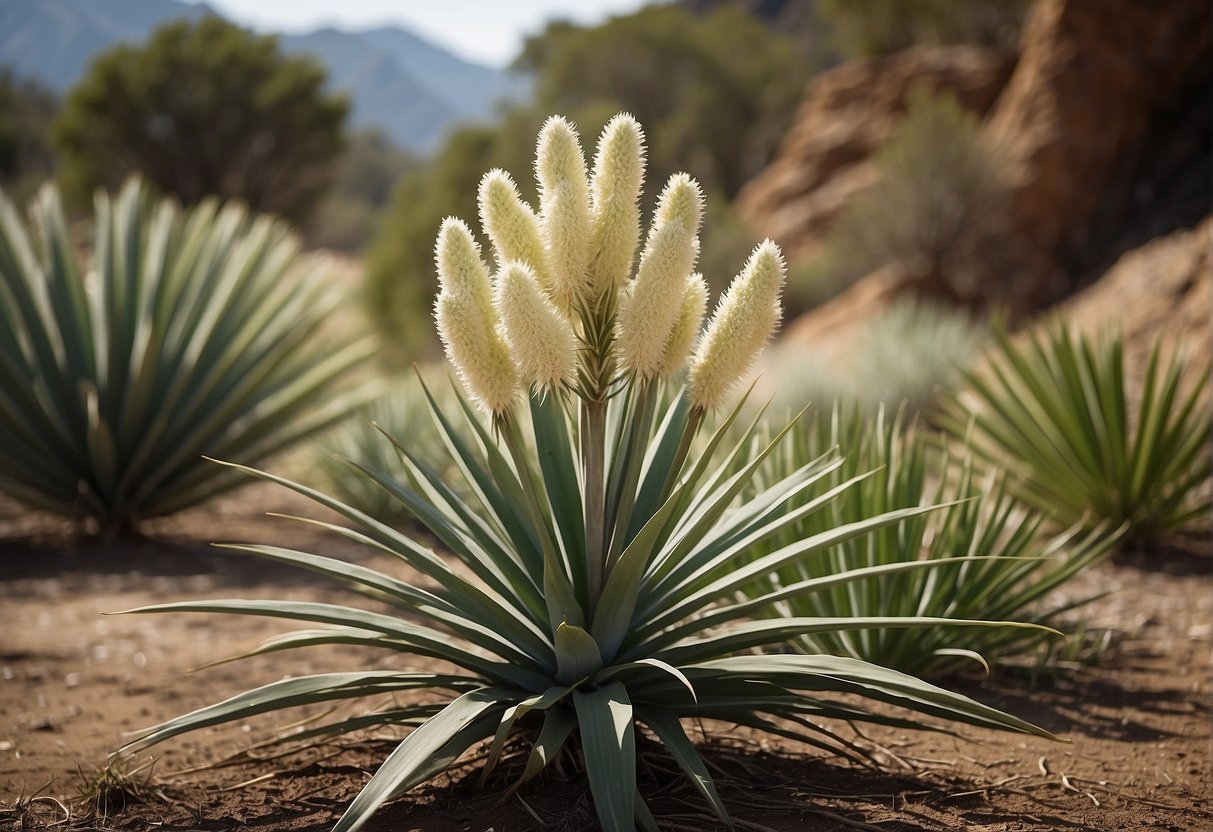
How Big Do Yucca Plants Get in Zone 6: A Comprehensive Guide
If you’re considering incorporating a yucca plant into your zone 6 garden, it’s crucial to understand the potential size of the plant. Known for their distinctive look and hardiness, yucca plants are favored by many garden enthusiasts. Nonetheless, their ultimate size can differ based on several aspects, such as the particular species of yucca and the conditions of cultivation in your locale.
When it comes to growth expectations for yucca plants in zone 6, it’s important to consider the average temperature and climate conditions in this region. Yucca plants tend to thrive in warm, dry climates, so it’s important to ensure that your plant is getting enough sunlight and that the soil is well-draining. Additionally, different types of yucca plants can vary in size, with some growing up to 30 feet tall and others staying relatively small.
If you’re considering adding a yucca plant to your garden in zone 6, it’s important to understand the cultivation and care requirements for these plants. From choosing the right soil to providing adequate watering and fertilization, there are several factors to consider when caring for a yucca plant. With the right care, your yucca plant can thrive and add a unique touch to your garden.
Key Takeaways
- The size of a yucca plant in zone 6 can vary depending on the specific type of plant and the growing conditions in your area.
- Yucca plants tend to thrive in warm, dry climates and require well-draining soil, adequate sunlight, and proper watering and fertilization.
- With the right care, a yucca plant can add a striking and resilient touch to your garden in zone 6.
Growth Expectations in Zone 6
Yucca plants are known for their stunning architectural features and are easy to grow in many different climates. If you are planning to grow yucca plants in Zone 6, it is important to know what to expect in terms of growth and size.
Typical Sizes of Yucca Plants
The size of a yucca plant can vary greatly depending on the species and growing conditions. In general, yucca plants can range from small, compact plants to large, tree-like specimens.
Some species, such as Yucca filamentosa, are known for their compact growth habit and typically reach a mature size of 2 to 3 feet tall and wide. On the other hand, species like Yucca rostrata and Yucca brevifolia can grow up to 20 feet tall with a spread of 10 to 15 feet.
Species Suited for Zone 6
Not all yucca species are suited for Zone 6, which experiences cold winter temperatures. Yucca elephantipes, also known as the spineless yucca, is a popular choice for Zone 6 gardens as it is hardy to temperatures as low as 10°F.
Other yucca species that can thrive in Zone 6 include Yucca filamentosa, Yucca rostrata, and Yucca brevifolia. These species are known for their tolerance of full sun, drought, and poor soil conditions.
When planting yucca in Zone 6, it is important to choose a site that receives full sun and has well-draining soil. Yucca plants do not tolerate wet soil and can suffer from root rot if planted in an area with poor drainage.
In conclusion, yucca plants can grow to various sizes depending on the species and growing conditions. If you are looking to grow yucca in Zone 6, choose a species that is hardy to cold temperatures and ensure that the plant is planted in a suitable location with well-draining soil and full sun.
Cultivation and Care
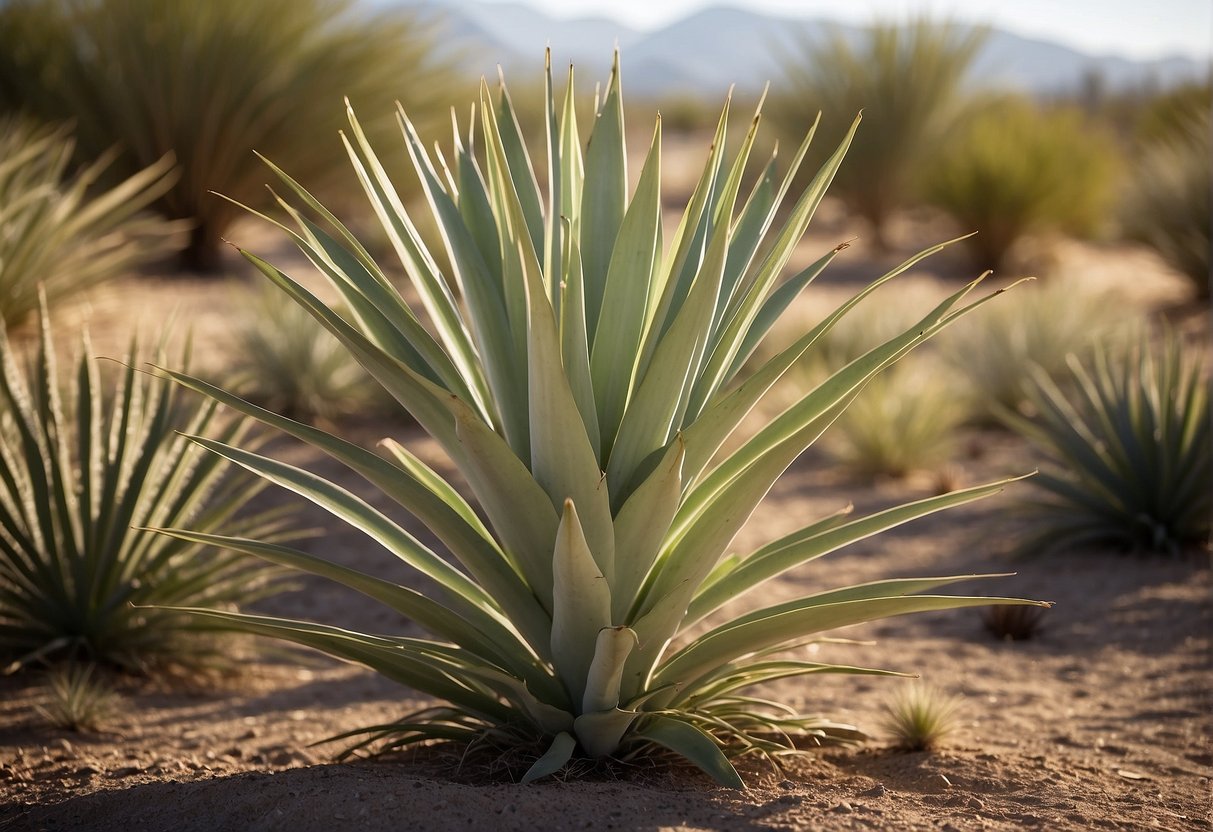
Soil and Planting Requirements
Yucca plants prefer well-drained soil that is slightly acidic to neutral. They can tolerate a wide range of soil types, including sandy, loamy, and rocky soils. When planting yucca, it is important to choose a spot with good drainage to avoid root rot. Yucca plants can be planted in spring or fall.
Watering and Maintenance
Yucca plants are drought-tolerant and require low maintenance. They can survive in dry conditions and do not need frequent watering. Overwatering can cause root rot, so it is important to let the soil dry out between waterings. Yucca plants do not require fertilizer, but you can fertilize them once a year in the spring with a balanced fertilizer.
Pruning and Propagation
Pruning yucca plants is not necessary, but you can remove dead or damaged leaves to improve their appearance. Yucca plants can be propagated by seed or by removing offsets from the mother plant. To propagate yucca by removing offsets, wait until they have developed their own root system and then separate them from the mother plant. Plant the offsets in well-drained soil and water sparingly until they are established.
Overall, yucca plants can grow up to 30 feet tall in their natural habitat, but in Zone 6, they typically reach a height of 6-10 feet. With proper care and maintenance, yucca plants can thrive in Zone 6 and add a unique touch to your landscape.
Frequently Asked Questions
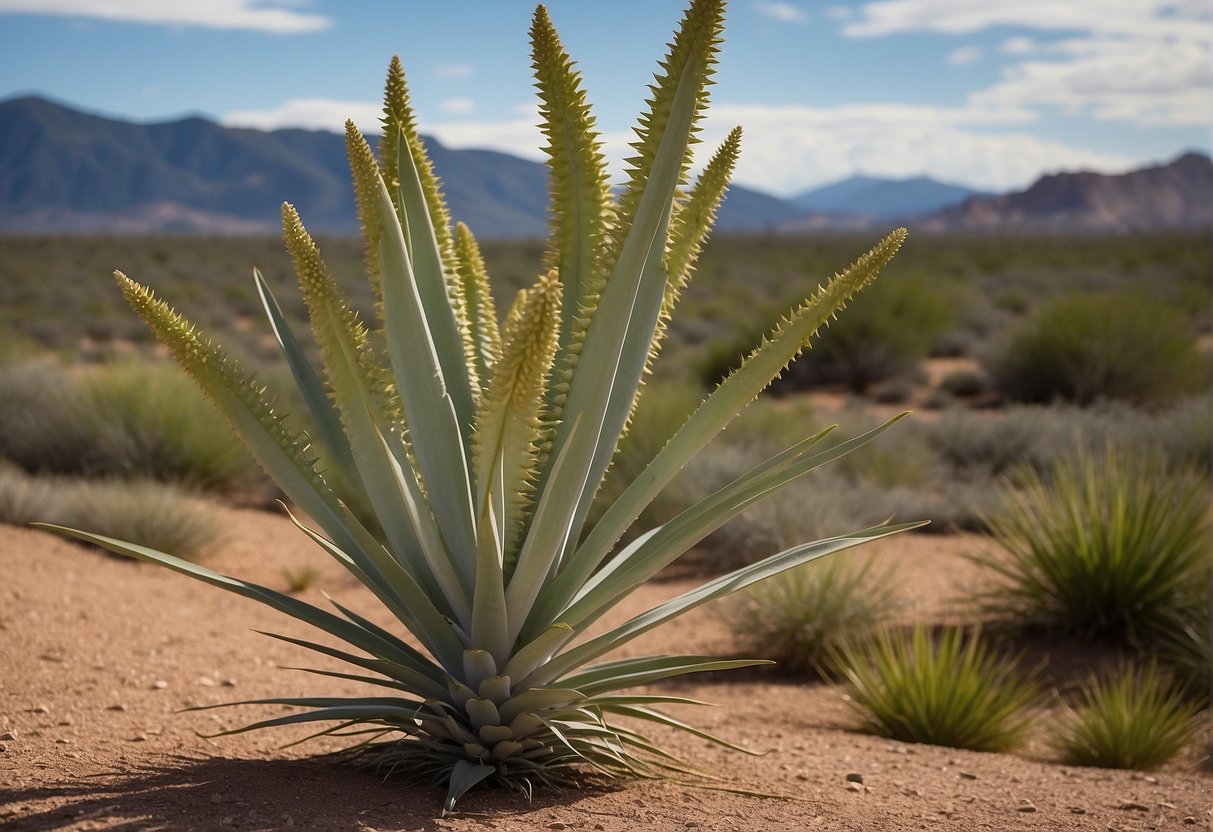
What is the maximum height of yucca plants grown outdoors in Zone 6?
The maximum height of yucca plants grown outdoors in Zone 6 can vary depending on the species and growing conditions. Generally, yucca plants can grow up to 6-10 feet tall in Zone 6.
How does winter in Zone 6 affect the growth of outdoor yucca plants?
Winter in Zone 6 can be harsh and affect the growth of outdoor yucca plants. Yucca plants are generally hardy and can withstand some cold temperatures. However, prolonged exposure to freezing temperatures can damage or even kill the plant. It is recommended to cover the plant with a frost cloth or move it indoors during extreme cold weather.
What care requirements do yucca plants have when grown outdoors in Zone 6?
Yucca plants require minimal care when grown outdoors in Zone 6. They prefer well-draining soil and full sun exposure. Water the plant only when the soil is dry to the touch. Fertilize the plant once a year with a balanced fertilizer in the spring.
Are yucca plants capable of withstanding freezing temperatures in Zone 6?
Yucca plants are generally hardy and can withstand some freezing temperatures in Zone 6. However, prolonged exposure to freezing temperatures can damage or even kill the plant. It is recommended to cover the plant with a frost cloth or move it indoors during extreme cold weather.
What is the ideal spacing for planting yucca in a Zone 6 garden?
The ideal spacing for planting yucca in a Zone 6 garden depends on the species and size of the plant. Generally, yucca plants should be spaced 3-6 feet apart to allow for proper growth and airflow.
How should yucca cuttings be planted for successful growth in Zone 6?
Yucca cuttings should be planted in well-draining soil and placed in a sunny area for successful growth in Zone 6. Water the cuttings sparingly until they establish roots, then water the plant only when the soil is dry to the touch.

