
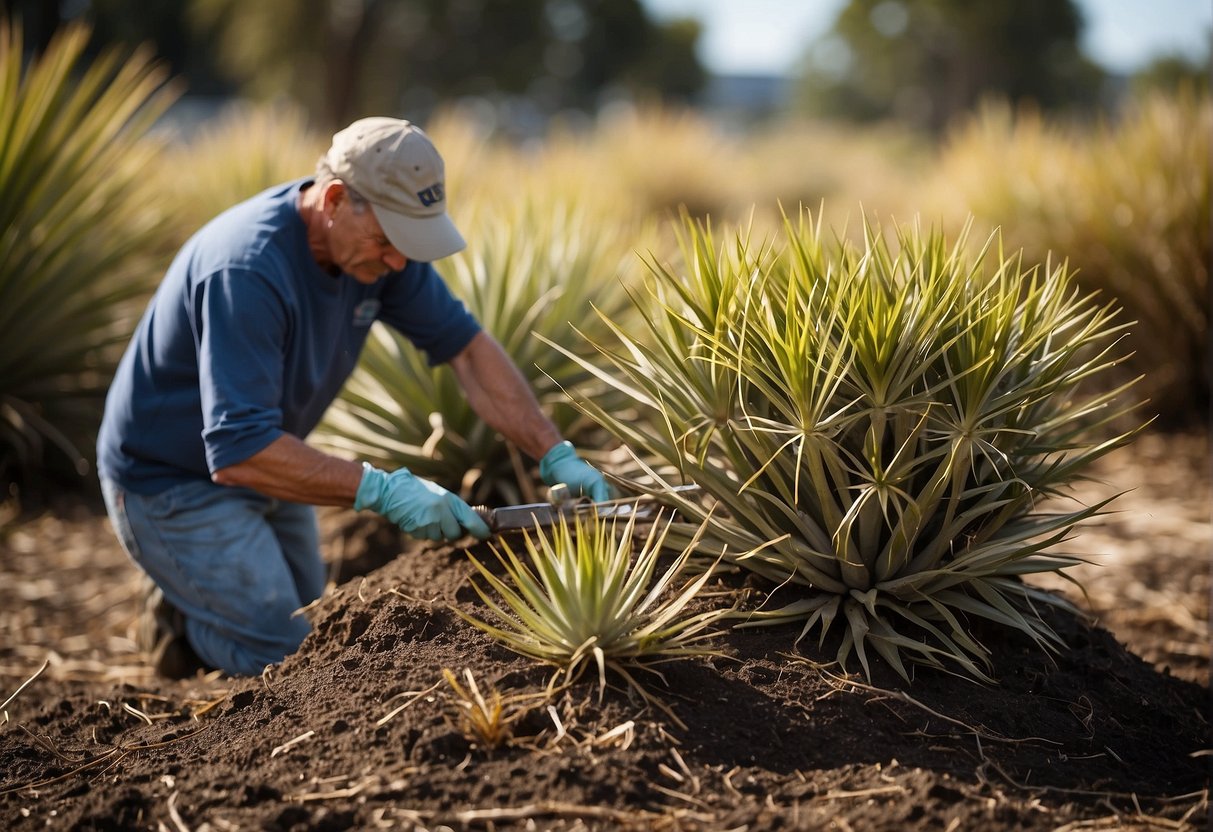
How to Prune Dying Yucca Plants after Transplanting: Expert Tips
Should you have just moved a yucca plant and notice it appears troubled, indicated by yellow or drooping leaves, it might be the right moment to consider pruning. Trimming the plant can encourage fresh growth and deter additional injury. Nevertheless, understanding the correct way to prune a yucca is crucial to ensure you’re helping rather than hurting the plant.
First, it’s important to understand the health of your yucca plant. Is it truly dying or is it simply adjusting to its new environment? Yucca plants are hardy and can tolerate a variety of growing conditions, but they do need time to acclimate to a new location. If the plant is truly dying, pruning may be necessary to save it.
When pruning a yucca plant, it’s important to use clean, sharp tools to avoid tearing or damaging the plant. Cut away any dead or dying leaves, making sure to leave at least a few healthy leaves on the plant. Avoid cutting into the stem of the plant as this can cause further damage. With proper care and attention, your yucca plant should recover from transplant shock and thrive in its new home.
Key Takeaways
- Before pruning a yucca plant, make sure it’s truly dying and not just adjusting to its new environment.
- Use clean, sharp tools to avoid damaging the plant when pruning.
- Cut away any dead or dying leaves, leaving at least a few healthy leaves on the plant.
Understanding Yucca Plant Health
Yucca plants are known for their hardiness and resilience, but even these tough plants can experience stress and disease after being transplanted. Understanding the health of your yucca plant is essential to ensuring its survival and growth. In this section, we’ll explore some common stress factors that can affect yucca plants and how to recognize signs of disease and pests.
Identifying Common Stress Factors
Yucca plants can experience stress from a variety of factors, including:
- Transplant shock: Moving a yucca plant from one location to another can cause stress and shock to the plant.
- Overwatering: Yucca plants prefer well-draining soil and can suffer if their roots are constantly wet.
- Underwatering: While yucca plants are drought-tolerant, they still require regular watering to stay healthy.
- Poor soil quality: Yucca plants prefer soil that is well-draining and nutrient-rich.
- Extreme temperatures: Yucca plants can suffer if exposed to extreme heat or cold.
Recognizing Signs of Disease and Pests
Yucca plants can also be susceptible to a variety of diseases and pests, including:
- Wilt: Yucca plants can wilt if they are overwatered or if their roots are damaged.
- Brown or yellow leaves: Discolored leaves can be a sign of stress or disease.
- Root rot: Overwatering or poor soil drainage can lead to root rot, which can be fatal to yucca plants.
- Fungal disease: Yucca plants can be susceptible to fungal diseases, which can be treated with fungicide.
By understanding the common stress factors and signs of disease and pests that can affect yucca plants, you can take steps to ensure the health and vitality of your plant. Regular care and maintenance, including proper watering and soil quality, can go a long way in preventing stress and disease in your yucca plant.
Pruning and Caring for Yucca After Transplanting
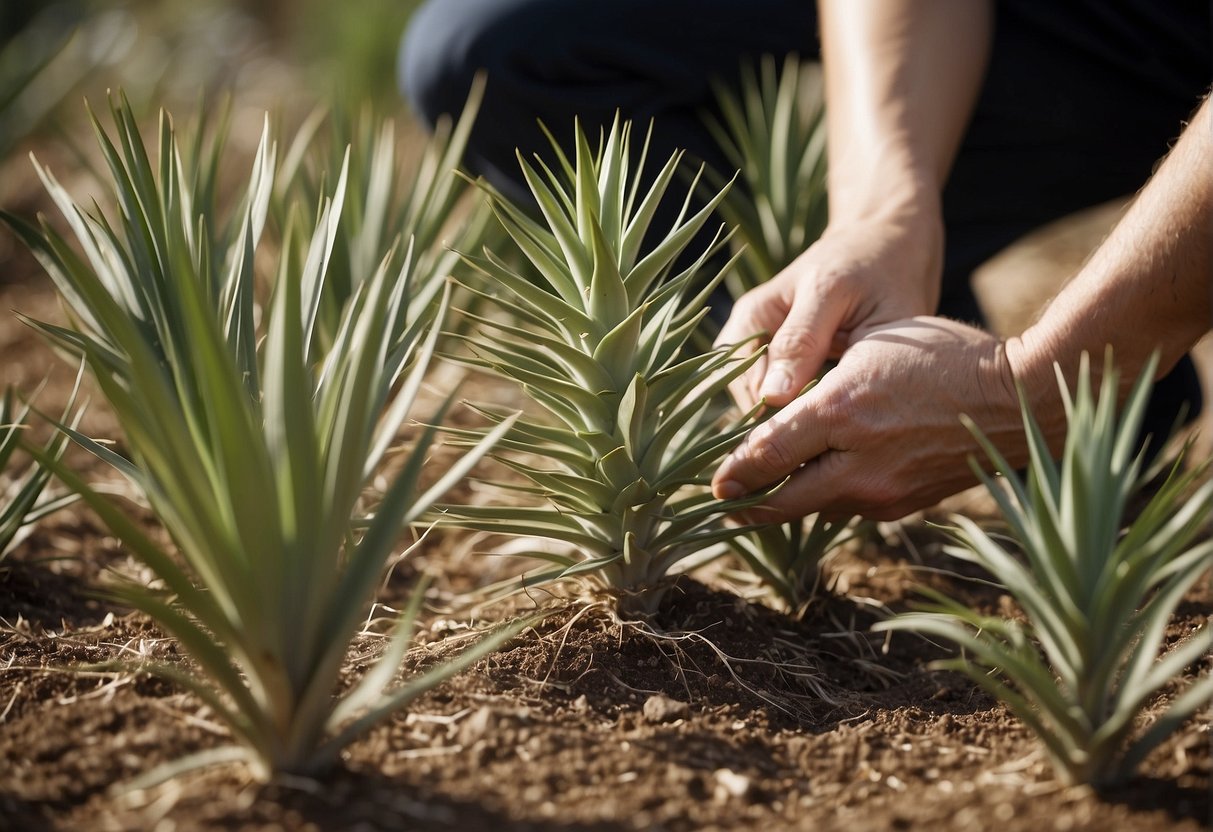
If you have recently transplanted a yucca plant and notice that it’s not thriving, it may be time to prune it. Pruning a yucca plant can help it recover from transplant shock and promote healthy growth. Here are some tips on how to prune and care for your yucca after transplanting.
Assessing Your Yucca Before Pruning
Before pruning your yucca, it’s important to assess its overall health. Look for any signs of damage or disease, such as yellowing or brown leaves, wilted foliage, or a drooping appearance. If you notice any of these symptoms, it’s best to remove the affected leaves or stems to prevent the spread of pathogens.
Pruning Techniques and Best Practices
When pruning your yucca, it’s important to use the right tools and techniques. Use a sharp pair of pruning shears or a sharp knife to make clean cuts. Avoid using dull tools as they can damage the plant and make it more susceptible to disease.
To prune your yucca, start by removing any dead or damaged leaves. Cut them off at the base of the stem. Next, trim any overgrown or top-heavy stems to promote a more balanced shape. If your yucca has flower stalks, you can remove them after they have finished blooming.
Post-Pruning Care and Recovery
After pruning your yucca, it’s important to provide it with the right care to help it recover. Water your yucca deeply but infrequently, allowing the soil to dry out between waterings. Yuccas prefer well-draining soil, so make sure your pot or garden bed has adequate drainage holes.
During the spring and summer months, yuccas prefer full sun. If you are growing your yucca indoors, make sure it receives plenty of bright, indirect light. Fertilize your yucca with a balanced fertilizer every few months to provide it with the nutrients it needs to thrive.
If your yucca is still struggling after pruning, it may be time to replant it in fresh potting soil or compost. Make sure to use a sandy, well-draining soil mix and avoid overwatering. With the right care and attention, your yucca should recover from transplant shock and thrive in its new home.
Frequently Asked Questions
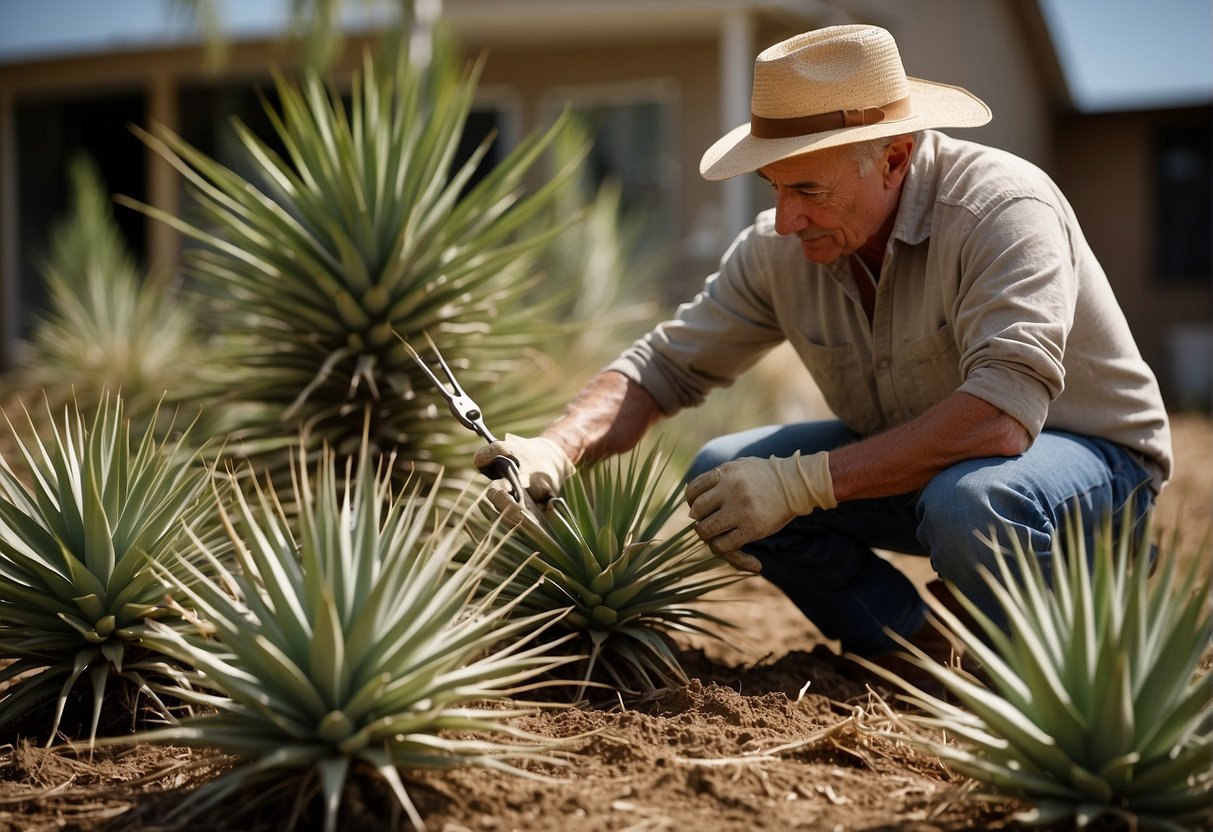
What is the proper technique for pruning a yucca plant after it shows signs of distress?
When pruning a yucca plant, it is important to use clean, sharp tools to avoid damaging the plant further. Start by removing any dead or yellow leaves. Next, remove any damaged or diseased stems or branches. Be sure to cut back to healthy tissue and avoid leaving any stubs. If the plant has multiple stems, remove the weakest ones to encourage healthy growth.
Can a yucca plant survive after the main trunk has been cut?
Yes, a yucca plant can survive after the main trunk has been cut. However, it is important to ensure that the remaining stem is healthy and has enough foliage to support the plant. If the remaining stem is weak or damaged, it is best to remove the entire plant.
What steps should be taken to rejuvenate a yucca plant that appears to be dying?
To rejuvenate a dying yucca plant, start by removing any dead or yellow leaves. Next, cut back any damaged or diseased stems or branches. If the plant is severely damaged, consider removing it entirely and replanting a healthy specimen in its place. Be sure to provide the plant with proper care, including adequate water and sunlight.
How often should dead leaves be removed from an outdoor yucca plant?
Dead leaves should be removed from an outdoor yucca plant as soon as they appear. This will help to prevent the spread of disease and pests, and will encourage healthy growth. Check the plant regularly for dead or yellow leaves and remove them promptly.
What are the common issues faced with outdoor yucca plants and how can they be addressed?
Common issues faced with outdoor yucca plants include overwatering, underwatering, pests, and disease. To address these issues, be sure to provide the plant with proper care, including adequate water and sunlight. Monitor the plant regularly for signs of pests or disease, and treat as necessary.
What specific care is required for outdoor yucca plants during the winter months?
During the winter months, outdoor yucca plants may require additional protection from cold temperatures and frost. Consider covering the plant with a blanket or tarp, or moving it to a protected area. Be sure to monitor the plant regularly for signs of damage and adjust care as necessary.

