
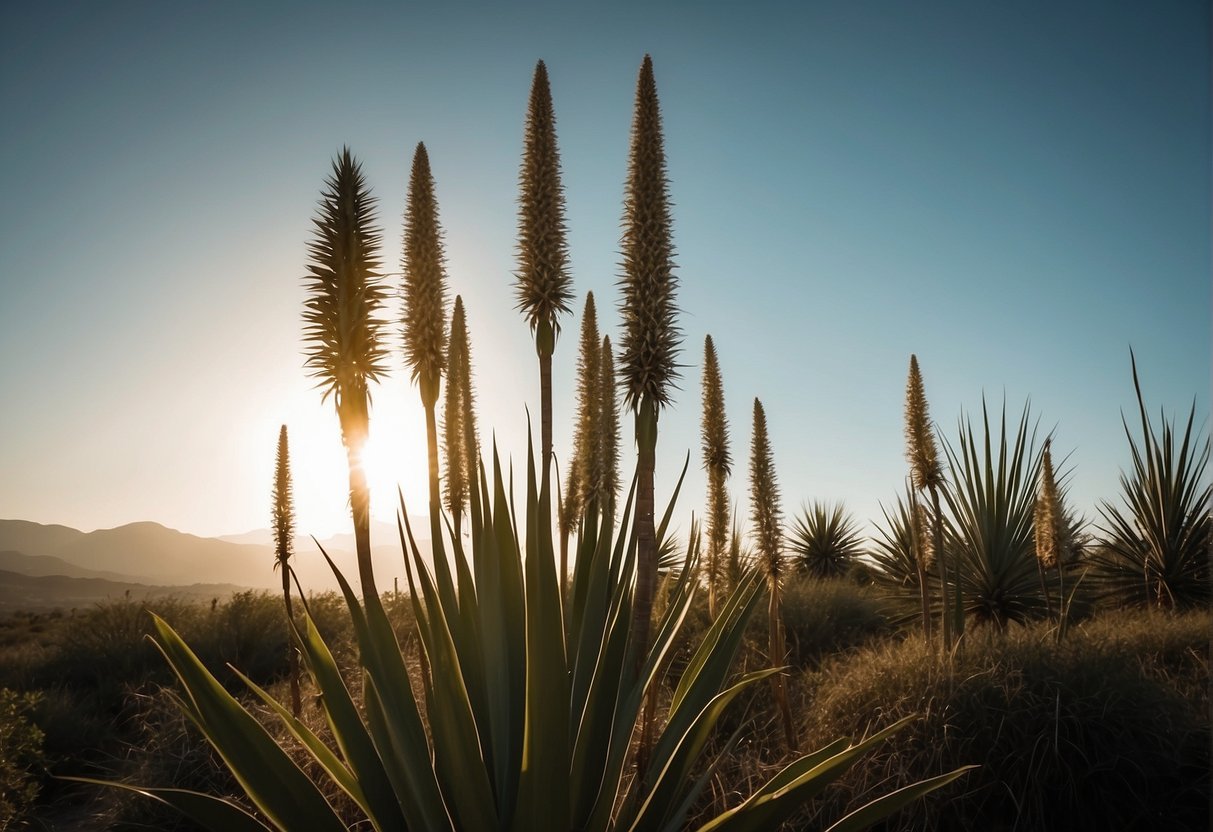
How Large Can Yucca Plants Grow: A Comprehensive Guide
Yucca plants have become a favored option among gardeners eager to incorporate a Southwestern United States vibe into their garden designs. Characterized by their sword-like leaves and tall, pointy flowers, these resilient plants raise the question: how tall can yucca plants actually get? In this piece, we will delve into the elements that influence the growth of yucca plants and offer advice on how to nurture these eye-catching plants.
Yucca plants are native to arid regions of North and Central America, where they have adapted to survive in harsh conditions. There are over 40 species of yucca plants, each with its own unique characteristics. Some yucca plants are small and compact, while others can grow to be quite large. The size of a yucca plant depends on a variety of factors, including its species, growing conditions, and age.
If you’re thinking about adding a yucca plant to your garden, it’s important to understand how to care for these plants in order to encourage healthy growth. In the next section, we’ll explore some of the key characteristics of yucca plants and provide some tips for cultivating these striking plants.
Yucca Plant Characteristics
Species Overview
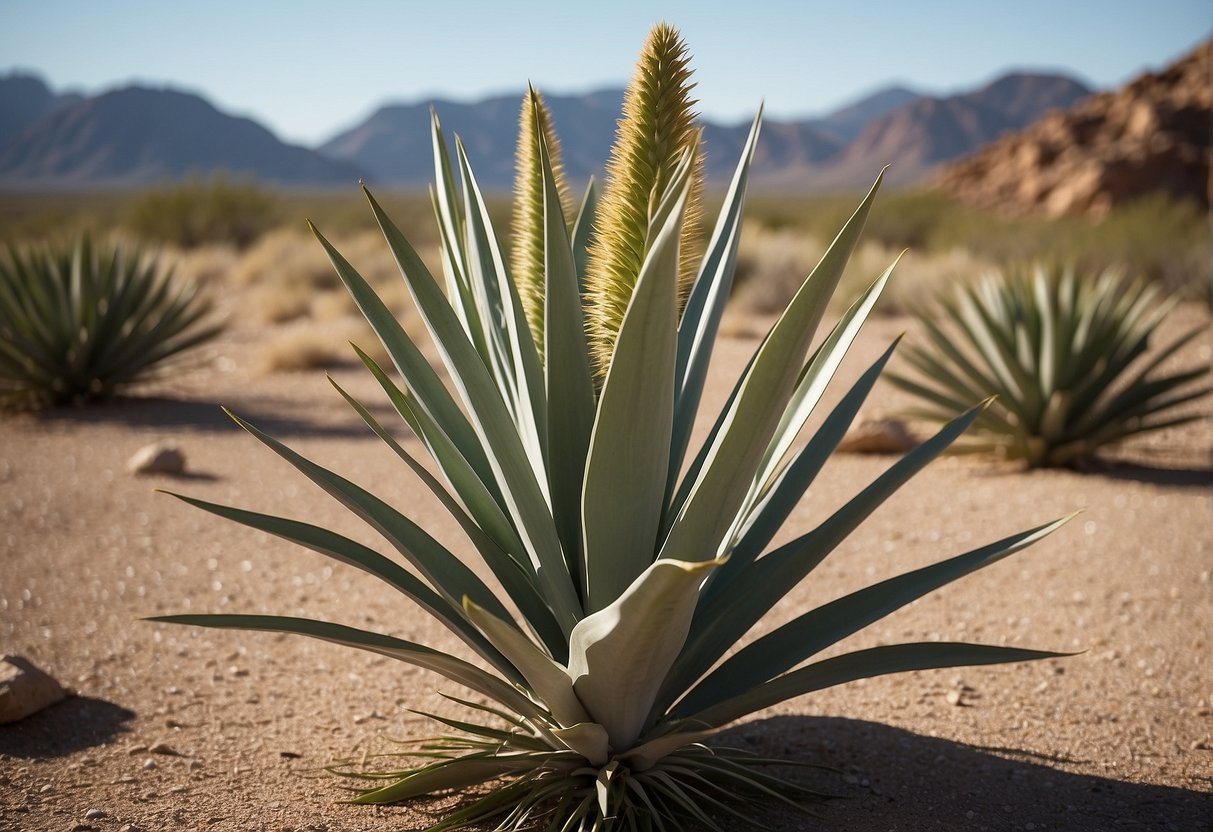
Yucca plants are a genus of perennial shrubs and trees that belong to the Asparagaceae family. The species of yucca plants are native to arid regions of North and Central America, and the Caribbean. There are around 50 different species of yucca plants, each with its unique characteristics and growth habits.
Physical Attributes
Yucca plants are known for their distinctive foliage, which consists of long, sword-shaped leaves that are often blue-green or green in color. The leaves are stiff and pointed, and they grow in a rosette pattern from a central stem. Some species of yucca plants have white or cream-colored flowers that bloom in the summer months.
Yucca plants can grow to varying heights, depending on the species. The Spanish bayonet (Yucca aloifolia) can grow up to 20 feet tall, while the Joshua tree (Yucca brevifolia) can reach heights of up to 40 feet. Yucca filamentosa, commonly known as Adam’s Needle, grows to a height of 2-3 feet.
Optimal Growing Conditions
Yucca plants are hardy and can grow in a range of climates, from hot and dry deserts to cold and snowy regions. However, they do require well-drained soil and full sun exposure to thrive. Yucca plants are evergreen and can tolerate drought conditions, making them an excellent choice for xeriscaping.
When planting yucca plants, it is essential to choose a location that receives full sun exposure for most of the day. The soil should be well-drained, as yucca plants are susceptible to root rot in wet conditions. Adding sand or gravel to the soil can help improve drainage.
In conclusion, yucca plants are a fascinating and versatile genus of plants that can add a unique touch to any garden or landscape. With their sword-shaped leaves and distinctive shape, they are sure to catch the eye of any passerby. By following the optimal growing conditions, you can ensure that your yucca plants thrive and grow to their full potential.
Cultivation and Care
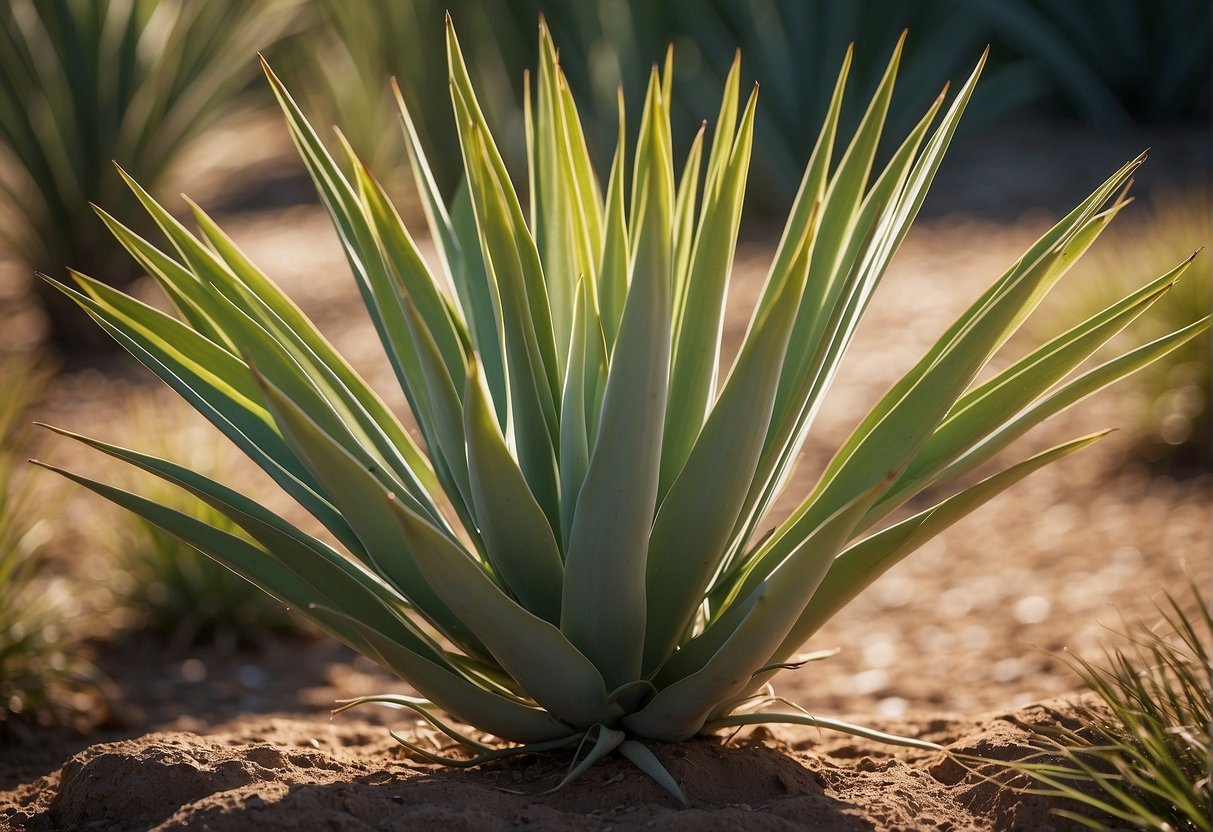
Growing and caring for yucca plants is relatively easy, and they can thrive in a variety of conditions. Here are some tips to help you cultivate and care for your yucca plant.
Planting and Potting
When planting yucca plants, it’s important to choose a location with full sun exposure. Yuccas prefer well-draining soil, such as sandy soil, and they are drought-tolerant, making them ideal for dry climates. If you’re planting your yucca in a pot, make sure to choose a pot with good drainage to prevent root rot.
Watering and Feeding
Yucca plants don’t require a lot of water, and overwatering can lead to root rot. Water your yucca only when the soil is completely dry, and make sure to let the excess water drain away. Fertilize your yucca plant with a balanced fertilizer once a month during the growing season to promote healthy growth.
Pruning and Maintenance
Yucca plants are low maintenance, but they do require occasional pruning to remove dead or damaged leaves and stems. Use sharp, clean pruning shears to make clean cuts, and be careful not to damage the woody stems. Yuccas can also bloom, but the flowers are short-lived and may require pruning once they have wilted.
Overall, yucca plants are hardy and easy to care for, making them a great addition to any garden or indoor space. With proper care and attention, your yucca plant can grow to be quite large and impressive.
Frequently Asked Questions
What is the maximum height of yucca plants when grown indoors?
Indoor yucca plants can grow up to 10 feet tall, but typically reach a height of 4-6 feet. However, the height of the plant depends on various factors such as the variety of plant, the size of the pot, and the environmental conditions.
What are the size differences between indoor and outdoor yucca plant varieties?
Outdoor yucca plant varieties can grow much larger than indoor varieties, reaching up to 30 feet tall. Indoor yucca plants are smaller and more compact, making them ideal for small spaces.
How long can a yucca plant be expected to live under optimal conditions?
Yucca plants can live for several decades under optimal conditions. With proper care and maintenance, they can live for up to 50 years.
What are the growth limitations for yucca plants in containers?
Yucca plants can grow well in containers, but they have growth limitations. The size of the pot can limit the size of the plant, and the roots can become crowded if the plant is not repotted periodically.
How close to a building can yucca plants be safely planted?
Yucca plants should be planted at least 3 feet away from a building to prevent damage to the structure. The roots of the plant can grow deep and wide, potentially causing damage to the foundation.
What are the best environmental conditions for placing a yucca plant?
Yucca plants thrive in warm and dry environments with plenty of sunlight. They can tolerate a range of temperatures, but prefer temperatures between 60-95°F. They also require well-draining soil and moderate watering.

