
American Beautyberry: Where to Buy and How to Grow
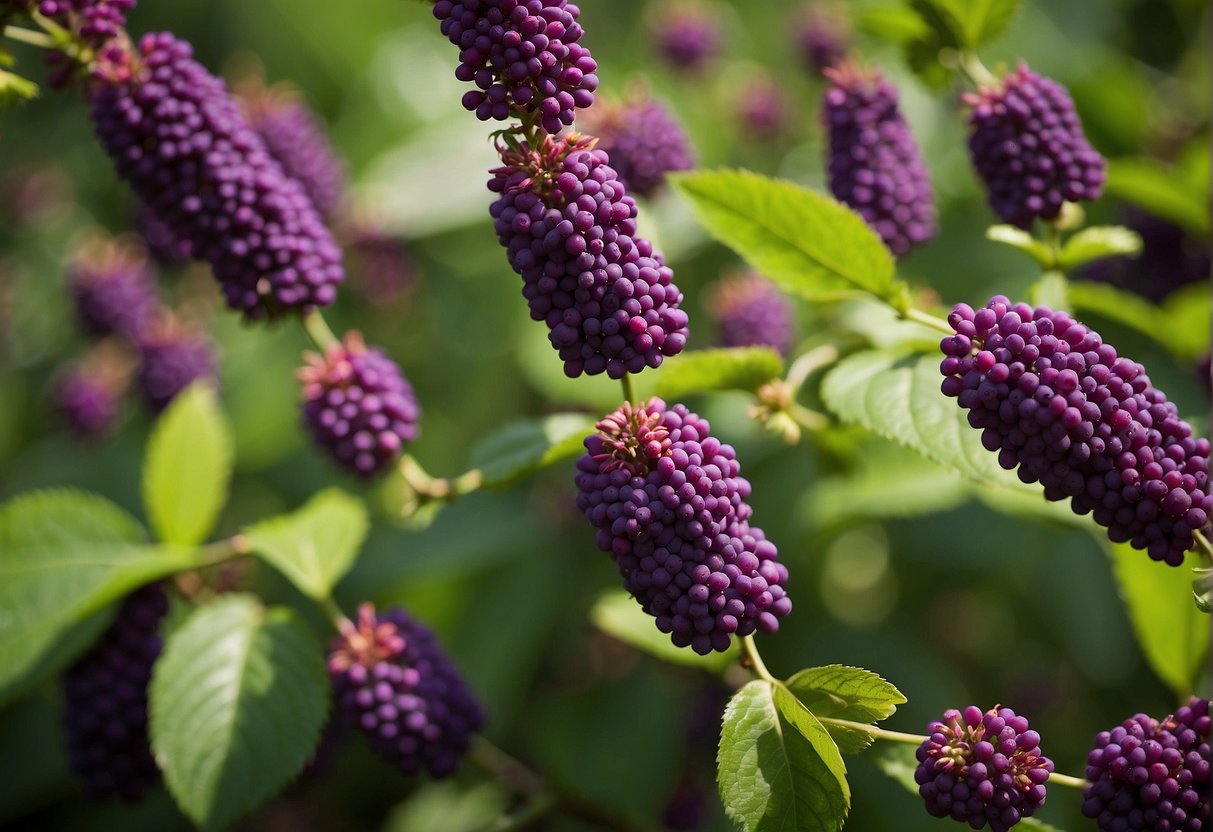
Seeking a stunning yet low-maintenance plant for your outdoor space? Look no further than the American Beautyberry. Known scientifically as Callicarpa americana, this indigenous bush is cherished for its vibrant purple berry clusters that emerge during the autumn season. It’s not just an attractive enhancement to your garden, but it also offers nourishment and refuge for diverse wildlife.
Understanding American Beautyberry is key to successfully growing it in your garden. This shrub prefers partial shade to full sun and well-drained soil. It’s also tolerant of drought and can handle a range of soil types. With a little care and attention, you can enjoy the Beautyberry’s stunning foliage and berries for years to come.
Where to Buy American Beautyberry is a common question for those interested in adding this plant to their garden. Many nurseries and online retailers offer Beautyberry plants for sale. When purchasing, be sure to choose a reputable seller and select a healthy plant that’s appropriate for your climate and growing conditions. With a little research and preparation, you can easily find the perfect Beautyberry plant for your garden.
Key Takeaways
- American Beautyberry is a beautiful and easy-to-care-for shrub that provides food and shelter for wildlife.
- Understanding its growing requirements is key to successfully growing it in your garden.
- You can purchase American Beautyberry plants from nurseries and online retailers, but be sure to choose a reputable seller and a healthy plant appropriate for your climate and growing conditions.
Understanding American Beautyberry
If you are looking for a native shrub that can add some color to your garden, American Beautyberry (Callicarpa americana) might be just what you need. This deciduous shrub is a species in the genus Callicarpa, which belongs to the mint family (Lamiaceae). In this section, we will explore the botanical profile, historical significance, growth habits, and characteristics of American Beautyberry.
Botanical Profile
American Beautyberry is a North American native shrub that is also known as French Mulberry. It can grow up to 6 feet in height and has arching branches that produce clusters of small, purple or magenta berries in the fall. The foliage of this shrub is also quite attractive, with toothed leaves that are green on top and pale underneath.
Historical Significance
The Native Americans have long recognized the medicinal properties of the American Beautyberry. They used the leaves and roots of the plant to treat a variety of ailments, including fever, rheumatism, and dysentery. The berries were also used as a natural insect repellent.
Growth Habits and Characteristics
American Beautyberry is a fast-growing and hardy shrub that can thrive in a range of soil types and moisture levels. It prefers partial shade to full sun and can tolerate drought conditions once established. The shrub is also attractive to birds and other wildlife, which feed on the berries during the winter months.
To summarize, American Beautyberry is a beautiful and useful shrub that can add color and interest to your garden while also providing some historical significance. It is a fast-growing and hardy plant that is easy to care for and can thrive in a range of conditions.
Where to Buy American Beautyberry
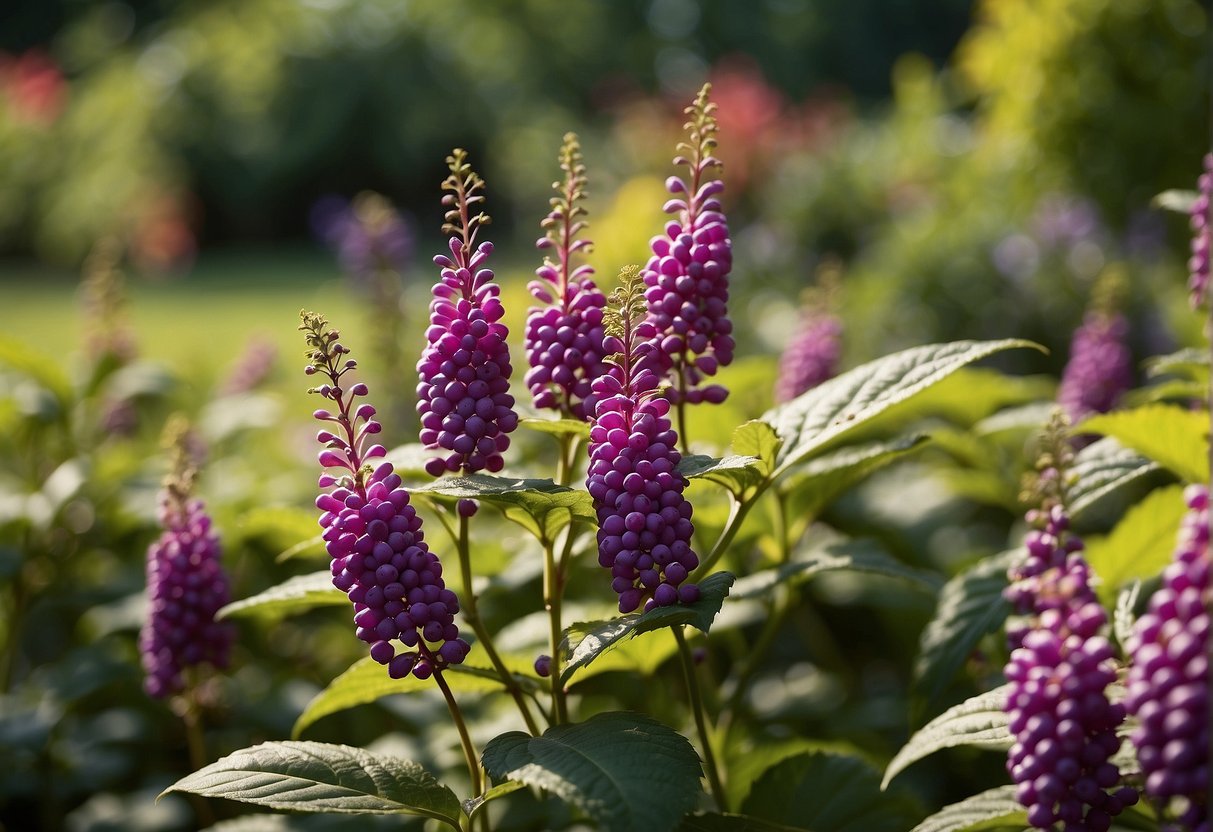
If you’re interested in adding American beautyberry to your garden or landscape, there are a few options available to you. Here are some places where you can buy American beautyberry:
Nurseries and Garden Centers
Many nurseries and garden centers carry American beautyberry, especially those that specialize in native plants. You can check with your local nursery or garden center to see if they have American beautyberry in stock. If they don’t, they may be able to order it for you.
Online Retailers and Marketplaces
There are several online retailers and marketplaces that sell American beautyberry plants. Some of these retailers specialize in native plants, while others carry a wide variety of plants. Here are a few options to consider:
- Amazon: Amazon carries American beautyberry plants from several different sellers. Be sure to read the reviews before making a purchase to ensure that you’re getting a healthy plant.
- Etsy: Etsy has several sellers that offer American beautyberry plants. Again, be sure to read the reviews before making a purchase.
- Native Plant Trust: Native Plant Trust is a nonprofit organization that sells native plants, including American beautyberry. They ship to most states in the US, but there may be restrictions for certain plants in certain states. Check their website for more information.
Local and Regional Availability
American beautyberry is native to the southeastern United States, so it may be more readily available in that region. However, it can be grown in other parts of the country as well. Check with your local native plant society or conservation organization to see if they have any recommendations for where to buy American beautyberry in your area.
When buying American beautyberry, be sure to check the shipping information and any quantity pricing options that may be available. Some sellers may offer discounts for buying multiple plants, while others may have restrictions on shipping to certain states (such as California, Hawaii, or Alaska). Be sure to read the shipping information carefully and plan accordingly.
Planting and Care
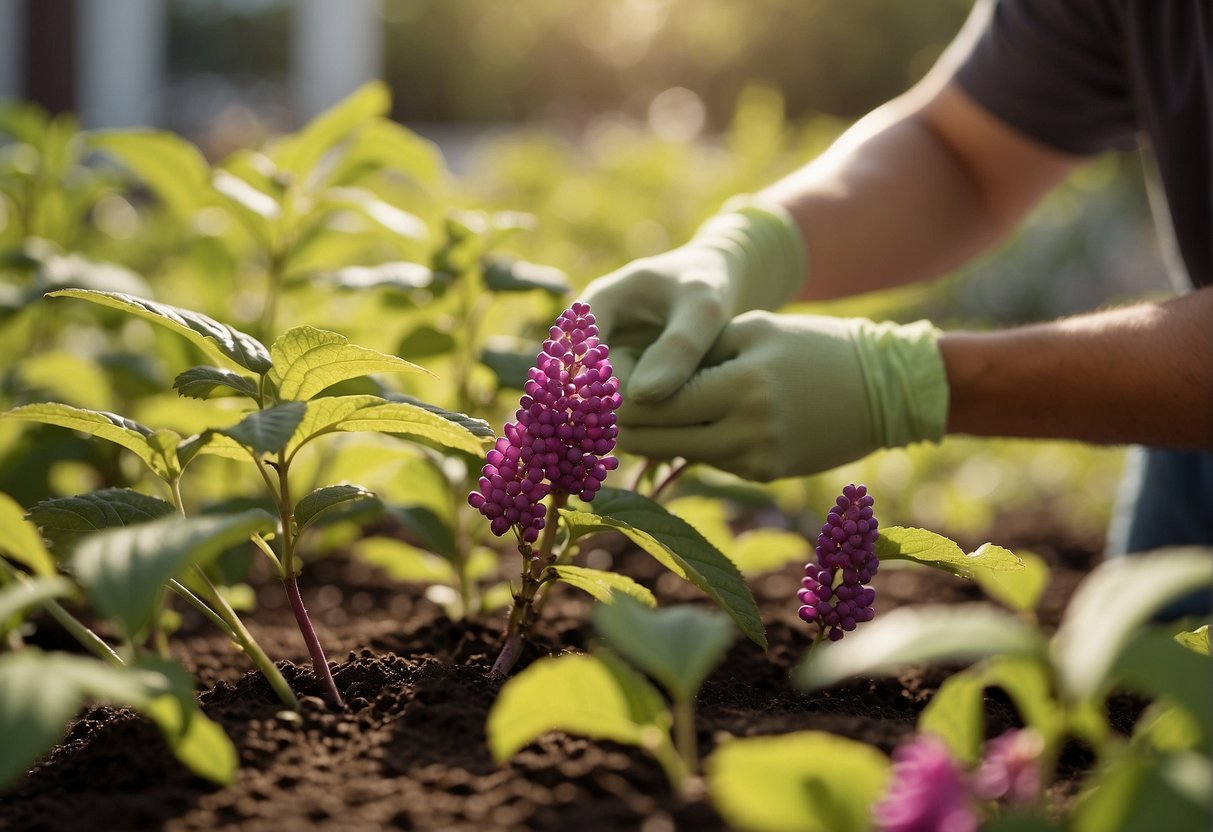
When it comes to planting and caring for American Beautyberry, there are a few things to keep in mind to ensure that your plant thrives. Here are some tips to help you get started:
Choosing the Right Location
American Beautyberry is an easy-to-grow plant that can thrive in a variety of conditions. However, it does best in full sun or part shade. When choosing a location for your plant, look for an area that receives at least six hours of sunlight per day. If planting in a hot climate, consider planting in a location that receives afternoon shade to protect the plant from scorching.
Soil Preparation and Planting
American Beautyberry prefers well-draining soil that is moist but not waterlogged. If your soil is heavy and clay-like, amend it with sand or organic matter to improve drainage. When planting, dig a hole that is twice as wide as the root ball and just as deep. Place the plant in the hole, backfill with soil, and water thoroughly.
Watering and Nutritional Needs
While American Beautyberry is drought-tolerant and low-maintenance, it still requires regular watering to thrive. Water deeply once a week, or more often during periods of drought. Fertilizer is not necessary for this plant, but you can apply a slow-release fertilizer in early spring if desired.
Pruning and Maintenance
American Beautyberry requires little pruning, but you can prune it in late winter or early spring to control its size and shape. Remove any dead or damaged branches, and cut back any overgrown branches to maintain a compact shape. In addition, remove any suckers that appear at the base of the plant to prevent it from becoming too leggy.
By following these simple tips, you can ensure that your American Beautyberry plant thrives and adds beauty to your landscape for years to come.
Propagation Techniques
If you want to grow American Beautyberry in your garden, you can propagate it using two methods: seed propagation and cuttings. Here’s a brief overview of both techniques:
Seed Propagation
American Beautyberry seeds can be collected from the berries in late fall or early winter. Once you have collected the seeds, you should clean them and store them in a cool, dry place until you are ready to plant them.
To plant the seeds, you can use seed trays or small pots filled with a well-draining potting mix. Sow the seeds thinly on the surface of the soil and cover them lightly with more soil. Water the soil lightly and keep it moist until the seeds germinate.
It can take up to two months for the seeds to germinate, so be patient. Once the seedlings have grown to a few inches tall, you can transplant them into larger pots or directly into the ground.
Cuttings
Another way to propagate American Beautyberry is through softwood cuttings. Softwood cuttings are taken from the stem tips of the plant in early summer.
To take a cutting, select a stem that is about 4-6 inches long and has several leaves. Remove the leaves from the bottom half of the stem and dip the cut end in rooting hormone. Plant the cutting in a pot filled with a well-draining potting mix and water it lightly.
Place the pot in a warm, bright location and keep the soil moist. It can take up to a month for the cutting to root and begin to grow new leaves. Once the cutting has rooted, you can transplant it into a larger pot or directly into the ground.
Propagation is an excellent way to increase your American Beautyberry plants. Whether you choose to use seeds or cuttings, following these techniques will ensure your success.
Landscape and Wildlife Benefits
If you’re looking for a plant that adds both aesthetic appeal and environmental contributions to your outdoor living spaces, the American Beautyberry is an excellent choice. Here are some of the landscape and wildlife benefits that this plant can offer:
Aesthetic Appeal
The American Beautyberry is known for its bright purple berries, which are produced in abundant clusters along the stems. These berries are pearl-like and can add a pop of color to any landscape. The foliage of this plant is also attractive, with fragrant leaves that are a vibrant green color. In the fall, the leaves turn a yellowish-green color before dropping.
Attracting Wildlife
One of the biggest benefits of the American Beautyberry is its ability to attract birds and other wildlife. The bright purple berries are a favorite of songbirds like the American Robin, as well as squirrels, deer, armadillos, foxes, opossums, and raccoons. The plant’s foliage also acts as a natural insect repellent, which can help to keep mosquitoes and other pests at bay.
Environmental Contributions
The American Beautyberry is a drought-tolerant plant that requires little maintenance once established. It is also a native plant, which means it is well-suited to the local climate and soil conditions. The plant produces callicarpenol, a compound that has been shown to have insecticidal properties. This makes it a natural alternative to chemical insecticides, which can be harmful to the environment.
Overall, the American Beautyberry is a great choice for anyone looking to add beauty and environmental benefits to their landscape. Whether you’re looking to attract wildlife or simply add a pop of color to your outdoor living spaces, this plant is a great choice.
Common Challenges and Solutions
Pest and Disease Management
When it comes to American Beautyberry, pests and diseases are not a major concern. However, some common pests that can affect the plant include aphids, spider mites, and scale insects. To prevent infestations, it’s important to maintain proper spacing between plants and to provide adequate air circulation. If you do notice an infestation, you can try using insecticidal soap or neem oil to control the pests.
Diseases such as black mold and leaf spots can also affect American Beautyberry, especially in humid climates. To prevent these diseases, it’s important to maintain proper spacing and to avoid overhead watering. If you do notice signs of disease, remove affected leaves and dispose of them properly. You can also apply a fungicide to help control the spread of the disease.
Dealing with Climate Challenges
American Beautyberry is a hardy plant that can tolerate a range of growing conditions, but it does have some specific requirements. The plant prefers well-drained soil and moderate moisture levels, but can also tolerate drought conditions once established. In areas with hot, dry summers, it’s important to provide regular watering to prevent stress on the plant.
The plant is hardy in USDA zones 6-10, but can be grown in cooler climates with some protection. If you live in a colder climate, consider planting American Beautyberry in a sheltered location or providing winter protection such as mulching.
Wildlife Interactions
American Beautyberry is a popular plant for wildlife, especially birds and deer. While this can be a benefit, it can also be a challenge if you’re trying to grow the plant for ornamental purposes. To prevent wildlife damage, consider using a deer repellent or planting the plant in a location that’s less accessible to wildlife.
Overall, American Beautyberry is a relatively low-maintenance plant that can thrive in a range of growing conditions. By following these tips for pest and disease management, climate challenges, and wildlife interactions, you can enjoy the beauty of this unique plant in your own garden.
Purchase Considerations
When purchasing American beautyberry, there are a few important considerations to keep in mind to ensure that you get the best value for your money.
Size and Spacing
The size of the American beautyberry plant is an important consideration when deciding where to buy. Make sure to choose a plant that is appropriate for the space you have available. The plant can grow up to 6 feet tall and wide, so make sure to space them at least 5-6 feet apart to allow for proper growth.
Guarantees and Return Policies
When purchasing American beautyberry, it is important to look for guarantees and return policies. This will ensure that you can return the plant if it does not meet your expectations or if it arrives damaged. Make sure to read the guarantee and return policy carefully before making your purchase.
Some nurseries may offer a guarantee on their plants for a certain period of time after purchase. This can give you peace of mind knowing that you can return the plant if it does not thrive in your garden.
In conclusion, when purchasing American beautyberry, make sure to consider the size and spacing of the plant, as well as the guarantees and return policies offered by the nursery. By taking these factors into account, you can ensure that you get the best value for your money and enjoy a beautiful addition to your garden.
Frequently Asked Questions
Where can I find American Beautyberry plants for sale?
You can find American Beautyberry plants for sale at most nurseries and garden centers that carry native plants. You can also try searching online for nurseries that specialize in native plants or check with your local botanical gardens or plant societies.
What is the best time of year to plant American Beautyberry?
The best time to plant American Beautyberry is in the spring or fall when the weather is mild and there is plenty of moisture in the soil. Avoid planting during the hot summer months or during periods of drought.
How do I choose the right location to plant a Beautyberry bush?
American Beautyberry prefers partial shade to full sun and well-drained soil. Choose a location that gets at least four hours of sunlight per day and has good air circulation. Avoid planting in low-lying areas or areas that are prone to flooding.
Are American Beautyberry plants fast-growing?
No, American Beautyberry plants are not fast-growing. They typically grow at a moderate rate of about 1-2 feet per year.
Can American Beautyberry be consumed raw?
While American Beautyberry is not toxic, it is not recommended to consume the berries raw as they can cause stomach upset. The berries are often used in jams, jellies, and other culinary applications.
How do I obtain seeds for growing American Beautyberry?
You can obtain seeds for growing American Beautyberry from a reputable seed supplier or by collecting them from mature plants in the wild. It is important to note that growing from seed can be challenging and may not always result in plants that are true to the parent plant.

