
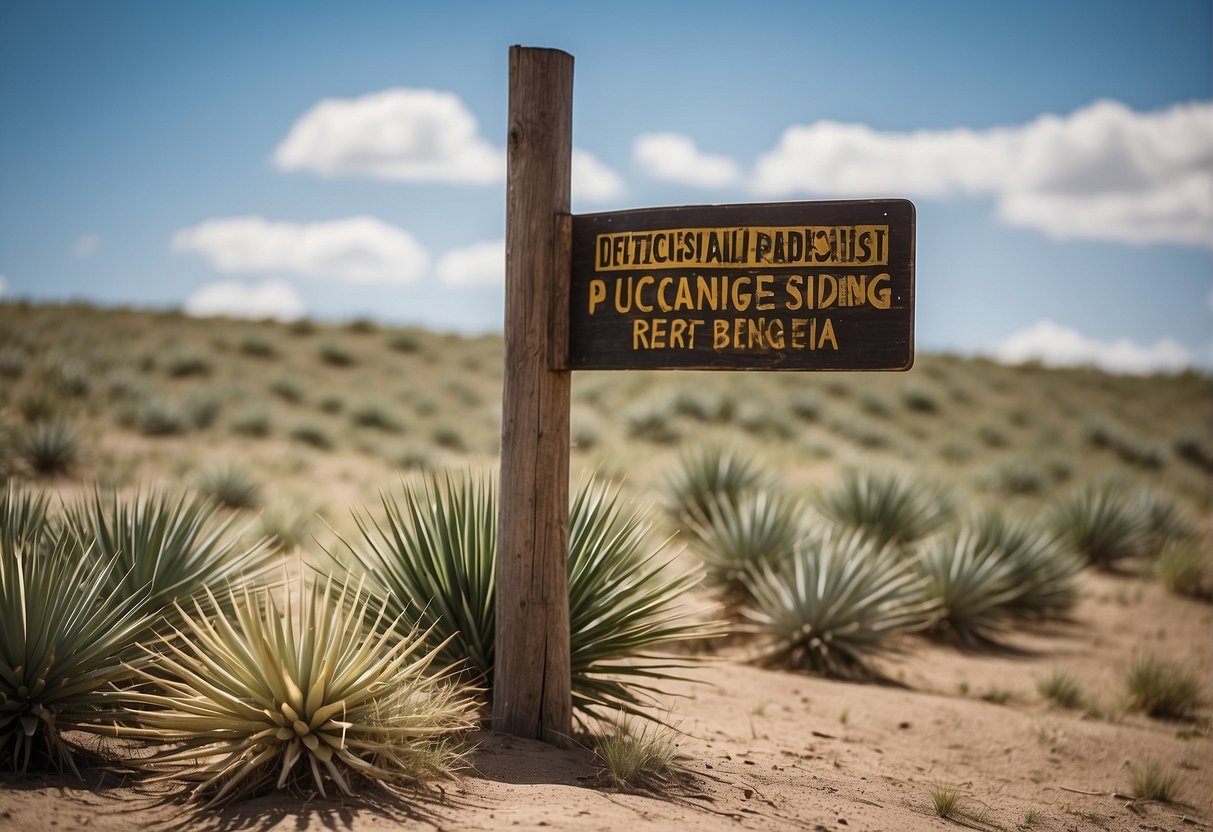
Why It’s Illegal to Dig Up Yucca Plants in North Dakota: Explained
If you live in North Dakota, you might know about an unusual regulation prohibiting the excavation of yucca plants. This law might appear strange at first glance, but there are justified explanations for it. Yucca plants play a crucial role in the local ecosystem, and extracting them can lead to significant repercussions. In this article, we’re going to delve into the regulations pertaining to yucca plants in North Dakota, including their importance to both the environment and ecology.
Yucca plants are native to North Dakota and can be found in many parts of the state. They are known for their long, spiky leaves and distinctive flowers. While they may be a familiar sight to many residents, few are aware of the legal restrictions surrounding their removal. Under North Dakota law, it is illegal to dig up or remove yucca plants from public land without a permit. This law is designed to protect the state’s natural resources and ensure that yucca plants can continue to thrive in their native habitat.
Key Takeaways
- Yucca plants are an important part of North Dakota’s ecosystem and are protected by law.
- Removing yucca plants without a permit can have serious consequences for the environment.
- To protect yucca plants and their habitat, it is important to follow best practices for gardening and plant care.
Legal Framework Surrounding Yucca Plants in North Dakota
If you are planning to dig up yucca plants in North Dakota, it is important to understand the legal framework surrounding these plants. Yucca plants are protected under state law, and there are specific regulations in place to ensure their conservation.
State Legislation and Conservation Efforts
North Dakota has laws in place to protect yucca plants and their root systems. According to state law, it is illegal to dig up or remove yucca plants or their roots without a permit from the North Dakota Department of Agriculture. This is because yucca plants play an important role in the state’s landscape and ecosystem.
In addition to state laws, there are conservation efforts in place to protect yucca plants. The North Dakota Natural Heritage Program works to identify and protect rare and endangered plant species, including yucca plants. This program helps to ensure that yucca plants are not over-harvested or destroyed.
Ownership and Land Rights
It is also important to understand ownership and land rights when it comes to yucca plants. Yucca plants may be found on both public and private land in North Dakota. If you are planning to dig up yucca plants, you must obtain permission from the landowner.
If you are unsure about ownership or land rights, it is best to contact the North Dakota Department of Agriculture or the North Dakota Natural Heritage Program for guidance.
Overall, the legal framework surrounding yucca plants in North Dakota is designed to protect these plants and ensure their conservation. By understanding the laws and regulations in place, you can help to preserve these important plants for future generations.
Environmental and Ecological Significance of Yucca Plants
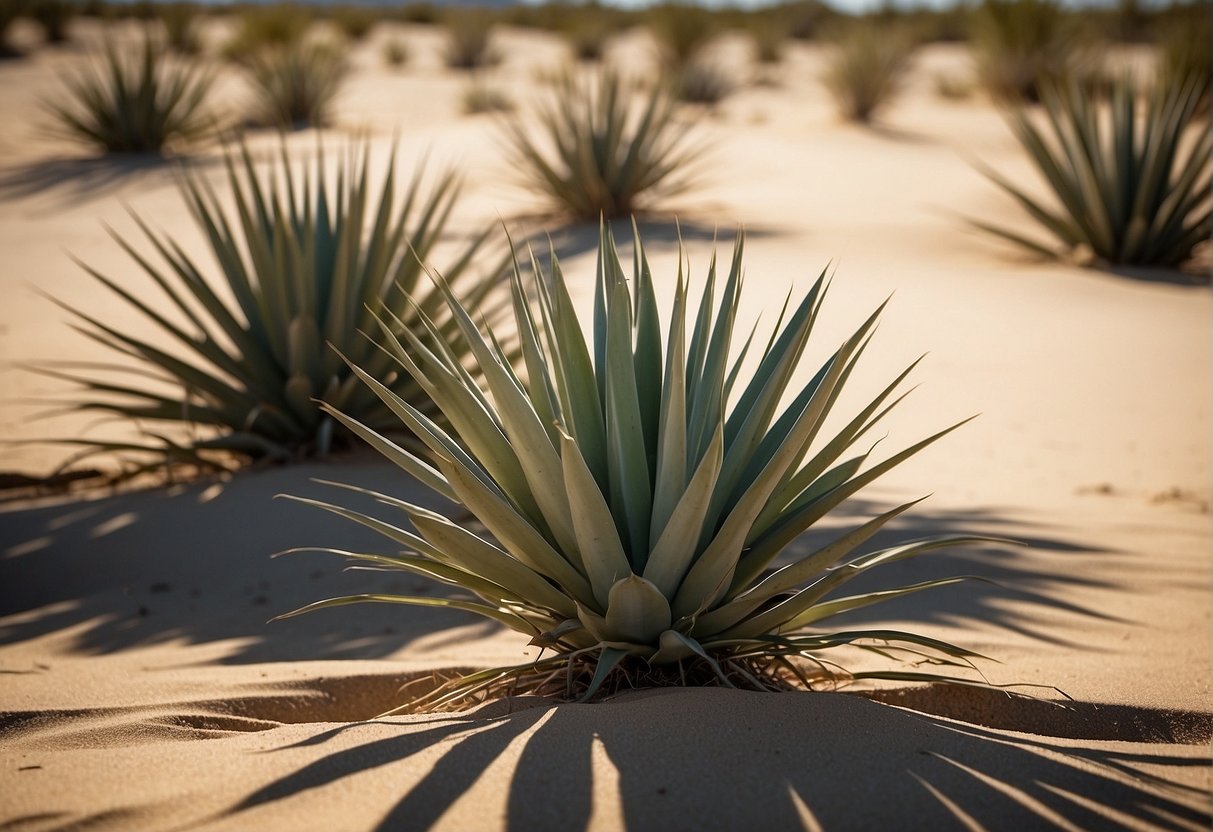
Yucca plants, specifically Yucca glauca, play an important role in the North Dakota ecosystem. These plants are adapted to thrive in arid environments, making them an integral part of the state’s unique ecosystem. Here are two key aspects of their significance:
Yucca Glauca and Its Ecosystem Role
Yucca glauca, also known as soapweed or plains yucca, is a perennial plant that grows up to six feet tall. It has long, narrow leaves and produces a tall flowering stalk that can reach up to eight feet in height. The plant is adapted to grow in well-draining soil and requires plenty of sunlight to thrive.
One of the most important roles of Yucca glauca in the ecosystem is its ability to stabilize soil. The plant’s deep root system helps to anchor soil in place, preventing erosion and reducing the risk of landslides. Additionally, the plant’s leaves provide organic mulch as they decompose, which helps to retain moisture in the soil and nourish other plants in the area.
Pollination and Wildlife Interactions
Yucca plants rely on specific pollinators to reproduce, making them an important part of the ecosystem for these insects. The yucca moth is the primary pollinator for Yucca glauca, and the plant and moth have evolved a mutualistic relationship. The moth lays its eggs in the plant’s flowers, and as the larvae develop, they feed on some of the developing seeds. However, the plant produces more seeds than the larvae can consume, ensuring that some seeds will survive to produce new plants.
In addition to their role in pollination, Yucca glauca also provides habitat and food for a variety of wildlife species. The plant’s leaves and flowers are a food source for deer and other herbivores, while the plant’s deep root system provides shelter for small animals like rodents and insects.
Overall, Yucca glauca plays an important role in the North Dakota ecosystem, providing stability to the soil, serving as a food source for wildlife, and relying on specific pollinators to reproduce. It is important to protect these plants and their ecosystem to ensure the health and sustainability of the region.
Best Practices for Gardening and Yucca Plant Care

Planting and Maintenance Guidelines
When planting yucca plants, it is important to choose a location with well-draining soil and plenty of sunlight. Yucca plants thrive in sandy or rocky soil and do not require much water. To plant, dig a hole slightly larger than the root ball and backfill with soil. Water thoroughly and add a layer of mulch to retain moisture.
To maintain your yucca plant, it is important to wear gloves and use pruning shears when necessary. Yucca plants have sharp leaves that can cause injury, so it is important to take precautions. Prune dead or damaged leaves as needed and remove any flower stalks after blooming to encourage new growth.
Seasonal Care and Growth Cycles
In the fall and winter, yucca plants will go dormant and require less water. In the spring and summer, they will begin to grow again and will require more frequent watering. During the growing season, it is important to fertilize your yucca plant every two to three weeks with a balanced fertilizer.
When designing your garden, consider the height and spread of your yucca plant. They can grow up to 10 feet tall and 6 feet wide, so be sure to give them plenty of space. Yucca plants also add a pop of green to any garden design and can be used as a focal point or accent plant.
By following these best practices, you can ensure that your yucca plant thrives and remains healthy. Remember to wear gloves and use pruning shears when necessary, and provide your plant with the proper care and maintenance throughout the growing season.
Effective Methods for Removing Yucca Plants
Yucca plants are stubborn and persistent, making them difficult to remove. However, there are several effective methods for removing yucca plants, including mechanical removal techniques and chemical control strategies.
Mechanical Removal Techniques
Mechanical removal techniques involve physically removing the yucca plants from the ground. This can be done using a shovel or an axe. When using an axe, it is important to wear protective gear such as gloves and eye goggles to avoid injury from the needle-sharp leaves.
To remove a yucca plant using a shovel, dig around the base of the plant and cut through the extensive root system. This may require patience and vigilance, as mature yuccas can have roots that extend several feet underground.
Chemical Control Strategies
Chemical control strategies involve using herbicides or weed killers to get rid of yucca plants. Traditional weed killers may be ineffective against yuccas due to their persistence and rapid growth. However, there are herbicides specifically designed to target yucca plants.
When using herbicides, it is important to follow the instructions carefully and wear protective clothing to avoid exposure to the chemicals. Herbicides are most effective when applied to the leaves of the yucca plant, as they are absorbed into the plant and kill it from the inside.
Overall, removing yucca plants requires persistence and vigilance. Whether using mechanical removal techniques or chemical control strategies, it is important to take the necessary precautions and be patient in the process.
Frequently Asked Questions
What are the legal protections for yucca plants in North Dakota?
Yucca plants are protected under the North Dakota Century Code, which prohibits the removal or transplantation of yucca plants from their natural habitat without a permit. Violating this law can result in fines and even imprisonment.
How does the relationship between the yucca plant and the yucca moth affect conservation efforts?
The yucca plant and the yucca moth have a mutualistic relationship, where the moth pollinates the plant and the plant provides a habitat for the moth’s larvae. This relationship is crucial to the survival of both species and highlights the importance of conserving yucca plants in their natural habitat.
What consequences can one face for removing yucca plants from their natural habitat?
Removing yucca plants from their natural habitat without a permit is illegal in North Dakota and can result in fines and imprisonment. Additionally, the removal of yucca plants can have negative impacts on the ecosystem and the survival of the yucca moth.
Are there any exceptions to the prohibition of transplanting yucca plants in North Dakota?
There are some exceptions to the prohibition of transplanting yucca plants, such as for scientific research or for the relocation of yucca plants due to construction or development projects. However, these exceptions require a permit from the North Dakota Department of Agriculture.
Why are yucca plants considered important to the ecosystem?
Yucca plants play a vital role in the ecosystem by providing habitat and food for a variety of wildlife, including the yucca moth. They also help to stabilize soil and prevent erosion in arid environments.
What should one do if they encounter a yucca plant in the wild?
If you encounter a yucca plant in the wild, it is important to leave it undisturbed and not remove any part of the plant. Enjoy the plant from a distance and appreciate its unique beauty and importance to the ecosystem.

