
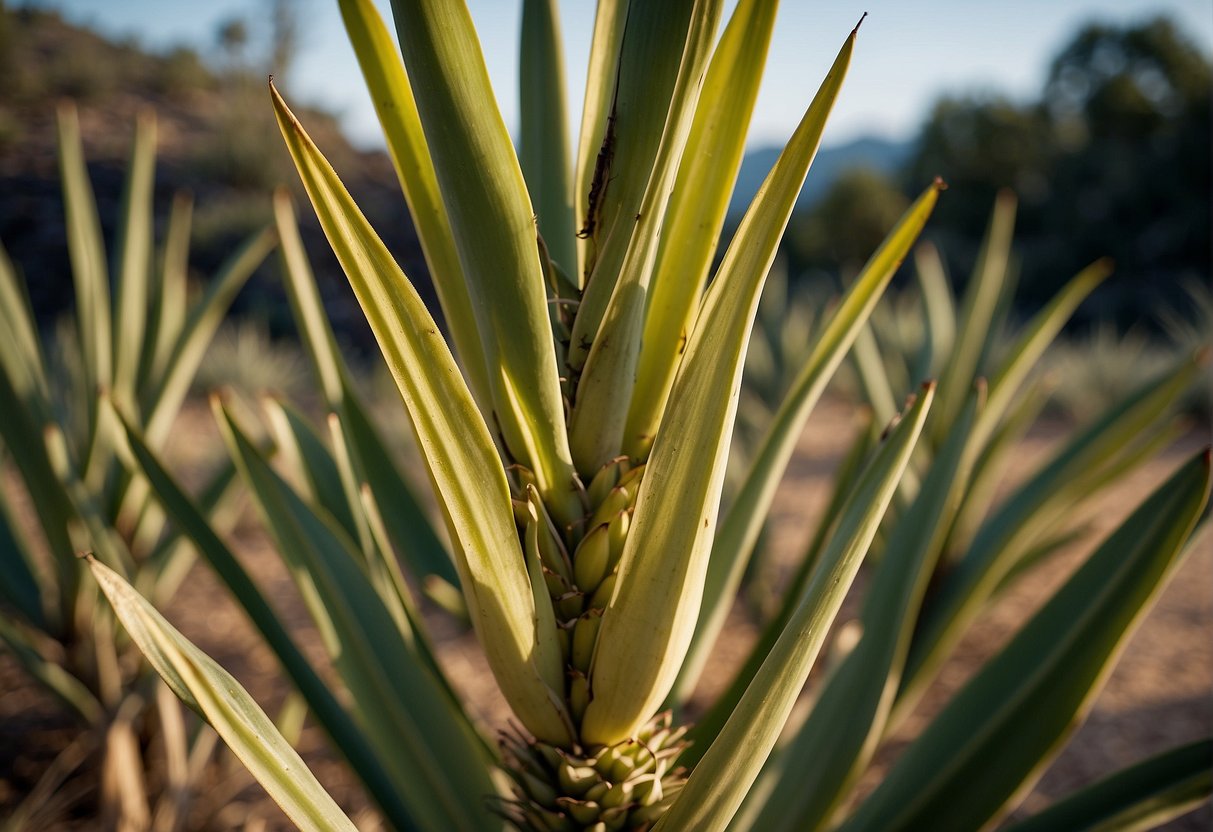
What Is Killing Yucca Plants: Common Causes and Solutions
Yucca plants are often favored by gardeners for their resilience and distinctive look. Yet, even with their known durability, yuccas can fall prey to several problems that might lead to their deterioration and subsequent death. In this piece, we aim to delve into the usual reasons behind the weakening of yucca plants and offer effective removal techniques and strategies for prevention to assist in maintaining the health and vigor of your yucca plants.
One of the most common causes of yucca plant decline is overwatering. Yucca plants are adapted to thrive in arid environments and do not require frequent watering. Overwatering can lead to root rot and other fungal diseases that can cause the plant to wilt and eventually die. Another common cause of yucca plant decline is poor soil drainage. Yucca plants require well-draining soil to prevent water from accumulating around the roots and causing rot.
Key Takeaways
- Overwatering and poor soil drainage are common causes of yucca plant decline.
- Effective removal techniques include cutting off infected leaves and disinfecting tools.
- Preventive measures include proper watering and soil drainage, as well as regular maintenance and monitoring for signs of disease.
Identifying Common Causes of Yucca Plant Decline
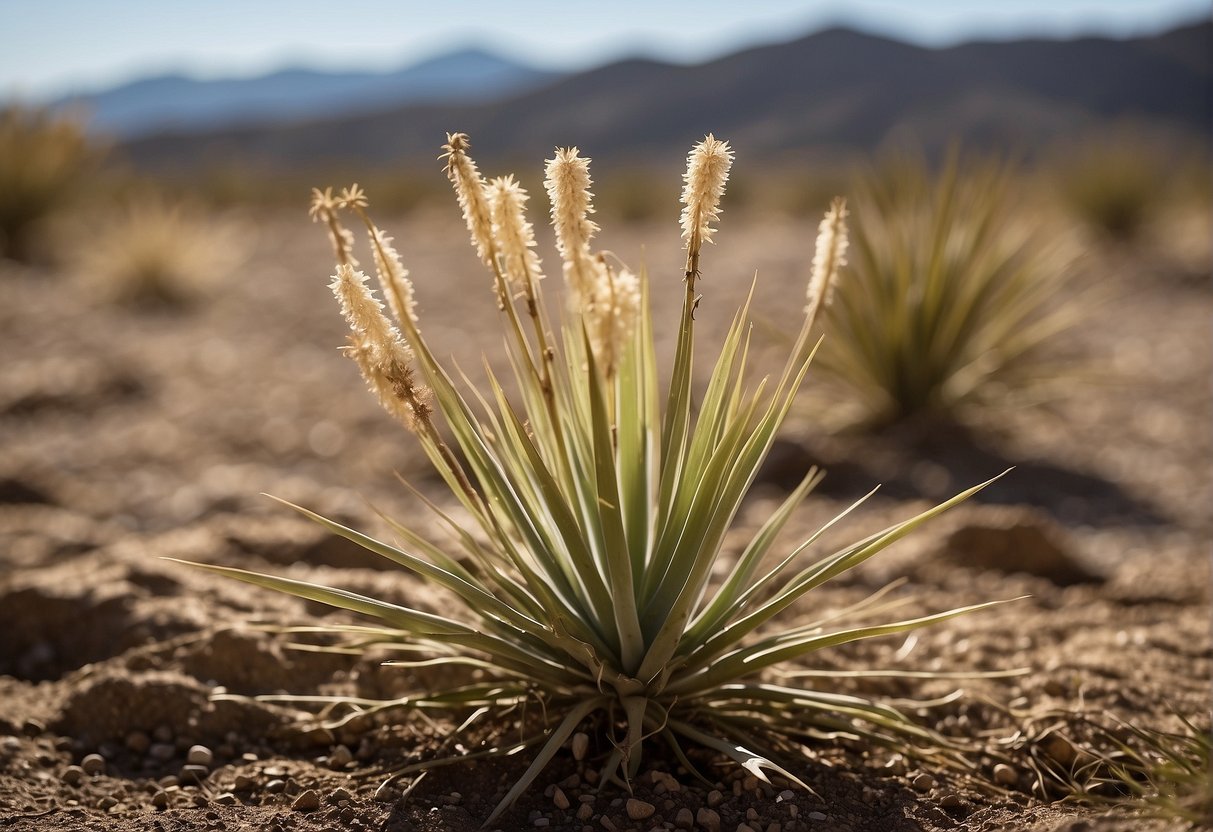
Yucca plants are known for their hardiness and resilience, but they are not immune to decline. If your yucca plant is showing signs of decline, it is important to identify the cause so that you can take appropriate action. Here are some common causes of yucca plant decline:
Pests and Diseases Affecting Yucca
Yucca plants can be affected by a variety of pests and diseases, including:
- Scale insects: These insects can cause yellowing and wilting of leaves, as well as a sticky substance on the leaves.
- Spider mites: These pests can cause yellowing and stippling of leaves, as well as webbing on the plant.
- Root rot: This disease can cause the roots to rot, leading to wilting and yellowing of leaves.
- Fusarium wilt: This disease can cause yellowing and wilting of leaves, as well as stunted growth.
If you suspect that your yucca plant is affected by pests or diseases, it is important to take action quickly. You can try using insecticidal soap or neem oil for pests, or fungicides for diseases.
Environmental Stress Factors
Yucca plants can also be affected by environmental stress factors, such as:
- Watering issues: Overwatering or underwatering can cause yellowing and wilting of leaves, as well as root rot.
- Sunlight: Yucca plants require full sunlight to thrive. Lack of sunlight can cause stunted growth and yellowing of leaves.
- Soil: Yucca plants require well-draining soil. Poorly draining soil can cause root rot and other issues.
To prevent environmental stress factors from affecting your yucca plant, make sure to water it properly, provide it with enough sunlight, and use well-draining soil.
In conclusion, identifying the cause of yucca plant decline is crucial for taking appropriate action. By understanding the common causes of decline, you can take steps to prevent and treat issues affecting your yucca plant.
Effective Removal Techniques for Yucca Plants
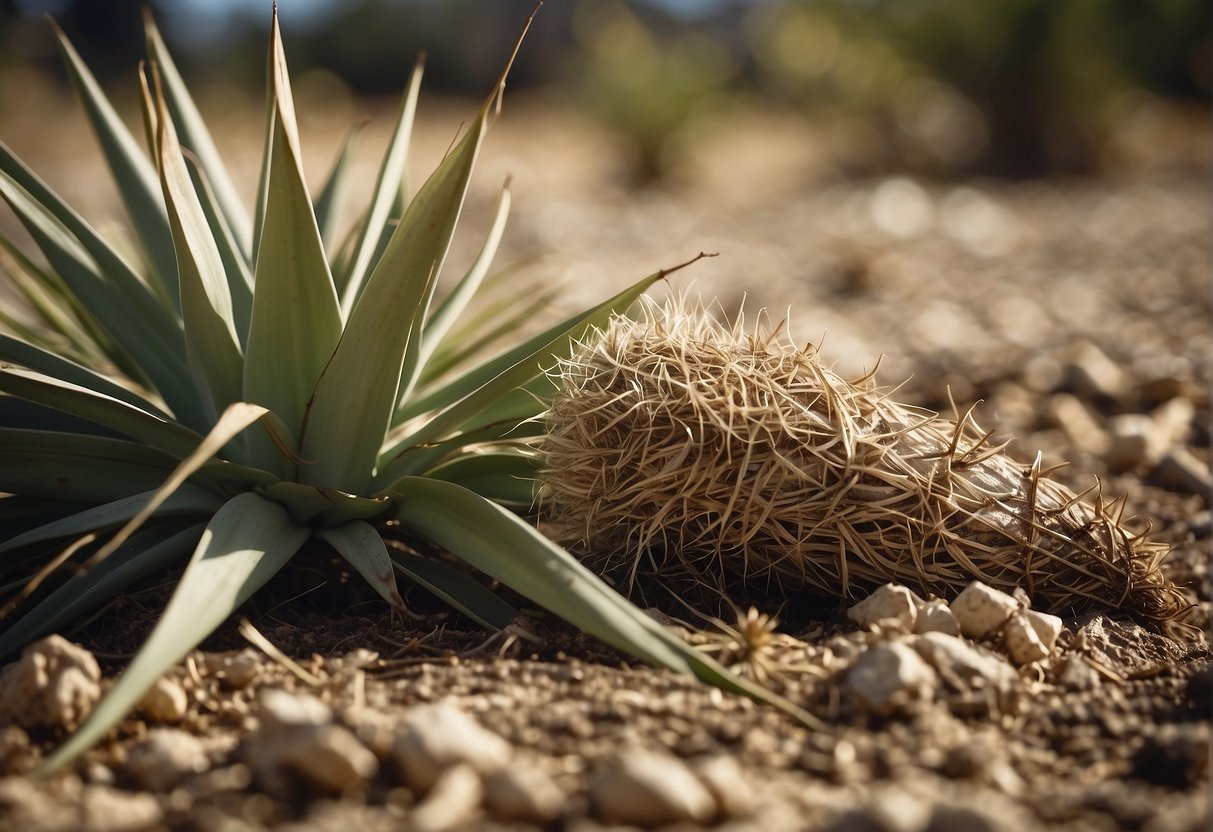
If you’re dealing with yucca plants that need to be removed, there are several effective methods you can use. In this section, we’ll cover physical removal methods, chemical eradication strategies, and natural and environmentally-friendly approaches.
Physical Removal Methods
Physical removal is the most straightforward method to get rid of yucca plants. You can use a shovel, pickaxe, or other digging tools to remove the root ball and stump of the plant. Make sure to dig deep enough to remove all the roots. If the yucca plant is small, you can also pull it out by hand.
Chemical Eradication Strategies
Chemical eradication is another option for removing yucca plants. Glyphosate and triclopyr are commonly used herbicides that can effectively kill yucca plants. These herbicides work by being absorbed into the plant and killing it from the inside out. Make sure to follow the instructions on the label carefully and apply the herbicide directly to the yucca plant.
Natural and Environmentally-Friendly Approaches
If you’re looking for a more environmentally-friendly approach to removing yucca plants, there are a few options available. One method is to suffocate the plant by covering it with a tarp or other material. This will prevent sunlight from reaching the plant and eventually kill it.
Another natural approach is to use salt. Salt can be applied to the soil around the yucca plant, which will prevent it from absorbing water and nutrients. Over time, this will cause the plant to die.
It’s important to note that while natural and environmentally-friendly approaches may be safer for the environment, they may take longer to be effective. Additionally, using salt can harm other plants in the area, so it should be used with caution.
Overall, there are several effective methods for removing yucca plants. Whether you choose physical removal, chemical eradication, or a natural approach, make sure to follow the instructions carefully and take the necessary precautions to protect yourself and the environment.
Preventive Measures and Maintenance
Preventing Regrowth and Spread
Preventing the regrowth and spread of yucca plants is important to avoid the spread of any disease or pest infestation. One way to prevent regrowth is to remove the entire root system of the plant. This can be done by digging up the plant and removing as much of the root system as possible. Be sure to dispose of the plant and roots properly to avoid spreading any disease or pests.
Another way to prevent regrowth is to use a herbicide. Choose a herbicide that is labeled for use on yucca plants and follow the instructions carefully. Be sure to apply the herbicide to the entire plant, including the leaves and stem. It may take several applications to completely kill the plant.
To prevent the spread of yucca plants, avoid planting them too close together. Yucca plants can grow rapidly and can quickly become overcrowded. This can lead to the spread of disease and pests. Make sure to give each plant enough space to grow and thrive.
Ongoing Care for Healthy Yucca Plants
Proper care and maintenance can help keep your yucca plants healthy and thriving. One important factor to consider is the landscape. Yucca plants prefer dry, well-drained soil and full sun. Make sure to plant them in an area that receives plenty of sunlight and has good drainage.
Mulching around the base of the plant can help retain moisture and prevent weeds from growing. Use a low-maintenance mulch such as gravel or rock to avoid introducing any pests or diseases.
Yucca plants are drought-tolerant and require minimal watering. However, they may need to be watered during prolonged dry spells. When watering, make sure to water deeply and infrequently to encourage deep root growth.
Regular pruning can help keep your yucca plants healthy and looking their best. Remove any dead or damaged leaves and cut back any overgrown stems. This will help promote new growth and prevent the spread of disease.
By following these preventive measures and ongoing care tips, you can help keep your yucca plants healthy and thriving for years to come.
Frequently Asked Questions
Why are the leaves on my yucca plant turning brown?
Brown leaves on yucca plants can be a sign of several issues. Overwatering, underwatering, pest infestations, nutrient deficiencies, and environmental stress can all cause brown leaves. It is important to identify the root cause of the issue in order to properly treat it.
Can overwatering cause yucca plants to die?
Yes, overwatering is a common cause of yucca plant death. Yucca plants prefer well-draining soil and can be susceptible to root rot if the soil is too wet for too long. It is important to allow the soil to dry out between waterings and to ensure that the plant is not sitting in standing water.
What pests are commonly responsible for damaging yucca plants?
Yucca plants can be susceptible to several pests, including spider mites, mealybugs, and scale insects. These pests can cause damage to the leaves and stems of the plant, leading to discoloration and wilting. Regular inspection and treatment with insecticidal soap or neem oil can help prevent pest infestations.
How can I tell if my yucca plant is suffering from root rot?
Signs of root rot in yucca plants include yellowing or wilting leaves, soft and mushy roots, and a foul odor coming from the soil. If left untreated, root rot can lead to the death of the plant. To prevent root rot, make sure the soil is well-draining and avoid overwatering.
What are the signs of nutrient deficiency in yucca plants?
Nutrient deficiencies in yucca plants can cause a variety of symptoms, including yellowing leaves, stunted growth, and leaf drop. Common nutrient deficiencies in yucca plants include nitrogen, potassium, and iron. Regular fertilization with a balanced fertilizer can help prevent nutrient deficiencies.
How do environmental factors like temperature and humidity affect yucca plant health?
Yucca plants are adaptable to a wide range of temperatures and humidity levels, but extreme fluctuations can cause stress and damage to the plant. Yucca plants prefer warm temperatures and low humidity, but can tolerate cooler temperatures and higher humidity levels. It is important to avoid exposing the plant to extreme temperatures or sudden changes in temperature and humidity.

