
What Do Yucca Plants Look Like When Dry: A Visual Guide
Yucca plants are renowned for their resilience and ability to withstand dry conditions. Nevertheless, without adequate care, even these durable plants can suffer from dryness and damage. For those curious about the appearance of yucca plants when they are dry, recognizing the indicators of dehydration and knowing how to avert it is crucial.
Identifying dry yucca plants can be tricky, as they may not show obvious signs of distress until it is too late. Some of the most common indicators of dryness include yellowing or browning leaves, wilting or drooping stems, and a general lack of growth or vigor. If you notice these symptoms in your yucca plant, it is important to act quickly to prevent further damage.
Caring for dry yucca plants involves a combination of proper watering, fertilization, and pruning. You may need to adjust your watering schedule to ensure that your plant is getting enough moisture without becoming waterlogged. Additionally, fertilizing your yucca plant with a high-quality fertilizer can help to promote healthy growth and prevent dryness. Finally, regular pruning can help to remove damaged or dead leaves and stems, allowing your plant to focus its energy on new growth.
Key Takeaways
- Identifying dry yucca plants can be difficult, but common signs include yellowing or browning leaves, wilting or drooping stems, and a lack of growth or vigor.
- Caring for dry yucca plants involves proper watering, fertilization, and pruning to promote healthy growth and prevent further damage.
- To prevent dryness in yucca plants, it is important to provide adequate moisture, fertilization, and pruning, as well as to avoid overwatering and other stressors.
Identifying Dry Yucca Plants
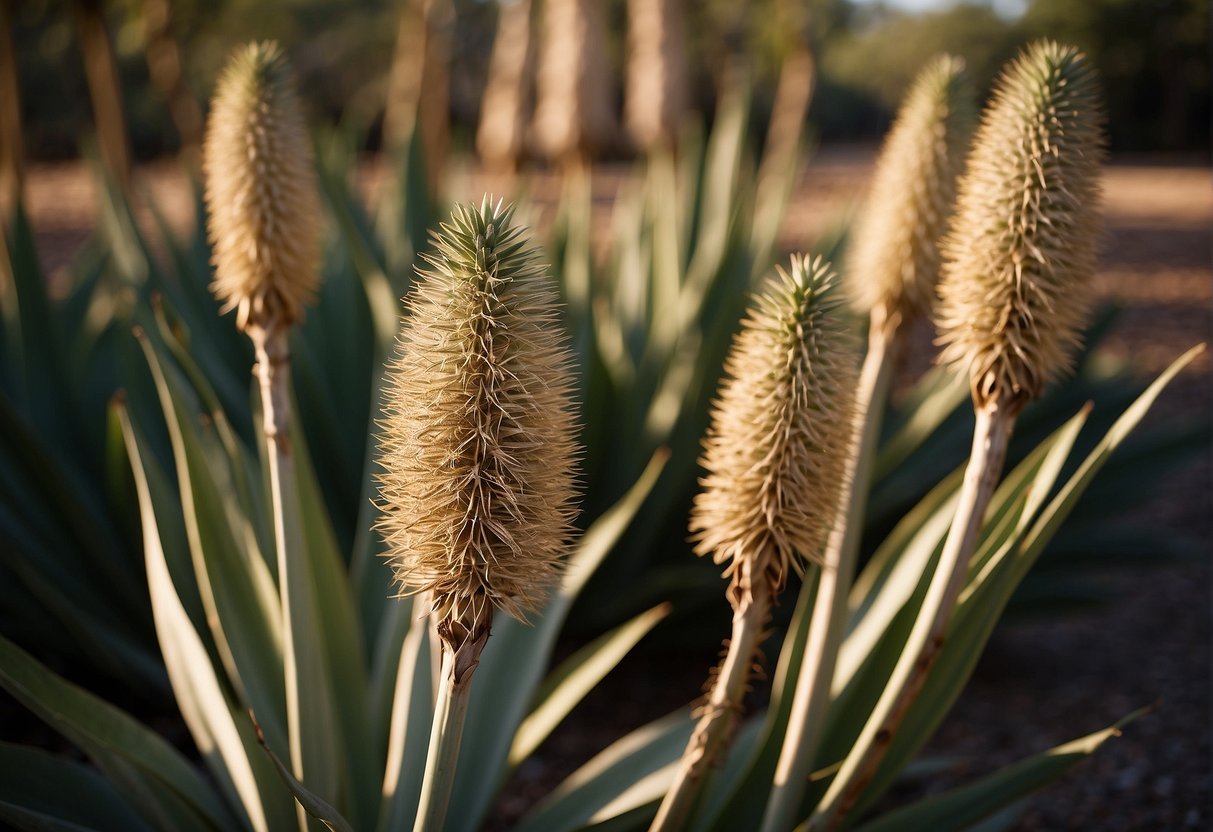
If you are trying to identify dry yucca plants, there are several characteristics you can look out for. In this section, we will discuss some of the key features that can help you identify a yucca plant that has dried out.
Leaf Characteristics
One of the most obvious signs of a dry yucca plant is the color of its leaves. When a yucca plant is dry, its leaves will turn yellow or brown and become dry and brittle to the touch. The texture of the leaves will also change, becoming rough and papery.
Stem and Trunk Features
Another indicator of a dry yucca plant is the appearance of its stem and trunk. When a yucca plant is dry, its stem and trunk may become thin and shriveled. The bark on the trunk may also become cracked and dry.
Soil and Root Conditions
The condition of the soil and roots can also provide clues as to whether a yucca plant is dry. Yucca plants prefer well-draining soil, and if the soil is too wet or heavy, the roots may rot, causing the plant to dry out. If you notice that the soil around the yucca plant is wet and heavy, it may be a sign that the roots are rotting.
Flower and Seed Indicators
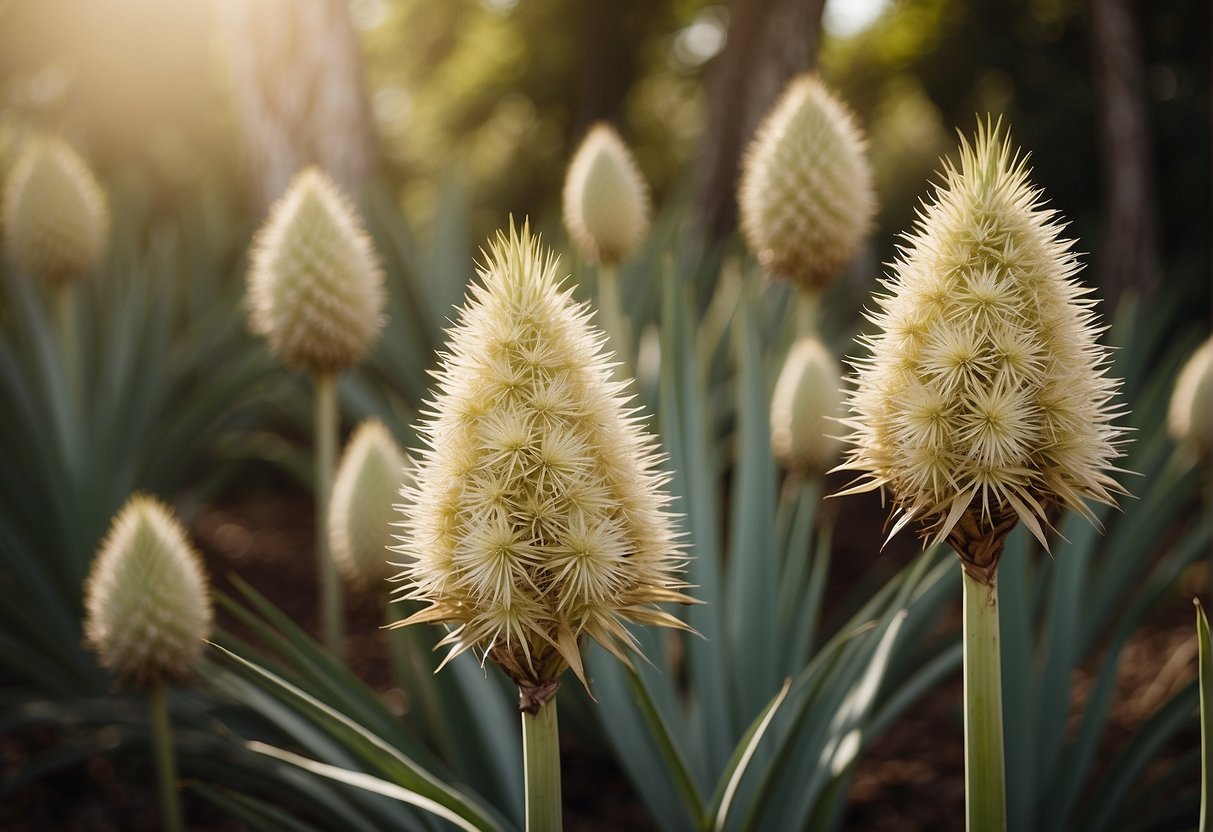
If the yucca plant has white flowers, they may become dry and brown when the plant is dehydrated. Additionally, the seeds of a dry yucca plant may be smaller and lighter in color than those of a healthy plant.
Overall Plant Appearance
When a yucca plant is dry, it may lose its green foliage and take on a yellow or brown color. Some species, such as the Yucca aloifolia or Spanish Bayonet, may also develop a cream color guard. The plant may also lose its rosette form and become less upright.
Species-Specific Dryness Signs
Different species of yucca plants may exhibit unique signs of dryness. For example, the Yucca filamentosa may develop a whitish cast to its leaves when it is dry, while the Yucca elephantipes or Banana Yucca may become more wrinkled and shriveled when dehydrated. The Joshua Tree may also develop a dry, brown appearance when it is not getting enough water.
By paying attention to these characteristics, you can identify a dry yucca plant and take steps to revive it or remove it if necessary.
Caring for Dry Yucca Plants
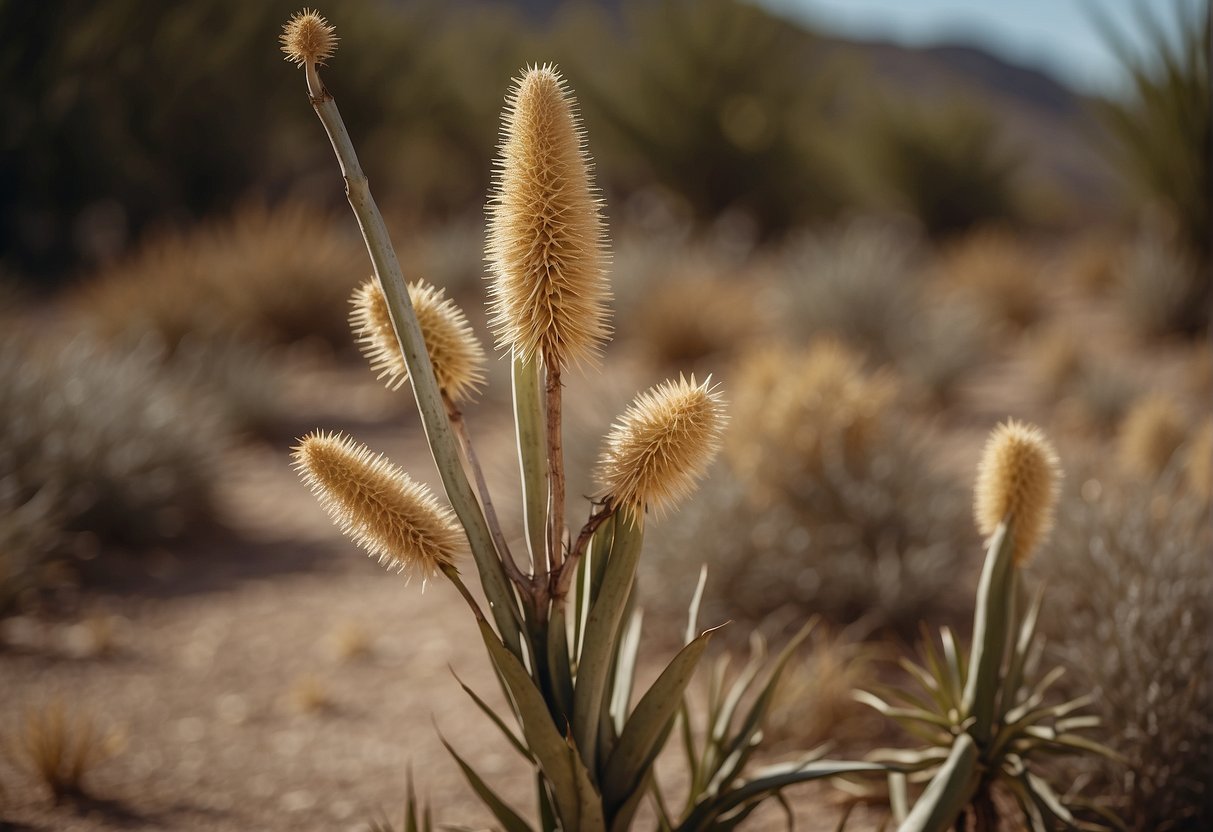
When it comes to caring for dry yucca plants, there are a few key things to keep in mind to ensure they thrive. Here are some tips to help you keep your yucca plants healthy and looking their best.
Watering Techniques
Yucca plants are known for their ability to survive in dry conditions, so it’s important not to overwater them. In fact, yucca plants prefer minimal water and can actually suffer from root rot if they are overwatered. When watering your yucca plant, make sure the soil is completely dry before watering again. It’s also important to ensure that the pot has adequate drainage to prevent water from sitting in the soil.
Appropriate Sunlight and Temperature
Yucca plants require full sun to thrive, so make sure they are placed in a location that receives plenty of direct sunlight. They also prefer warm temperatures and are best suited for zones 9-11. If you live in a cooler climate, consider growing your yucca plant indoors or in a greenhouse.
Soil and Potting Mix Considerations
Yucca plants prefer well-drained soil, so it’s important to choose a potting mix that allows for proper drainage. A mix of sand, perlite, and peat moss is a good choice for yucca plants. When repotting your yucca plant, make sure to use a pot that is slightly larger than the previous one to allow for growth.
Pruning and Maintenance
Yucca plants require minimal pruning and maintenance. However, if your plant becomes too large or unwieldy, you can prune it back to the desired size. To do this, simply cut off the top of the plant with a sharp pair of shears. Yucca plants also benefit from occasional fertilization with a balanced fertilizer.
Pest and Disease Management
Yucca plants are generally pest and disease resistant, but they may occasionally be affected by aphids, scale, or mealybugs. If you notice any signs of infestation, treat your plant with a mild insecticide or neem oil. It’s also important to keep an eye out for any signs of root rot, which can be caused by overwatering or poor drainage.
By following these tips, you can ensure that your yucca plant stays healthy and looks great, even when it’s dry.
Preventing Dryness in Yucca Plants
Yucca plants are known for their hardiness and low maintenance, but even these tough plants can suffer from dryness if not properly cared for. Here are some tips to prevent dryness in your yucca plants and keep them healthy and thriving.
Optimal Planting and Repotting
When planting or repotting yucca plants, it’s important to choose the right pot or container. Yucca plants prefer well-draining soil, so make sure the pot has drainage holes to prevent water from accumulating and causing root rot. Choose a pot that is slightly larger than the plant’s root ball to allow for growth, but not too large as this can lead to overwatering.
Fertilization and Soil Enrichment
Yucca plants do not require frequent fertilization, but a balanced fertilizer can help promote healthy growth. Use a slow-release fertilizer once a year in the spring, and mix it into the soil around the plant’s base. Additionally, adding organic matter to the soil, such as compost or aged manure, can help improve soil quality and moisture retention.
Regular Health Monitoring
Regularly checking your yucca plants for signs of dryness or other issues can help prevent problems before they become severe. Look for yellowing or wilting leaves, which can be a sign of underwatering, and adjust your watering schedule accordingly. Check for pests and diseases, and treat them promptly to prevent further damage.
Adapting to Environmental Changes
Yucca plants are adaptable to a wide range of temperatures and conditions, but sudden changes in temperature or light can cause stress and dryness. If you are moving your yucca plant to a new location, gradually acclimate it to the new environment by increasing the amount of light or adjusting the temperature over a period of several days.
By following these tips, you can prevent dryness in your yucca plants and enjoy their beauty and hardiness for years to come.
Propagation and Growth of Yucca Plants
Yucca plants are easy to propagate and grow, making them a popular choice for gardeners. In this section, we will discuss various propagation techniques and growth habits of yucca plants.
Seed Germination and Sprouting
Yucca plants can be propagated from seeds, but they require a lot of patience. The seeds need to be soaked in warm water for 24 hours before planting. They should be planted in a well-draining soil mix and kept moist but not waterlogged. Germination can take up to six weeks, and sprouting can take up to two years.
Cutting Propagation Techniques
Cutting propagation is a faster and more reliable method of propagating yucca plants. Cuttings should be taken in the spring or summer from the top of the plant. The cuttings should be 4-6 inches long and allowed to dry for a few days before planting. They should be planted in a well-draining soil mix and kept moist but not waterlogged. Roots should start to form within a few weeks.
Transplanting and Establishing New Plants
Transplanting yucca plants is best done in the spring or fall. Yucca plants have long, thick roots, so it is important to dig a deep hole and loosen the soil around the roots. The plant should be watered thoroughly after transplanting and kept moist but not waterlogged until it is established.
Species-Specific Growth Habits
Yucca plants come in many different species, each with its own growth habits. Yucca baccata and yucca rostrata are slow-growing and can take up to 10 years to reach their full size. Soapweed yucca and Adam’s needle are more tolerant of cold weather and can grow in USDA zones 4-8. Mojave yucca and yucca flaccida prefer warmer climates and can grow in USDA zones 9-11. Bright star and hesperaloe parviflora are popular ornamental yucca plants that can be grown in containers.
Yucca plants are susceptible to root rot, so it is important to make sure they are planted in well-draining soil and not overwatered. Beaked yucca plant, yucca thompsoniana, yucca brevifolia, yucca glauca, and soaptree yucca are all native to different regions of North America and have their own unique growth habits. Our Lord’s candle is a common name for yucca plants that have tall, candle-like flower stalks.
Frequently Asked Questions
How can I identify signs of dehydration in yucca plants?
Yucca plants are known for their hardiness and ability to withstand drought conditions. However, even these plants can become dehydrated if they are not watered properly. Signs of dehydration in yucca plants include dry, brittle leaves, wilting, and yellowing of the leaves.
What are the symptoms of a yucca plant suffering from lack of water?
A yucca plant suffering from lack of water will show signs of stress. The leaves will become dry and brittle, and the plant may start to wilt. In severe cases, the leaves may turn yellow and fall off.
How do yucca plants typically respond to dry indoor conditions?
Yucca plants are native to desert regions and are adapted to dry conditions. They can survive in low-humidity environments and are often used as indoor plants. However, if the air in your home is too dry, the leaves of your yucca plant may become dry and brittle.
What changes occur in yucca plant leaves during water deficiency?
When a yucca plant is suffering from water deficiency, the leaves will start to dry out and become brittle. They may also curl up and turn yellow or brown. In severe cases, the leaves may fall off the plant.
Can a yucca plant recover from dryness, and what are the steps?
Yes, a yucca plant can recover from dryness if it is given proper care. The first step is to water the plant thoroughly and then let the soil dry out before watering again. You should also make sure the plant is not in direct sunlight and that the air around it is not too dry.
What are the common visual indicators of a yucca plant’s need for watering?
The most common visual indicator that a yucca plant needs watering is dry, brittle leaves. The leaves may also start to wilt or curl up. Another indicator is the color of the soil. If the soil is light in color and dry to the touch, it’s time to water your yucca plant.

